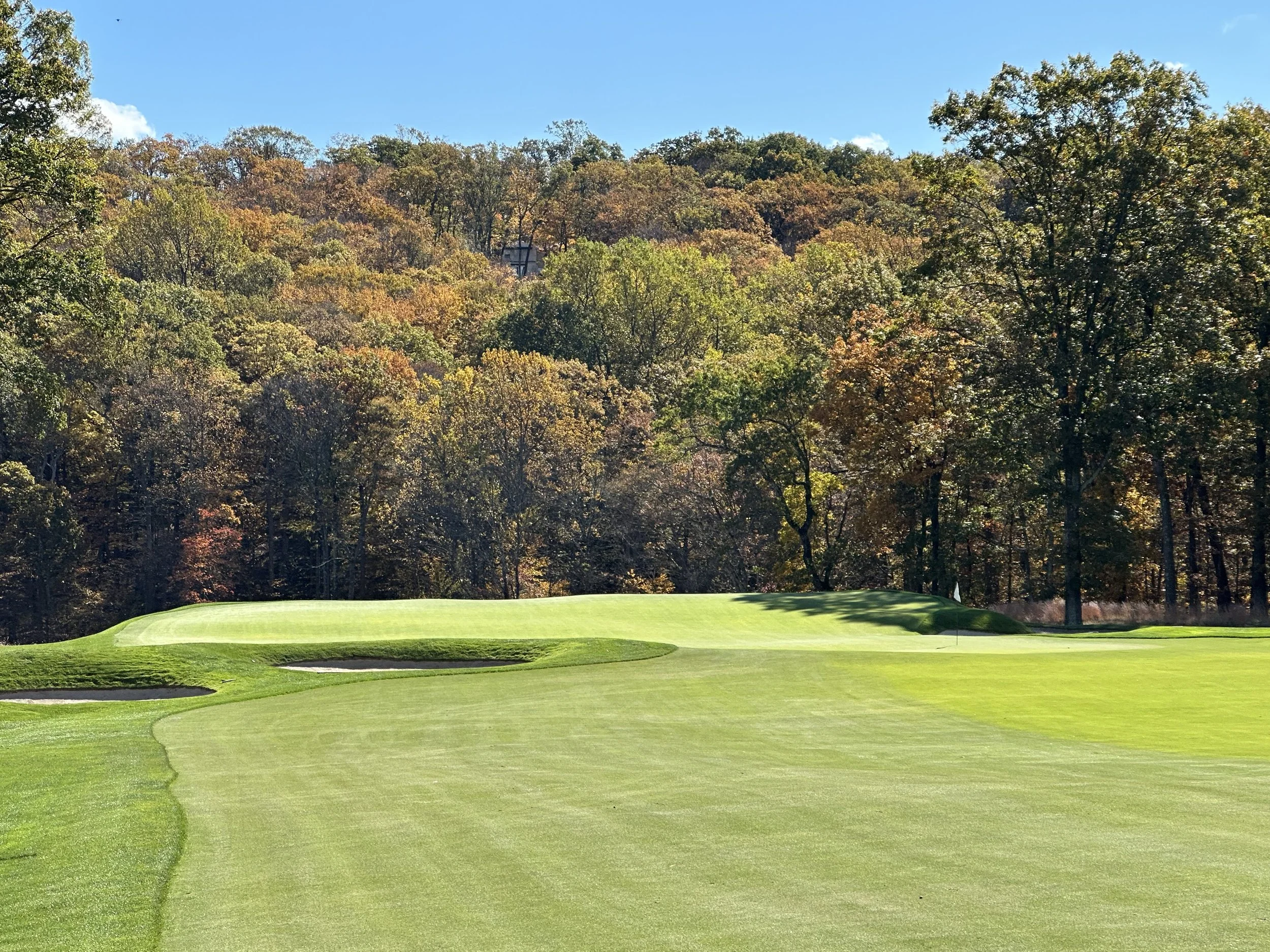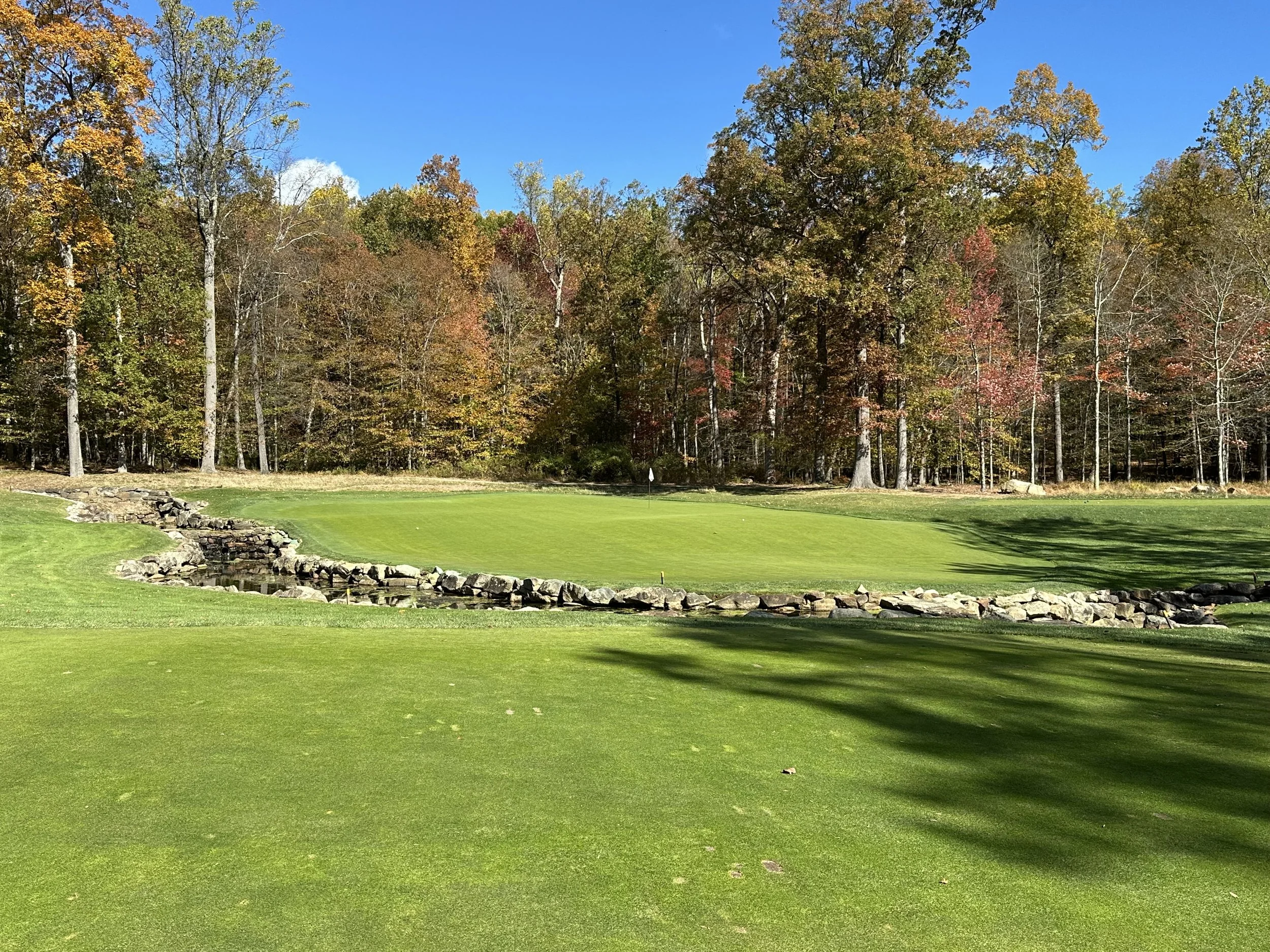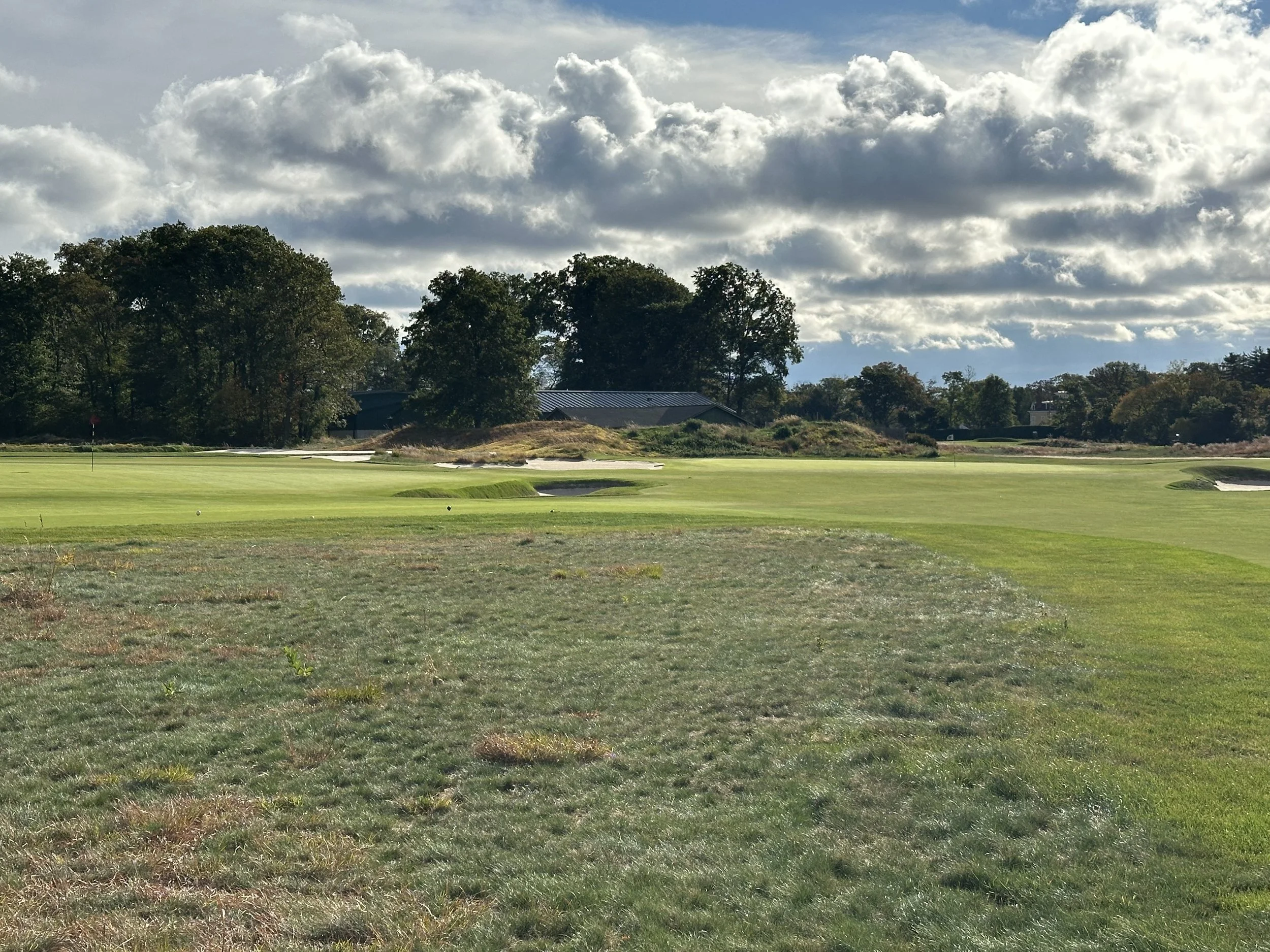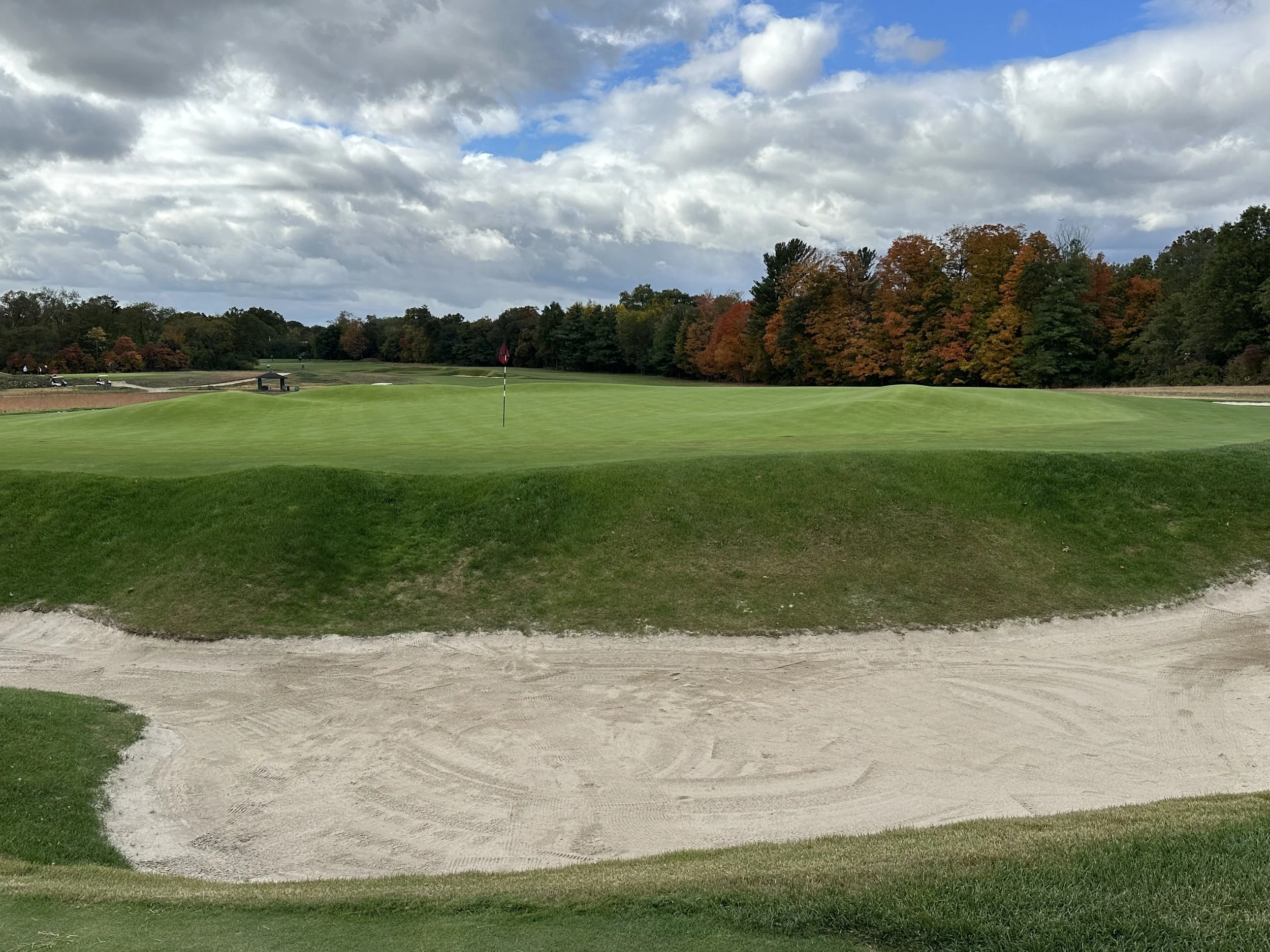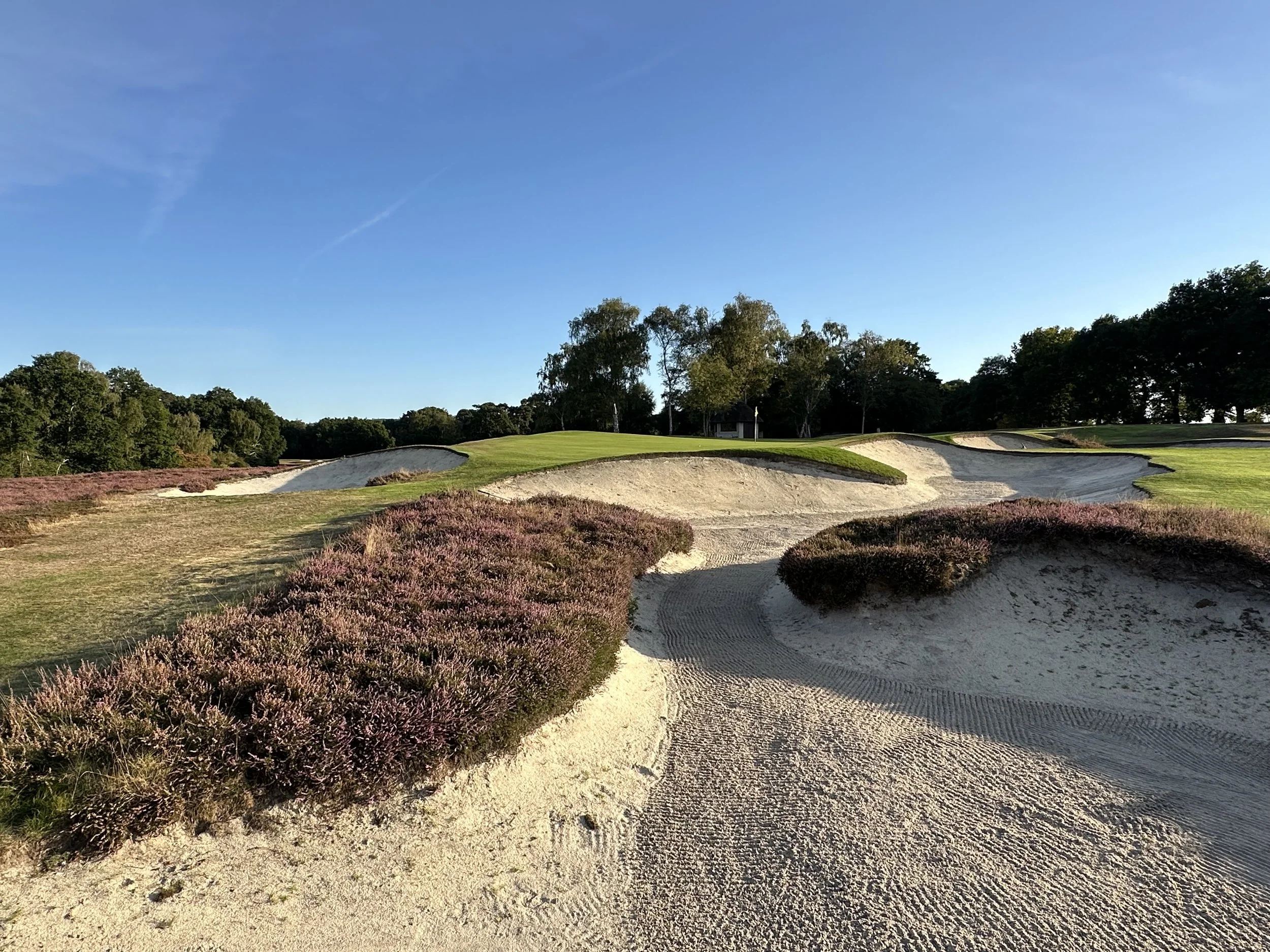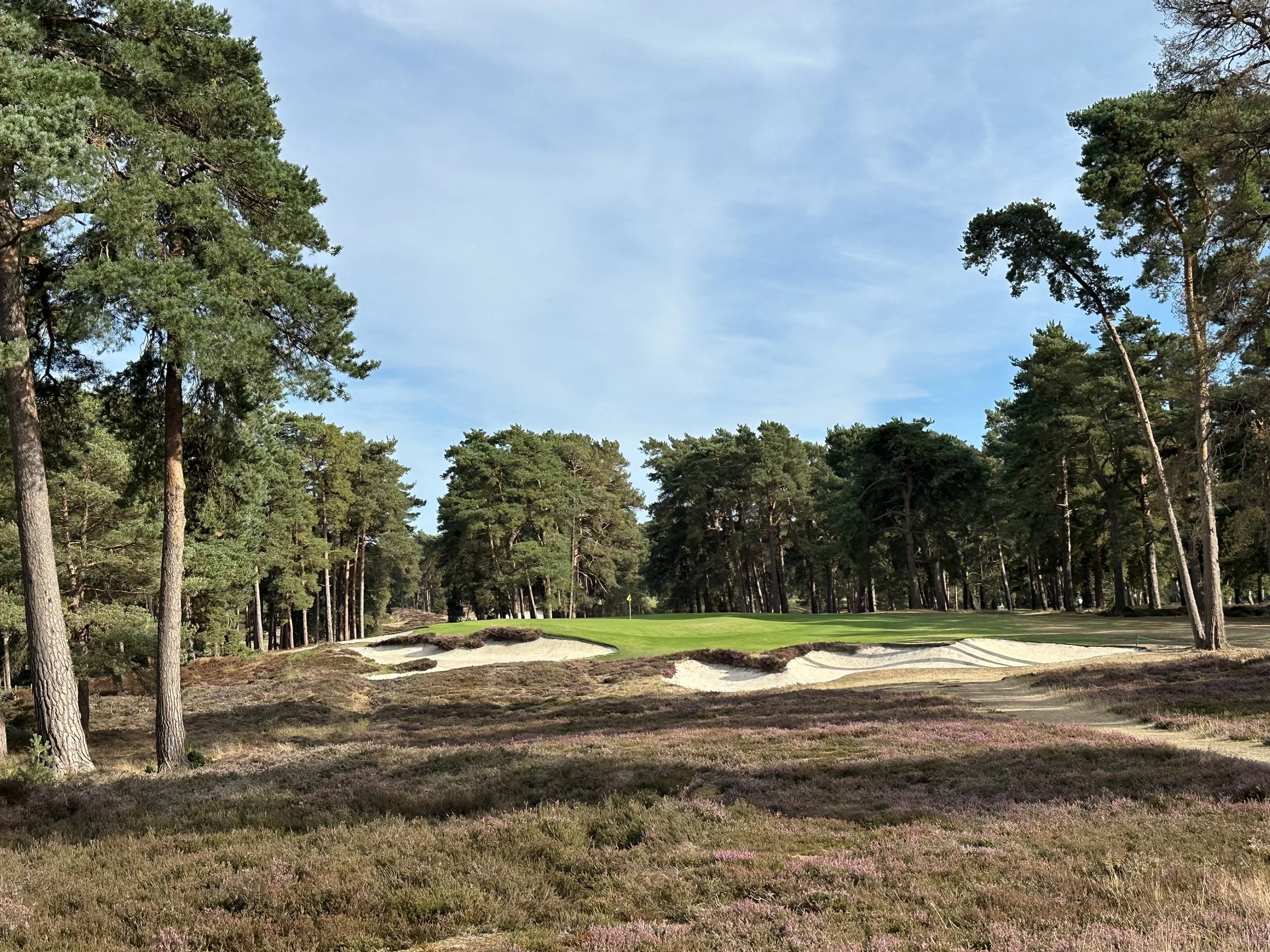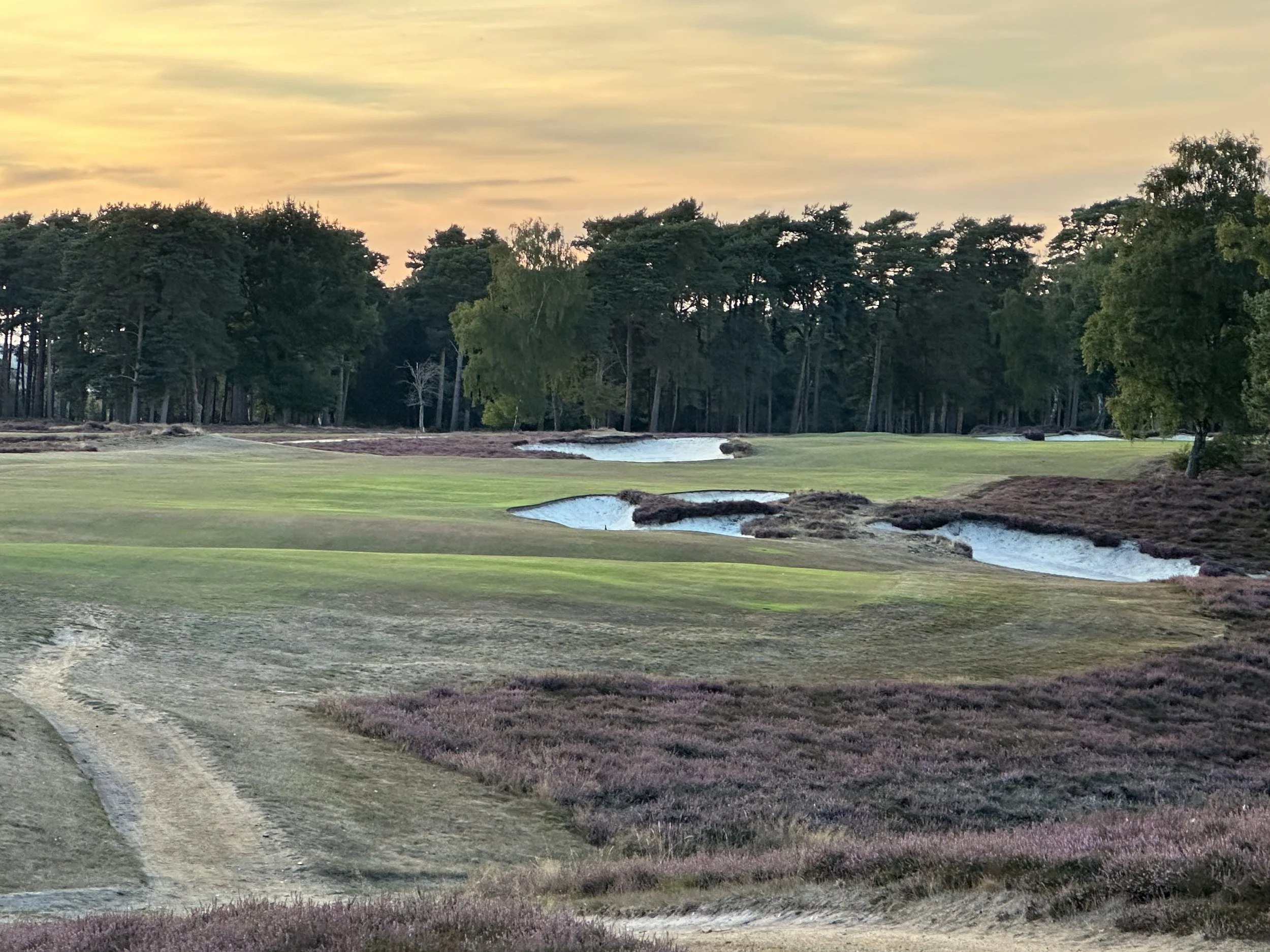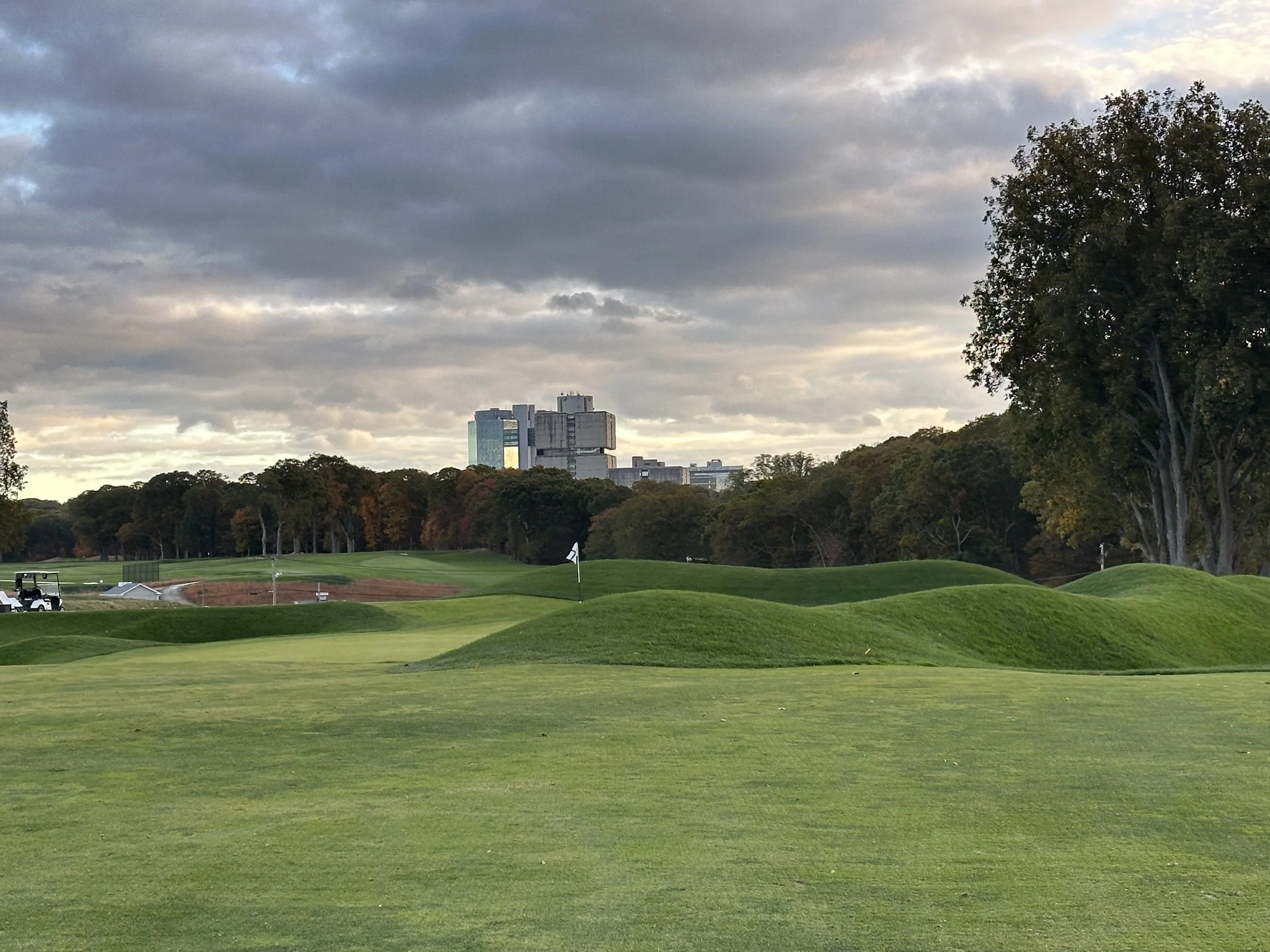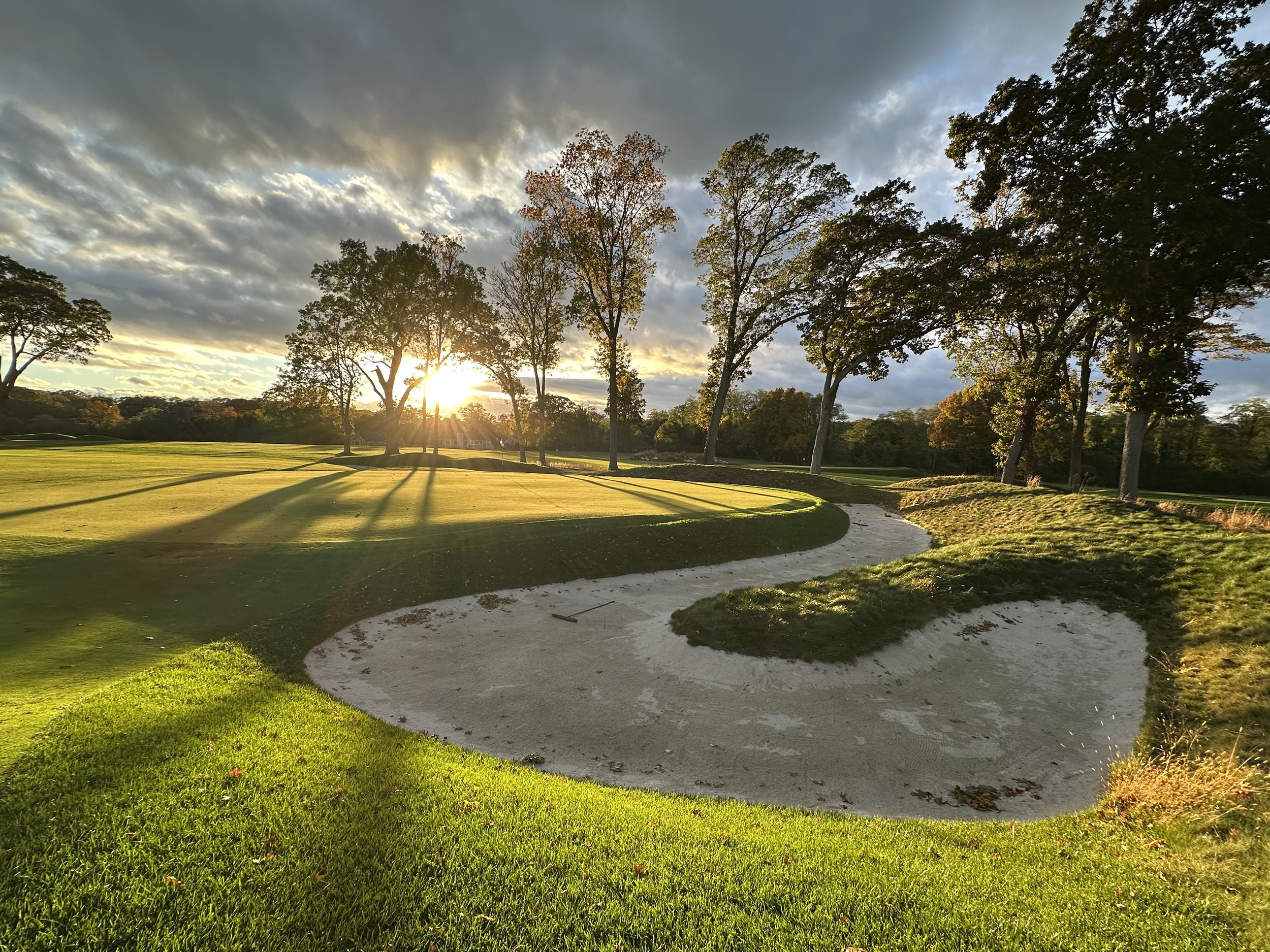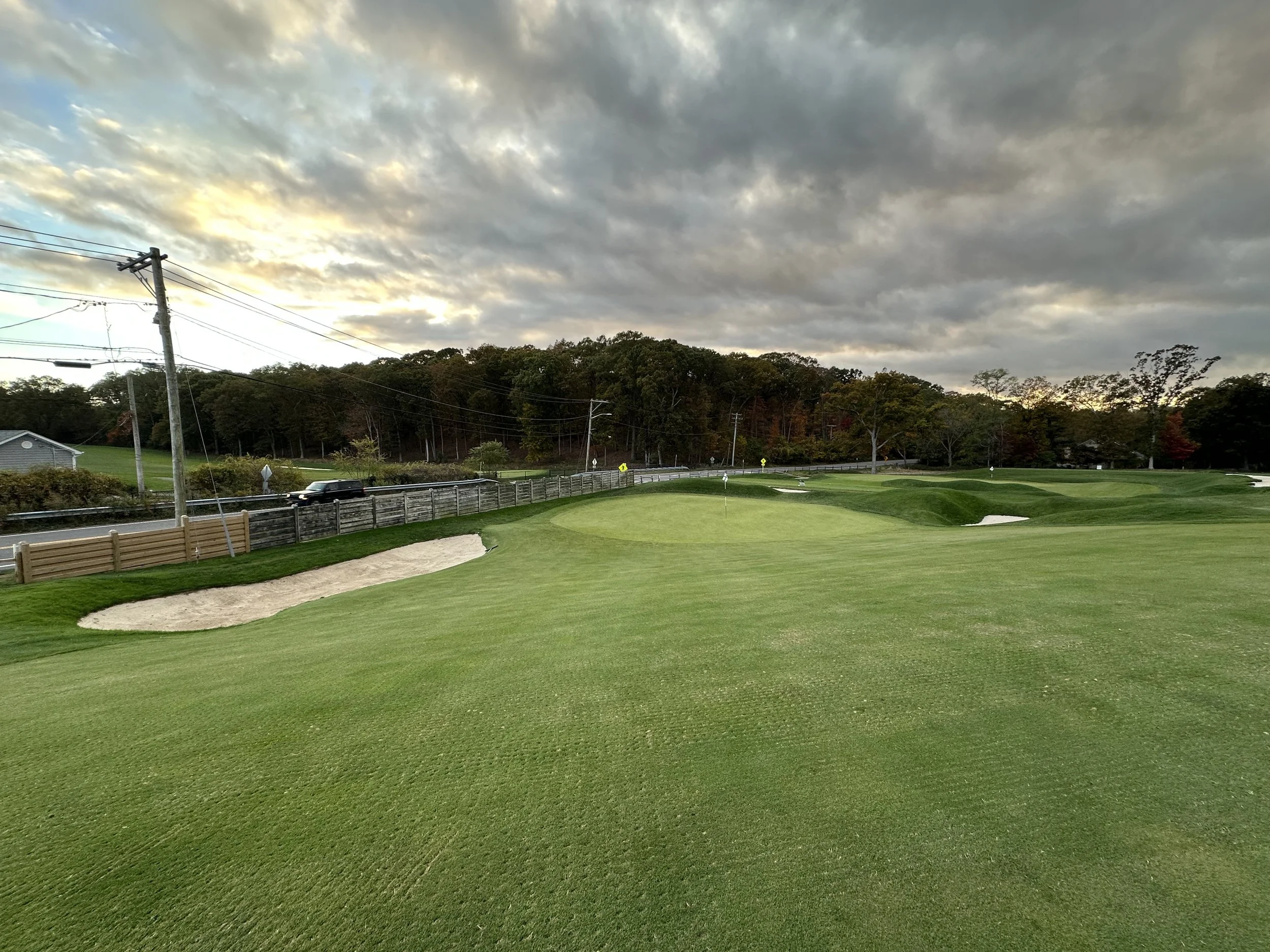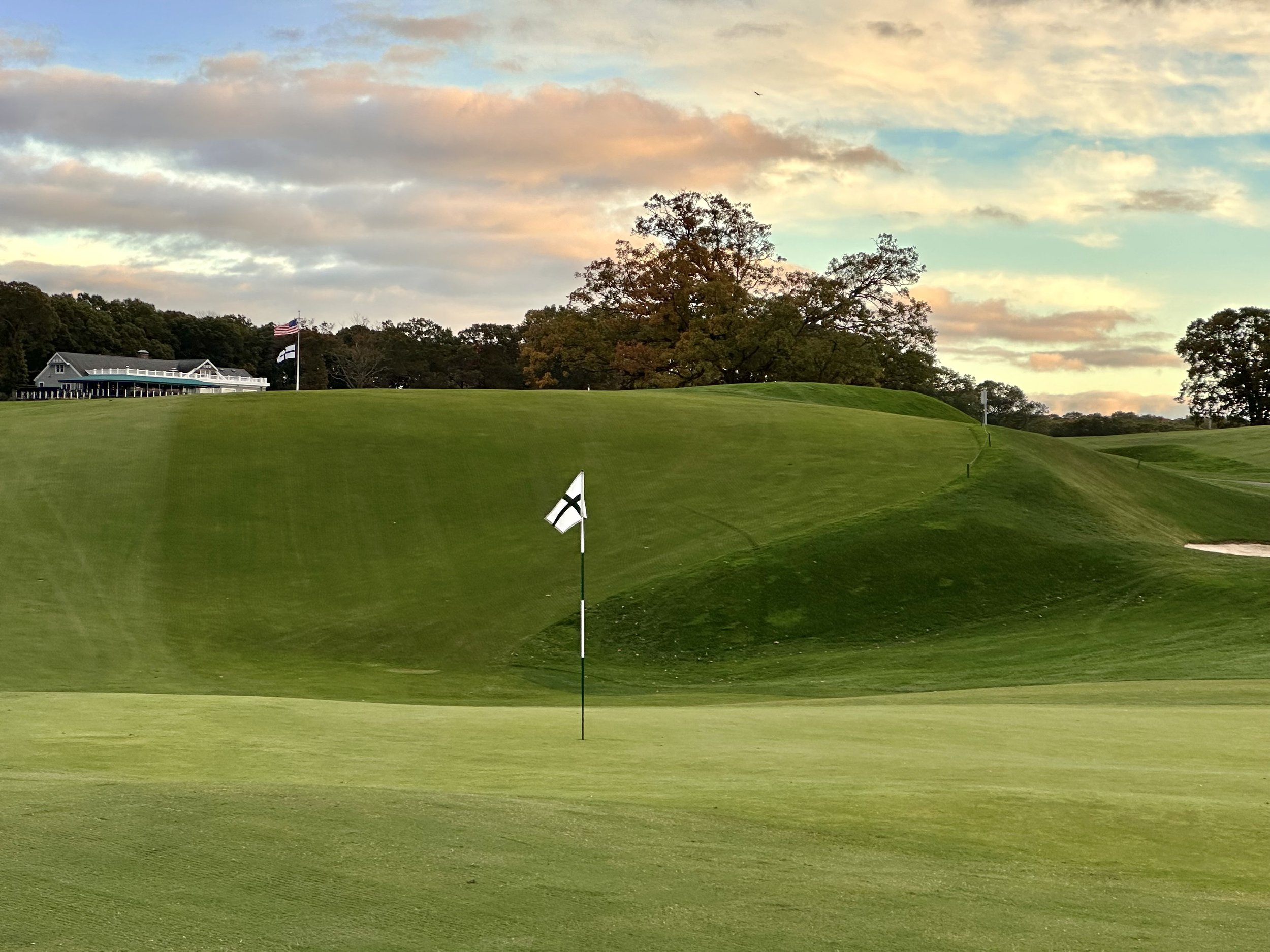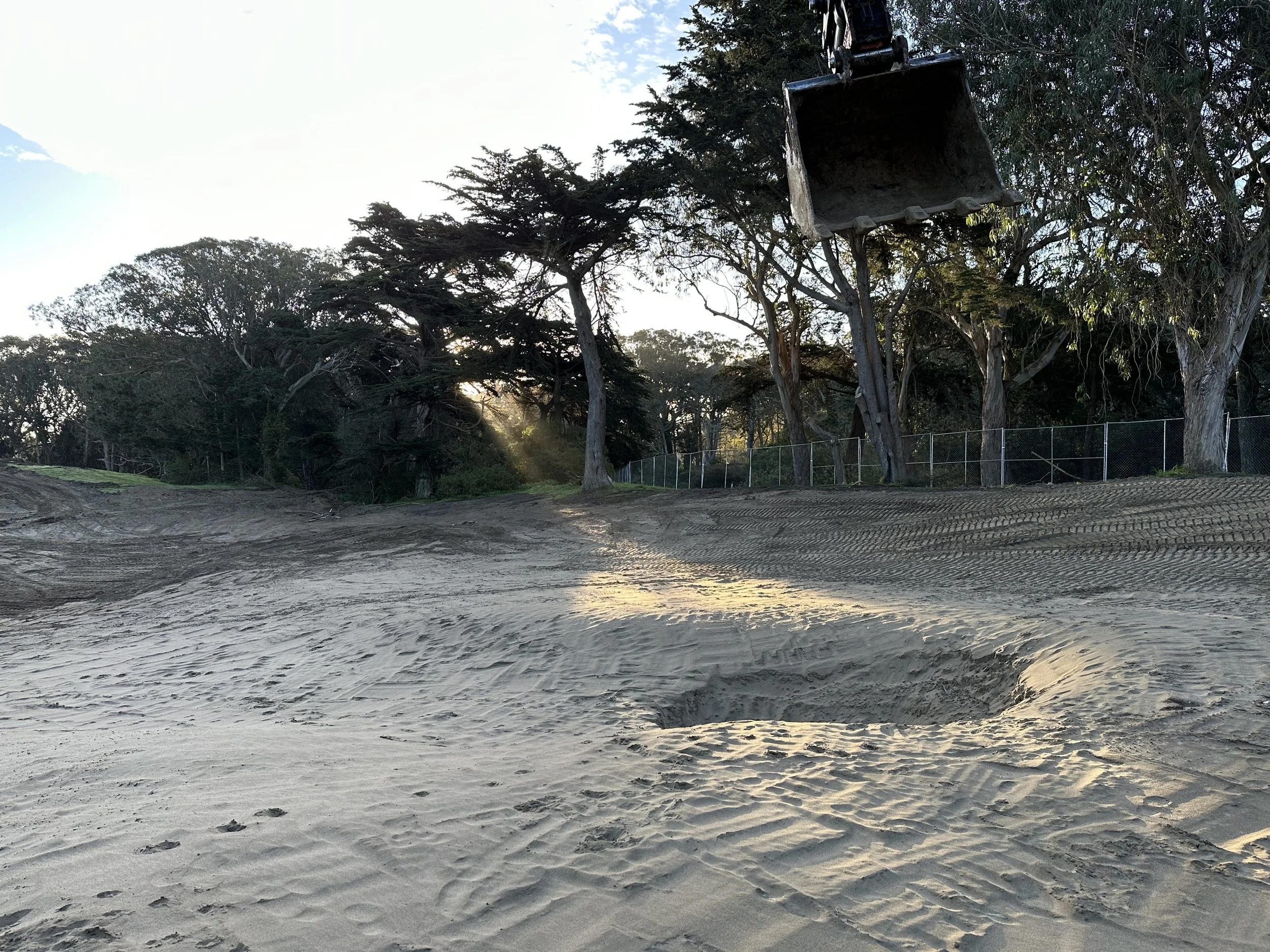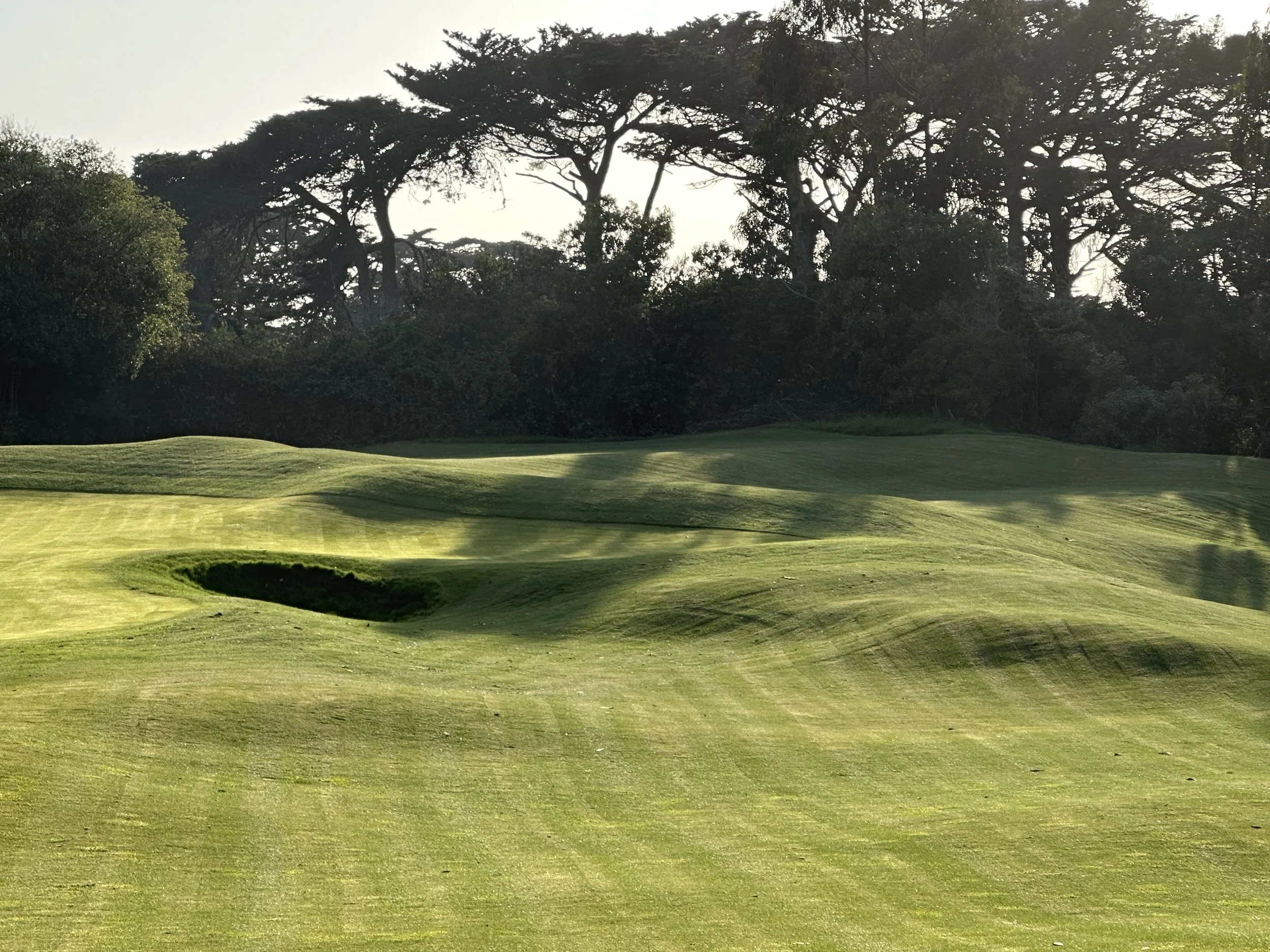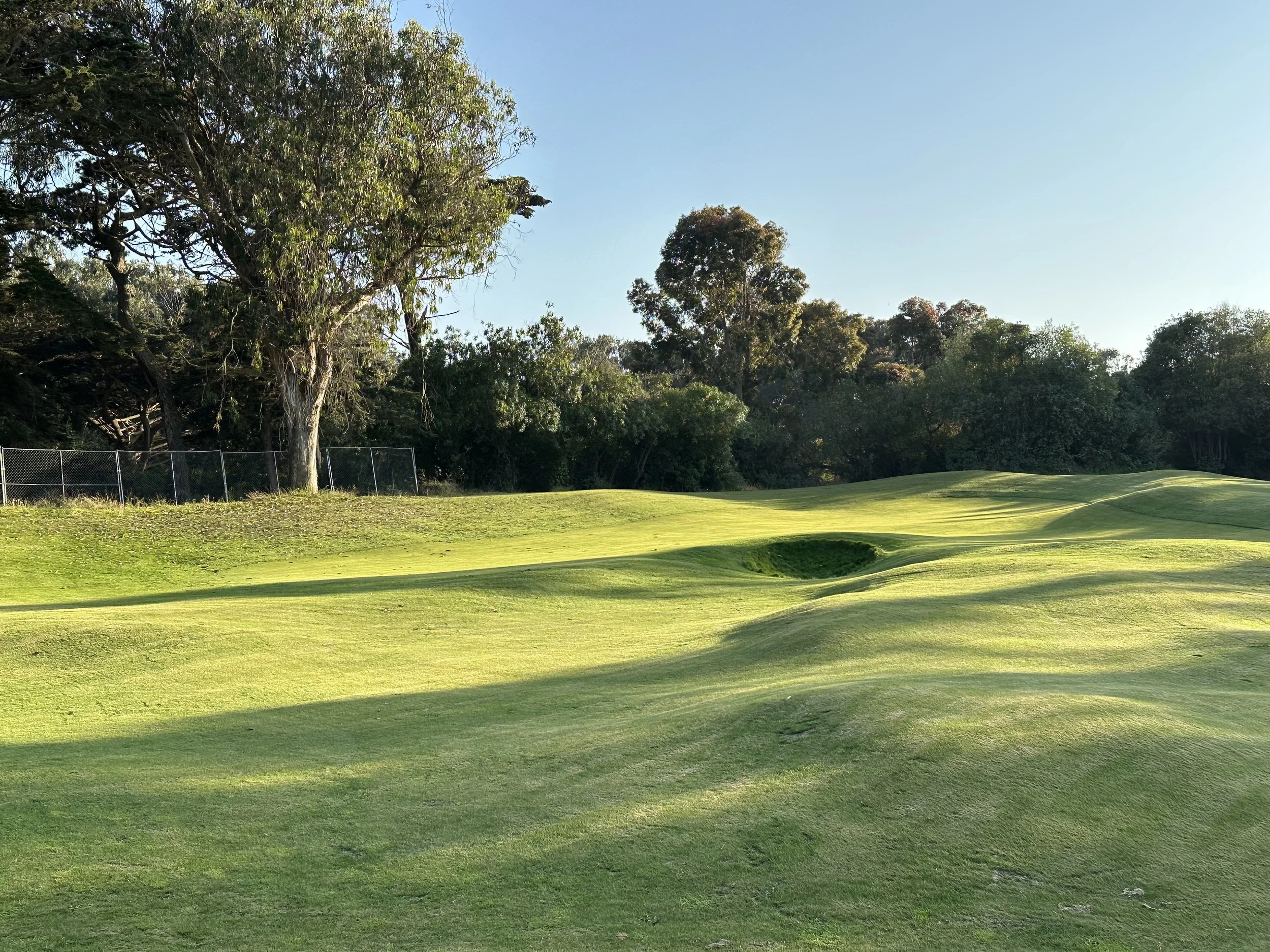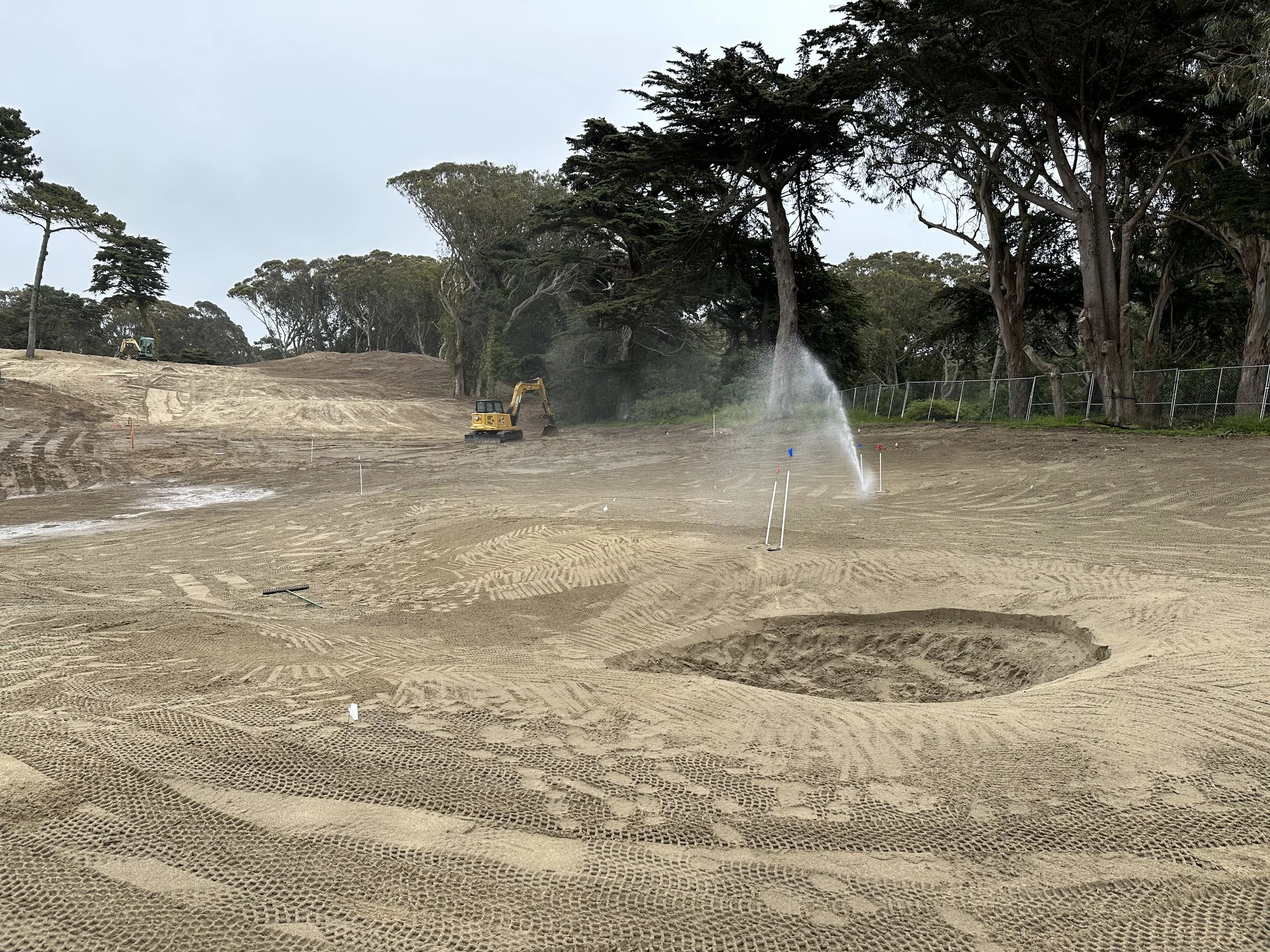
2025 in Review: All about the Golf by Brett Hochstein

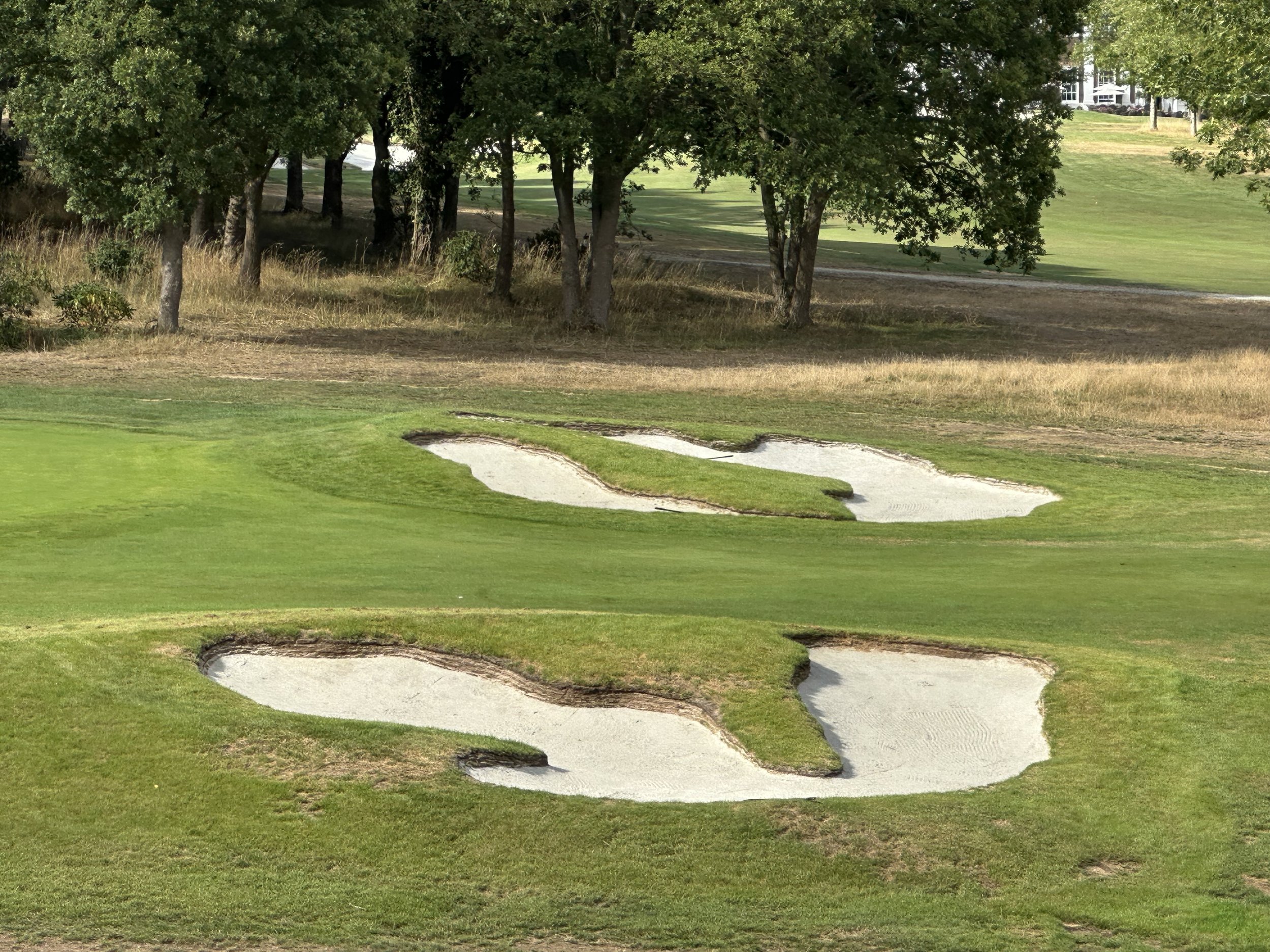
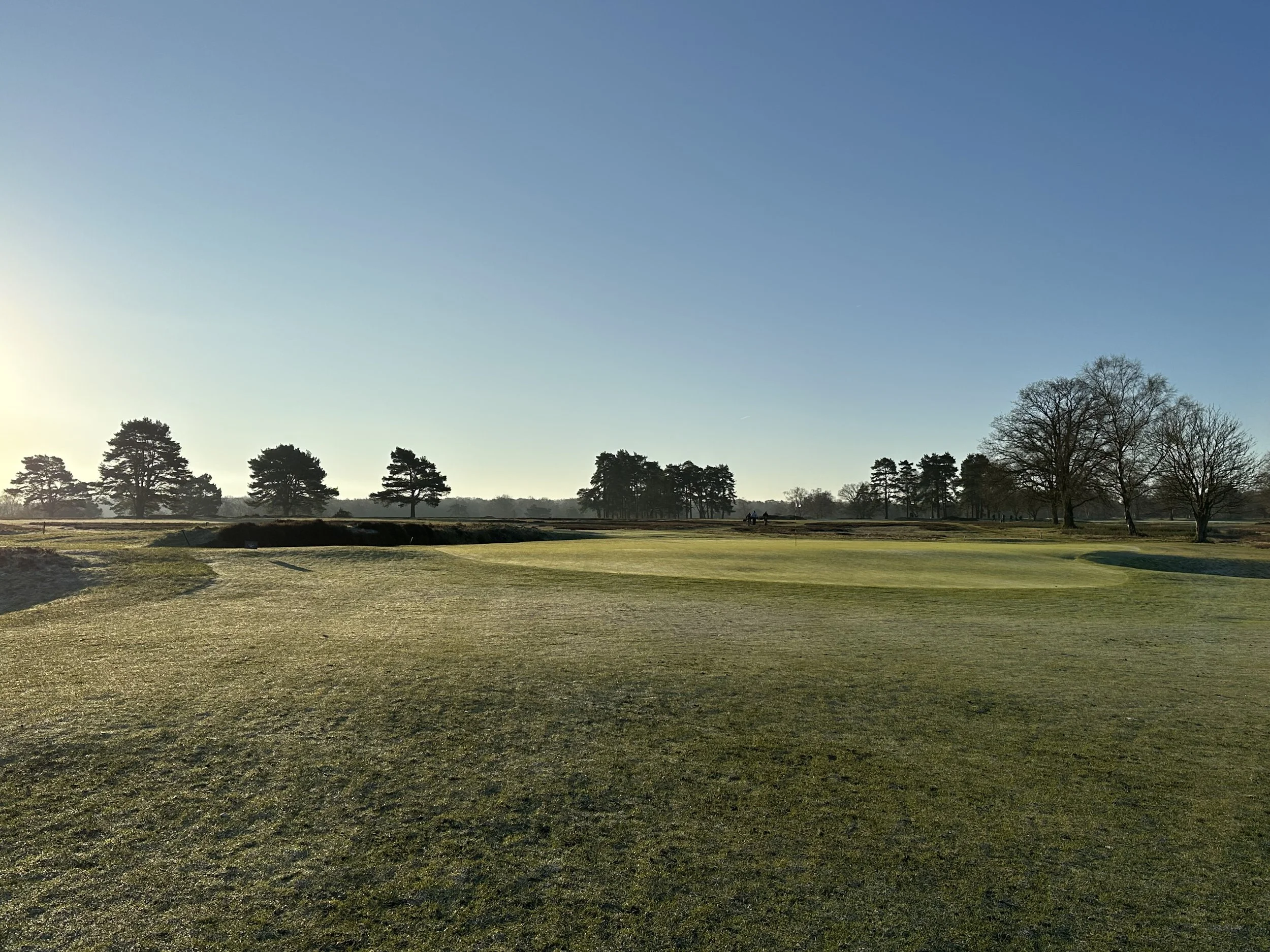
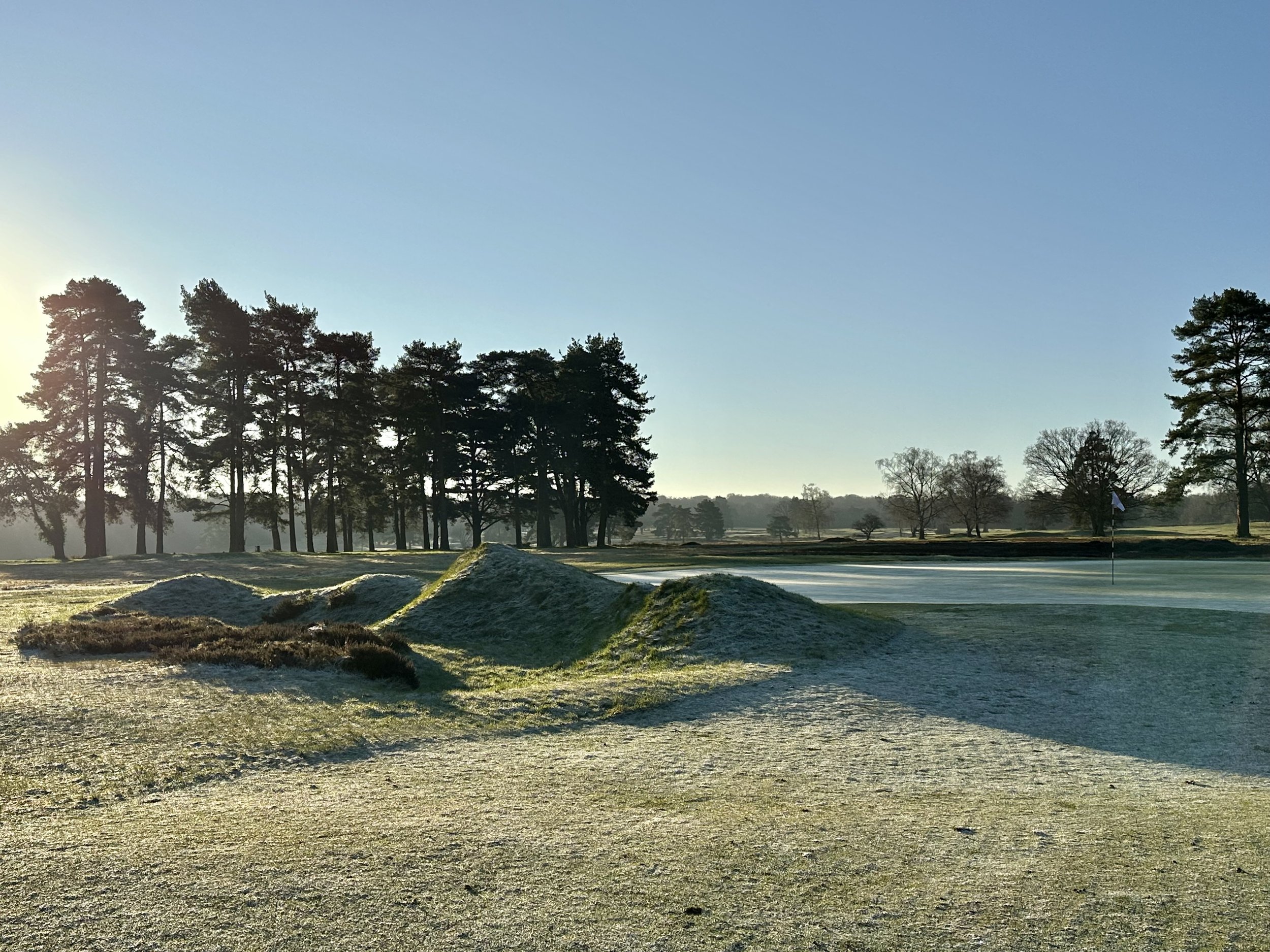
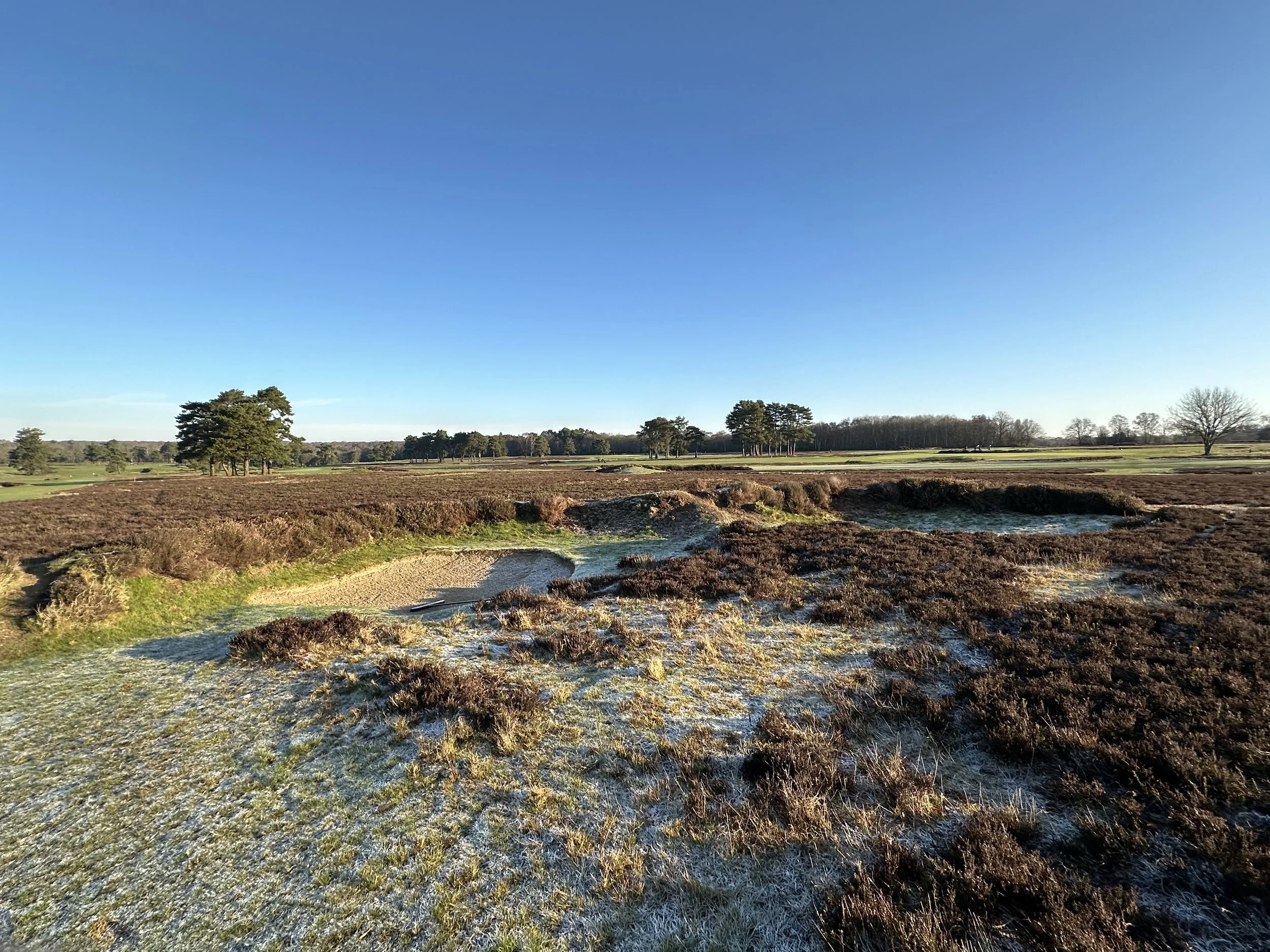
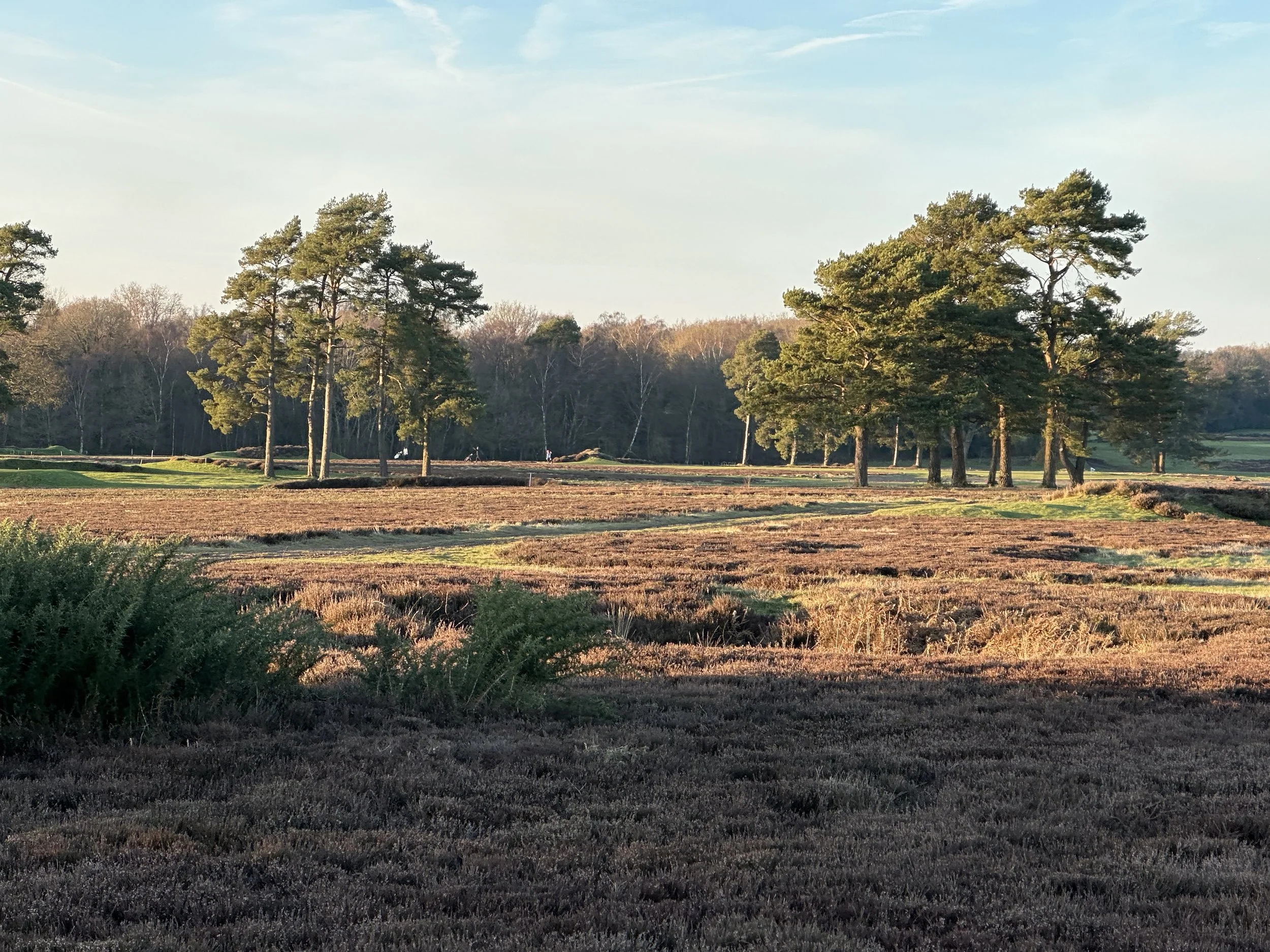
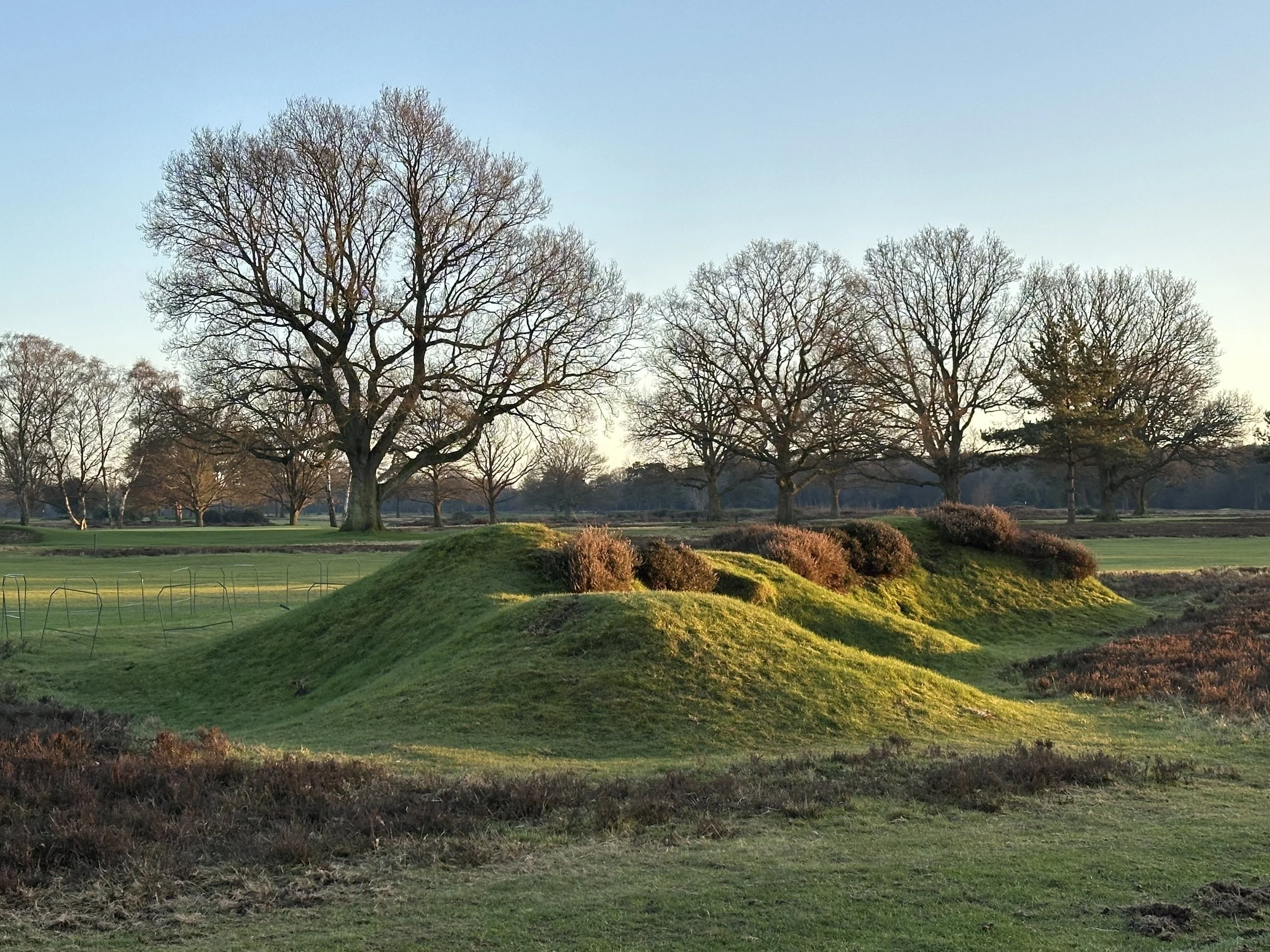
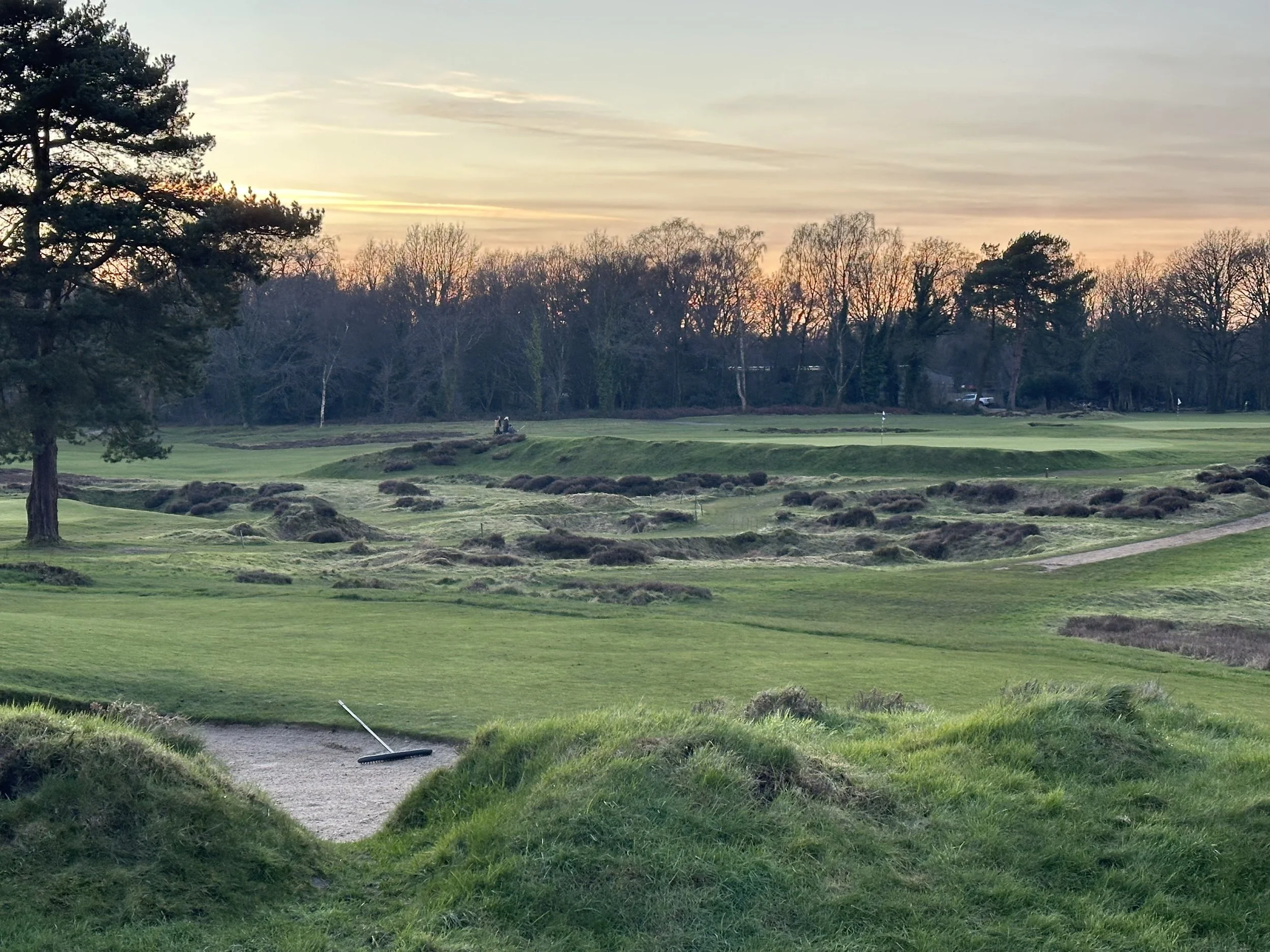
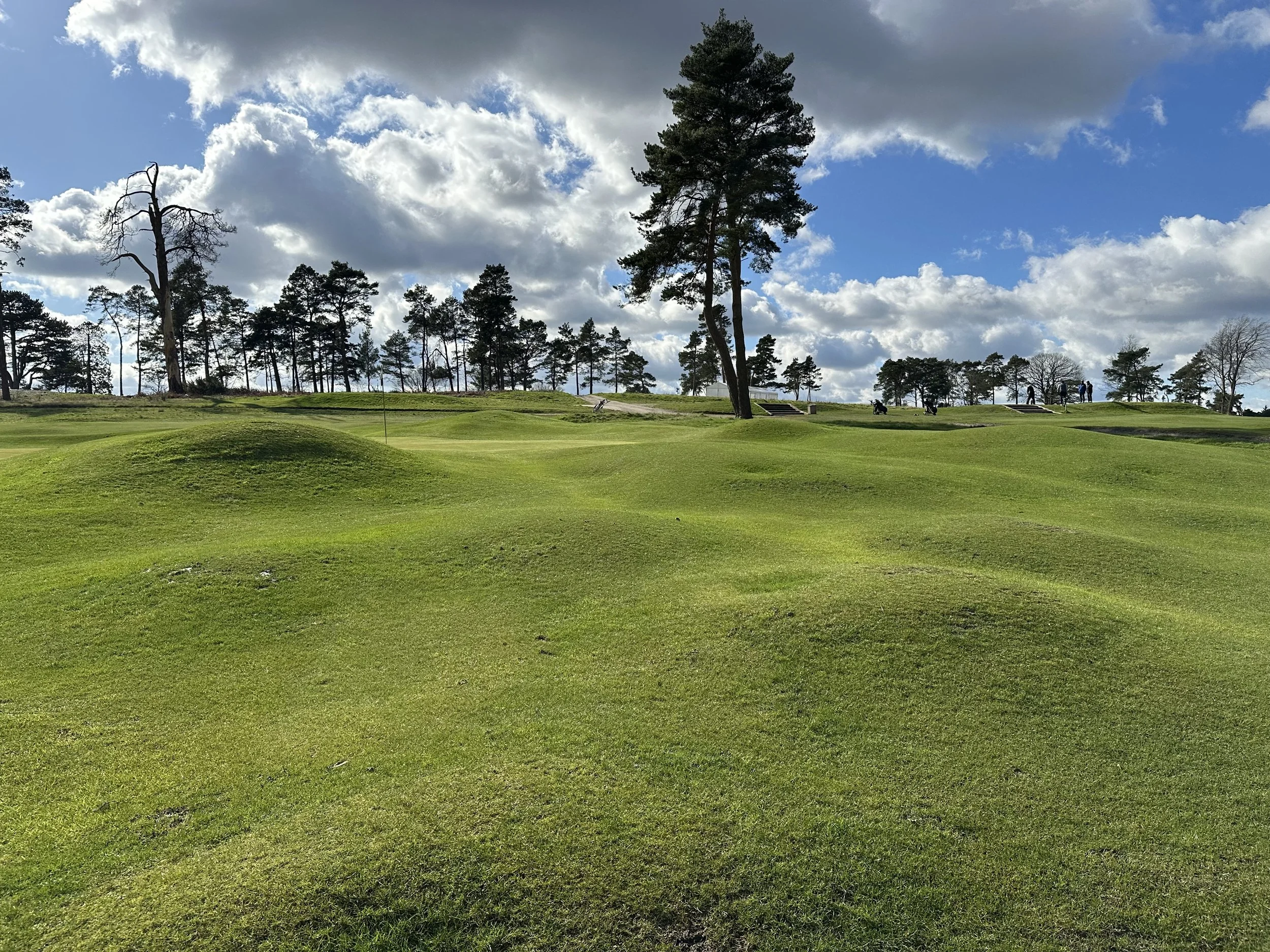
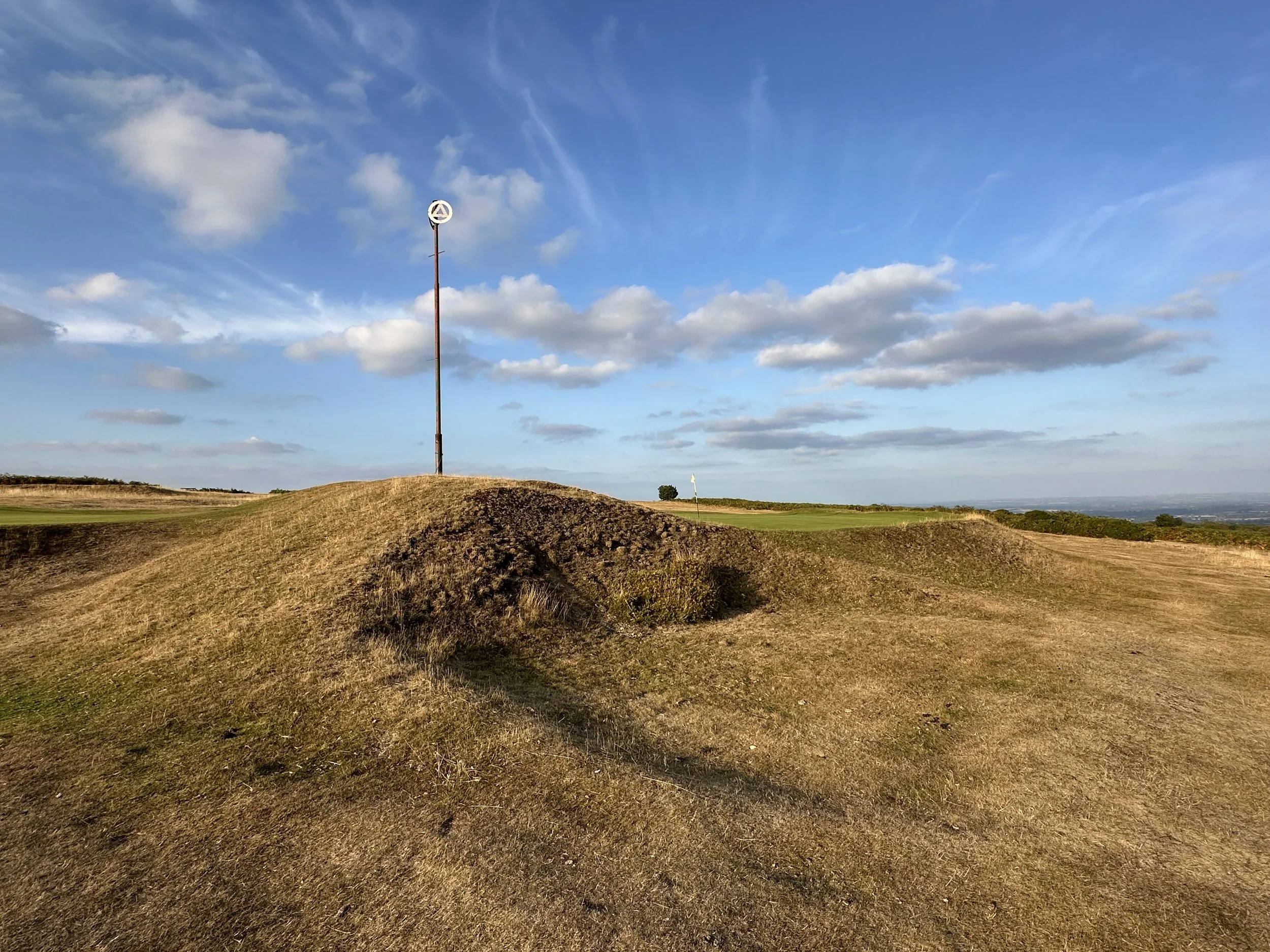
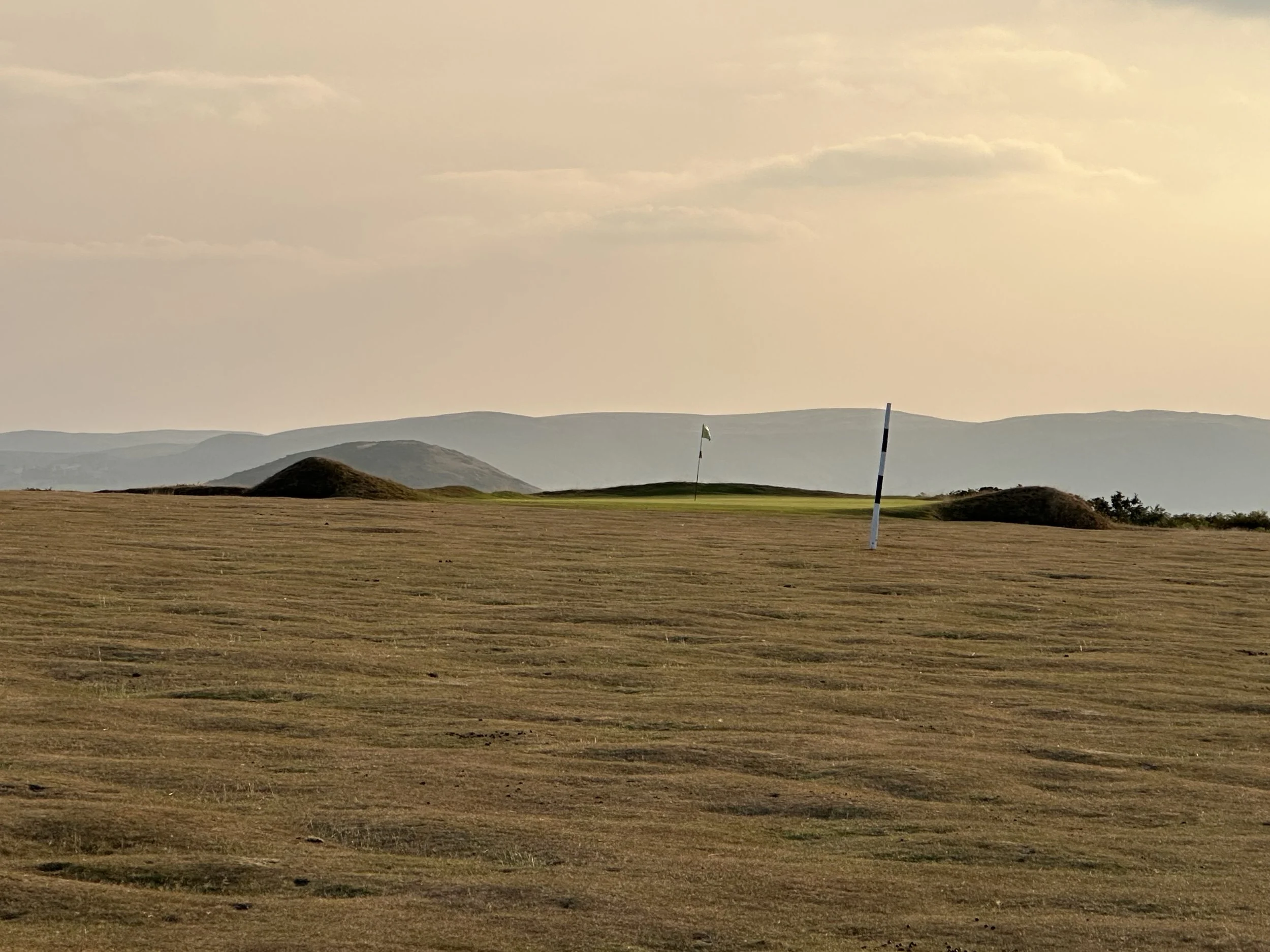
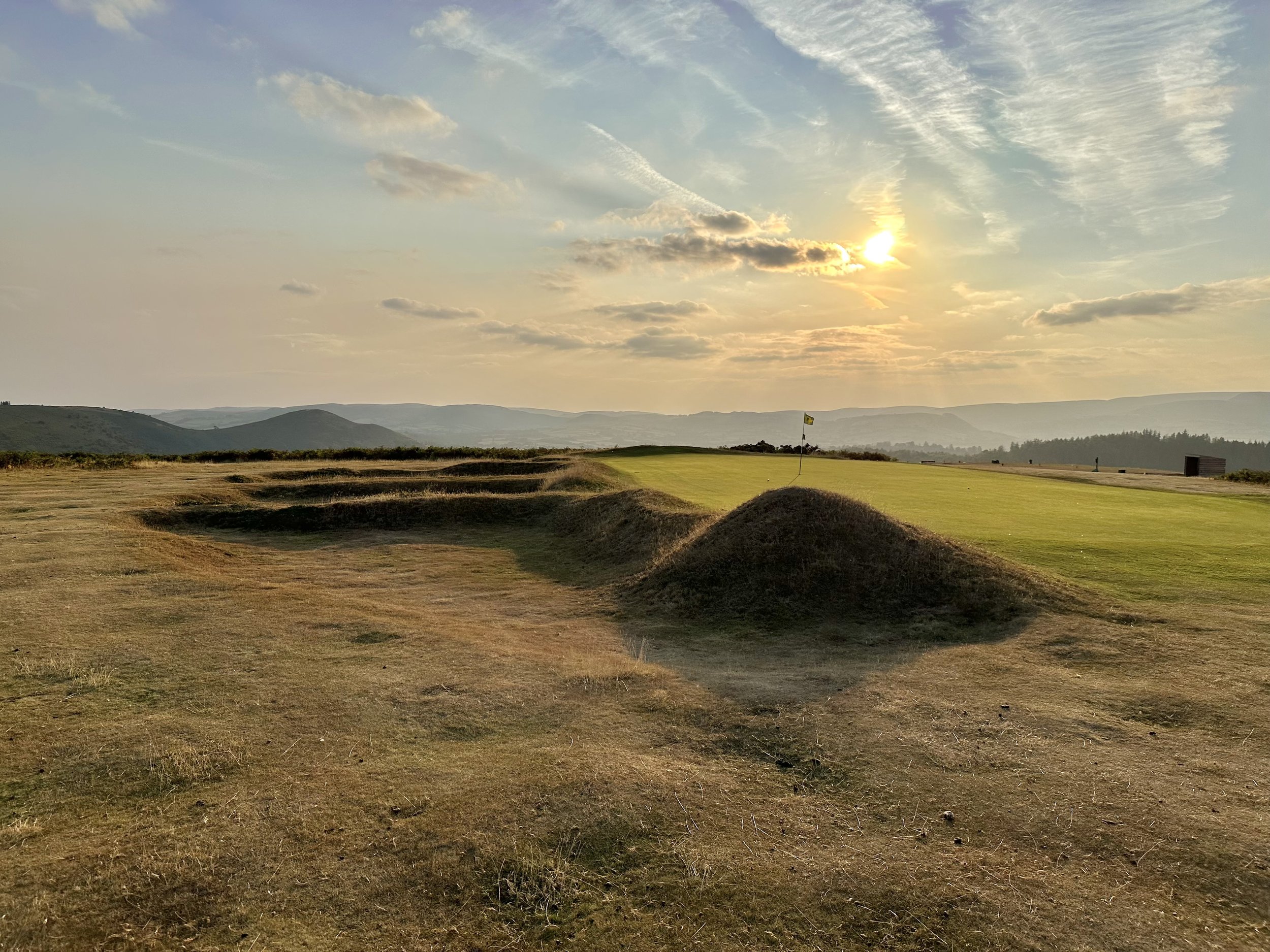
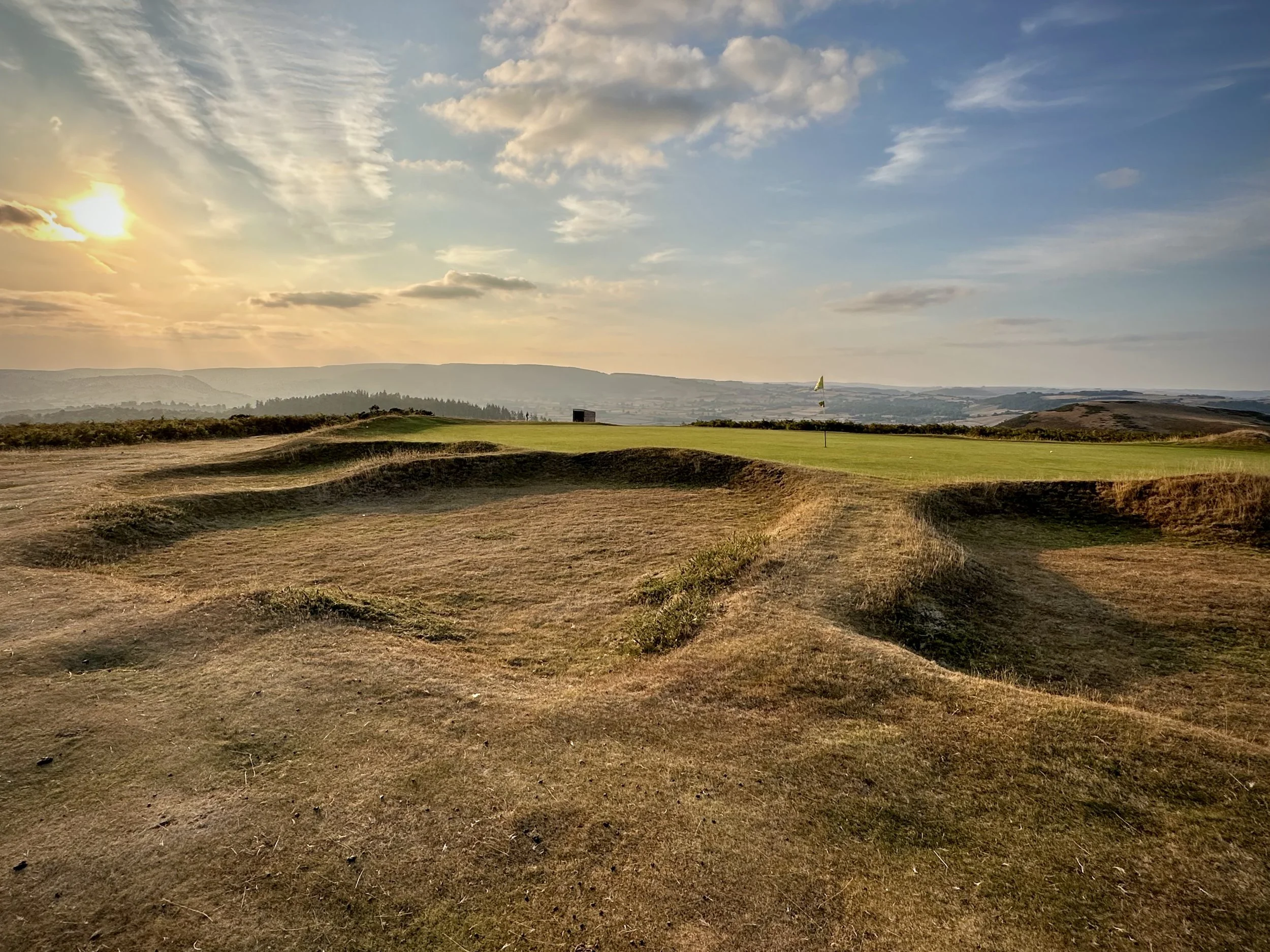
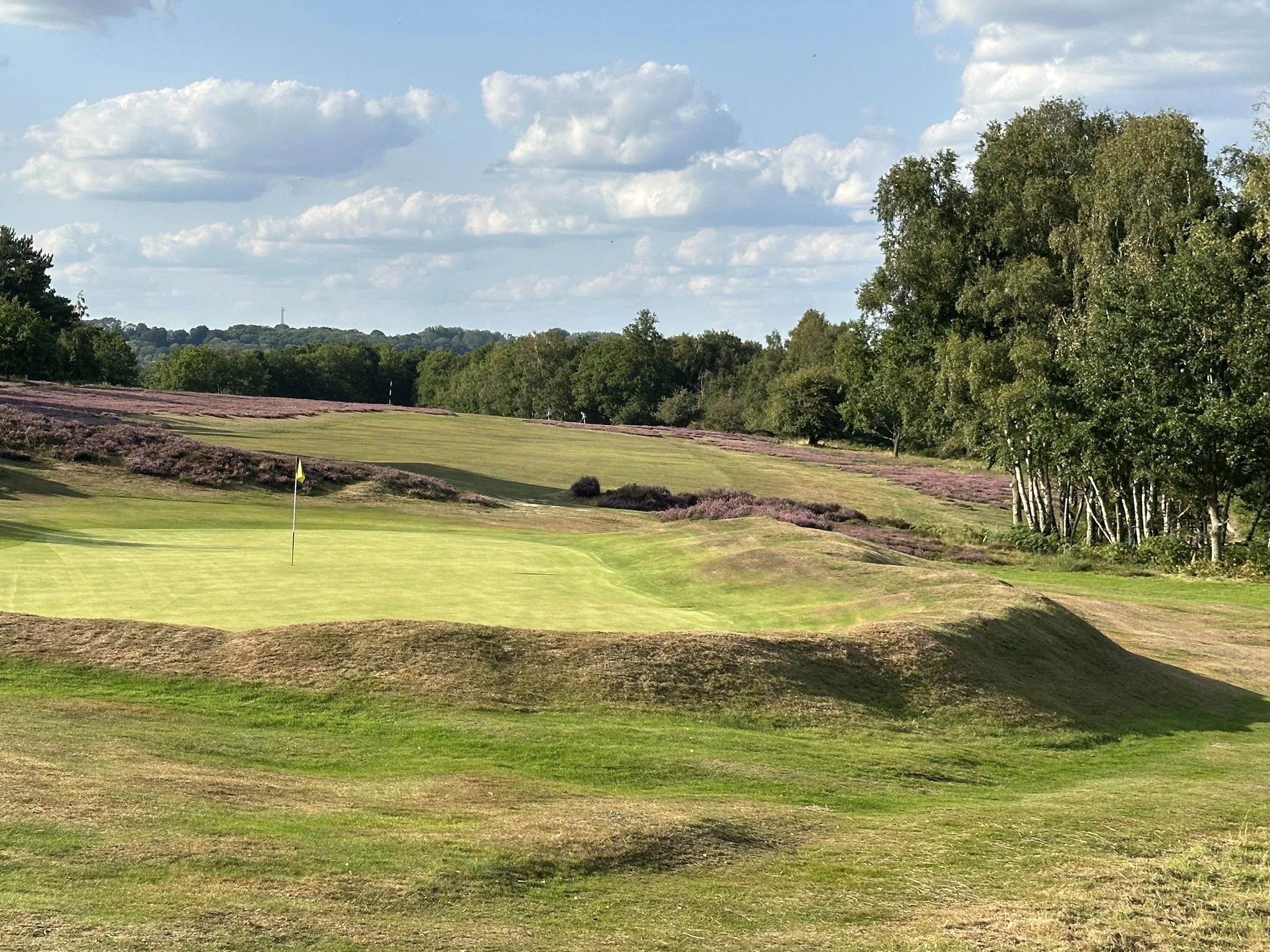
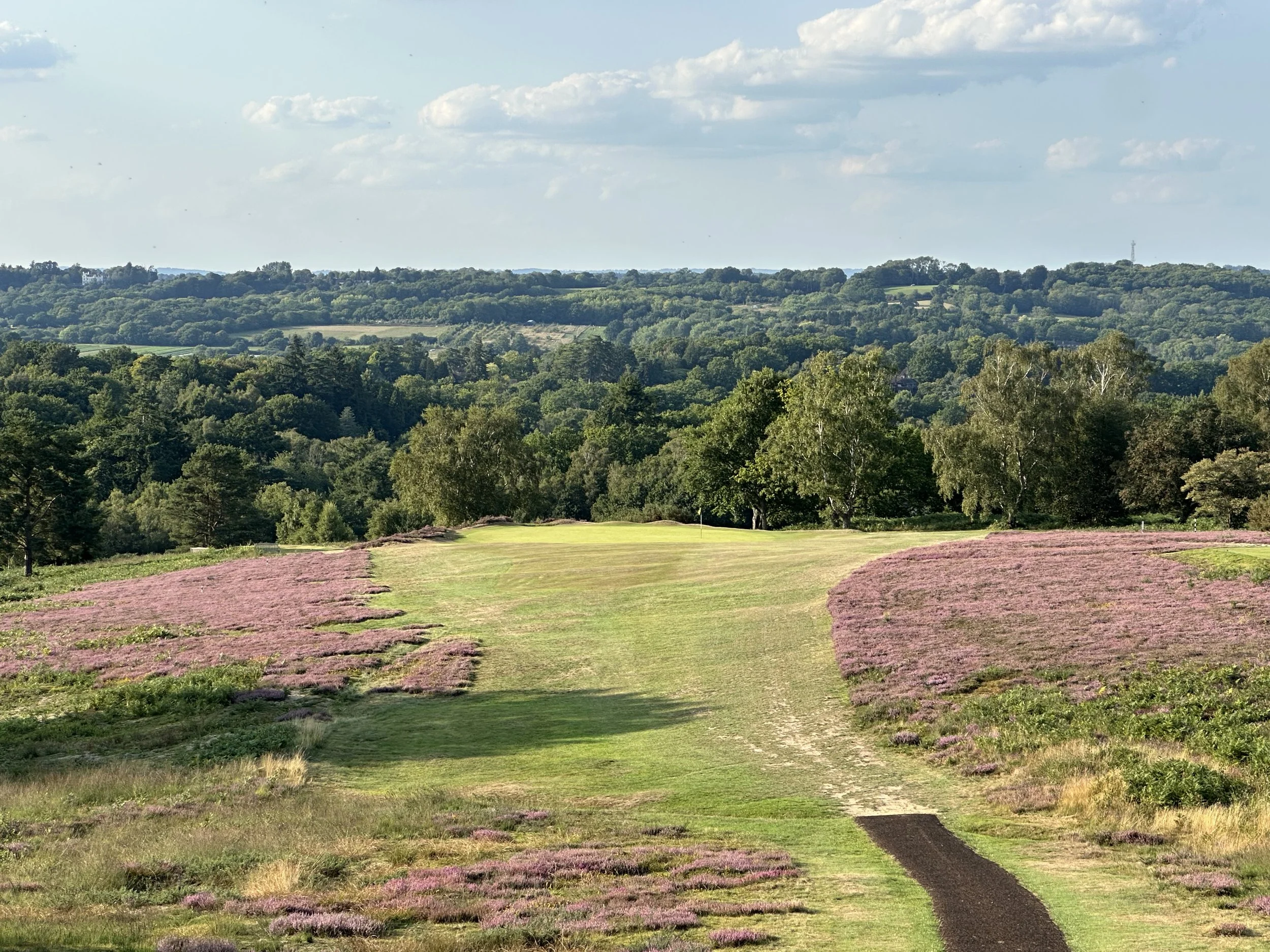
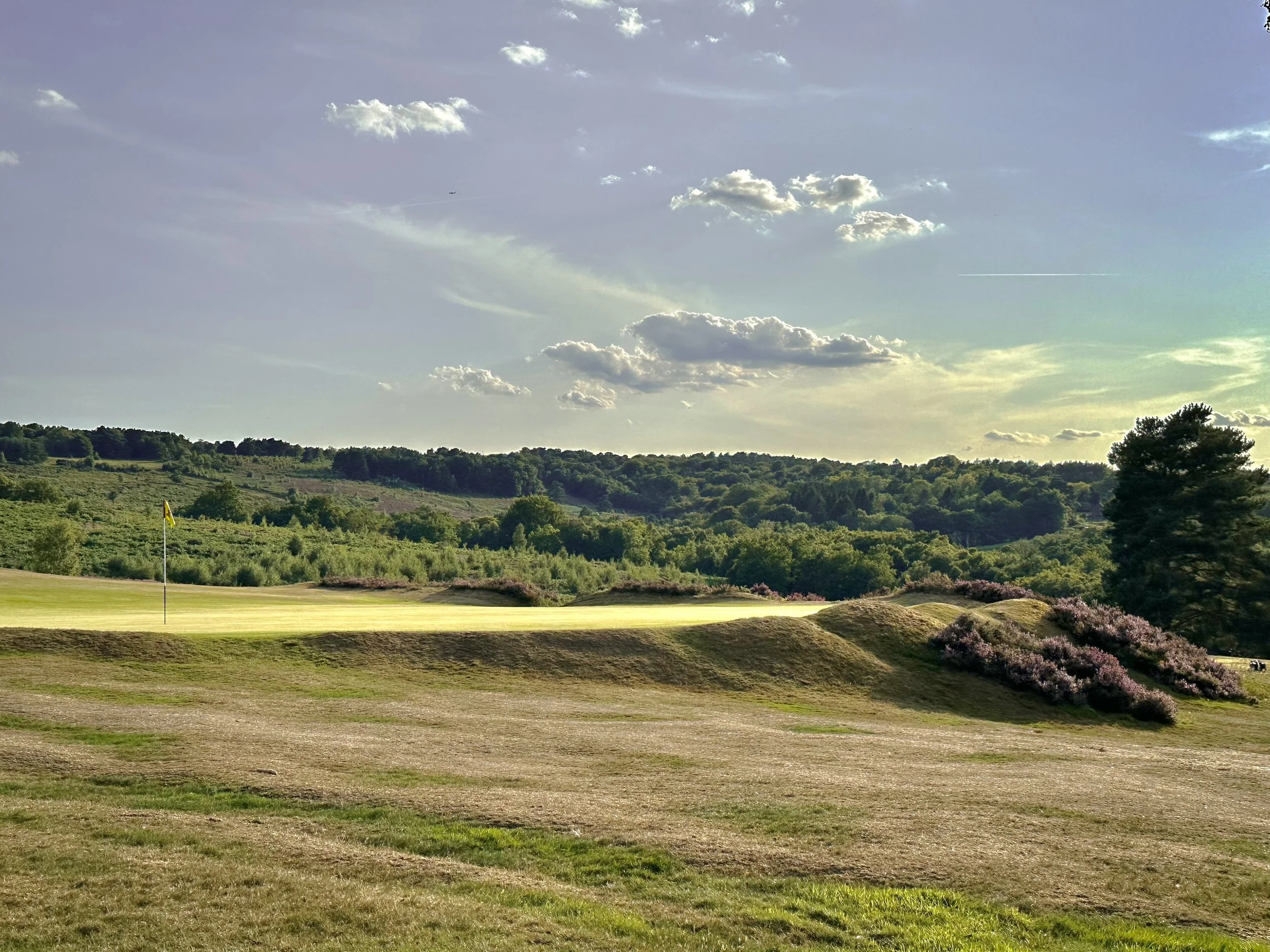
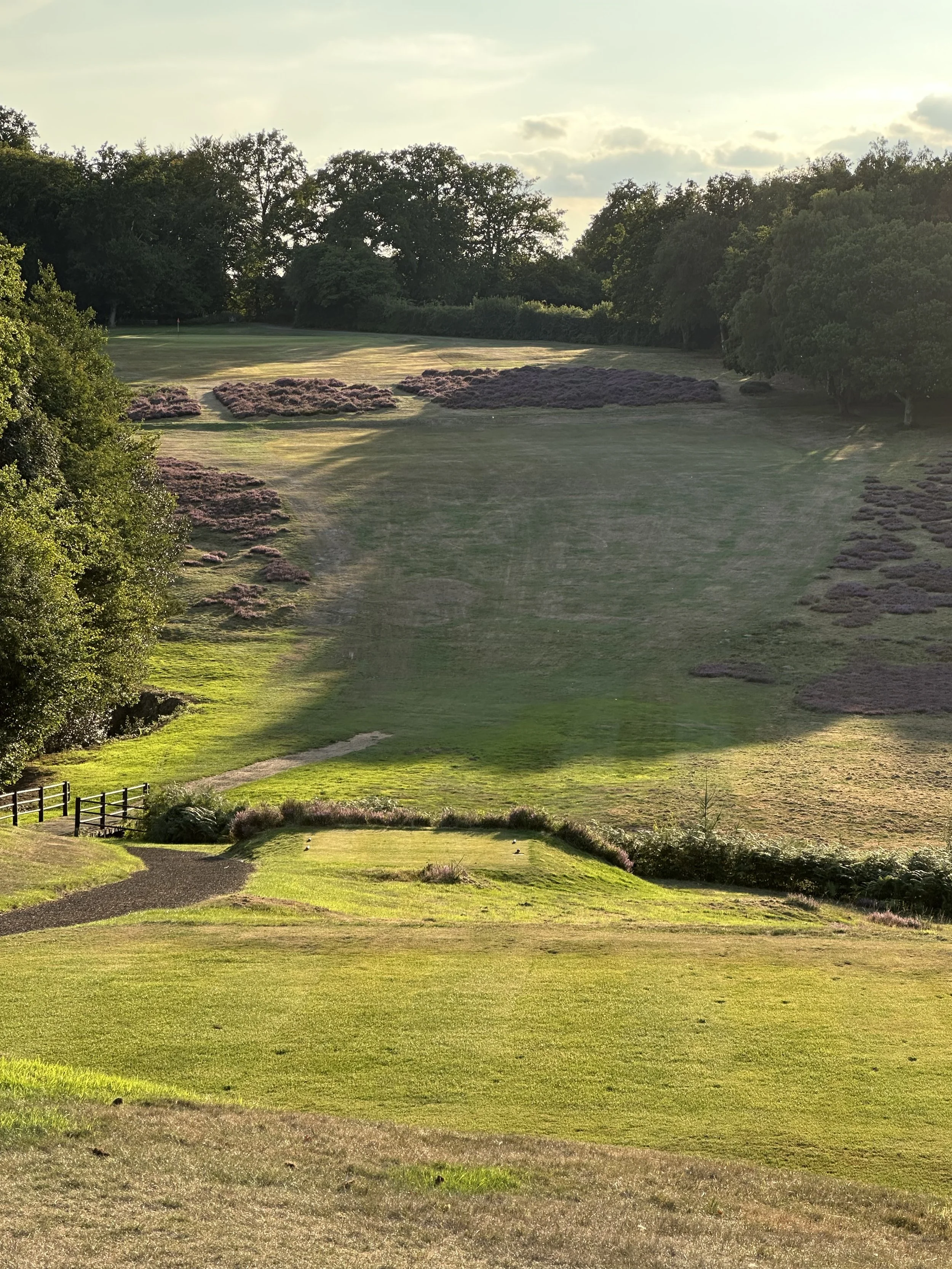
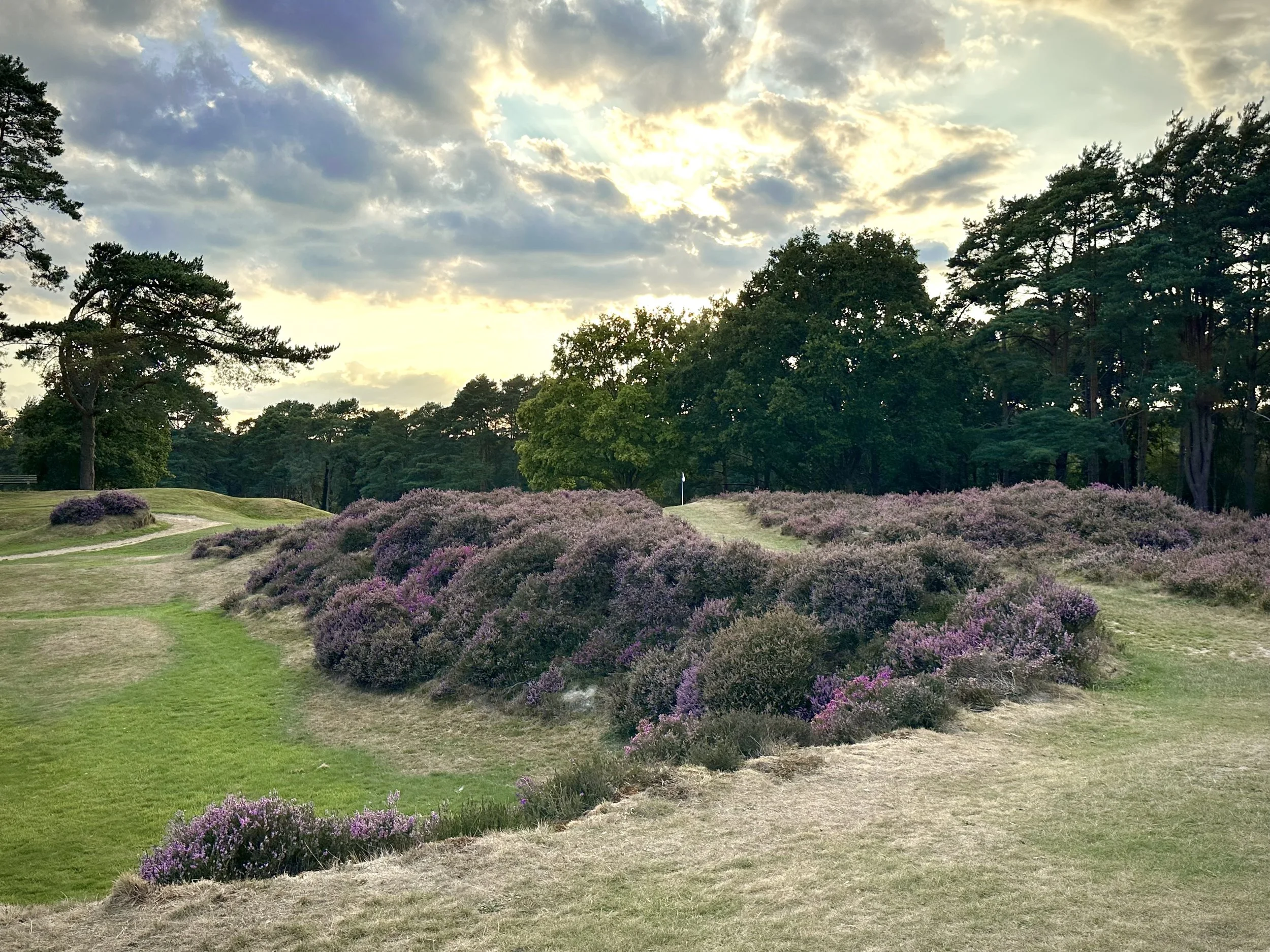
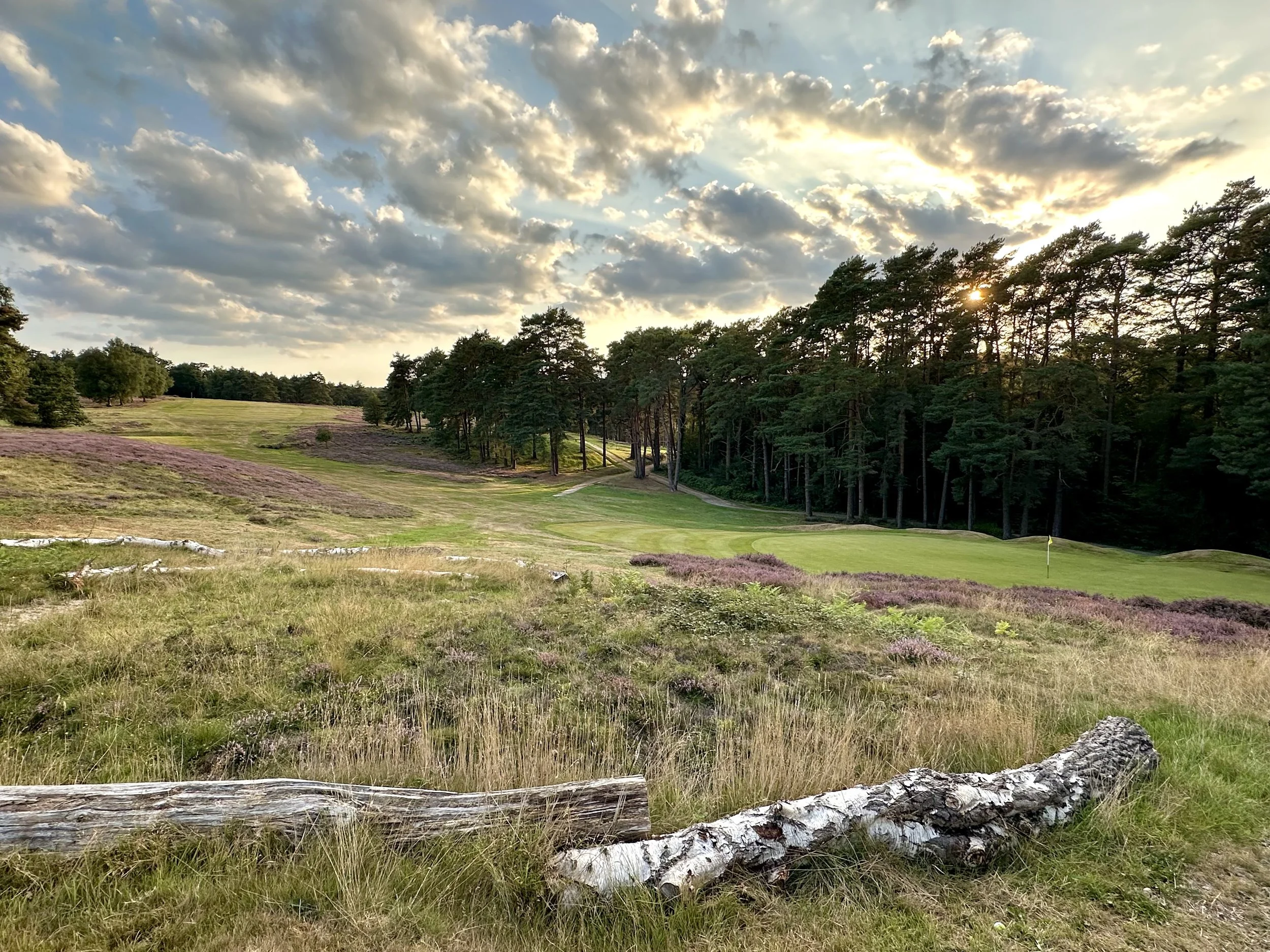
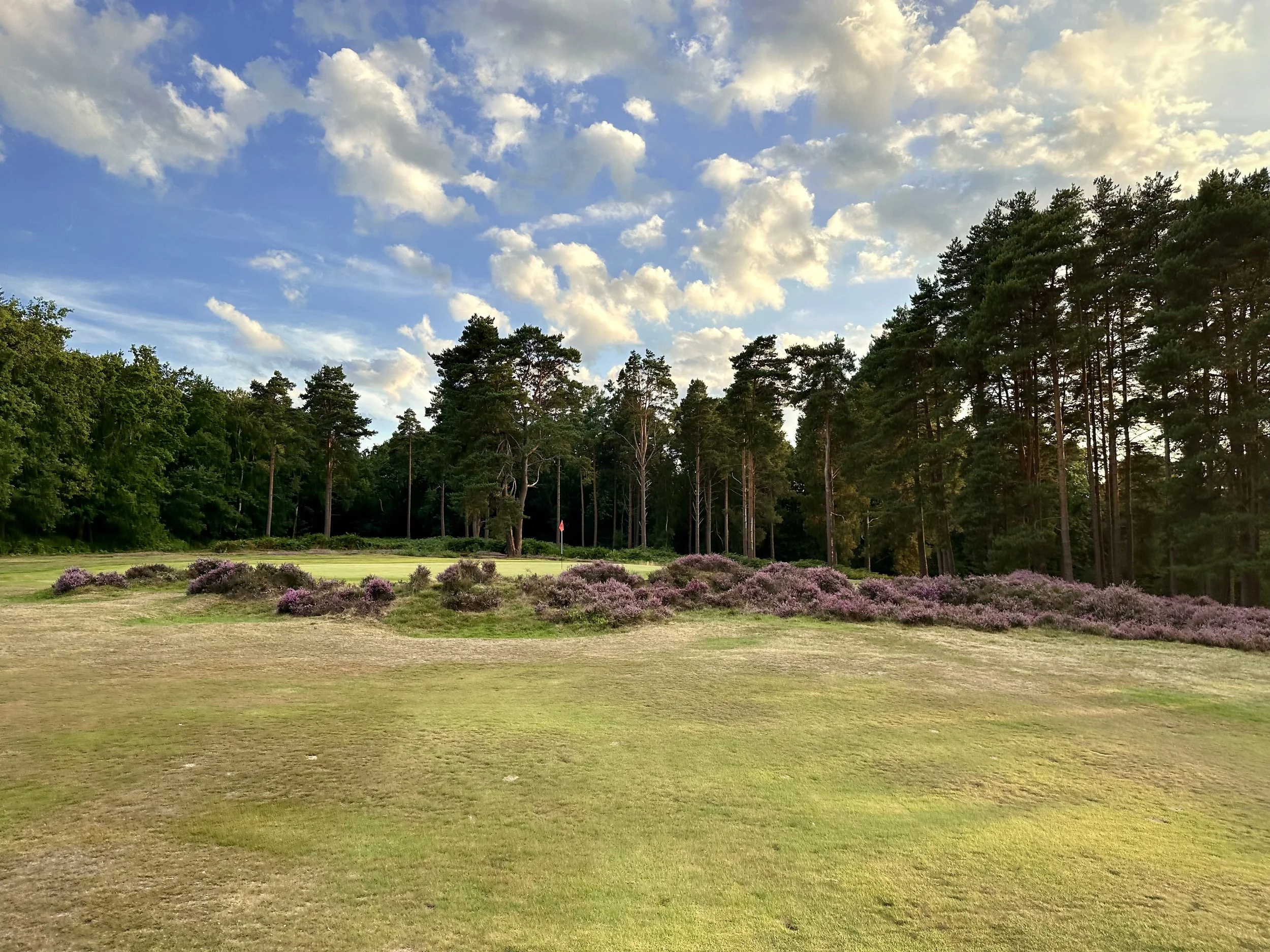
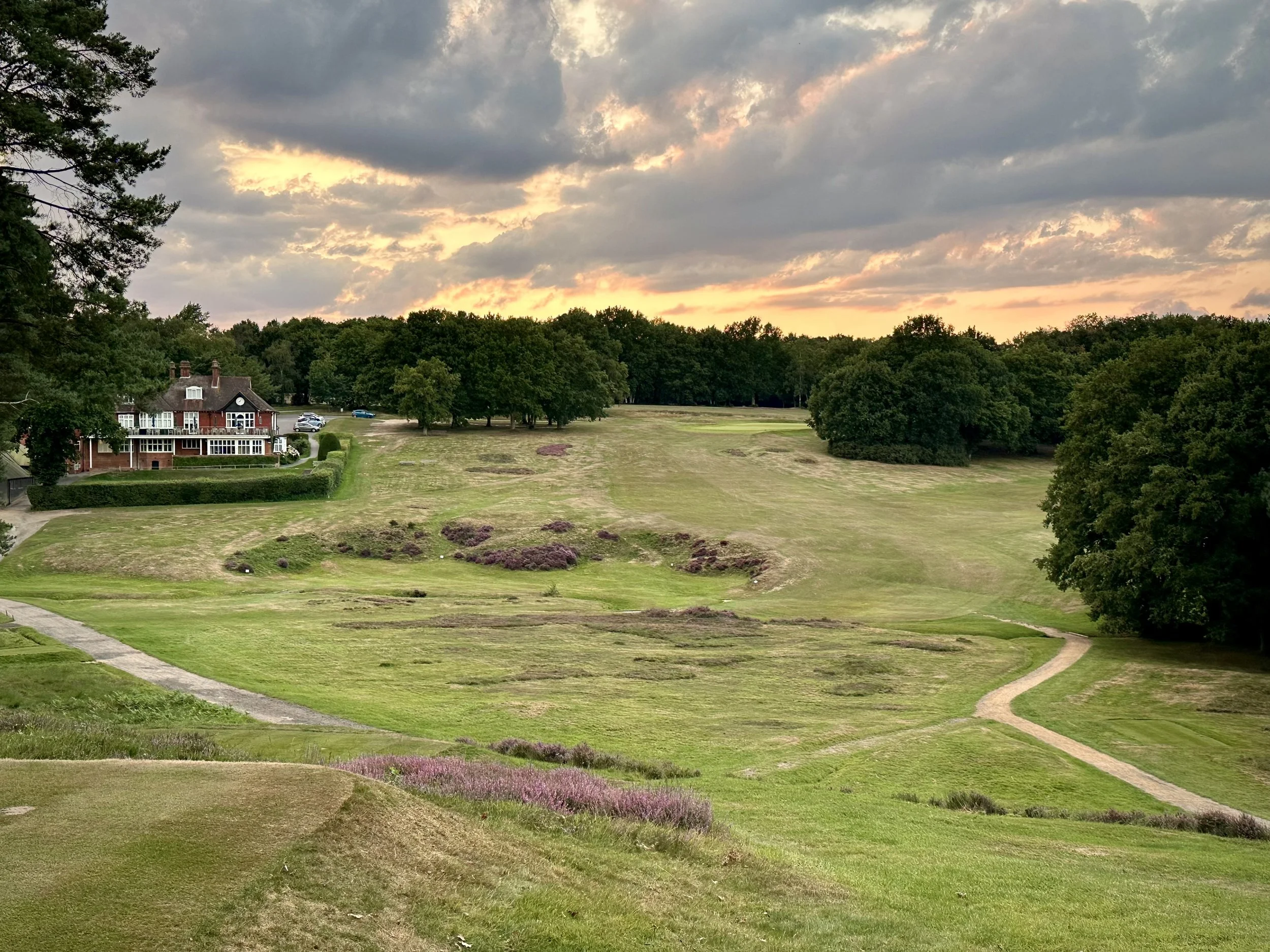
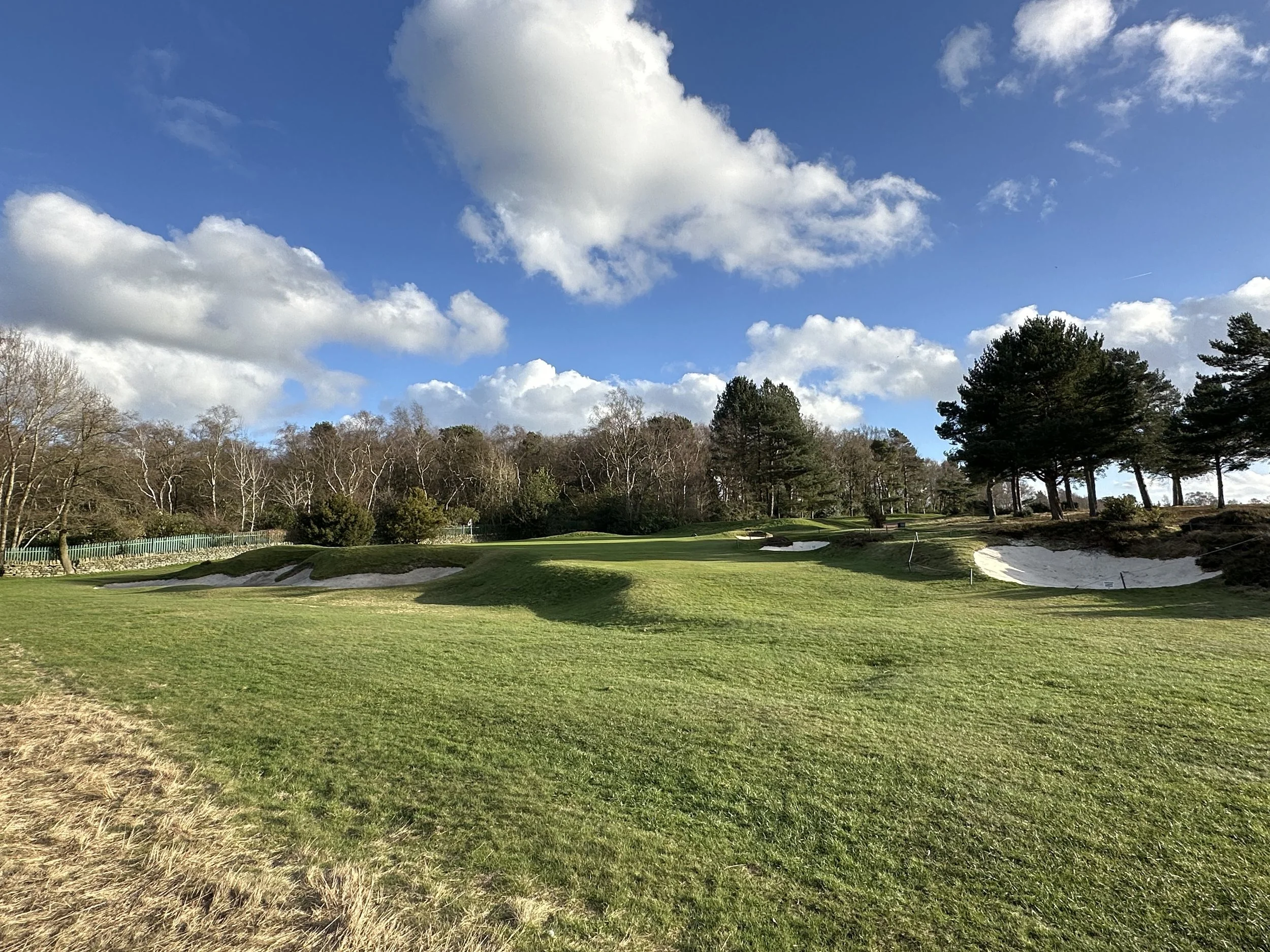
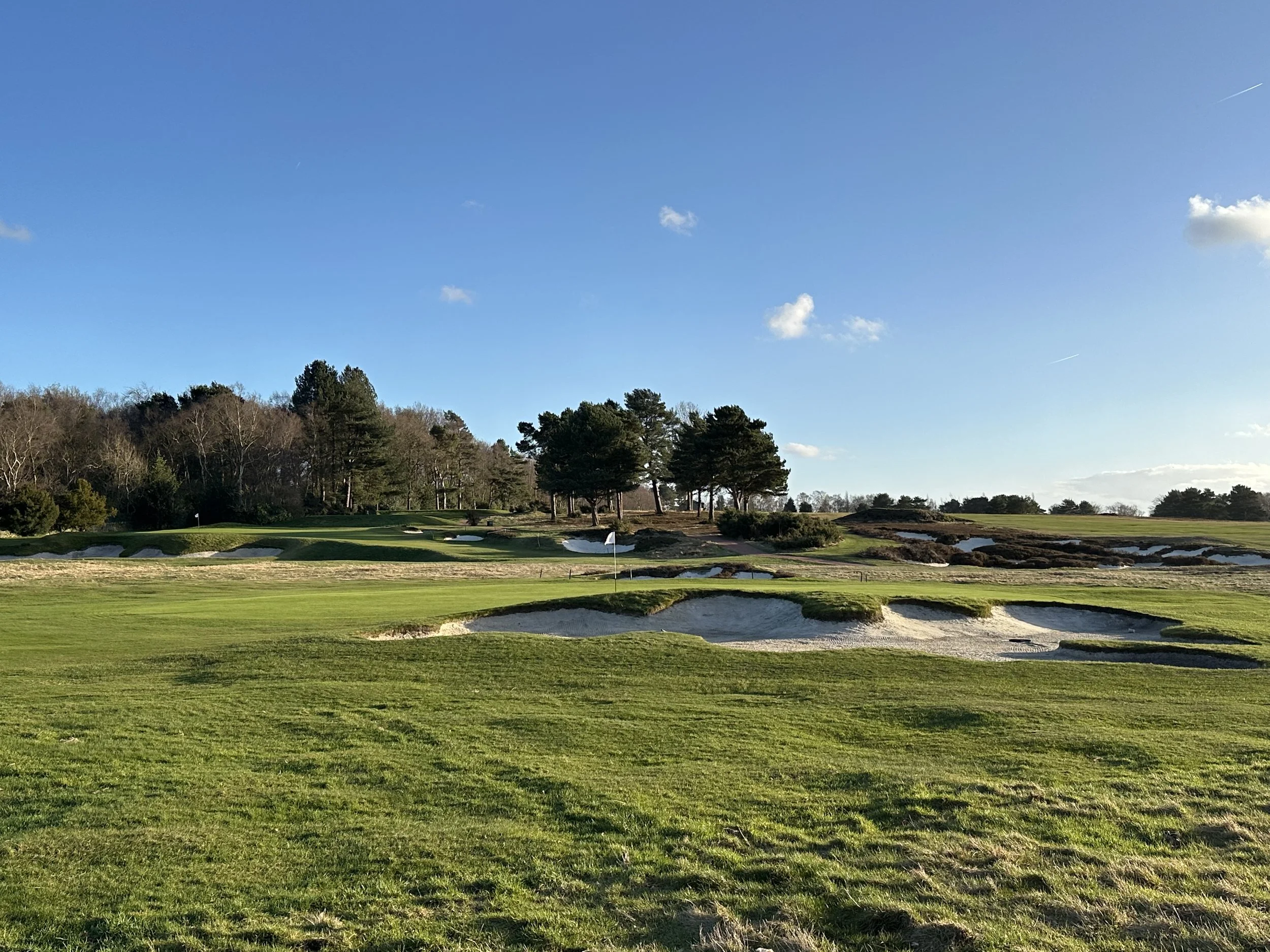
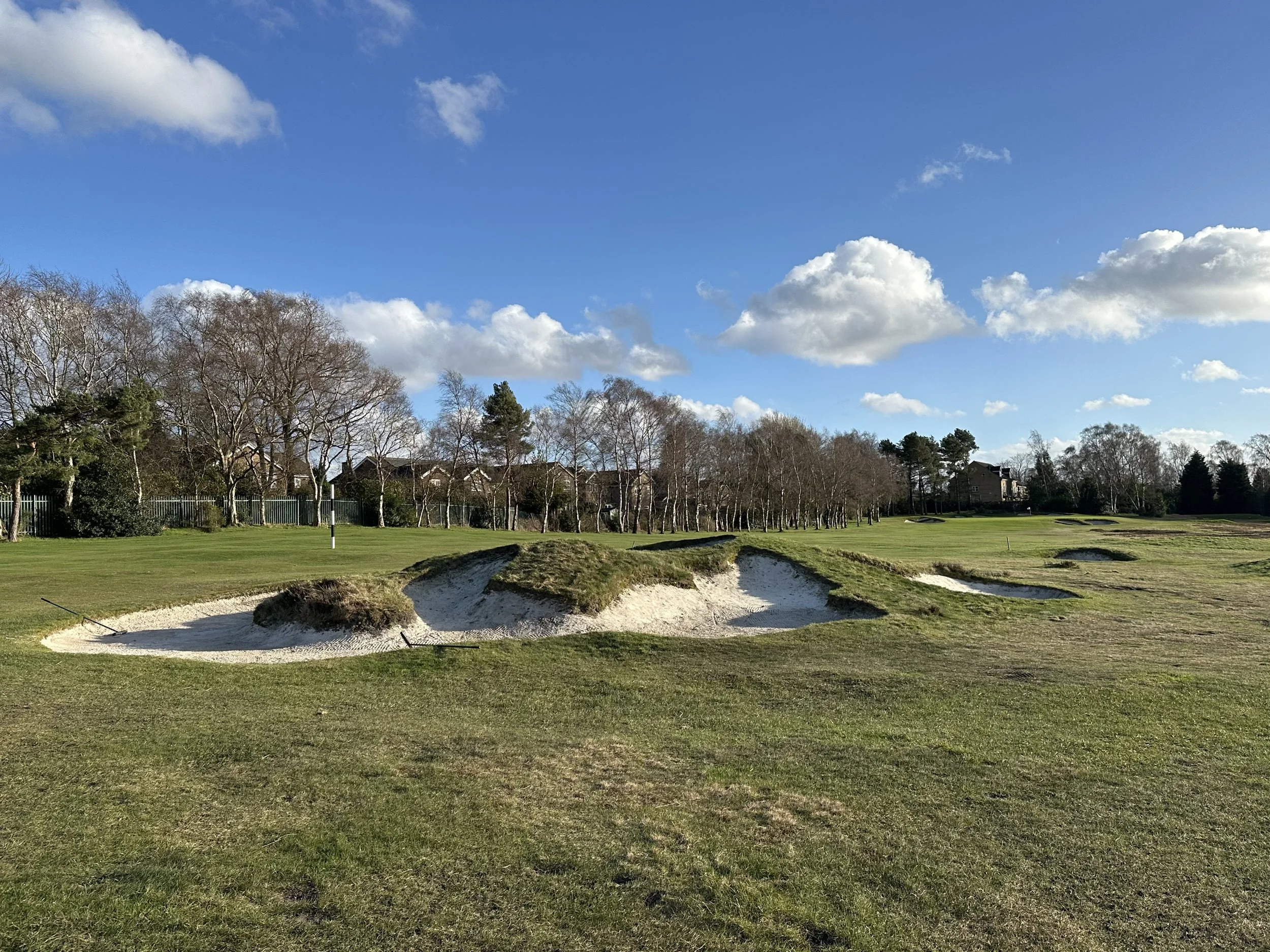
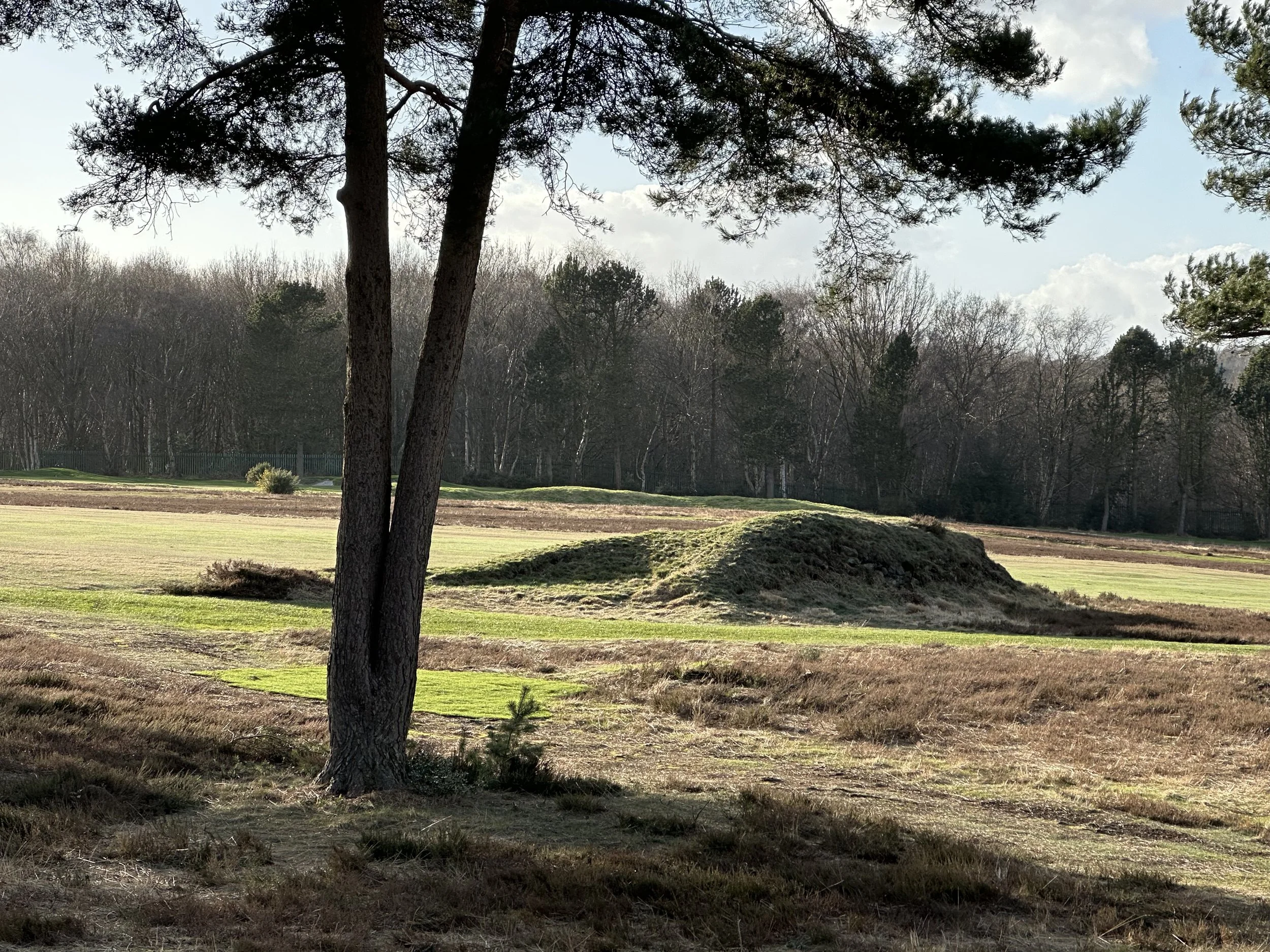
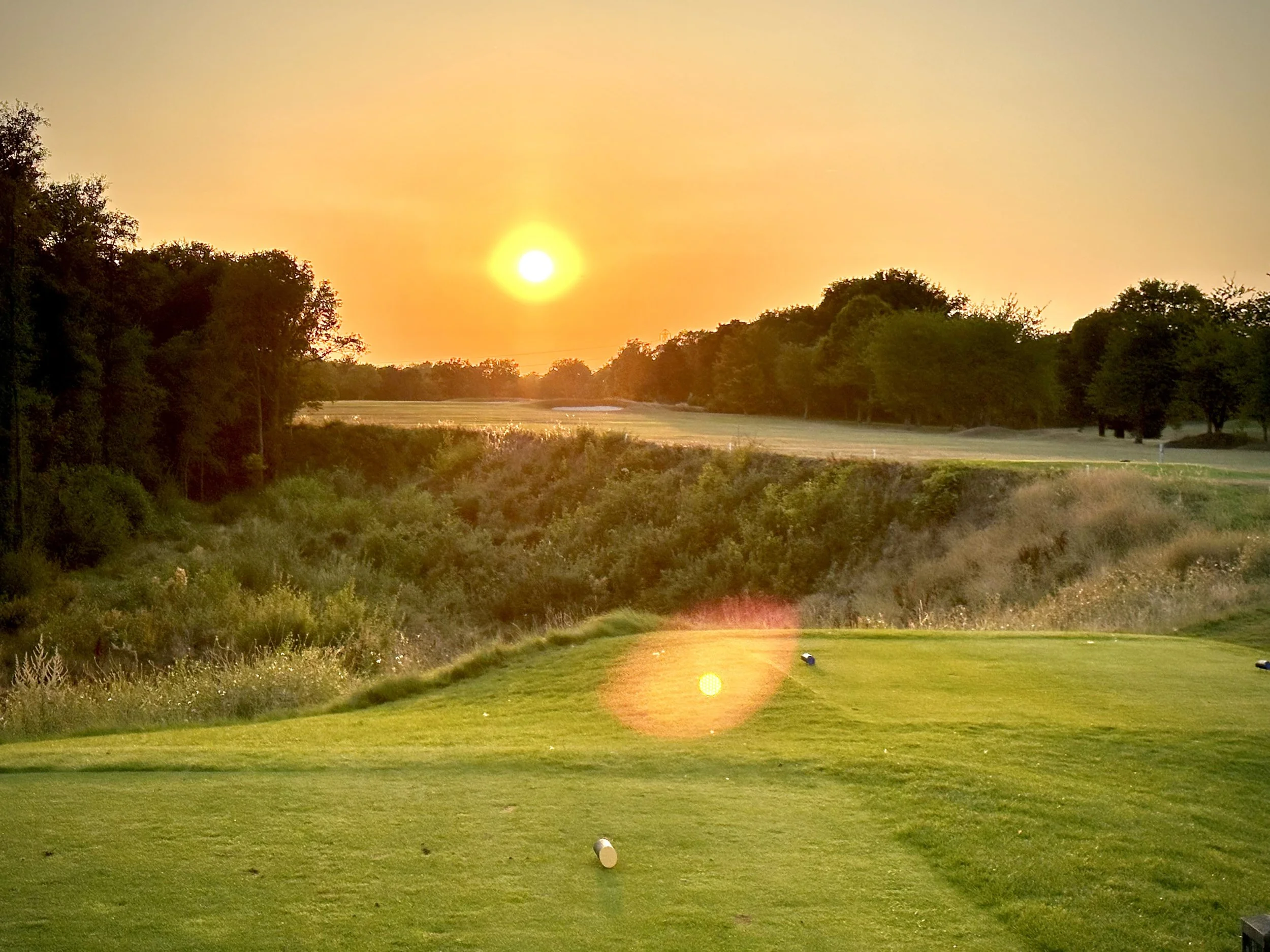
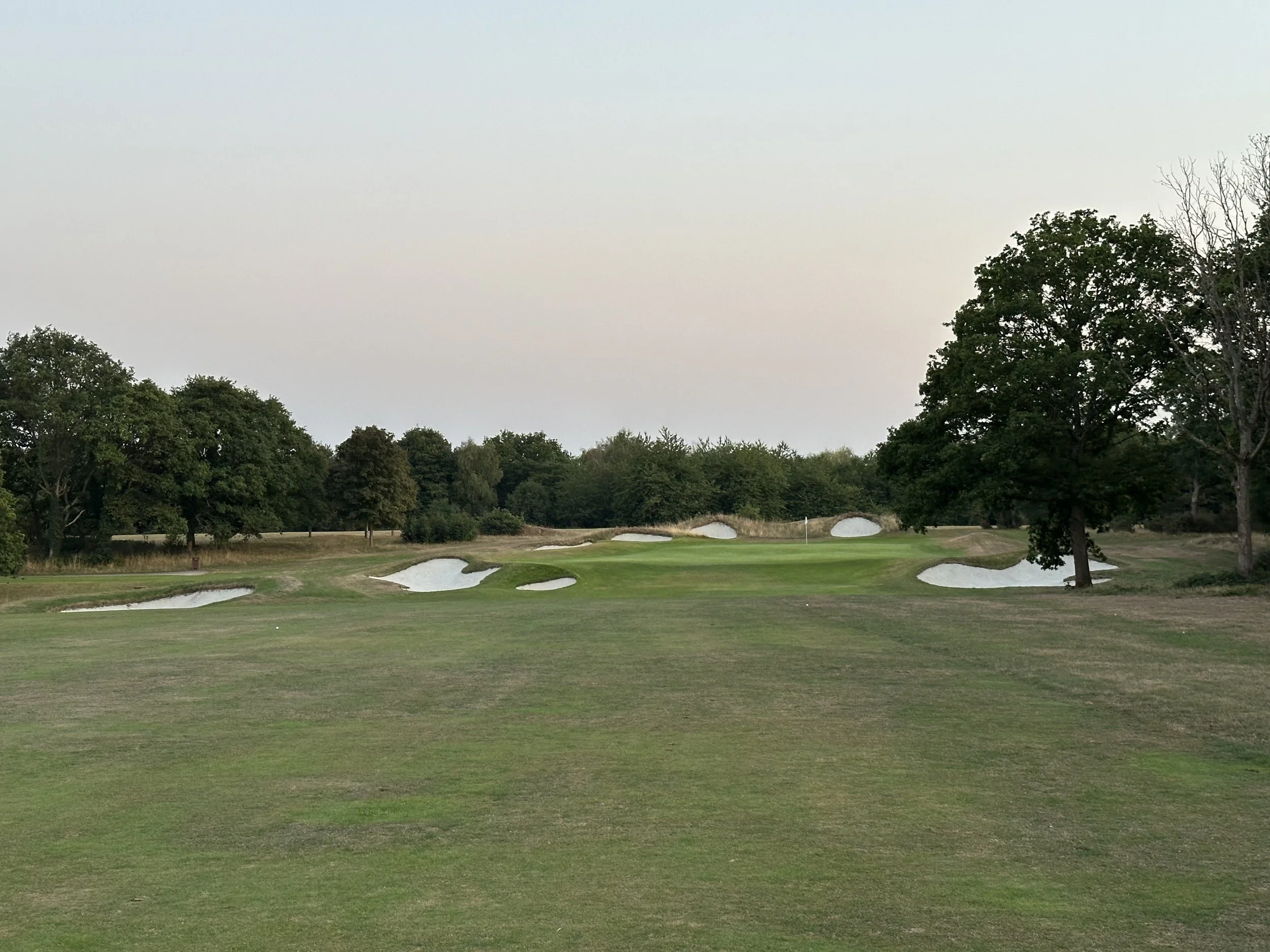
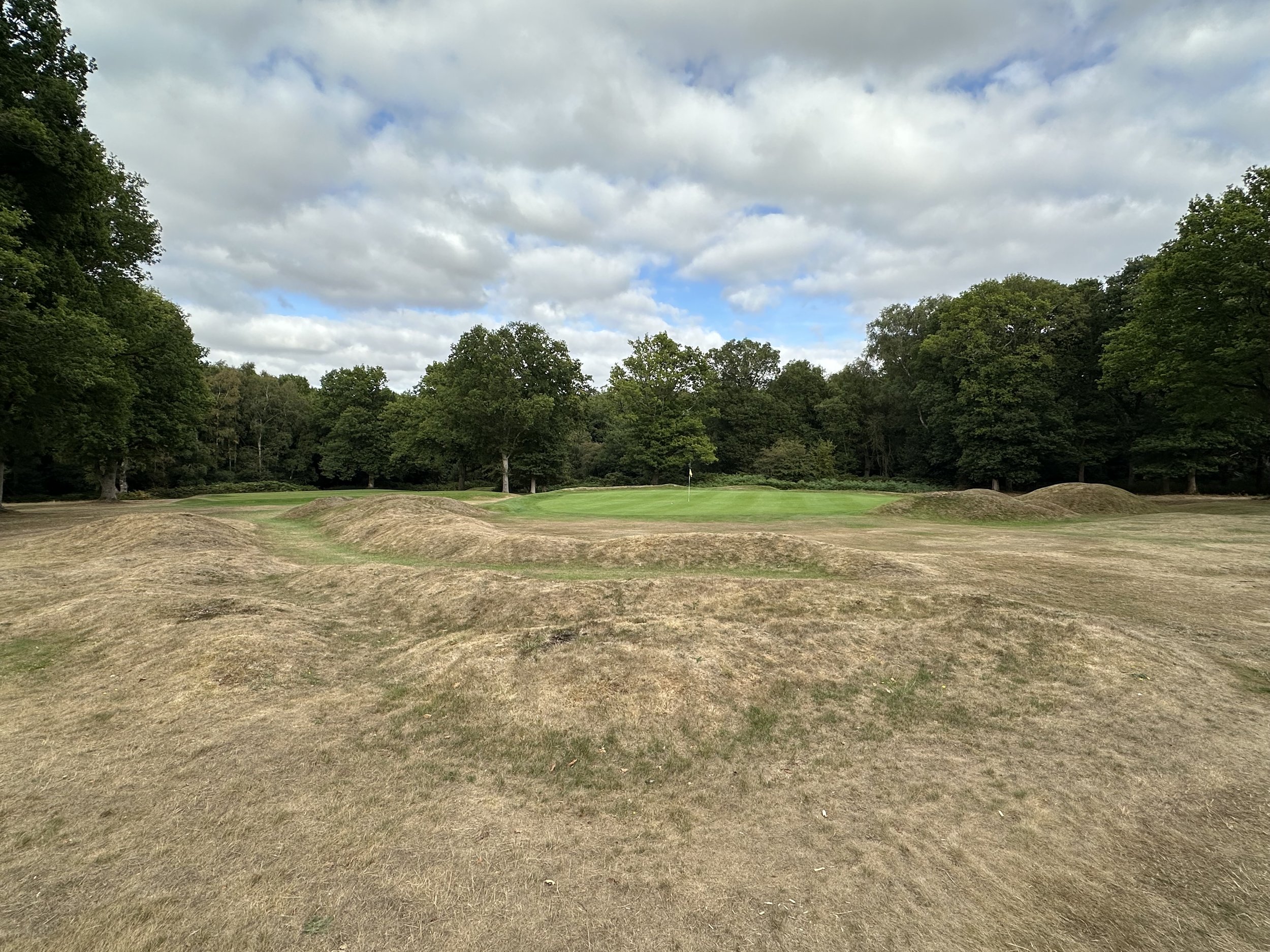
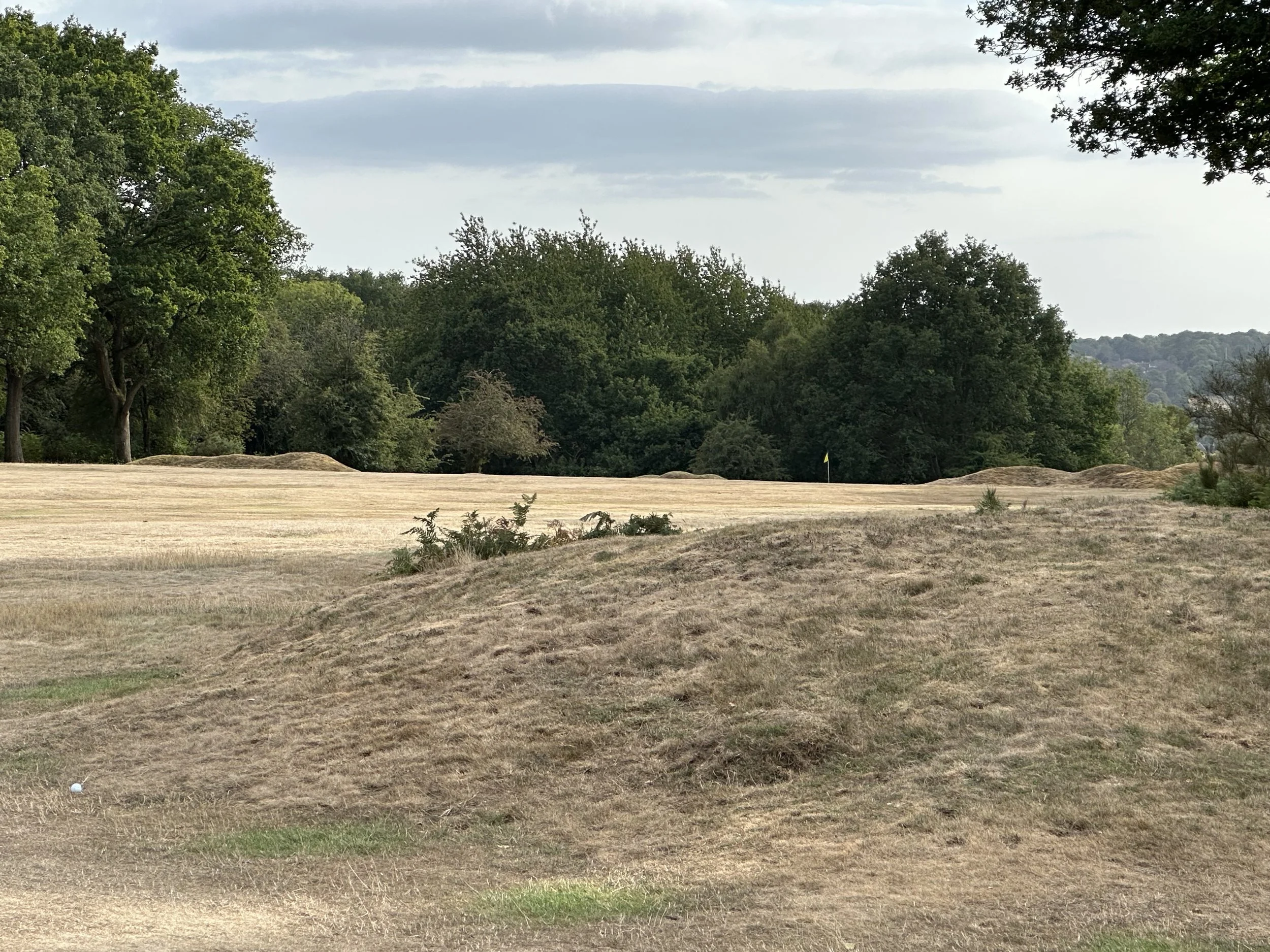
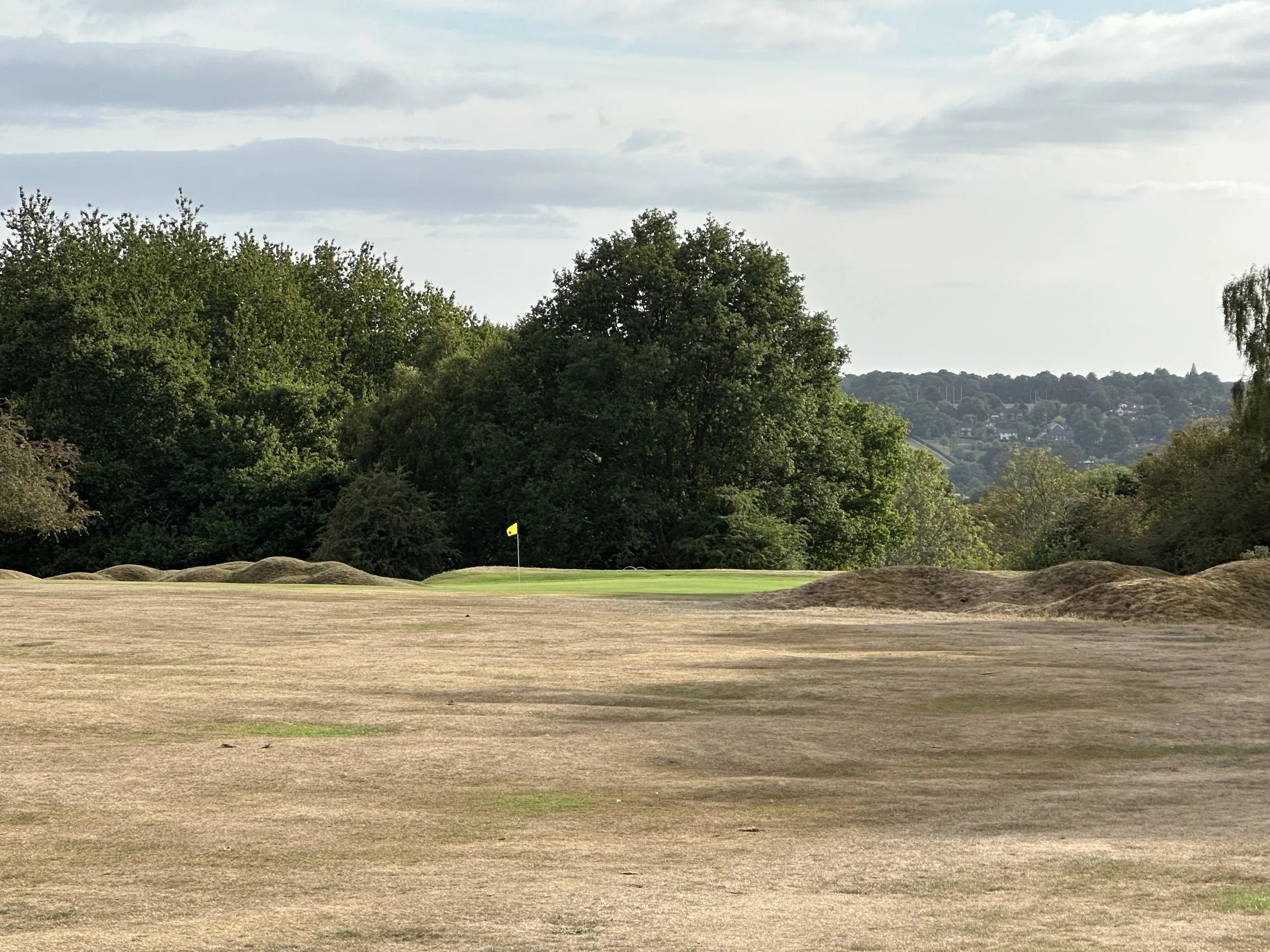
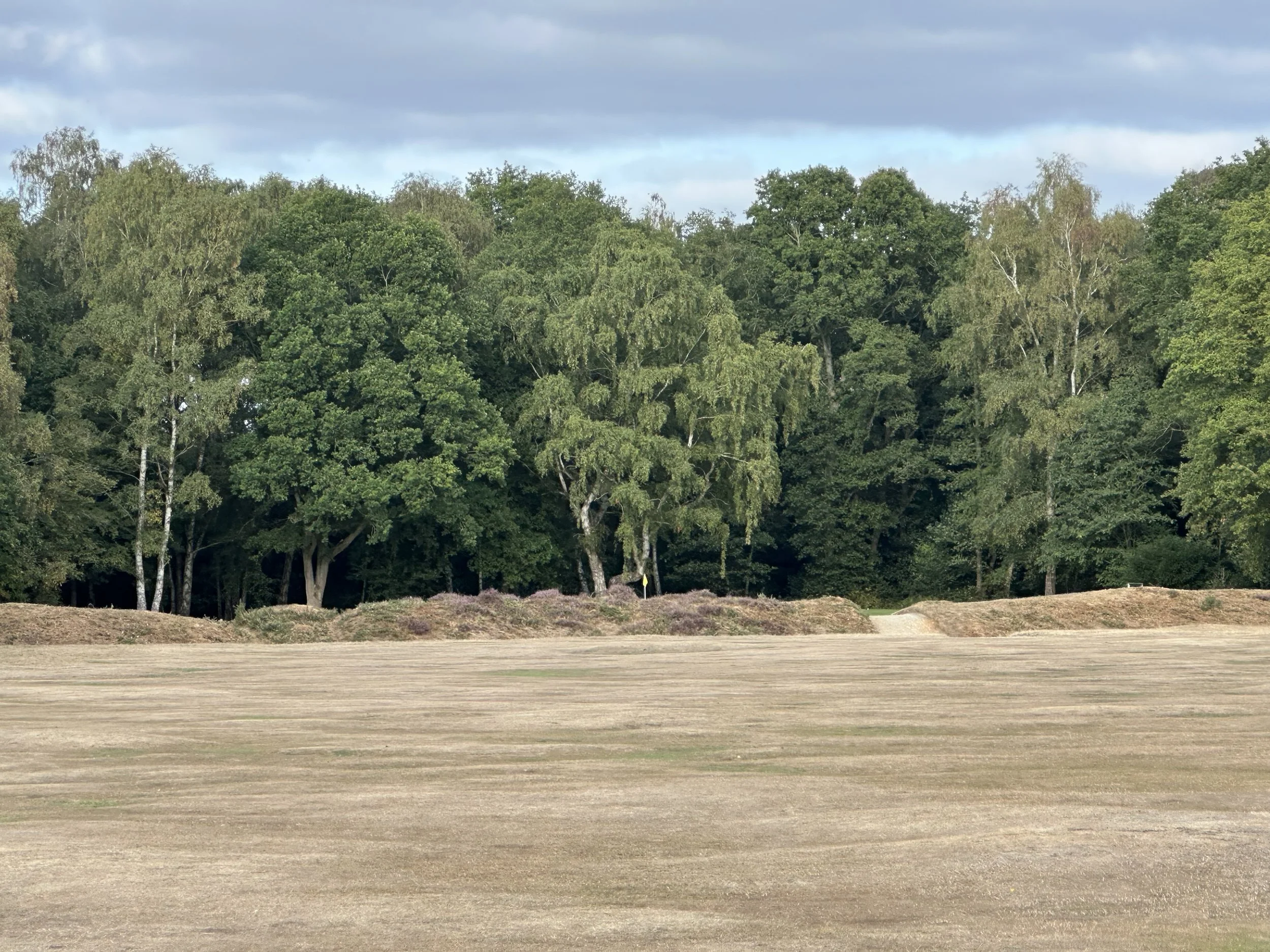
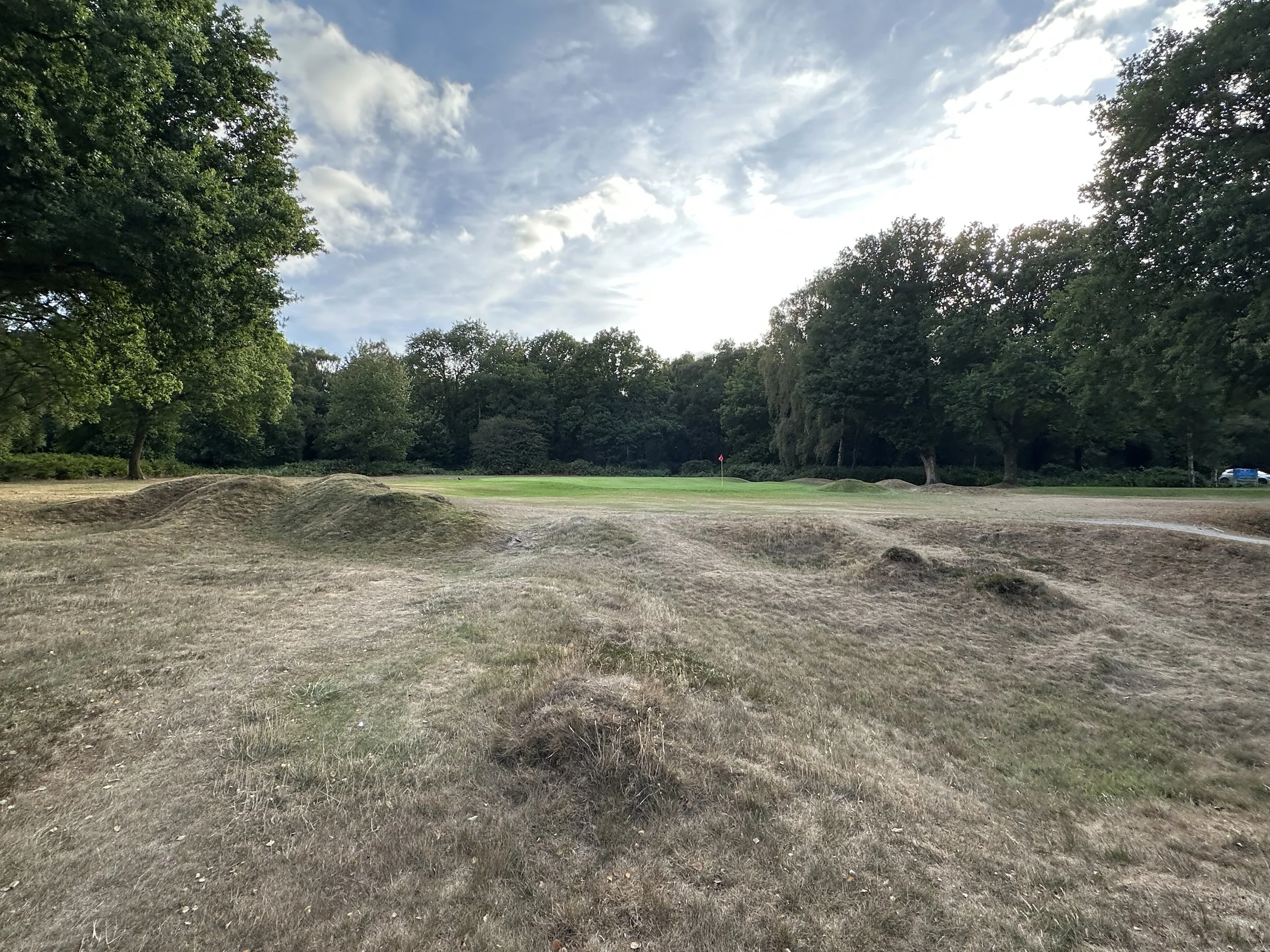
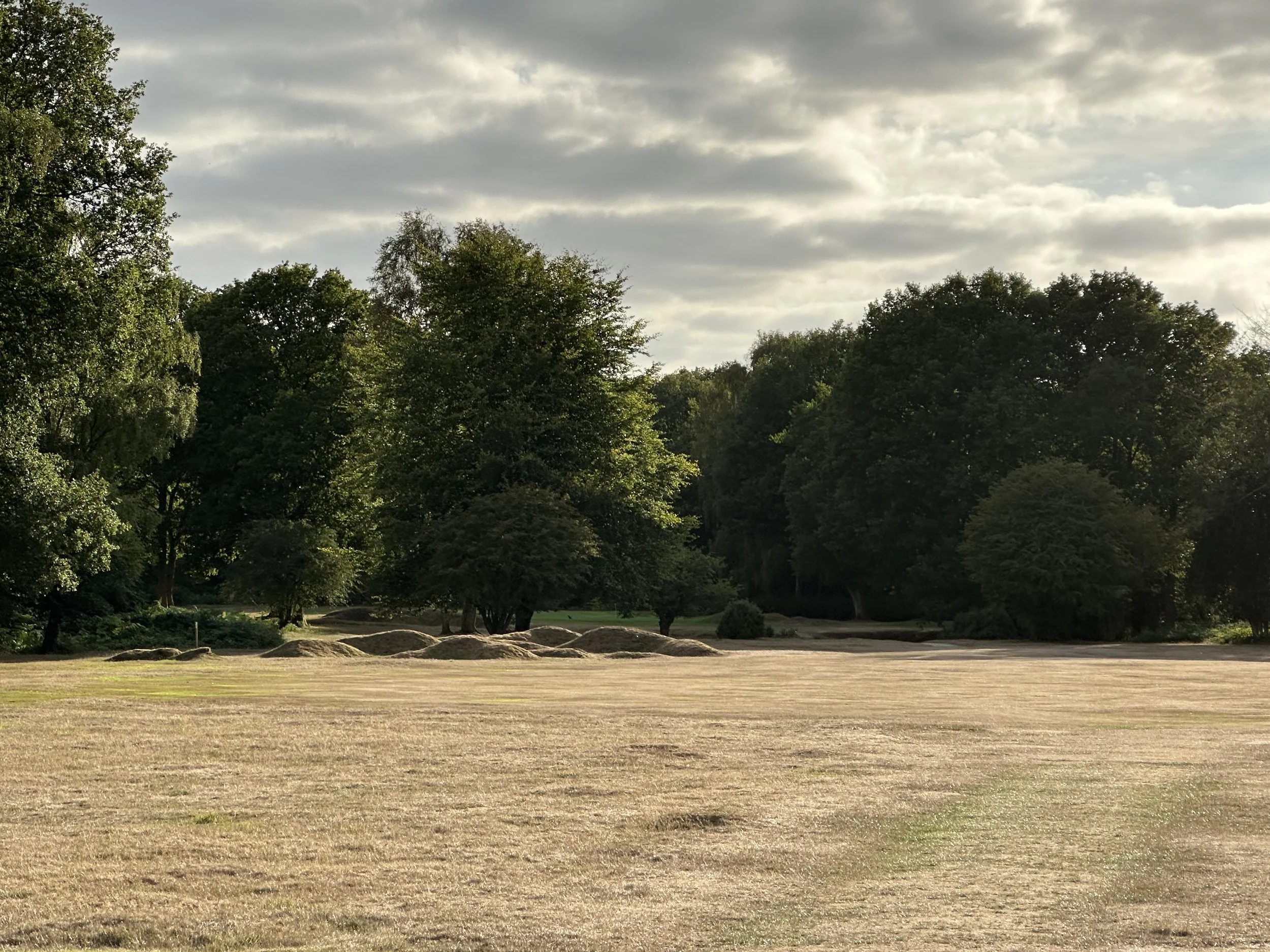
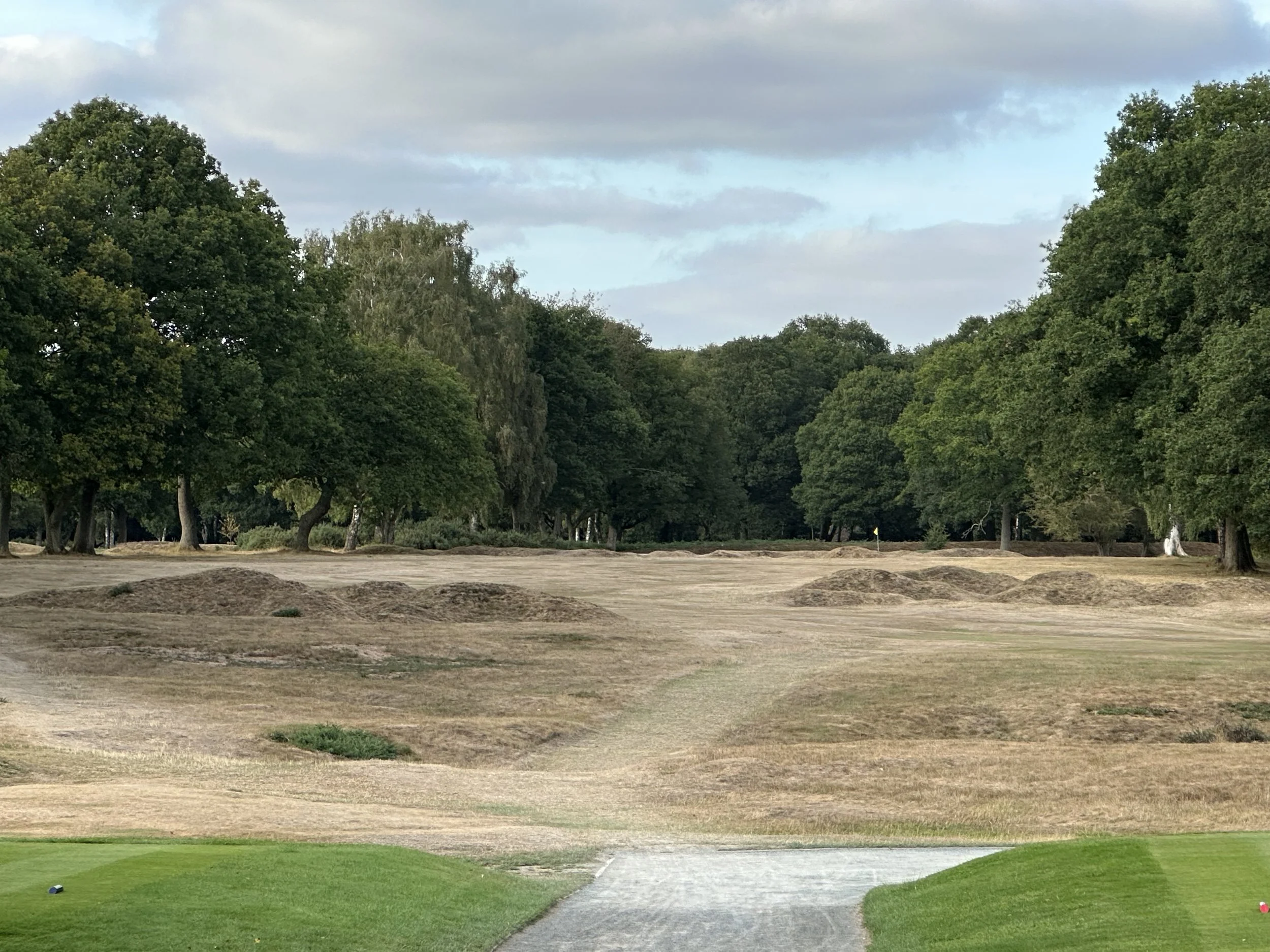
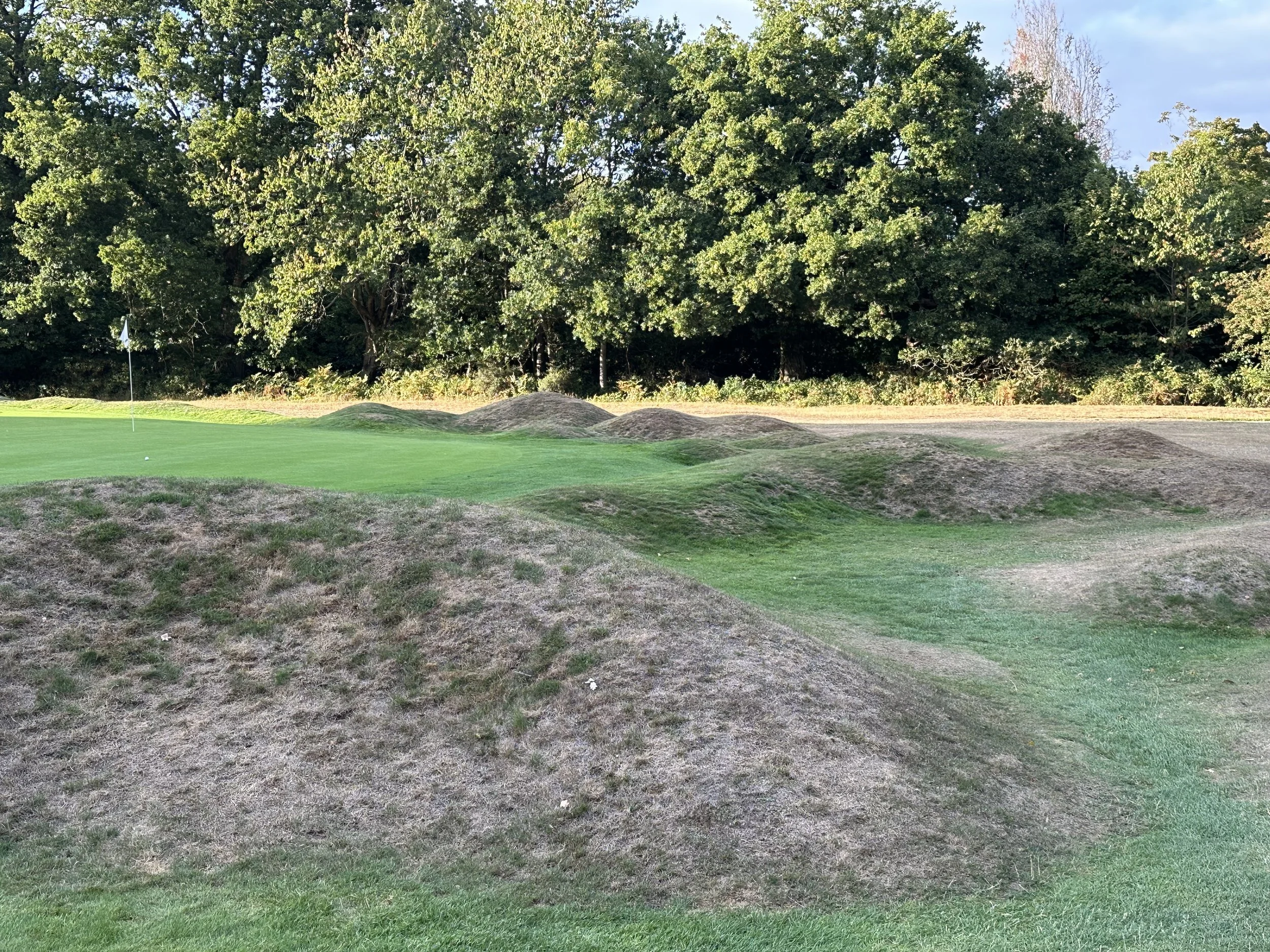
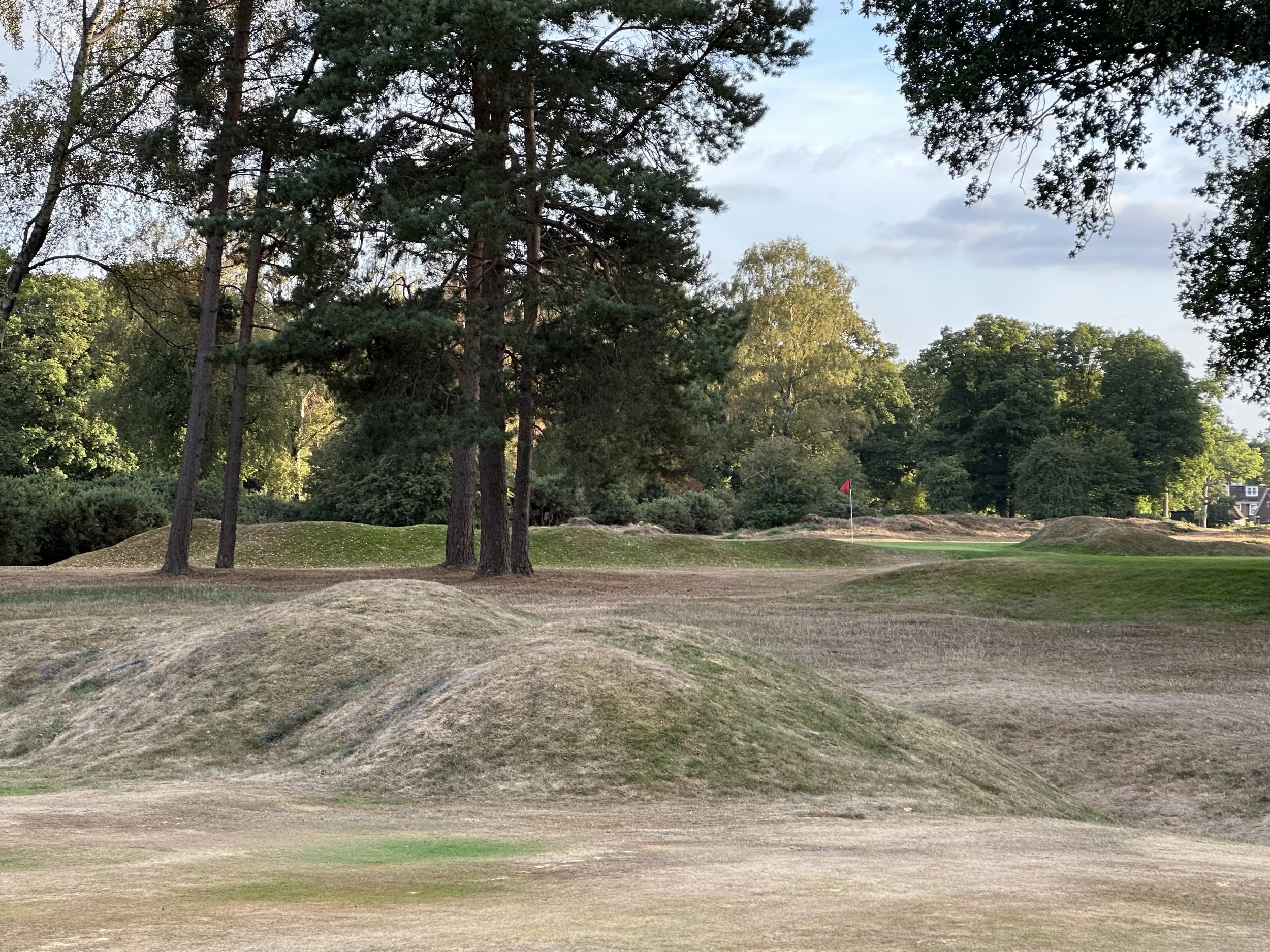
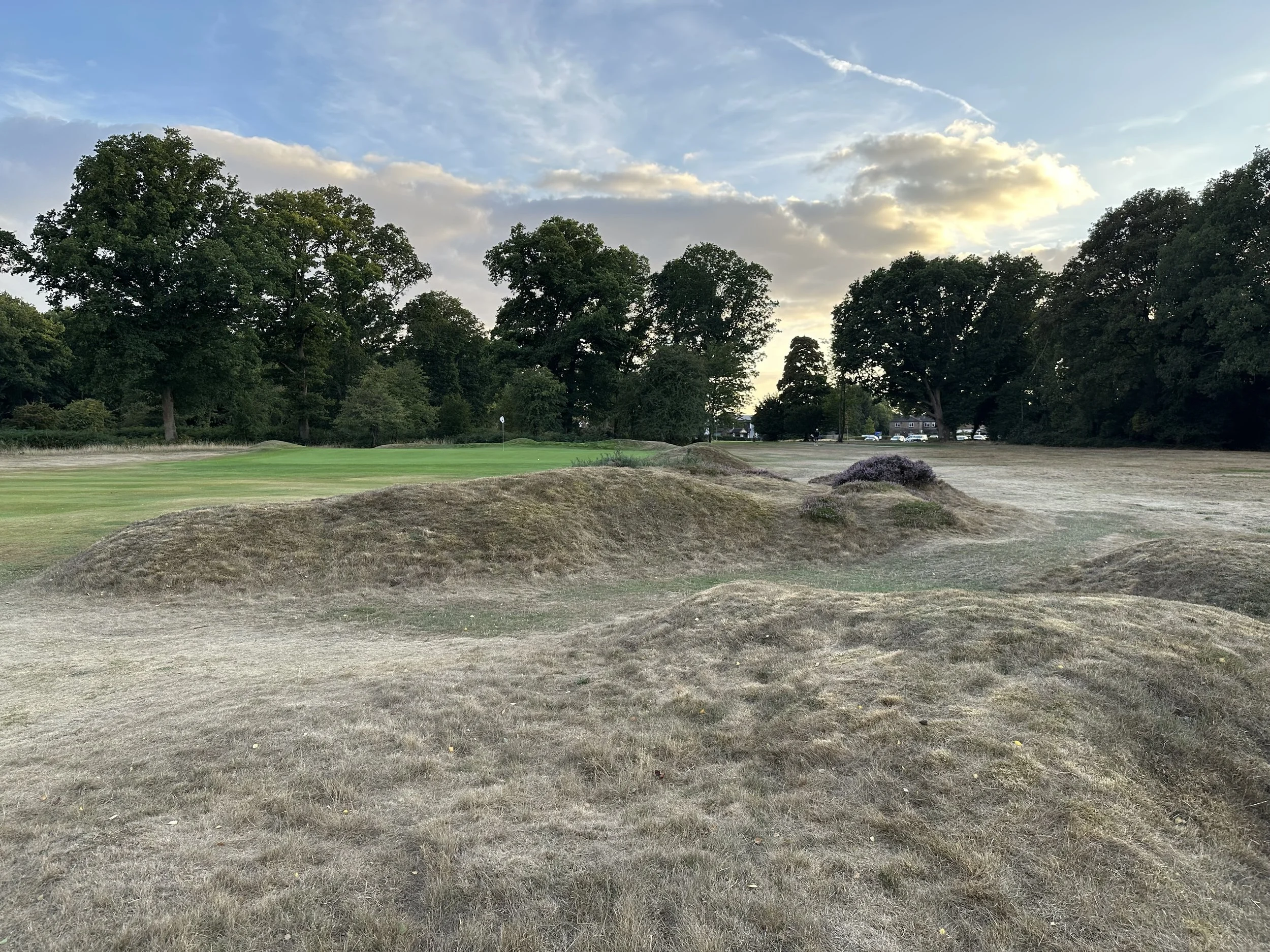
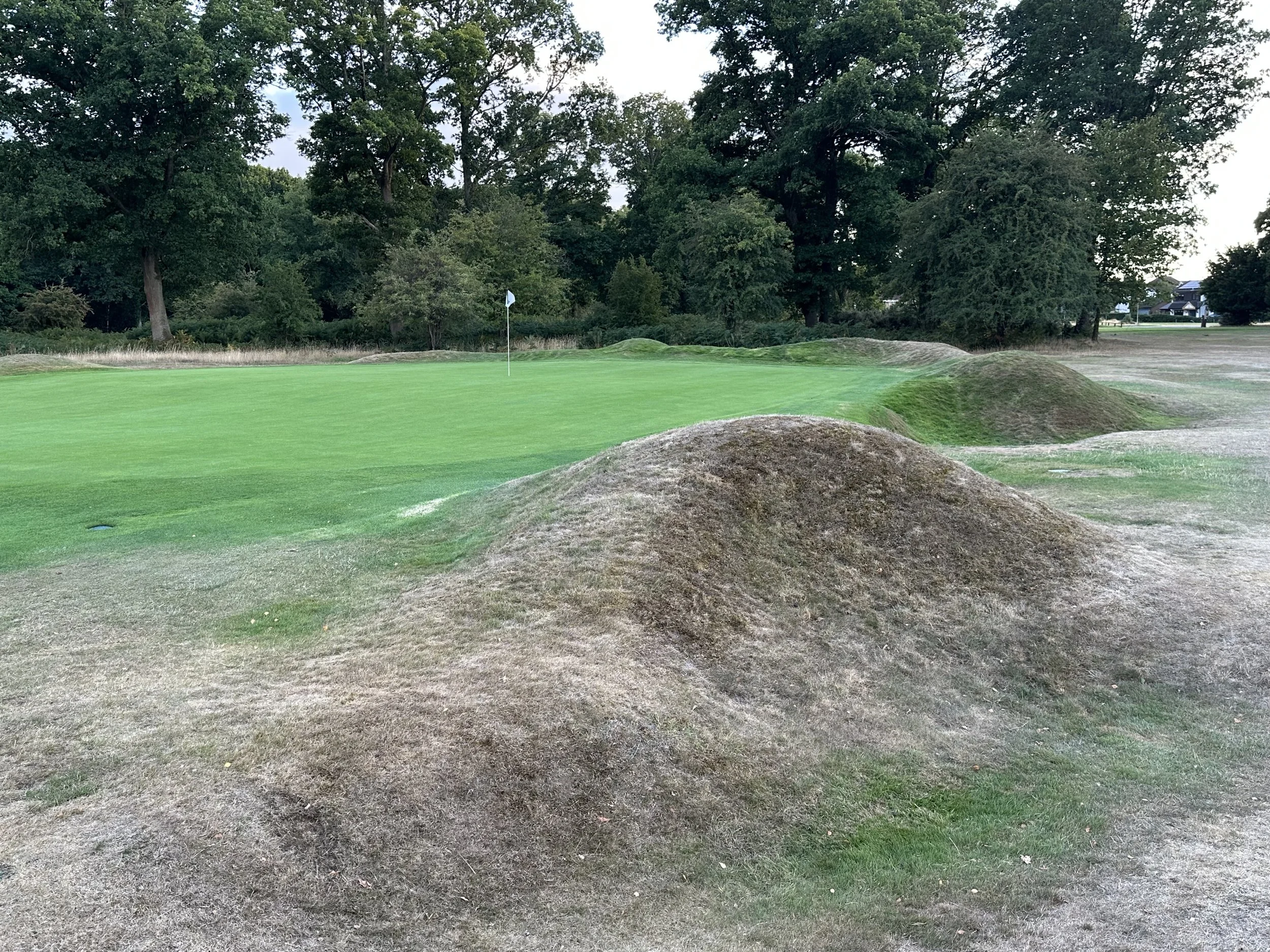
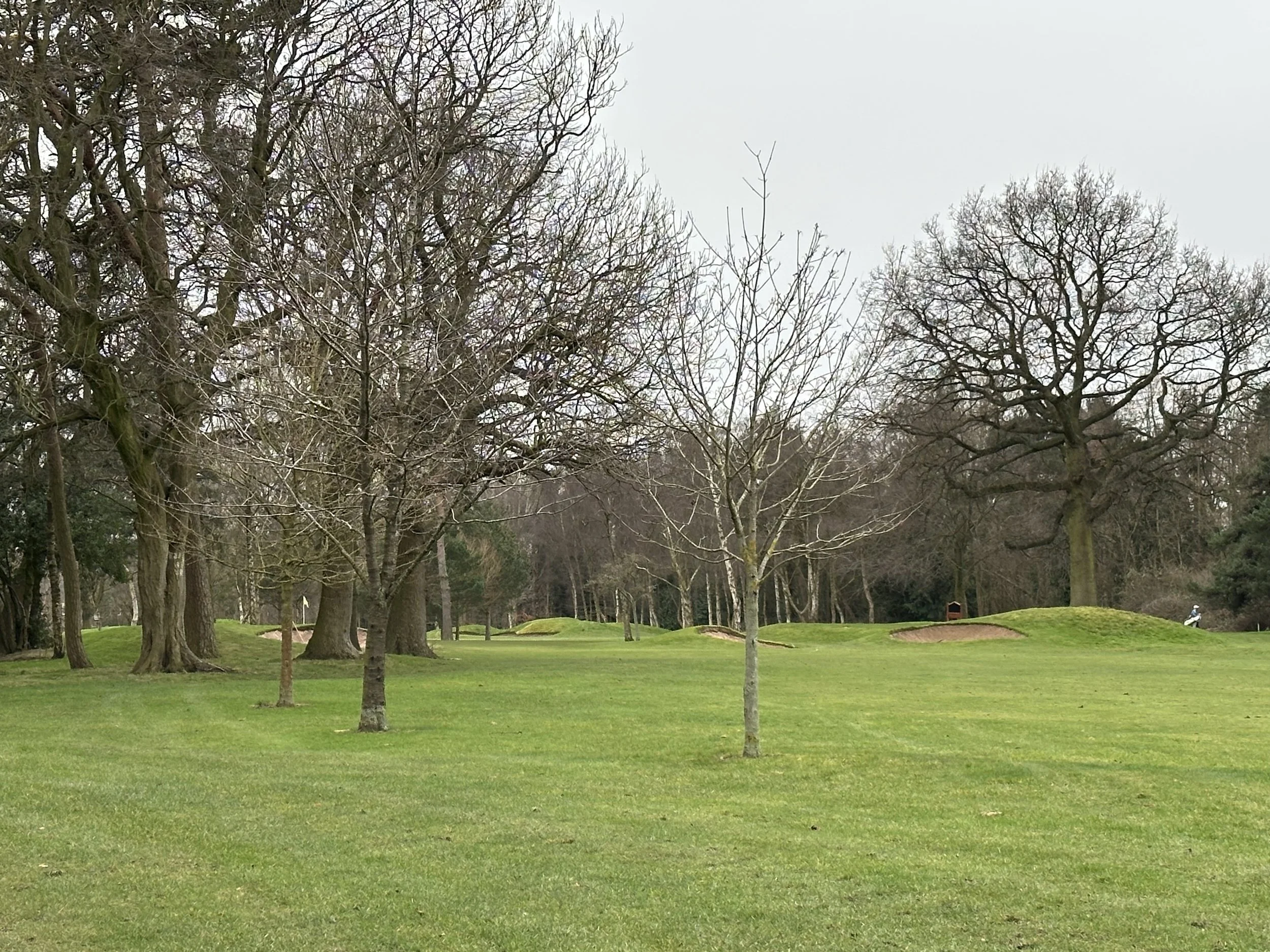
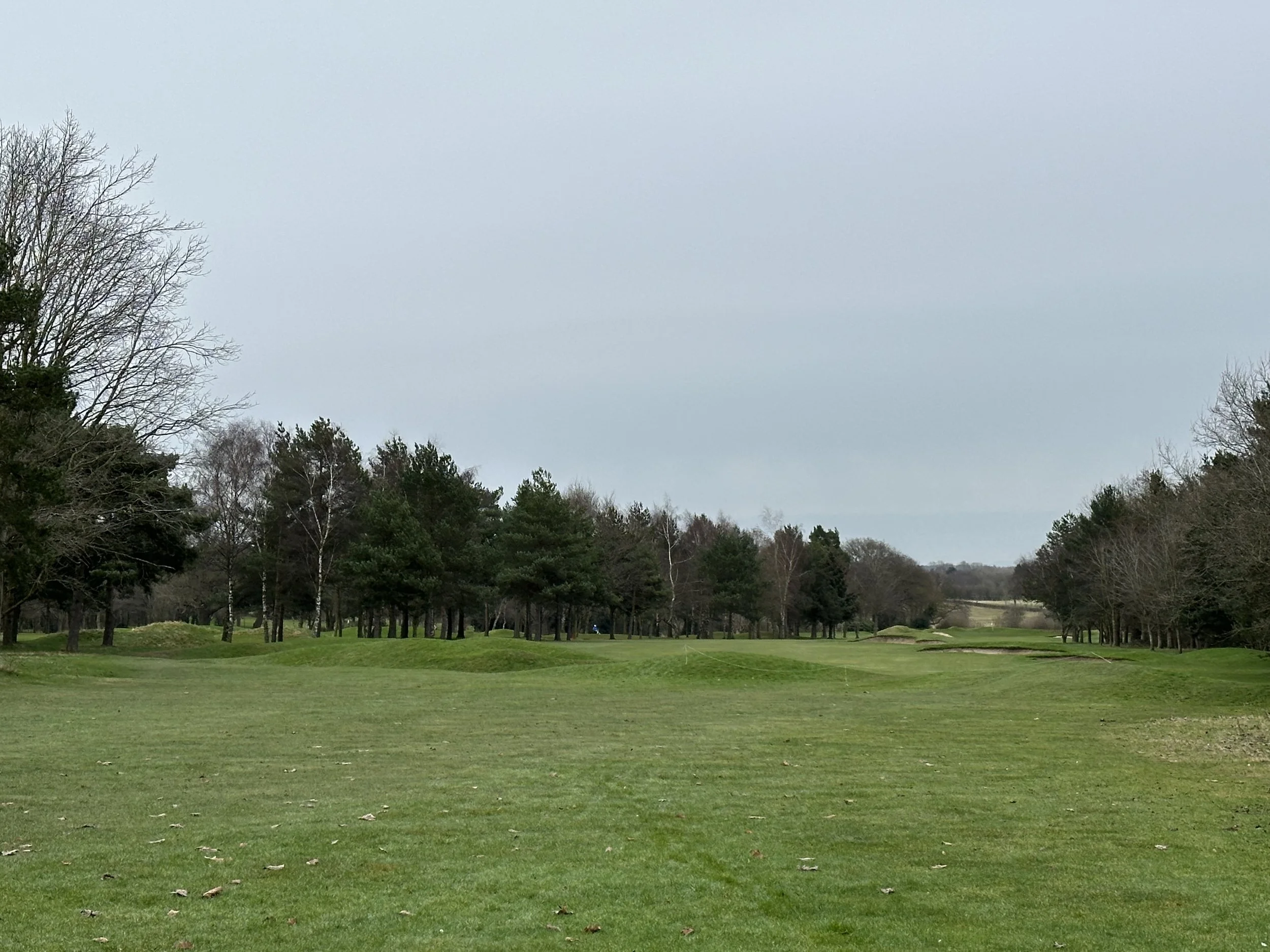
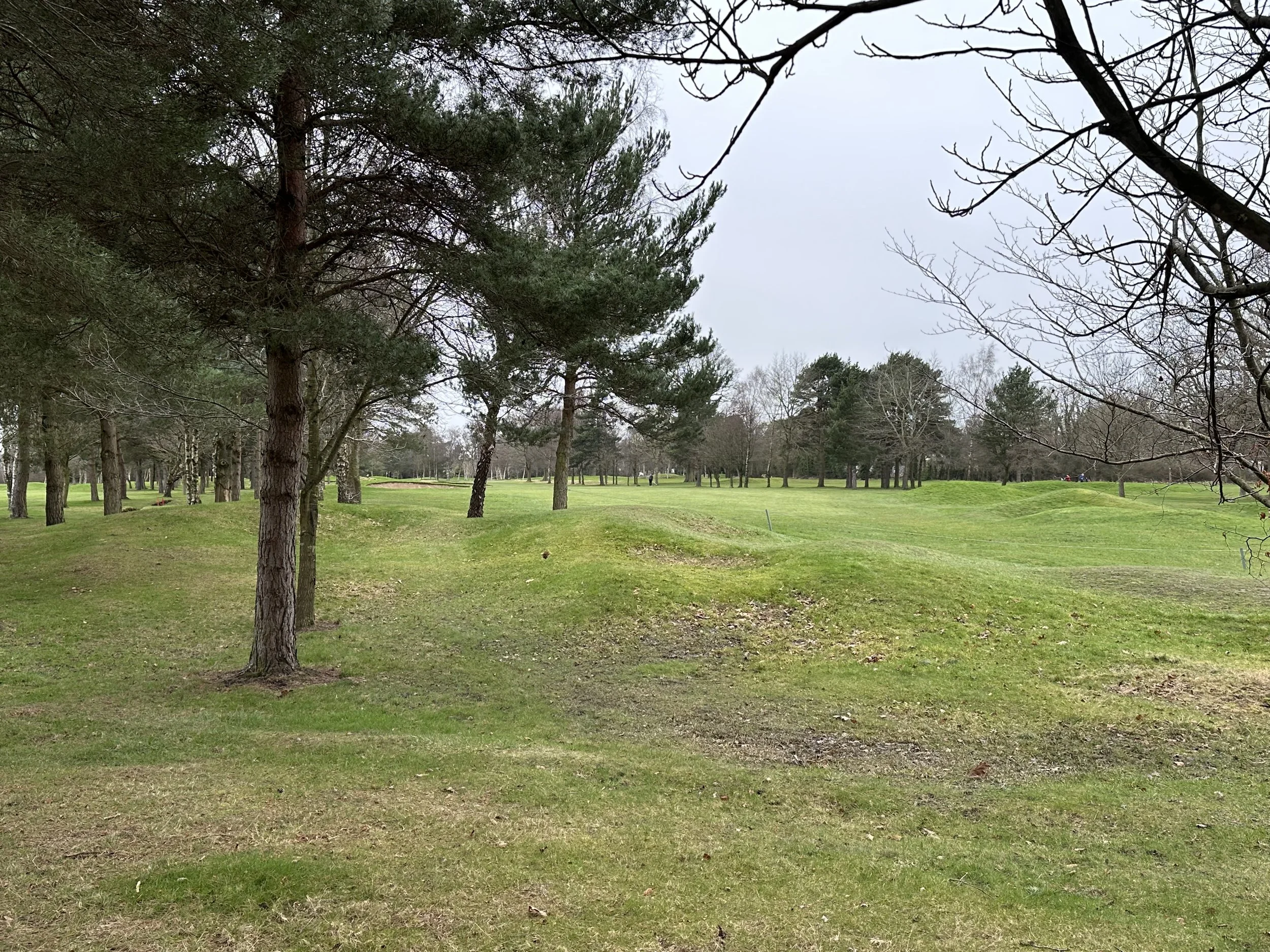
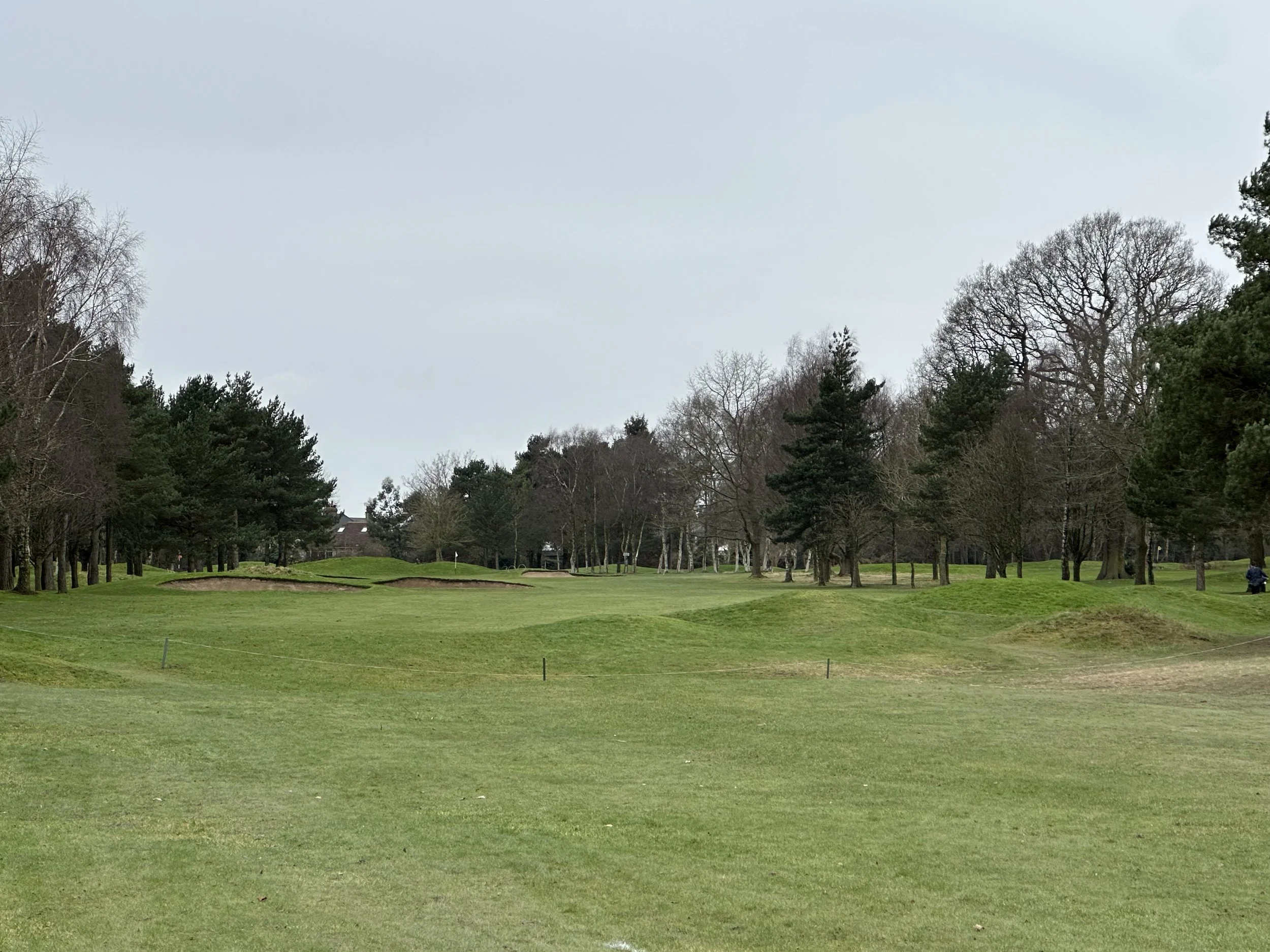
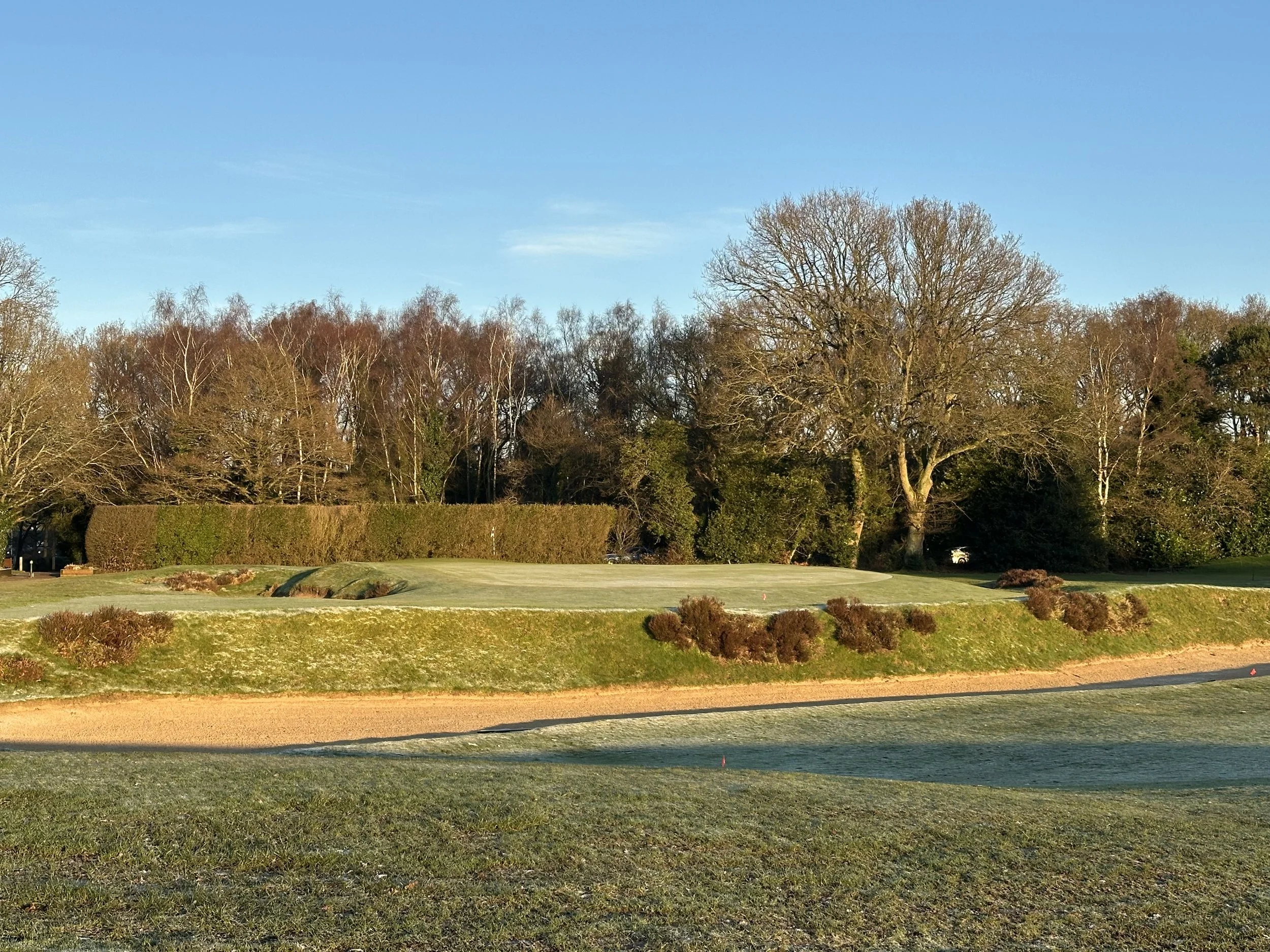
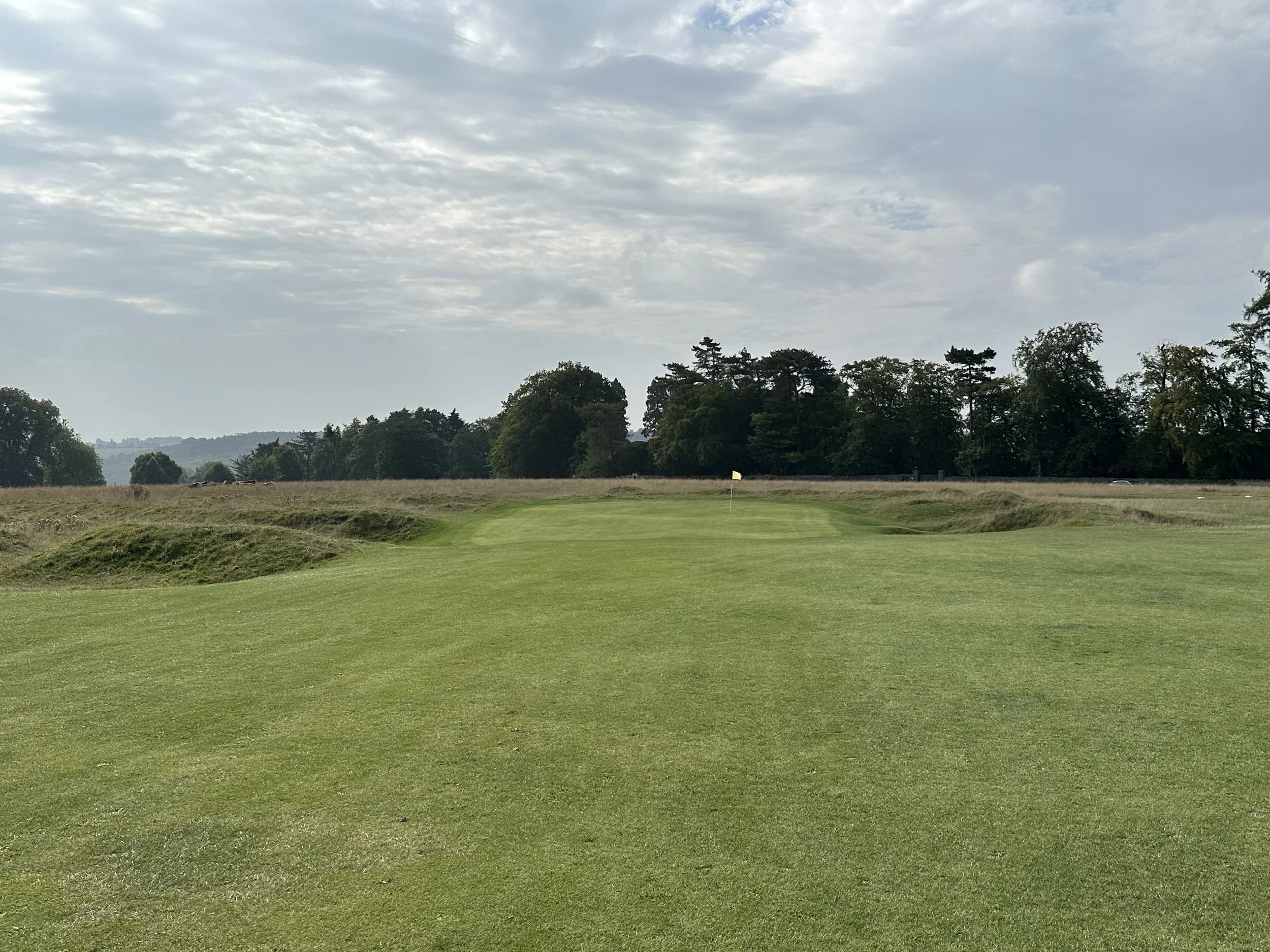
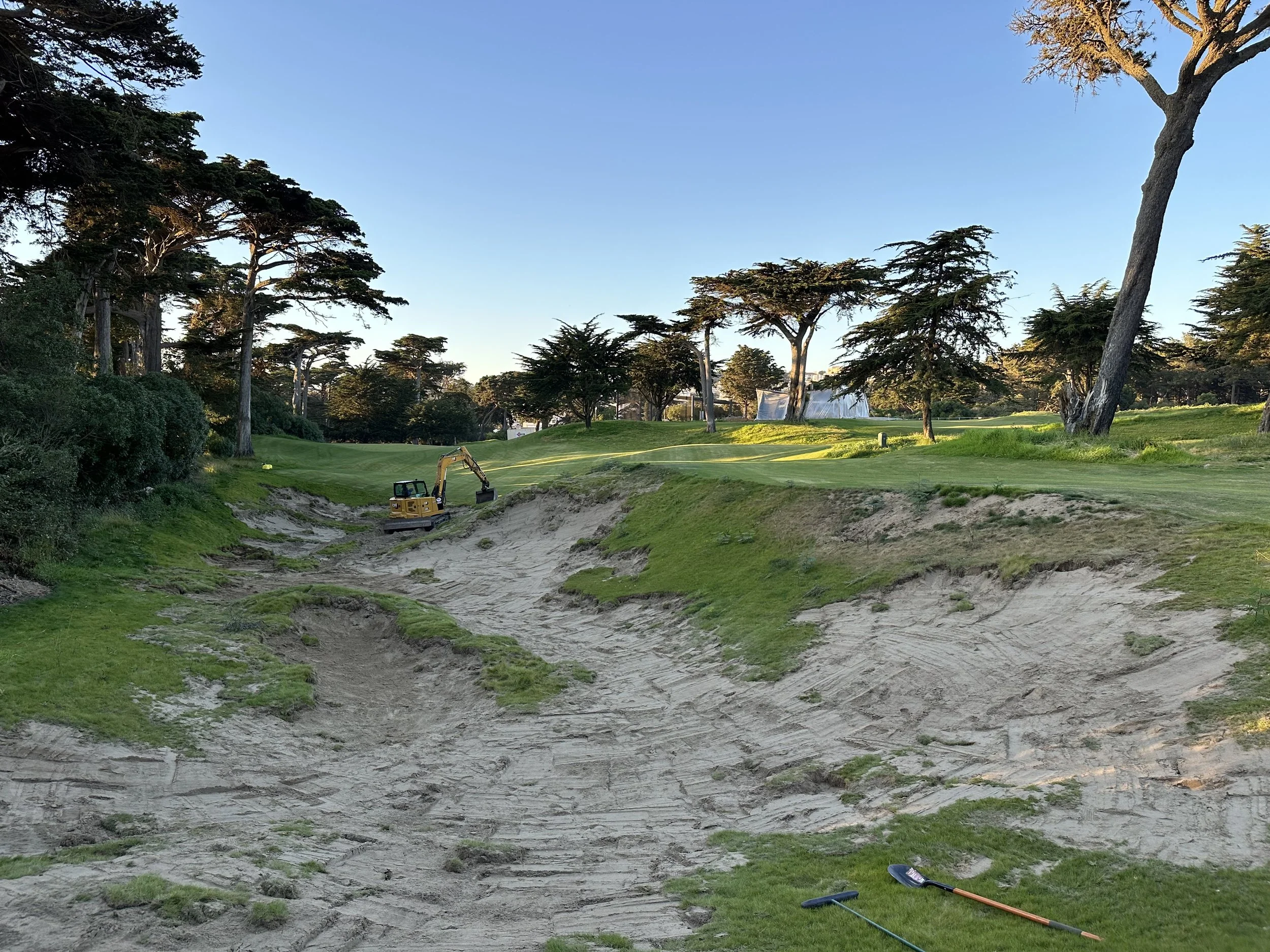
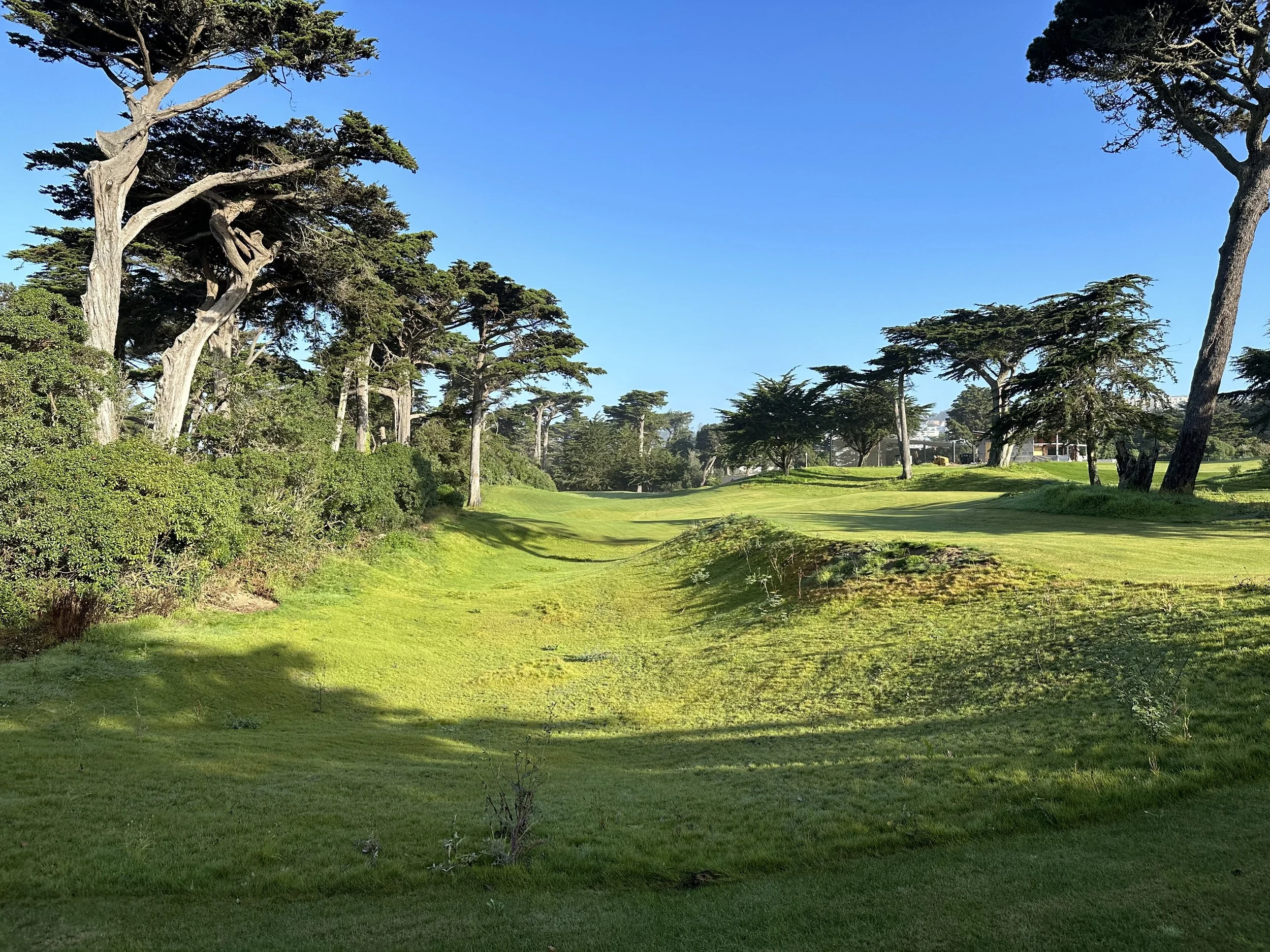
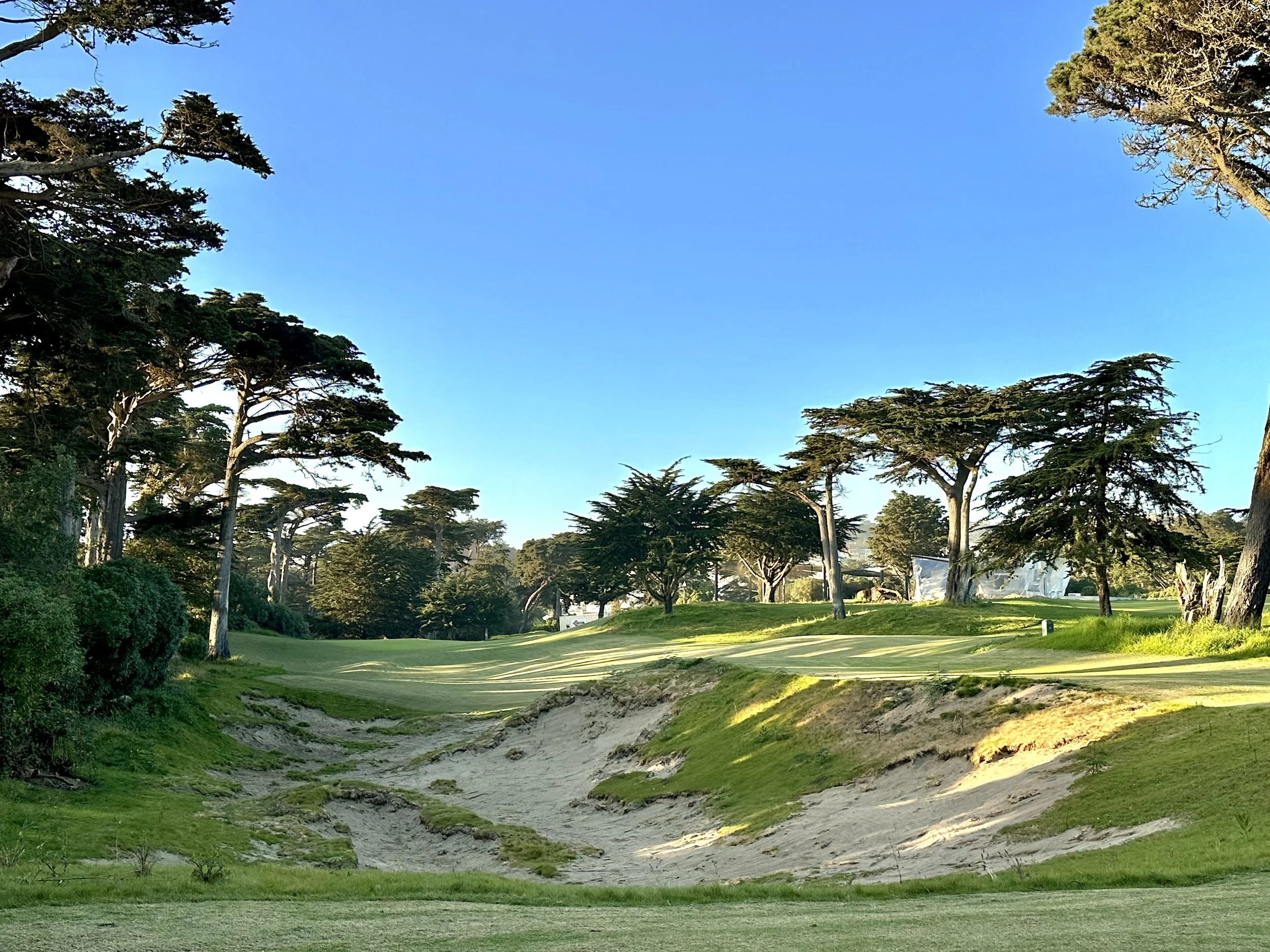
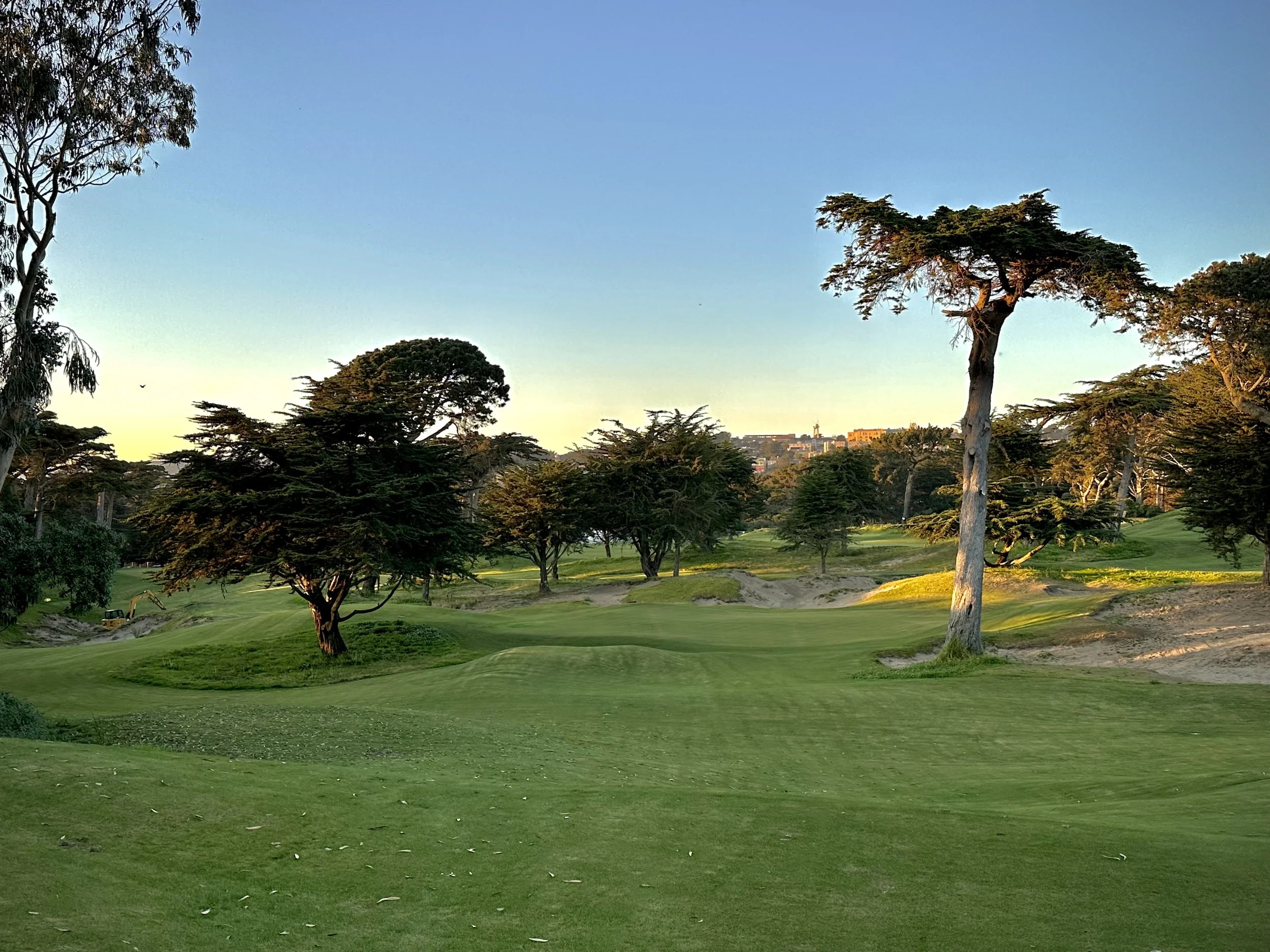
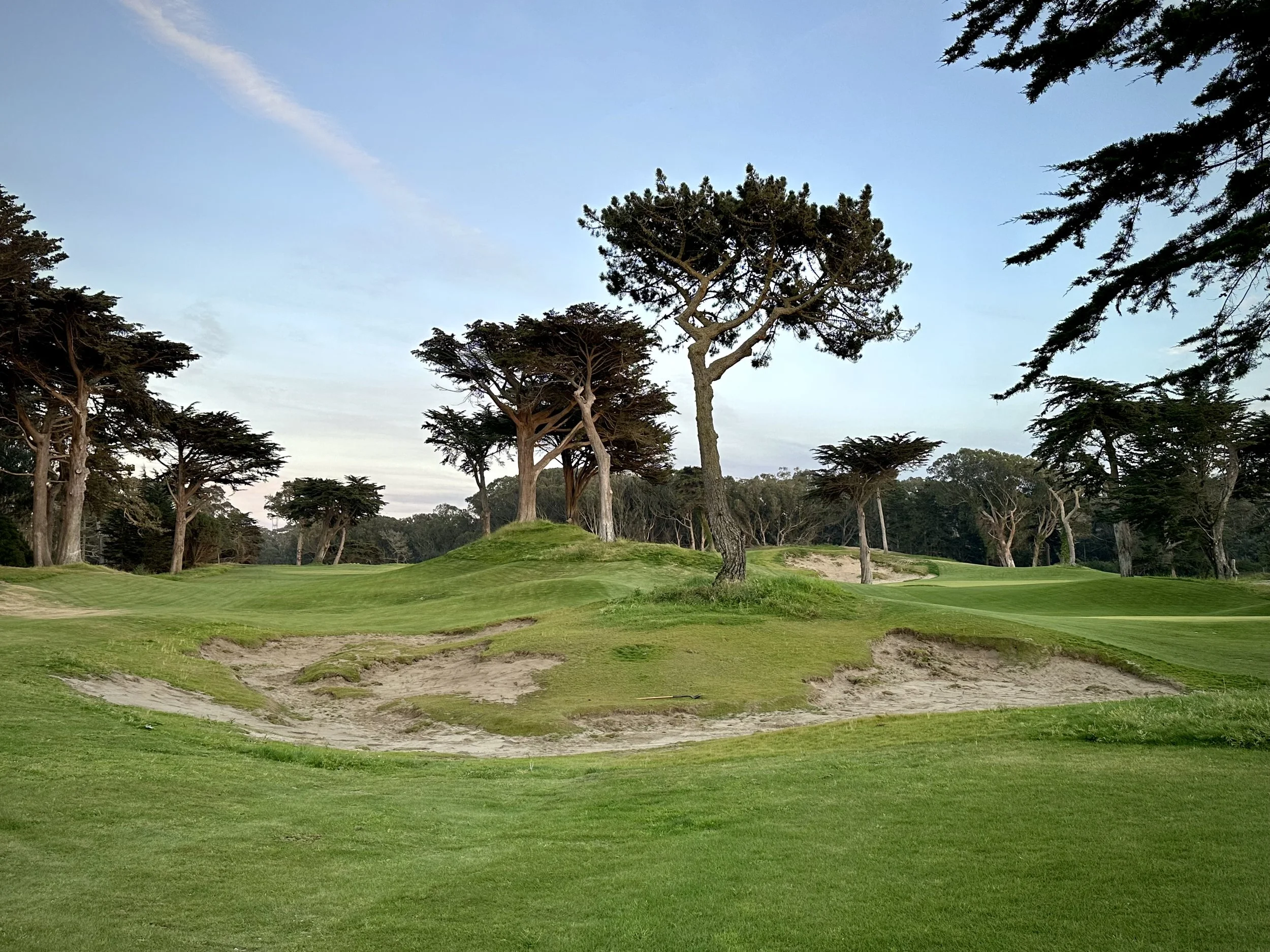
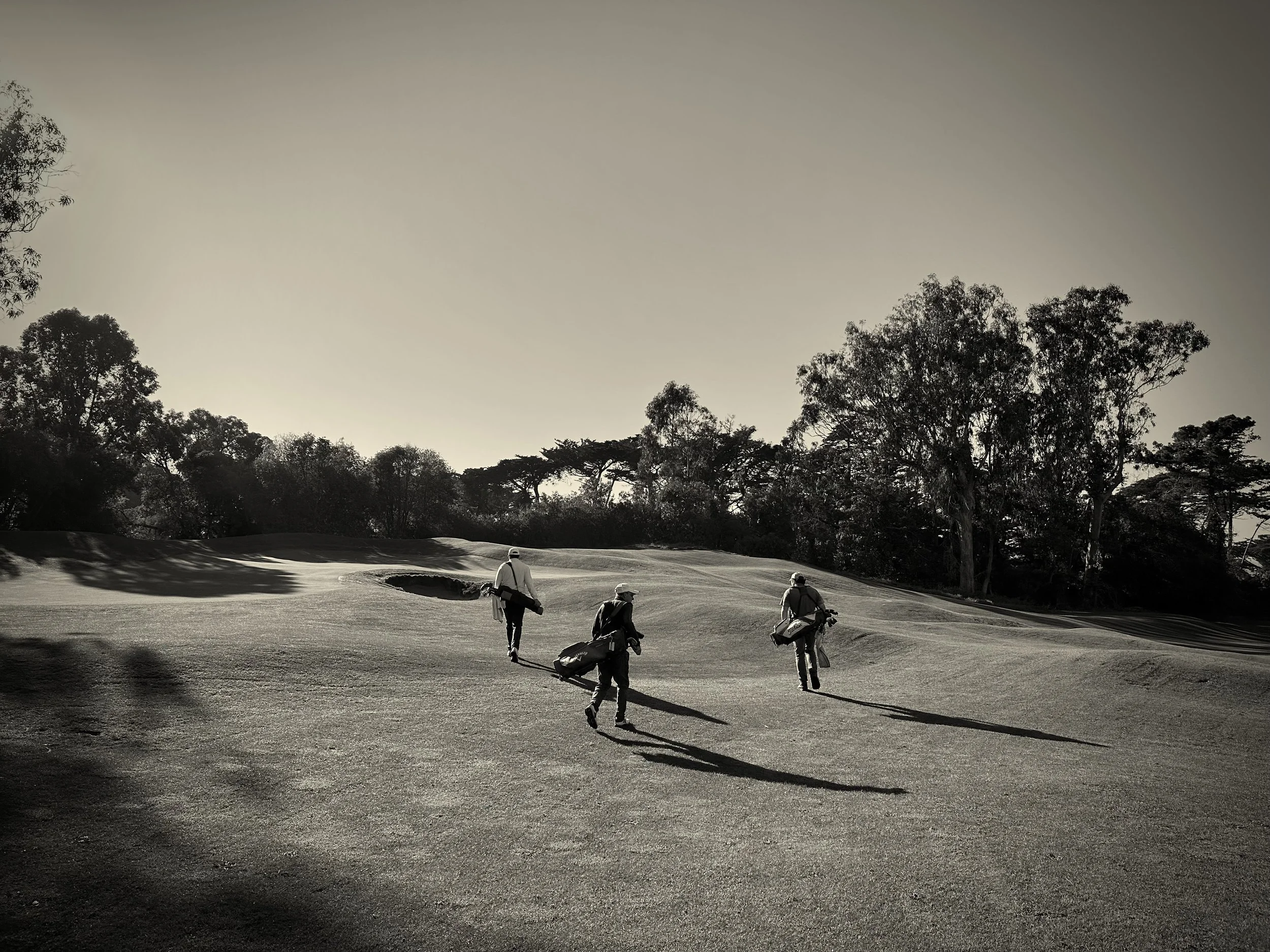
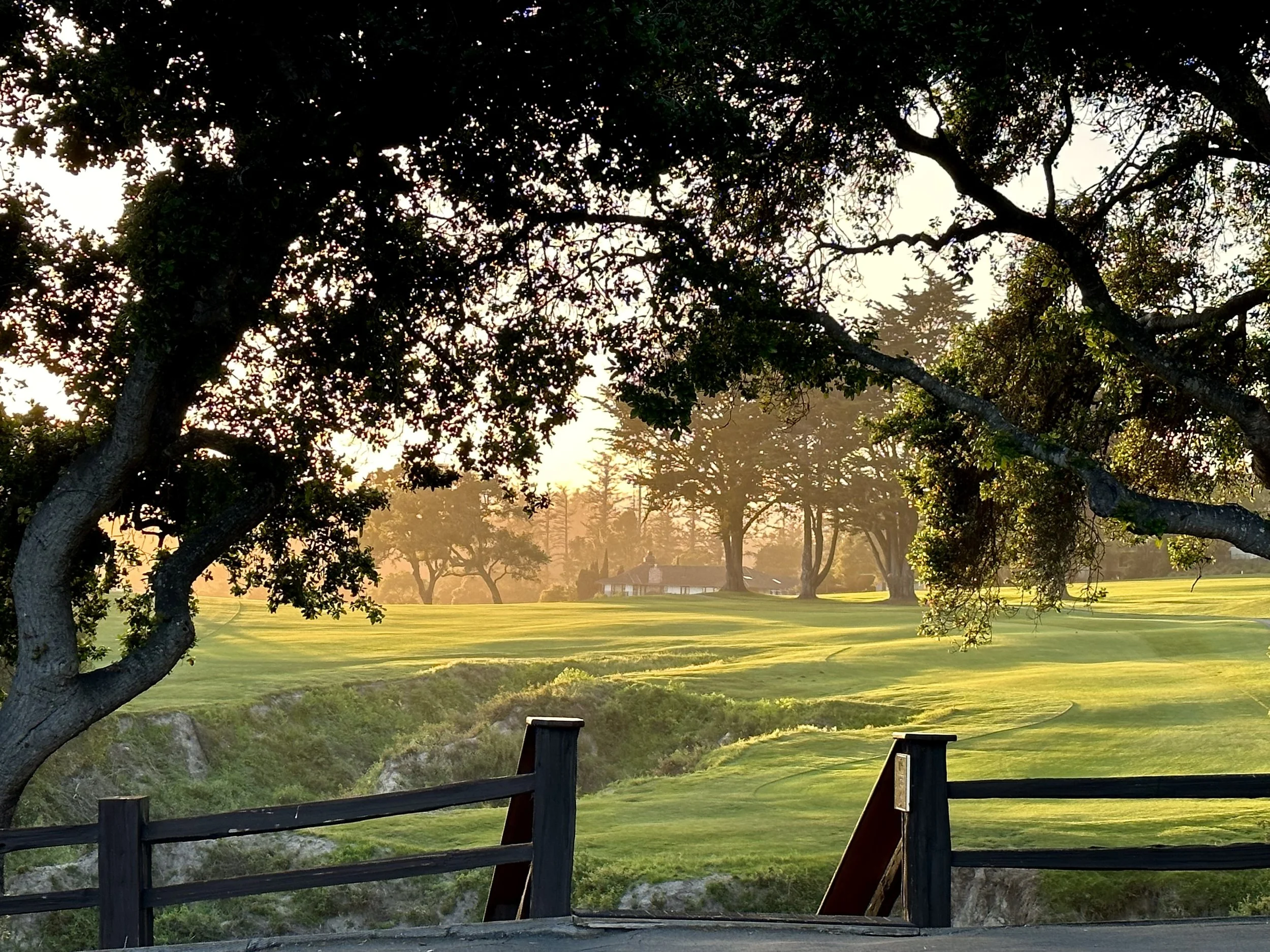
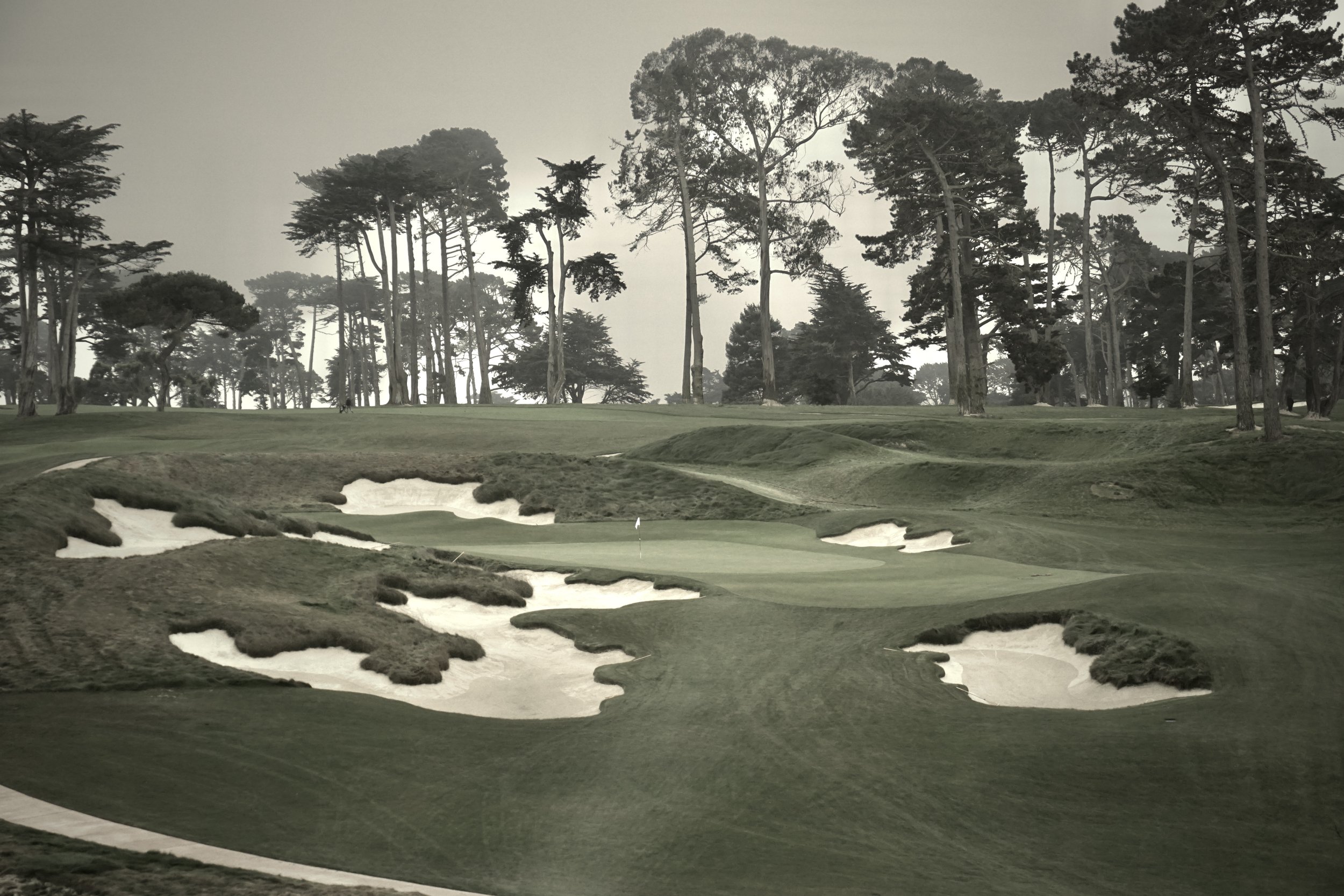
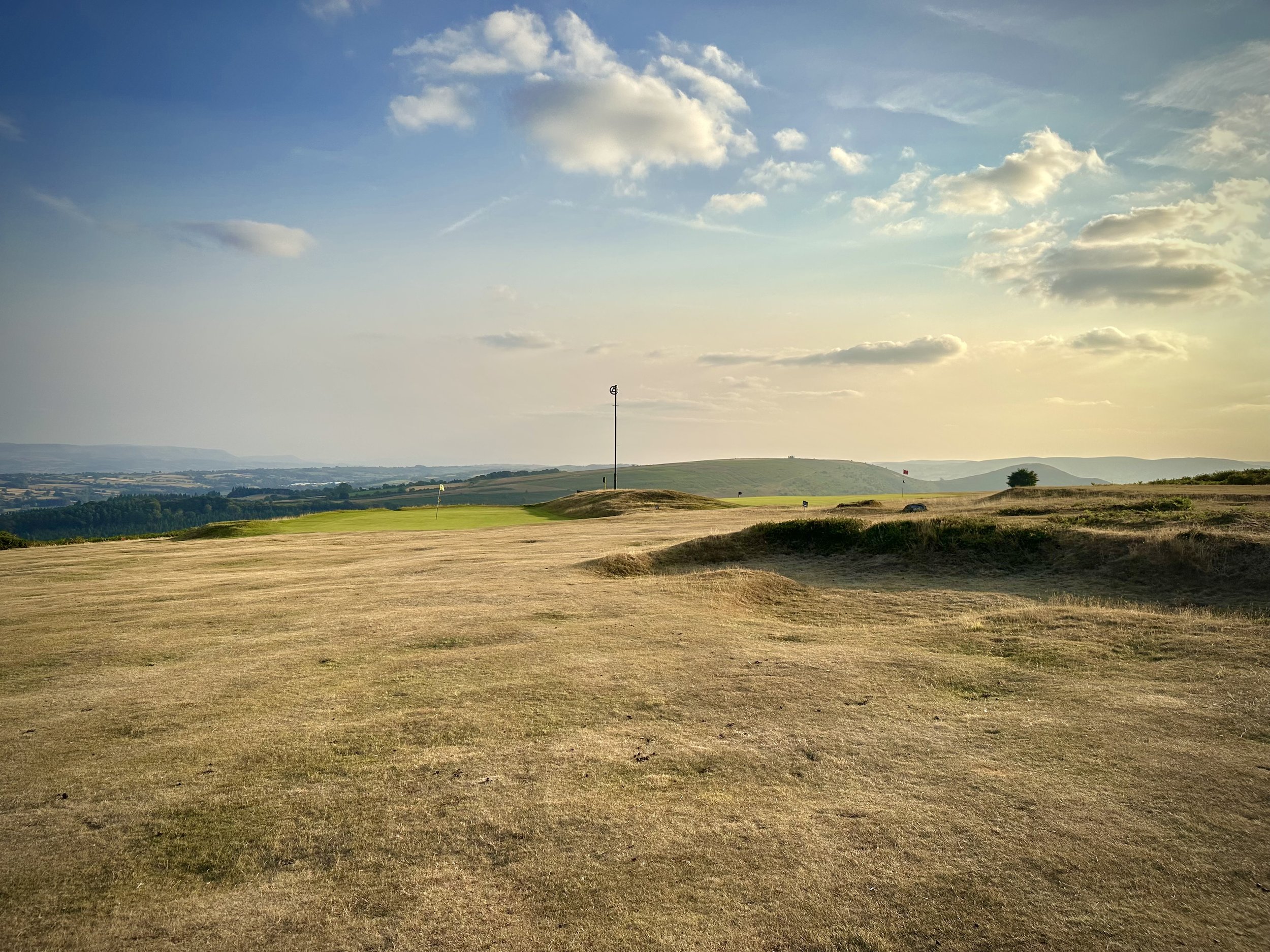
Crispy Kington, one of the many highlights of a year filled with inspiring golf course visits and plays

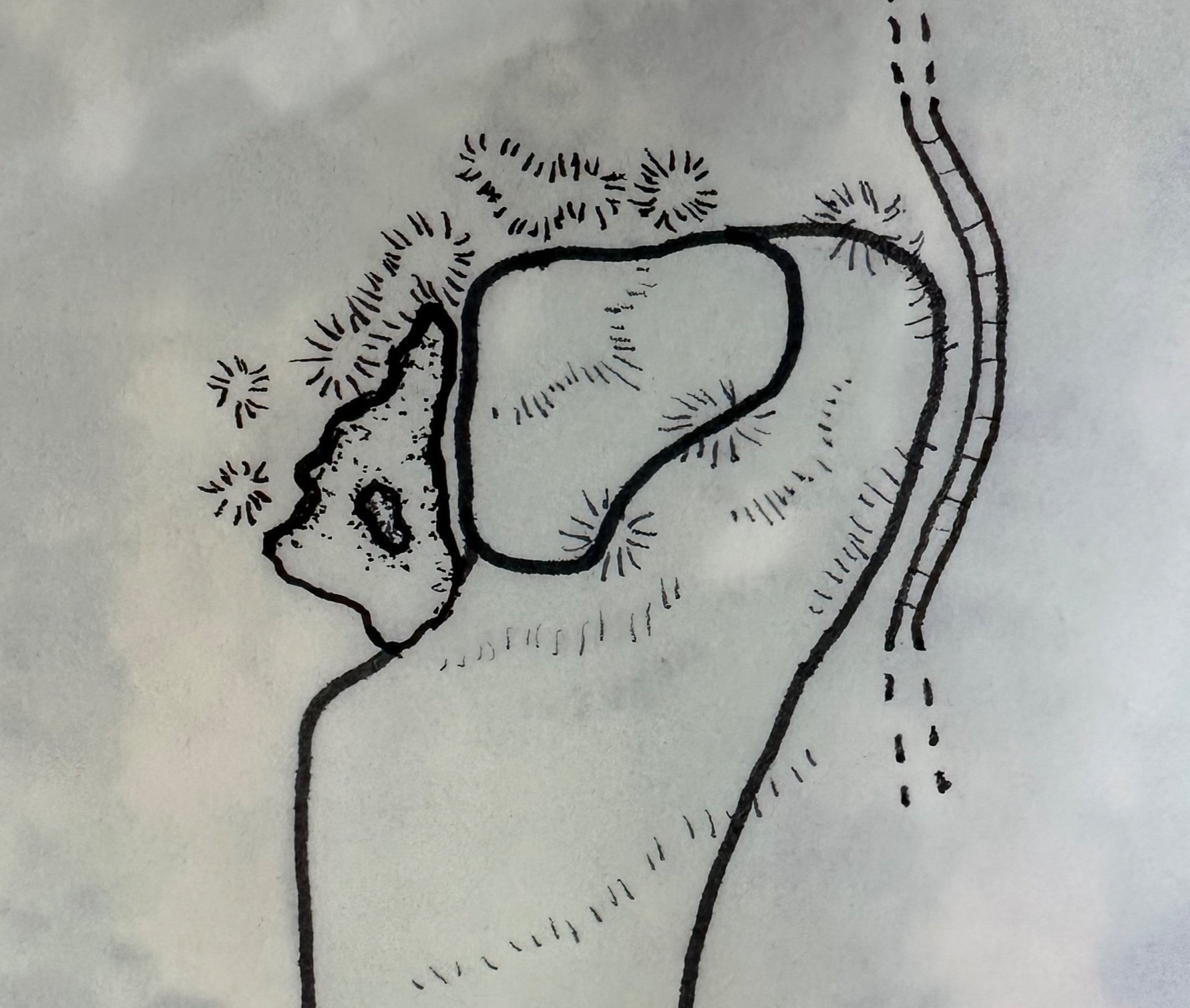
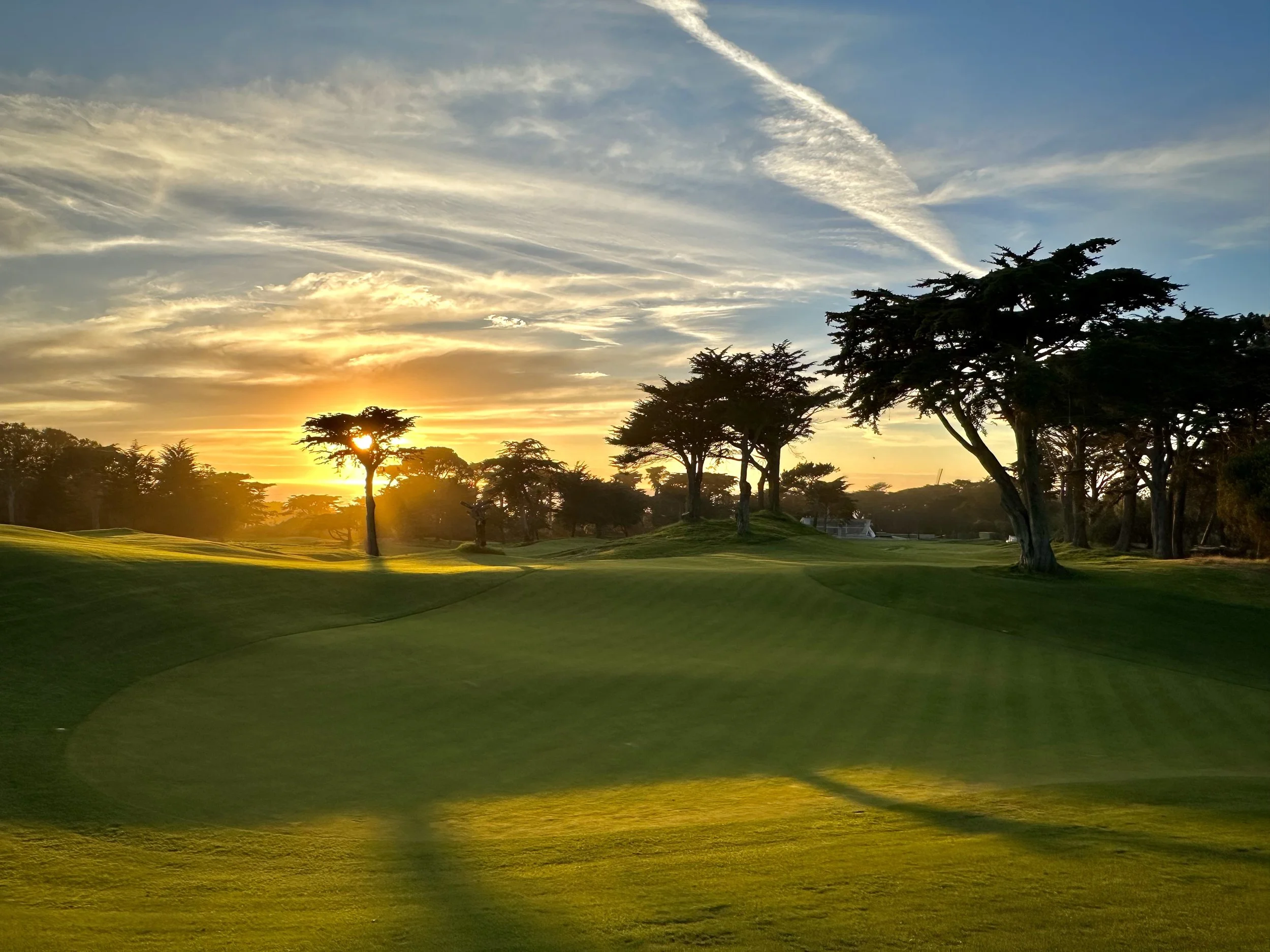
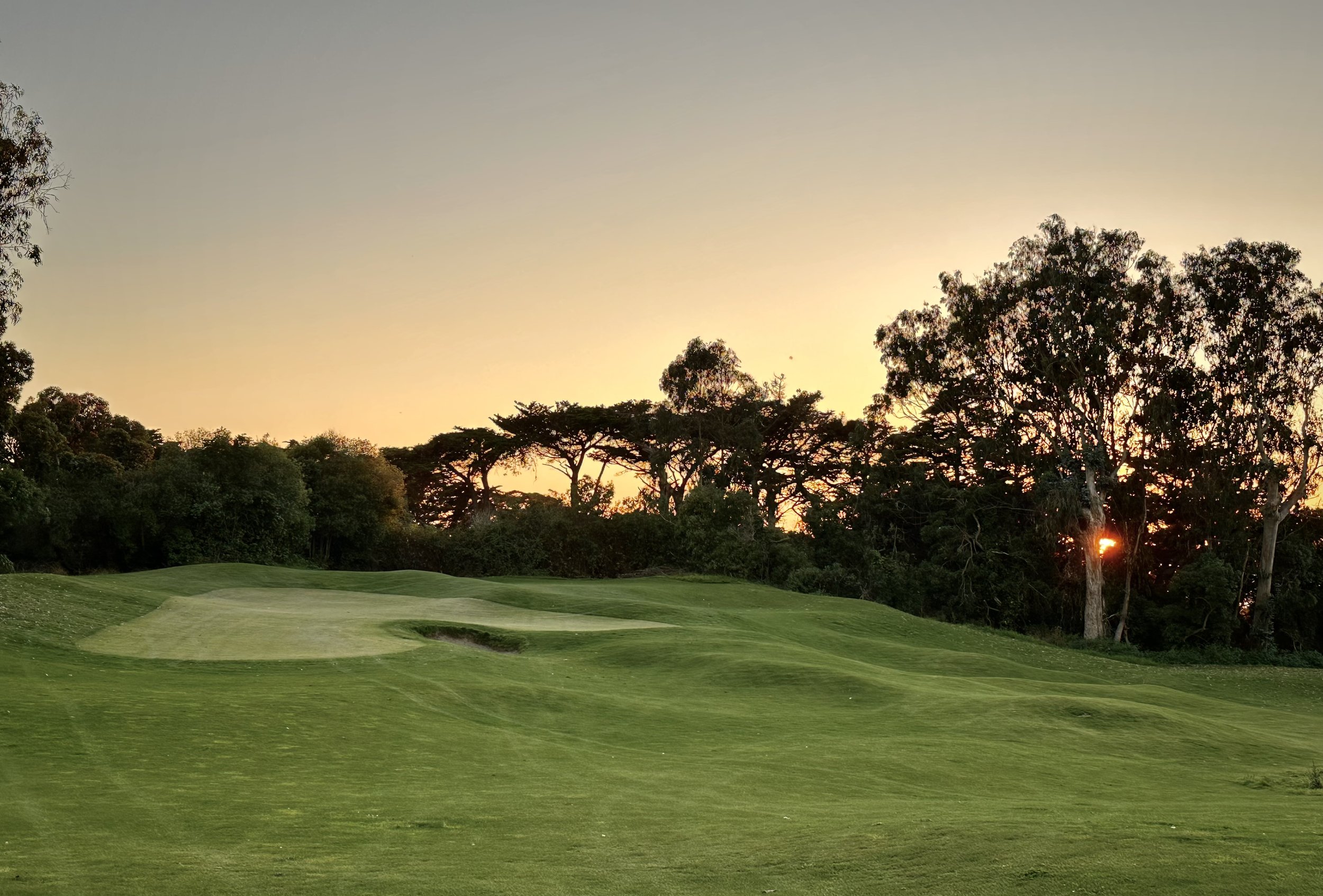
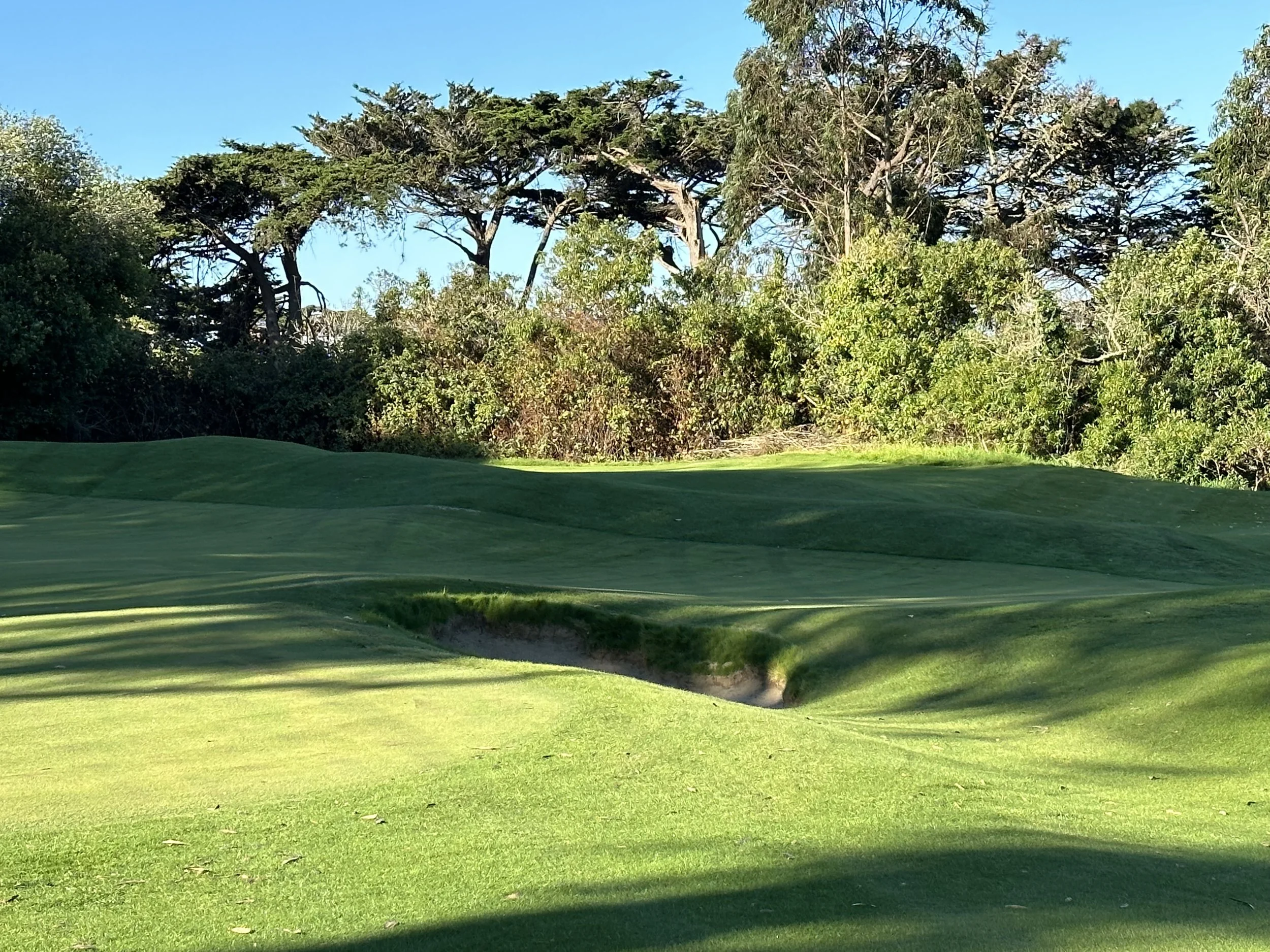
This year’s recap, minus the golf-courses-seen section, may read a little light this year. That’s not to say we weren’t busy. It’s more that we’ve shifted our focus to new opportunities strictly under the Hochstein Design umbrella (versus helping out one of the many other talented and great architects we’ve been fortunate to enough to work with over the years). As such, there is often not much to talk about with these types of projects because A) we aren’t officially signed up yet, B) there isn’t all that much to say yet, C) (for various reasons) it’s too soon to share specific design ideas, and D) nothing tangible has been built yet. That’s largely where we are.

What we can say, though, is that we’ve signed up two new clients—Santa Maria Country Club (concept development) and Northwood (consultation and course improvement projects)—and there are numerous others we are at various stages of “talking.” We’ve also continued to carry out our work with the Morton team in Sacramento, working on more detailed plans at Haggin Oaks (MacKenzie Course) and starting to chip away at the Land Park Master Plan with small projects and hopefully a little bit bigger one next year.

We also finished off assisting Clyde Johnson on his project at Hadley Wood in London (my lone bit of excavator work this year, amazingly), and we kept busy during a summer home stretch doing some plan drawings of a few pretty cool courses for a private client. Overall, it was an exciting and promising year for the future, but I’ll be excited to get in some more creative muck shifting time next year.

The following is a recap of our work throughout the year as well the sights, sounds, and people that made it special along the way. Hope you enjoy!


Design Highlights
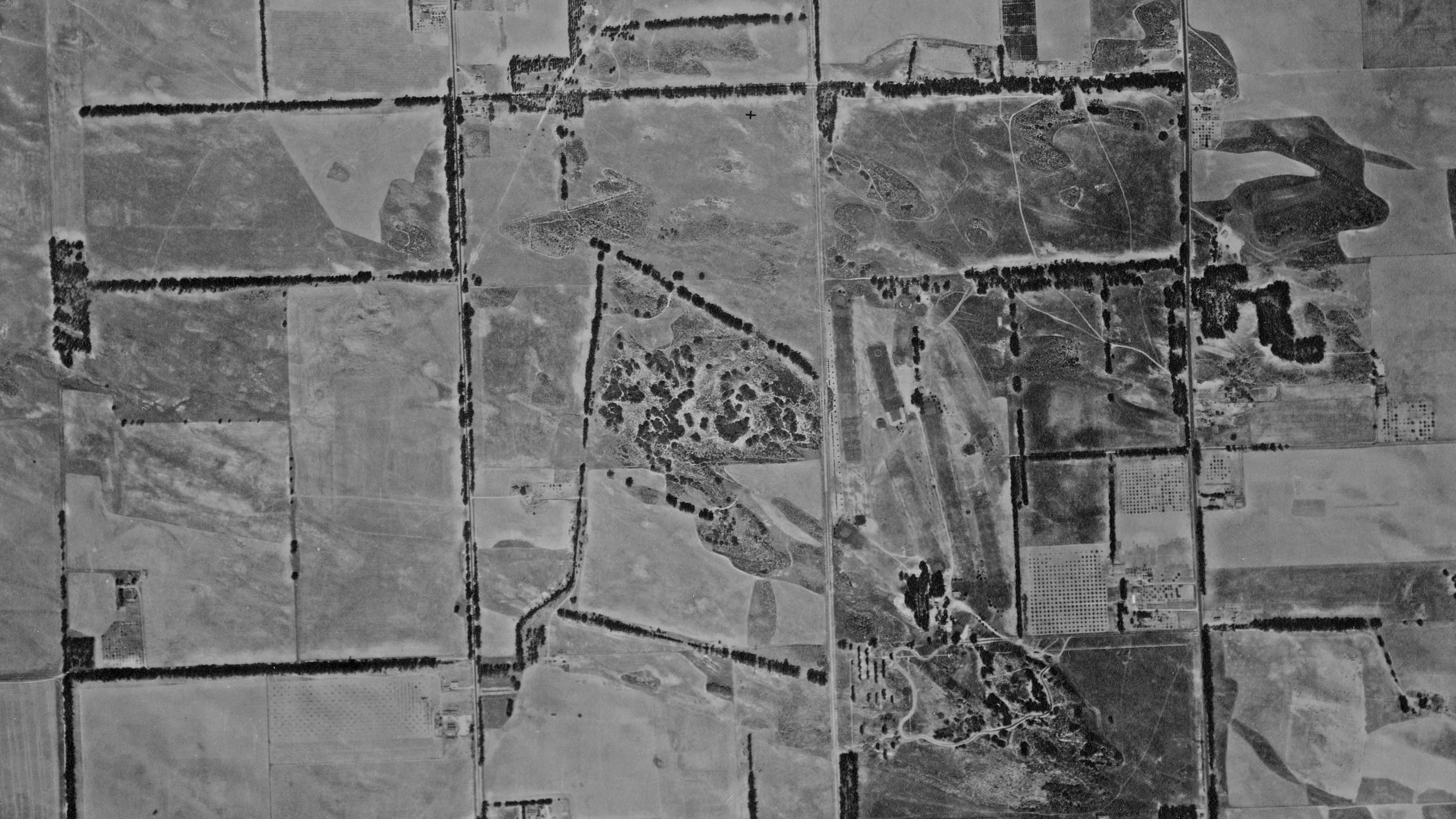
The 1930 aerial at Santa Maria shows an early rudimentary layout and lots of sand dune formations in the surrounding area and where the current holes 9-16 reside (just up and left from the holes shown here).

Santa Maria Country Club Early Concept Development

Late this summer, I signed on with Santa Maria to evaluate their golf course and look at the ways in which it can improve, from bare minimum moves all the way to having a maximal hand. The site is tricky with a small, divided, and unusual footprint, and there are lots of the other usual challenges that come along with a 100 year old facility. There is a great opportunity however with the sandy soil sitting beneath it, sand blown in from the nearby Pismo and Nipomo Dunes systems. We shall see what exactly we may be able to do with that, but it’s a great starting point from which to work.

Northwood Consultation and Tee Expansion Project

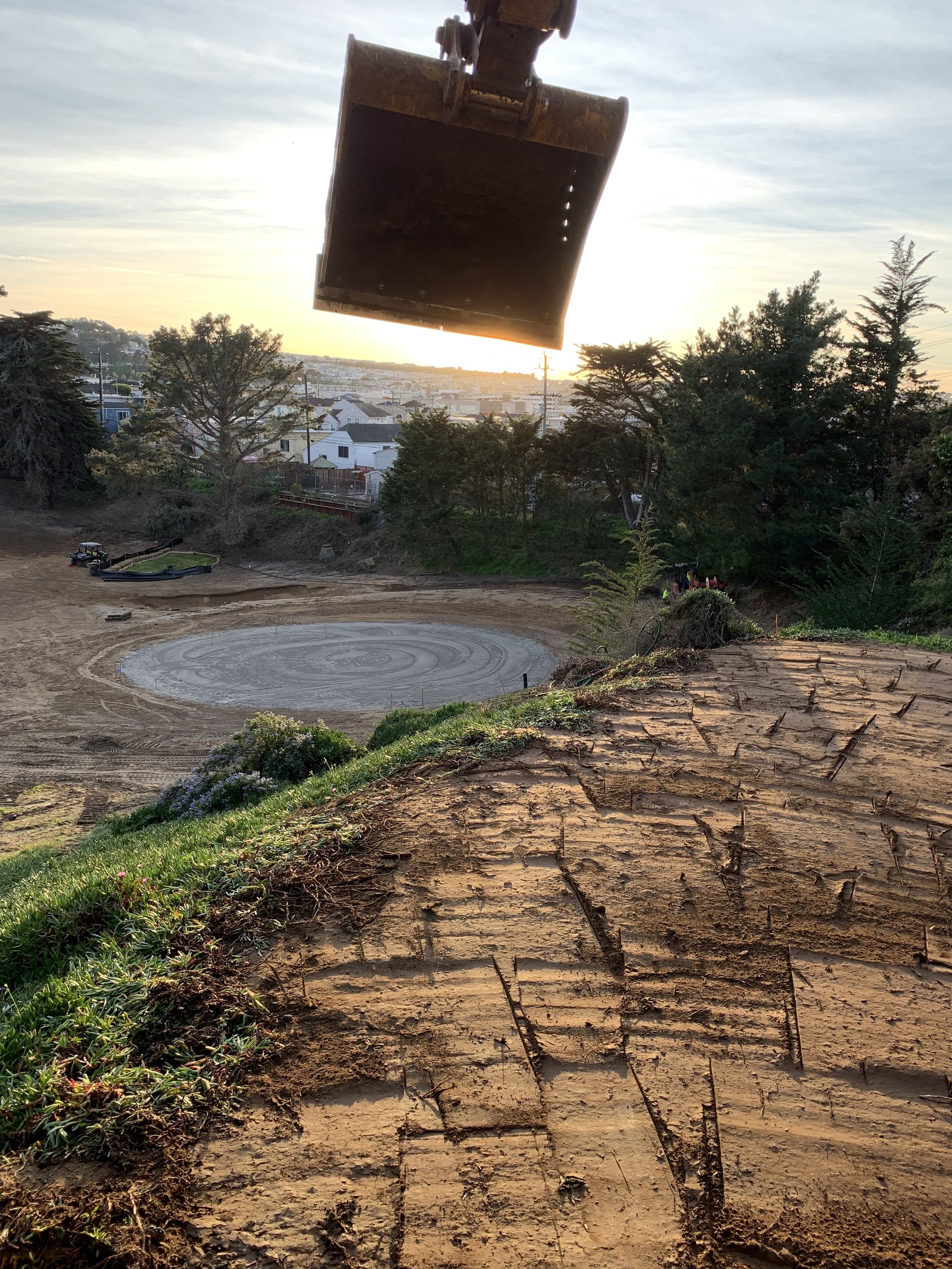
Around the same time, we also signed on as consultants at Northwood. With the course’s recent success from a blow-up in exposure, it has also taken a bit of a beating from all the additional traffic. Teeing grounds in particular cannot keep up in recovery with the rate of wear, recovery that is especially slow due to the ever-present shade cast by those famous redwoods. As such, we’ve been primarily tasked to address that as best as possible and look at other infrastructure improvements. Of course, especially when out there, you can’t help but look at the numerous MacKenzie relics and wonder about those too…

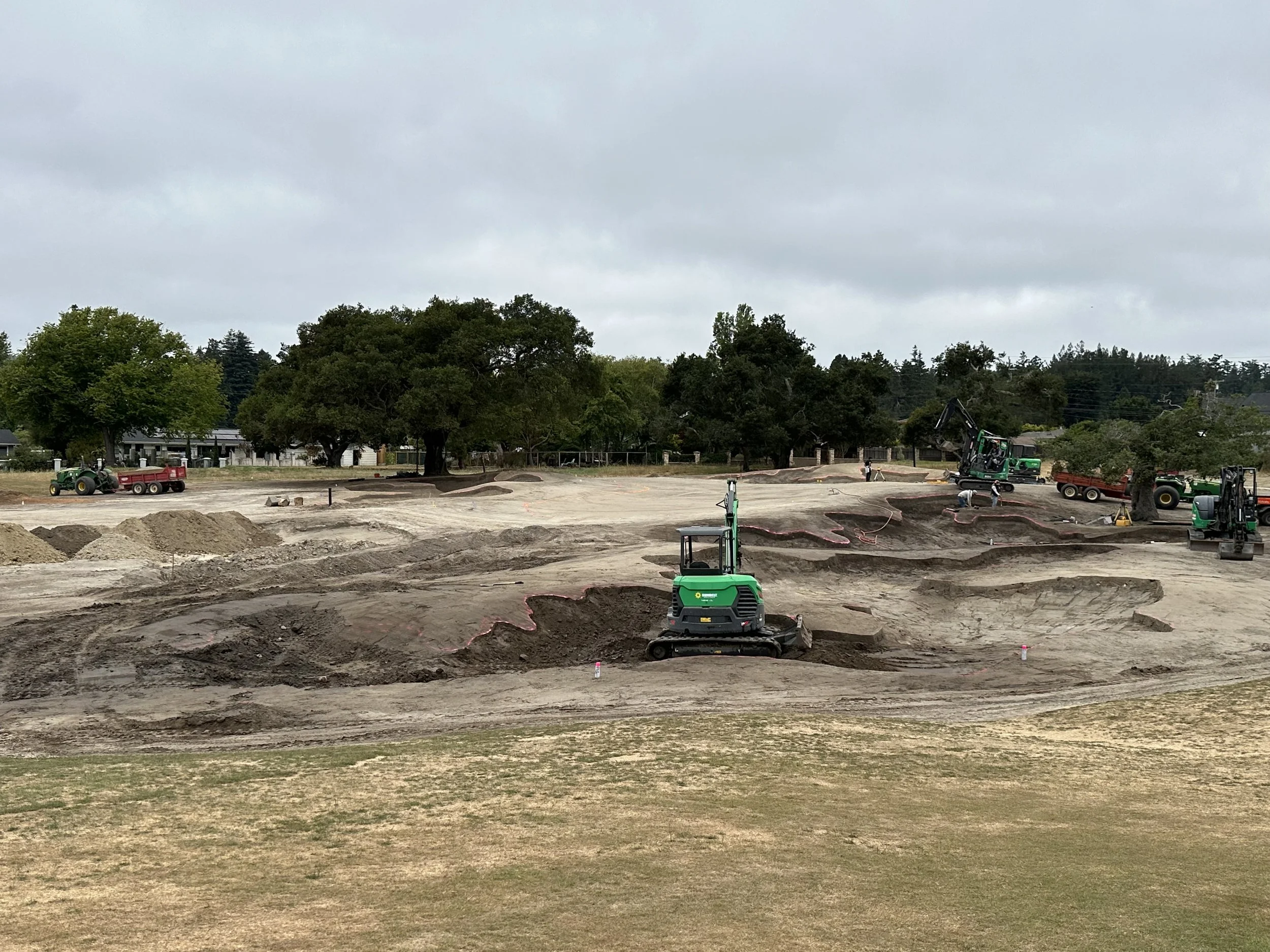
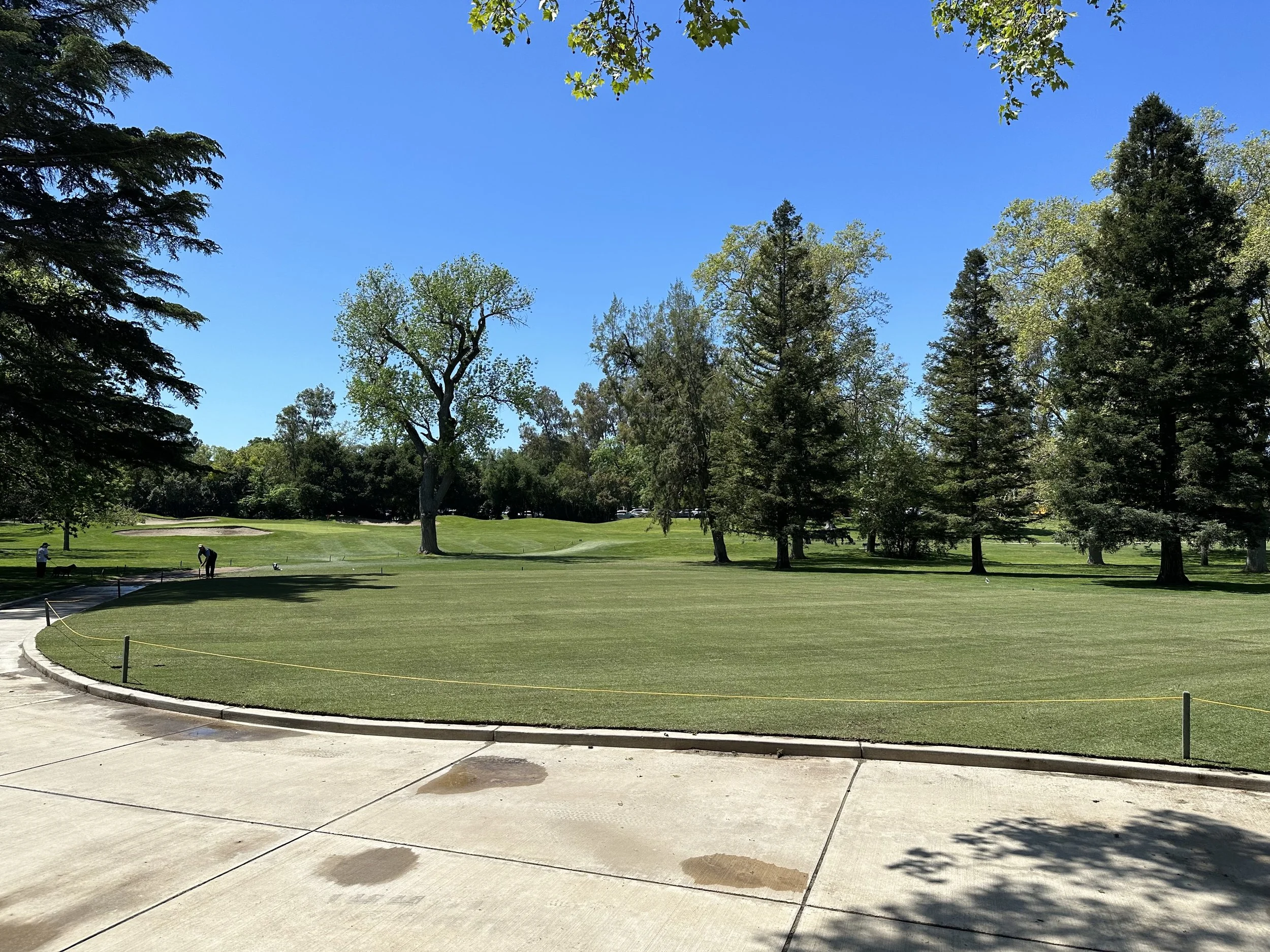
Land Park Hole 6 Tee Redesign

Because of severe crowning to the existing tee (which was bad enough to close and use a temporary instead), the team at Morton decided it to be worth doing this year. Ideally, you would redo a tee after the rest of the features of the hole had been rebuilt in order to set the proper angle. Despite a future angle shift and widening of the hole to a reverse-version of Riviera’s 10th, we were confident enough that the shape would be big and simple enough that we wouldn’t have to worry about that. This was a rare project where I didn’t do the shaping myself, instead relying on Lloyd Zastre to provide that support while I provided guidance and set the angles and periphery. The results have been a success so far, and the tee should be large enough to handle an increase in future divots, as golfers may no longer just want to blindly rip away at tee shots with the new hole.

Haggin Oaks (MacKenzie) Master Plan Development

We’ve presented an initial concept for a master plan and are still deciding as a group what the next courses of action may be. There is no doubt about the potential for this special piece of Alister MacKenzie golf history at what is already a highly valued Sacramento golf property.


Bonus/Not Really Design:
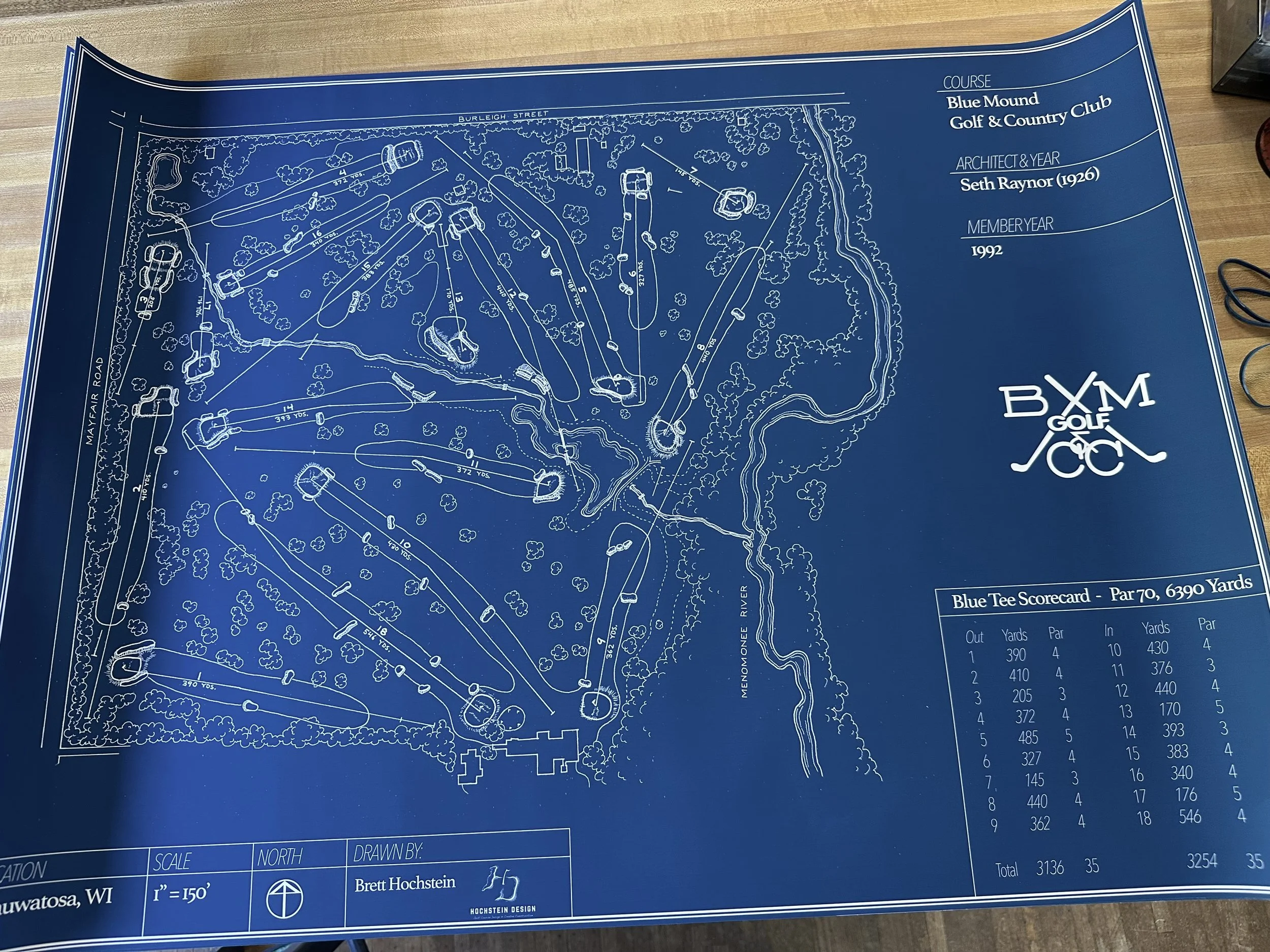
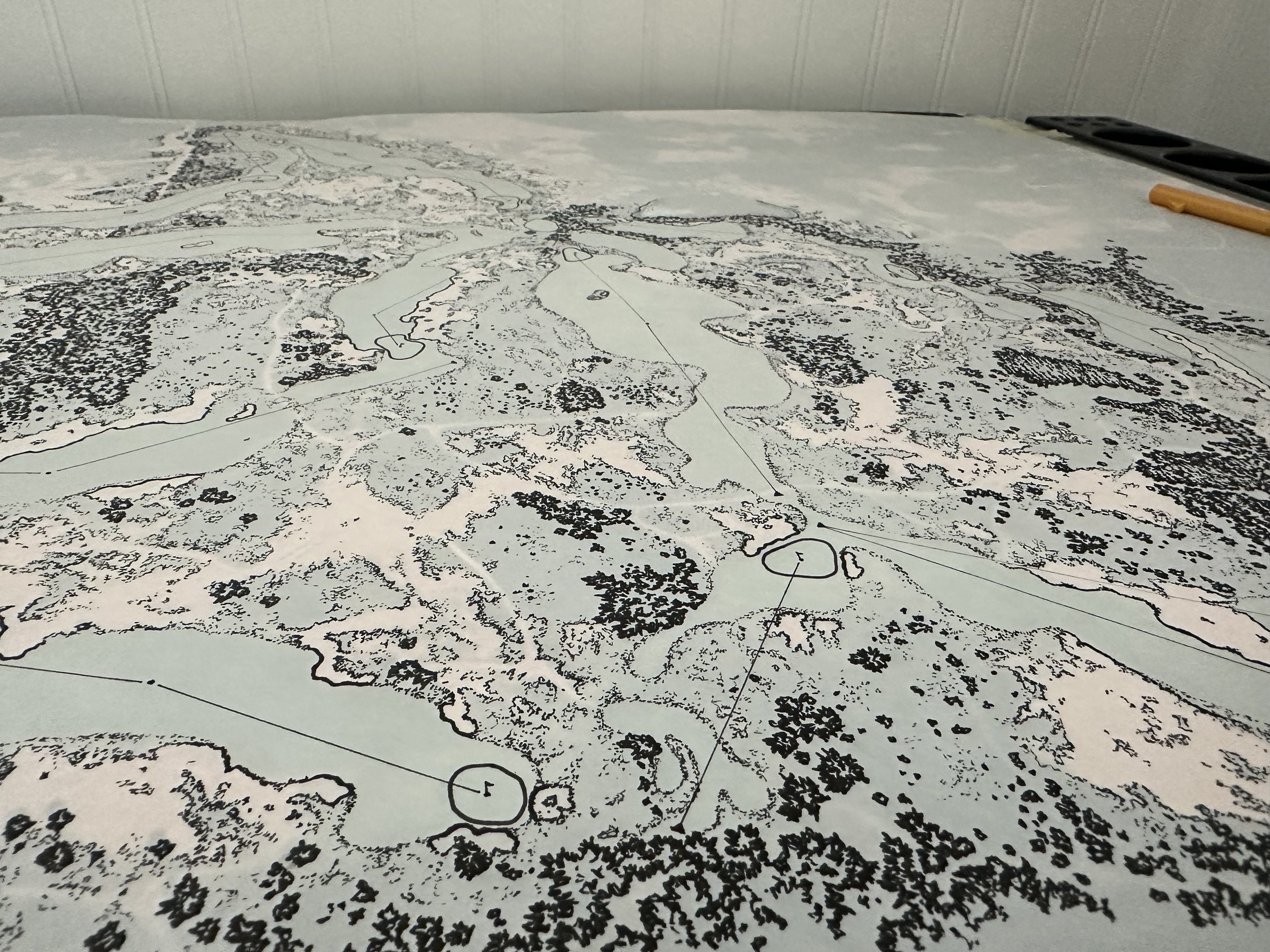
The Blue Mound blueprint hot off the press. The style is simplistic and based off various Raynor drawing styles, especially one version of his for Blue Mound itself.

Plan Drawings for Individual Client

I received an interesting call this spring from someone who was a member at a number of clubs and wanted to have some drawings done of those courses. They were a pretty cool set of courses (Blue Mound, Lawsonia, Sand Valley, and Concession), and I had a little “slower” spot in the schedule forthcoming, so I decided to help him out. Also, it would be great to keep my drawing skills sharp as well as try my hand at some different styles, since we decided to give each drawing/course its own character. He also liked the idea of making them blueprint style, so they had to be drawn and edited with that type of color inversion in mind. It was a very fun exercise, and it brought back a lot of good memories visiting those great Wisconsin courses six years ago.
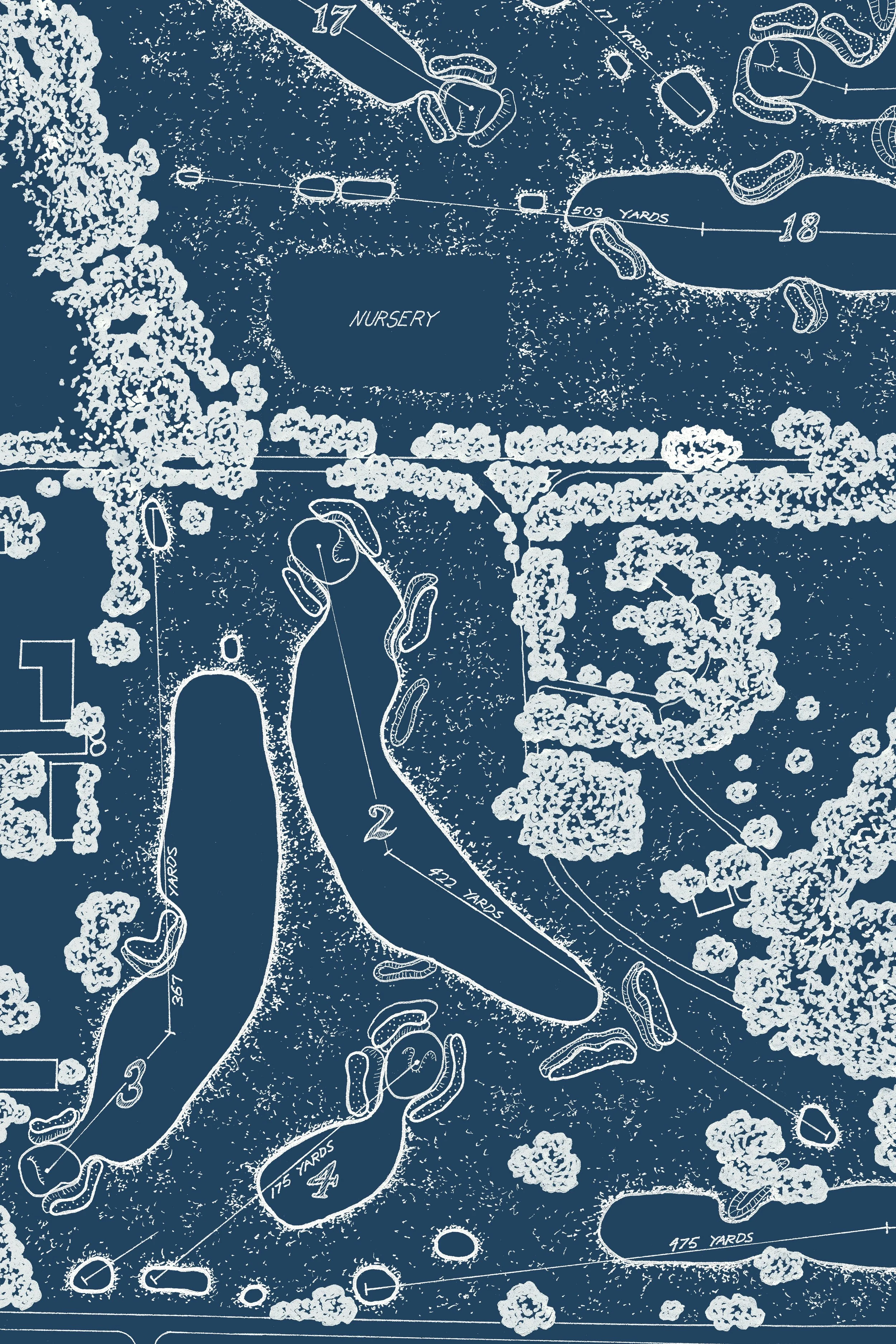
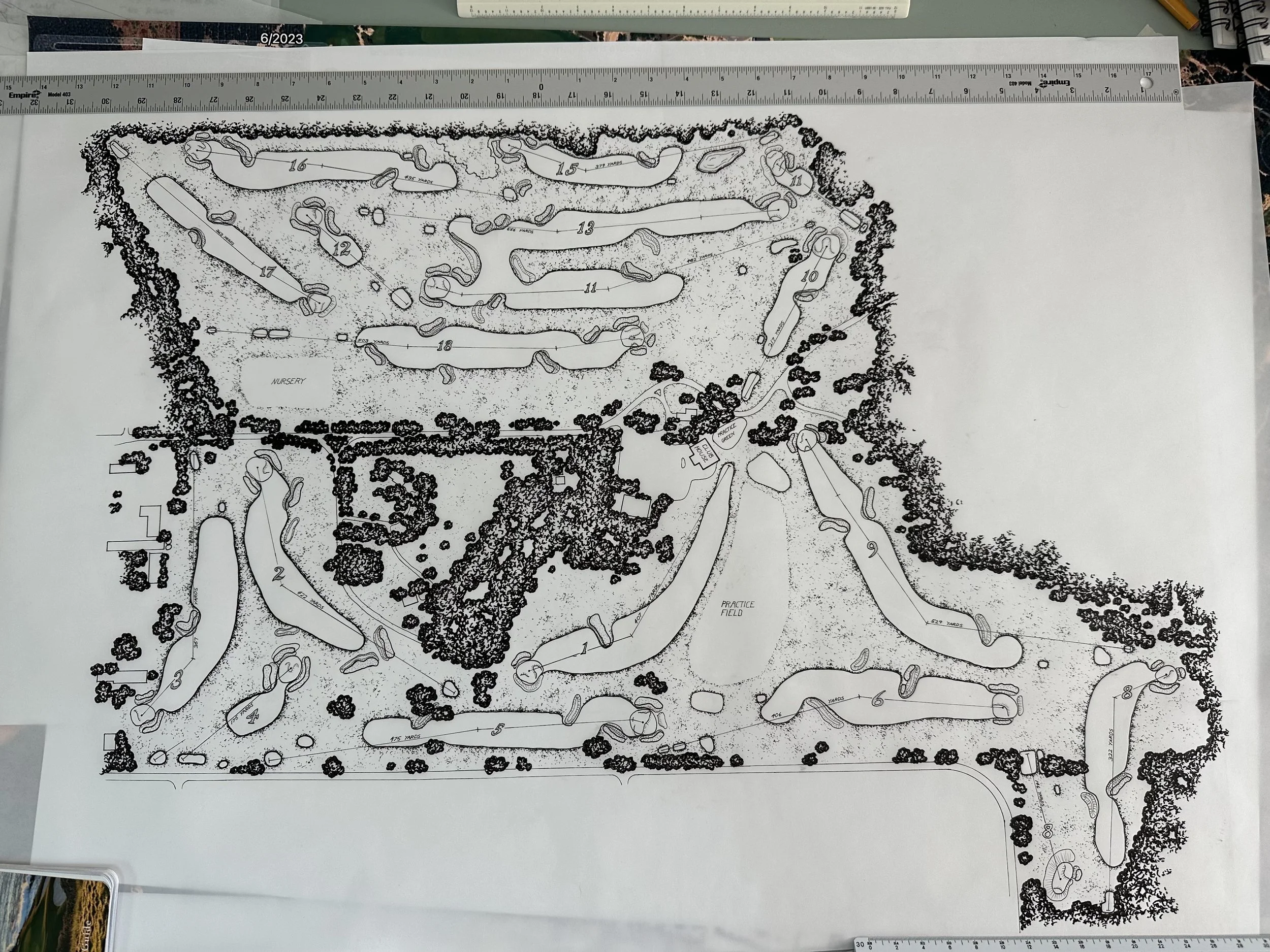
Above: Lawsonia (top 2) and Sand Valley (bottom 2) in both blueprint detail and the raw pen form on the table

Shaping Highlights
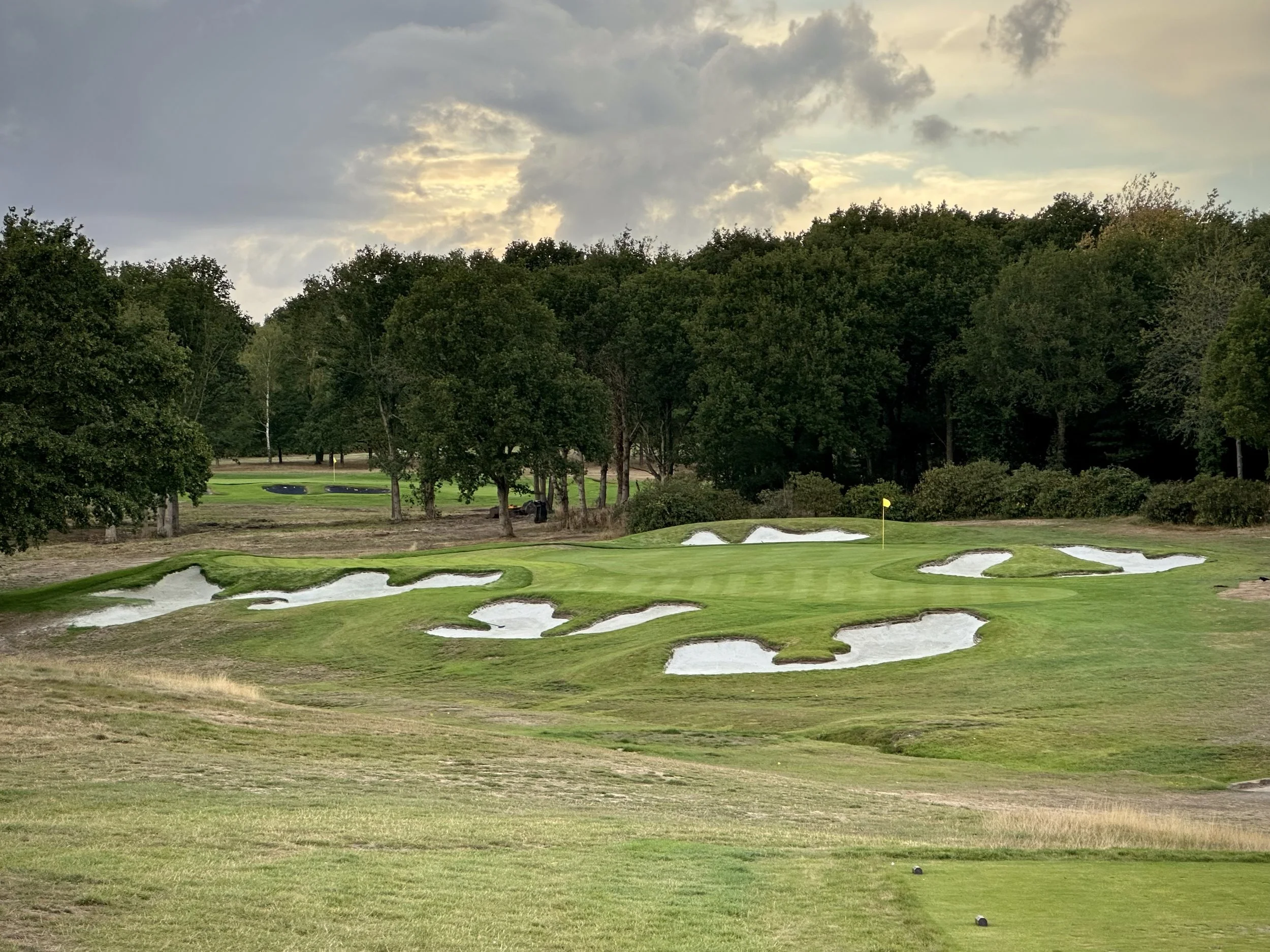
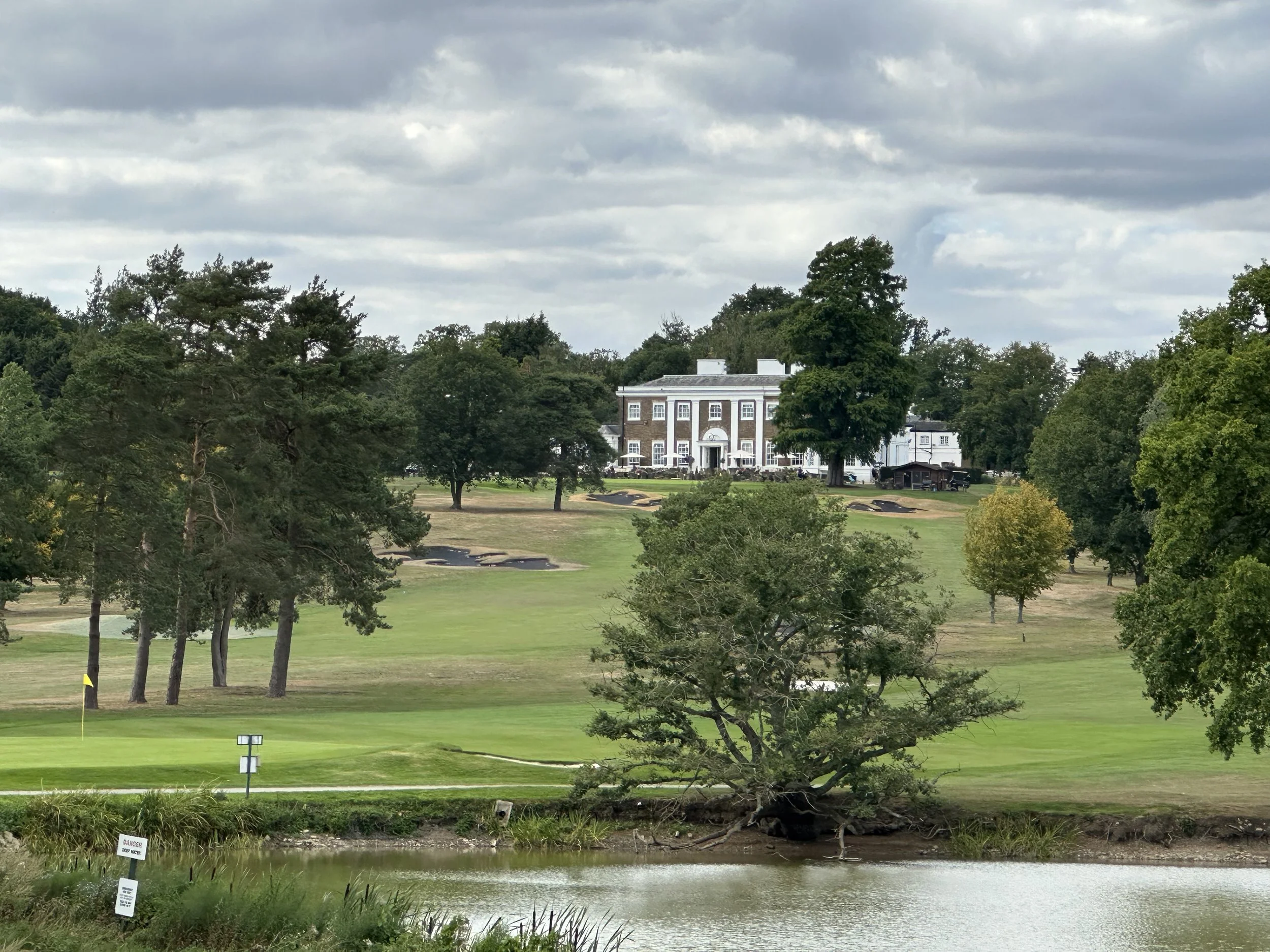
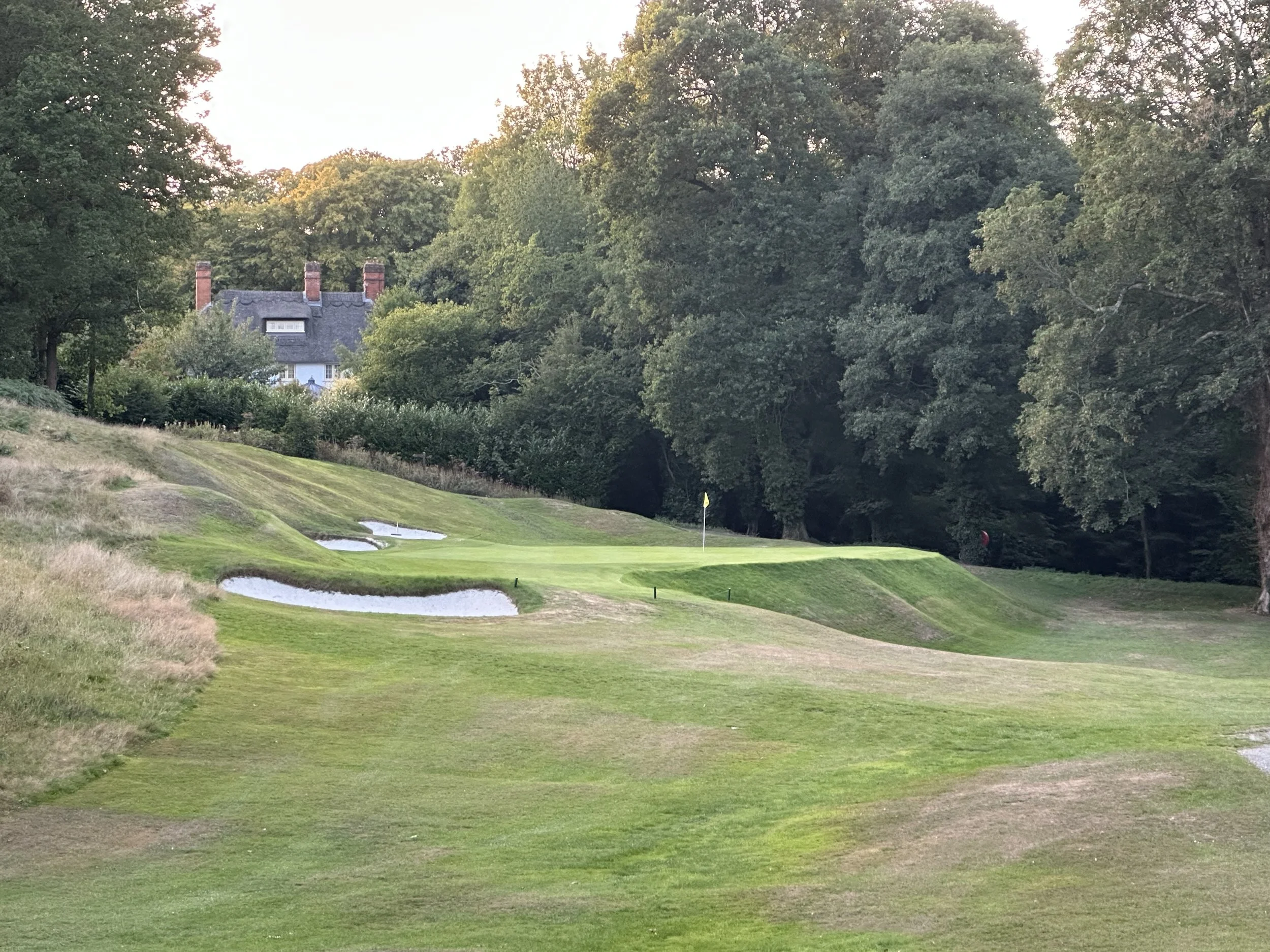
The penultimate hole at Hadley Wood, (mostly) restored to MacKenzie’s greatness.

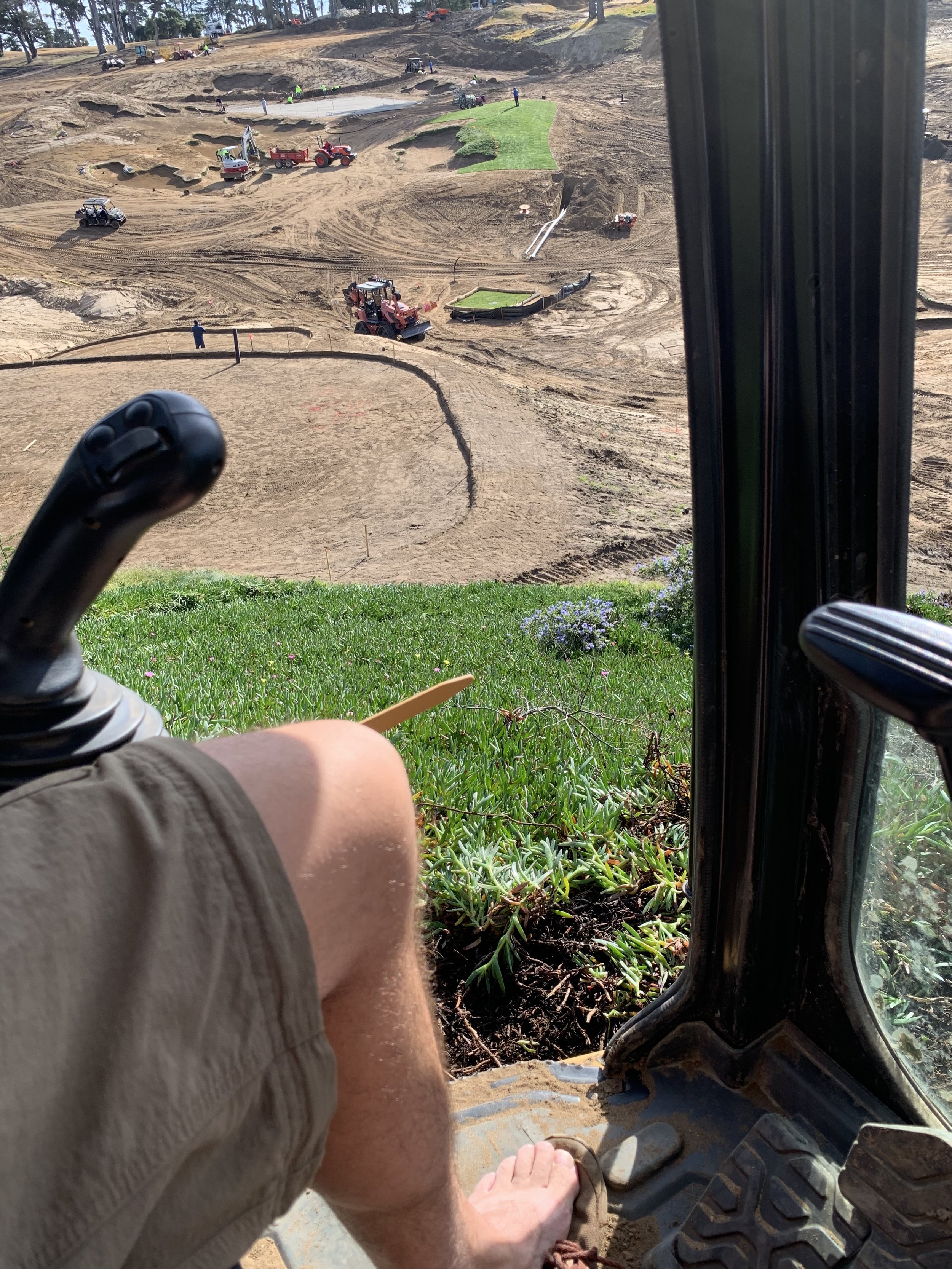
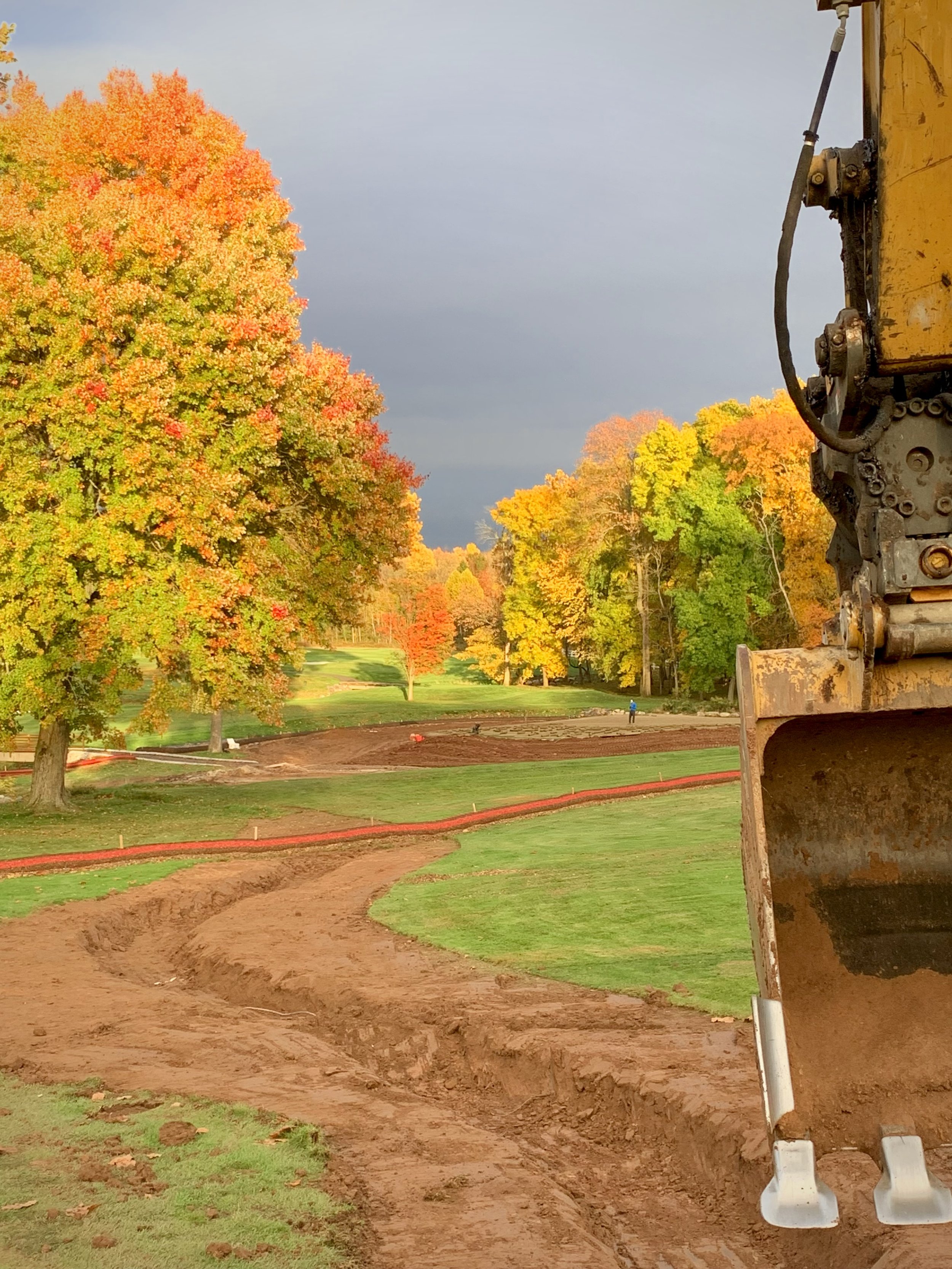
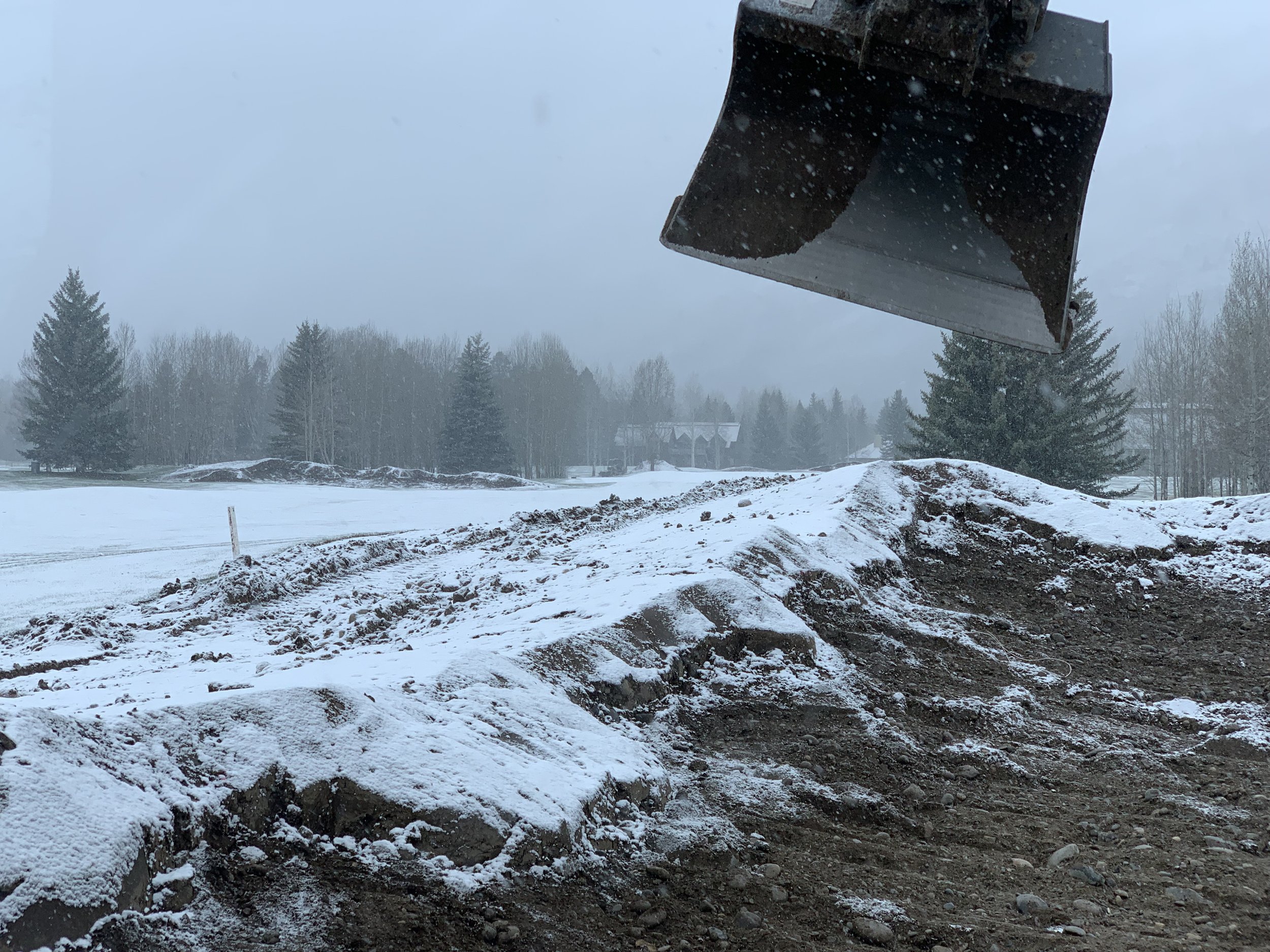
Outside of working the Northwood tees in a skid steer, there was only one significant bit of shaping, that a continuation of the Hadley Wood project with Clyde Johnson. While it was nice to be tasked with some different stuff this year—planning for exciting new projects under the HD umbrella—it was also really good to get back in the machine at Hadley, and at the end of each stint, I felt myself longing for a few more holes to do. There should be some more feeding that of that creative itch in the coming years.


Hadley Wood Barnet, Hertfordshire, England—Clyde Johnson renovation

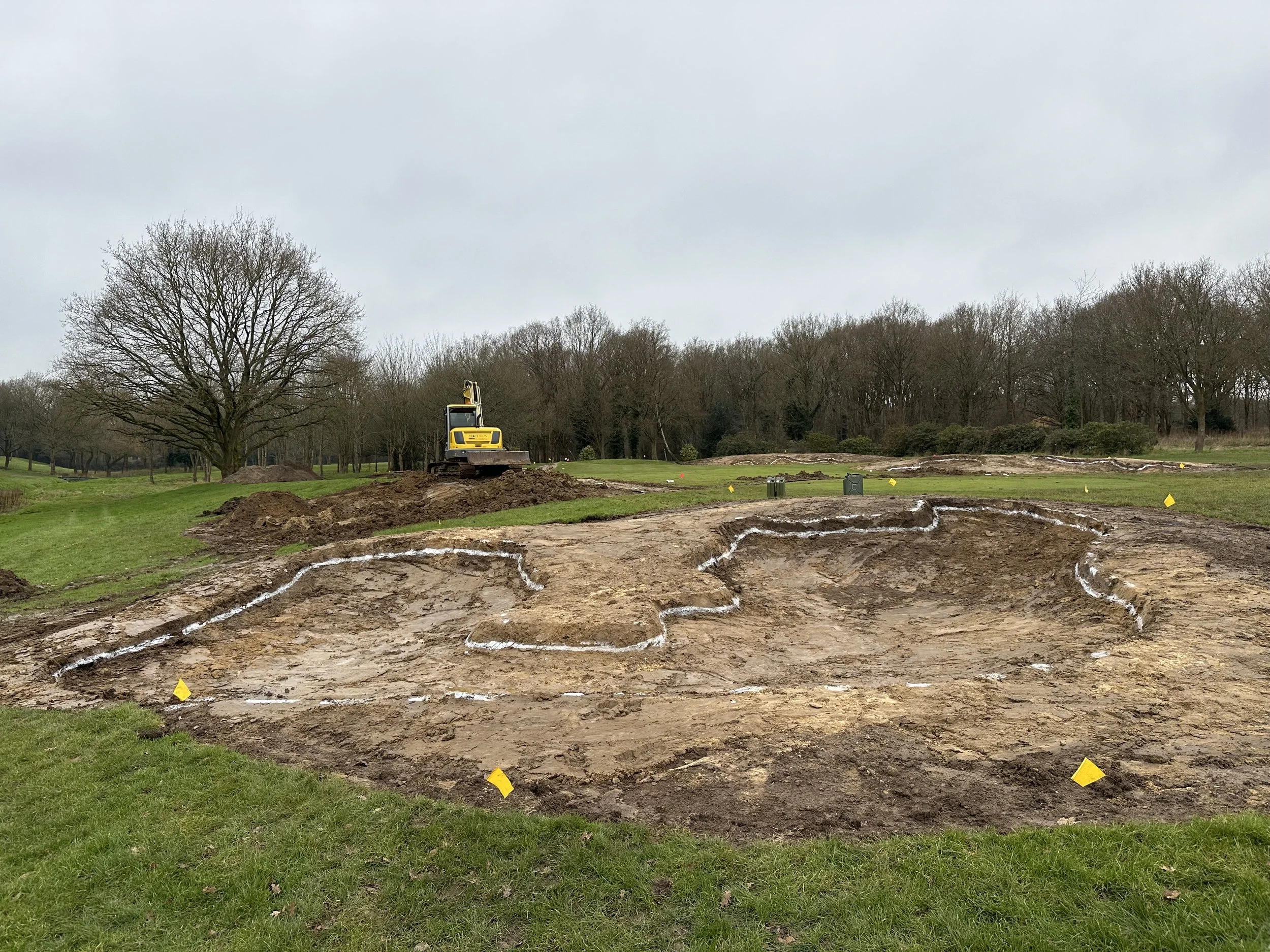
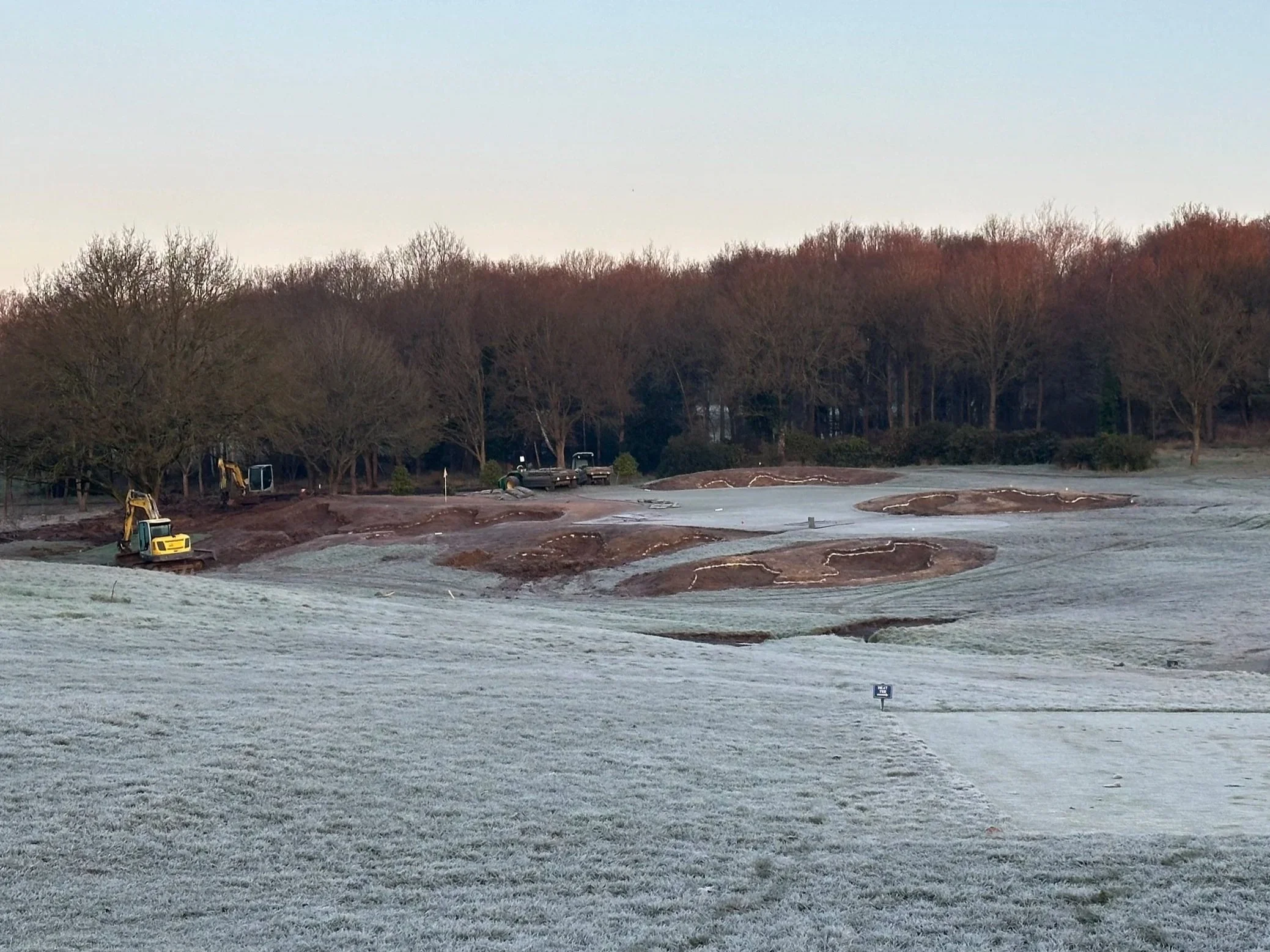
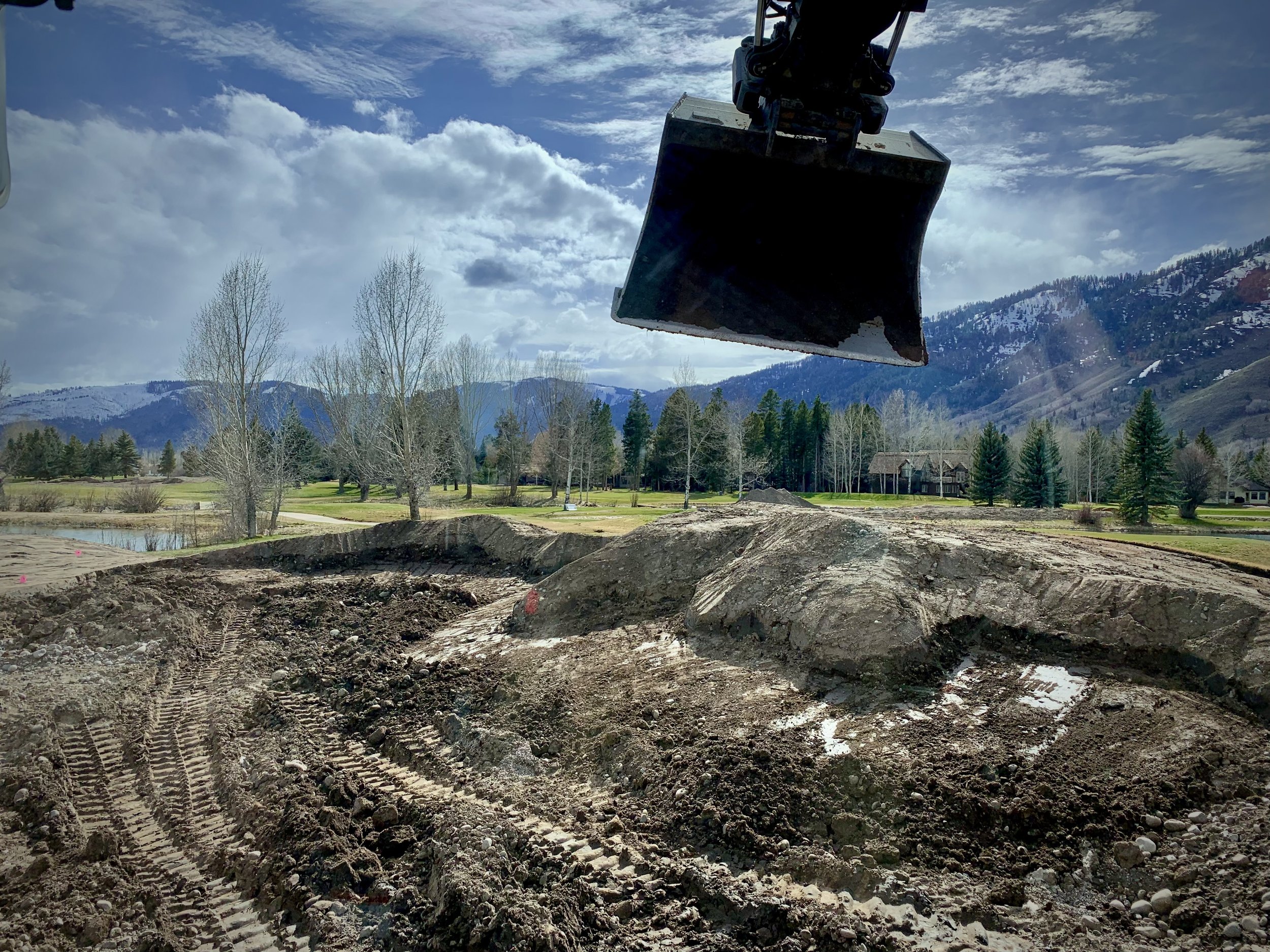
With the front nine completed after last year’s 6-hole project, the club was keen to knock out the entire back nine while still keeping the same 6-7 week summer closure window. With that, we ended up splitting the work, braving the wet English winter weather and infamous London Clay to push forward with 3 holes of work in January and February.

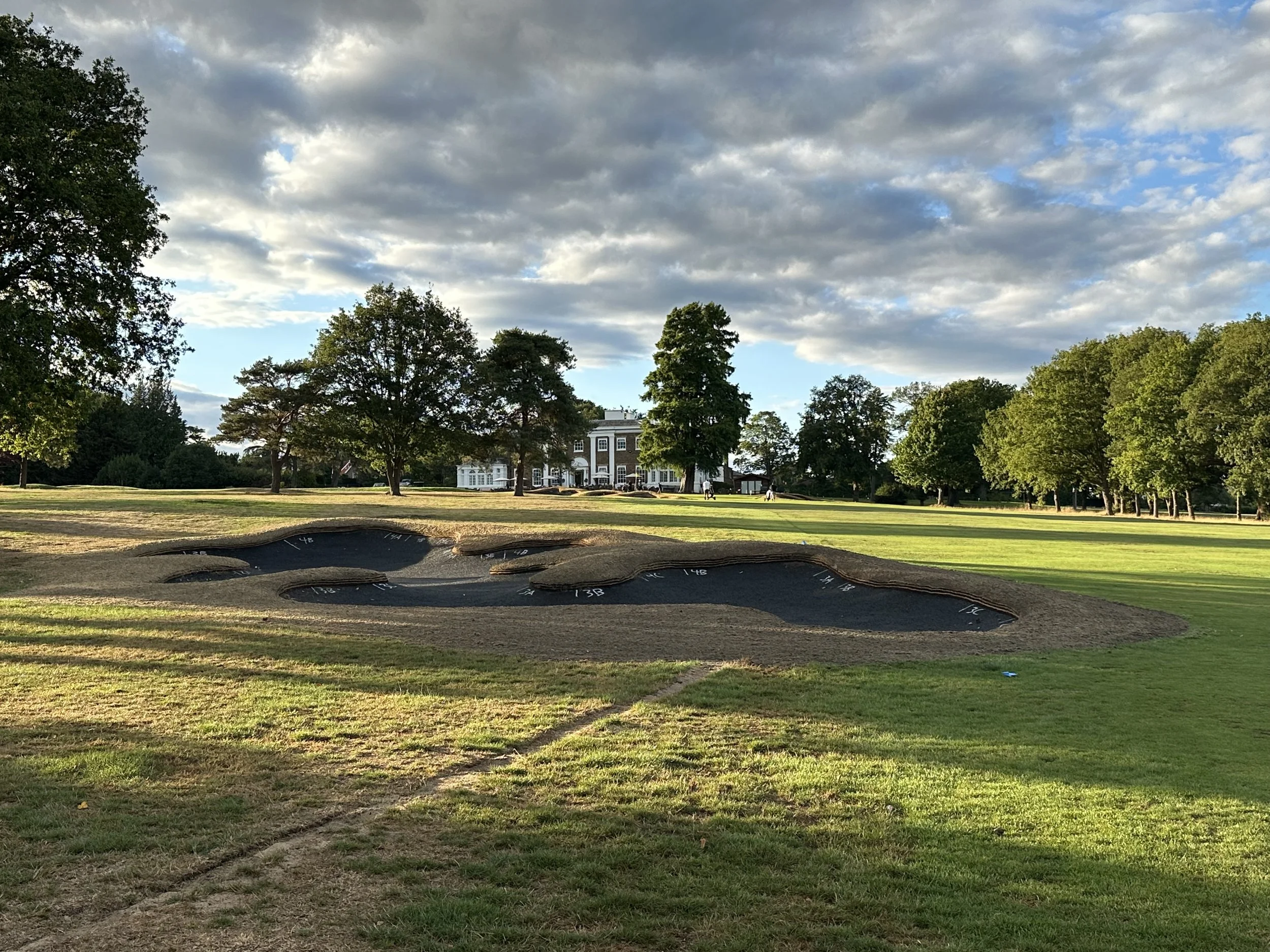
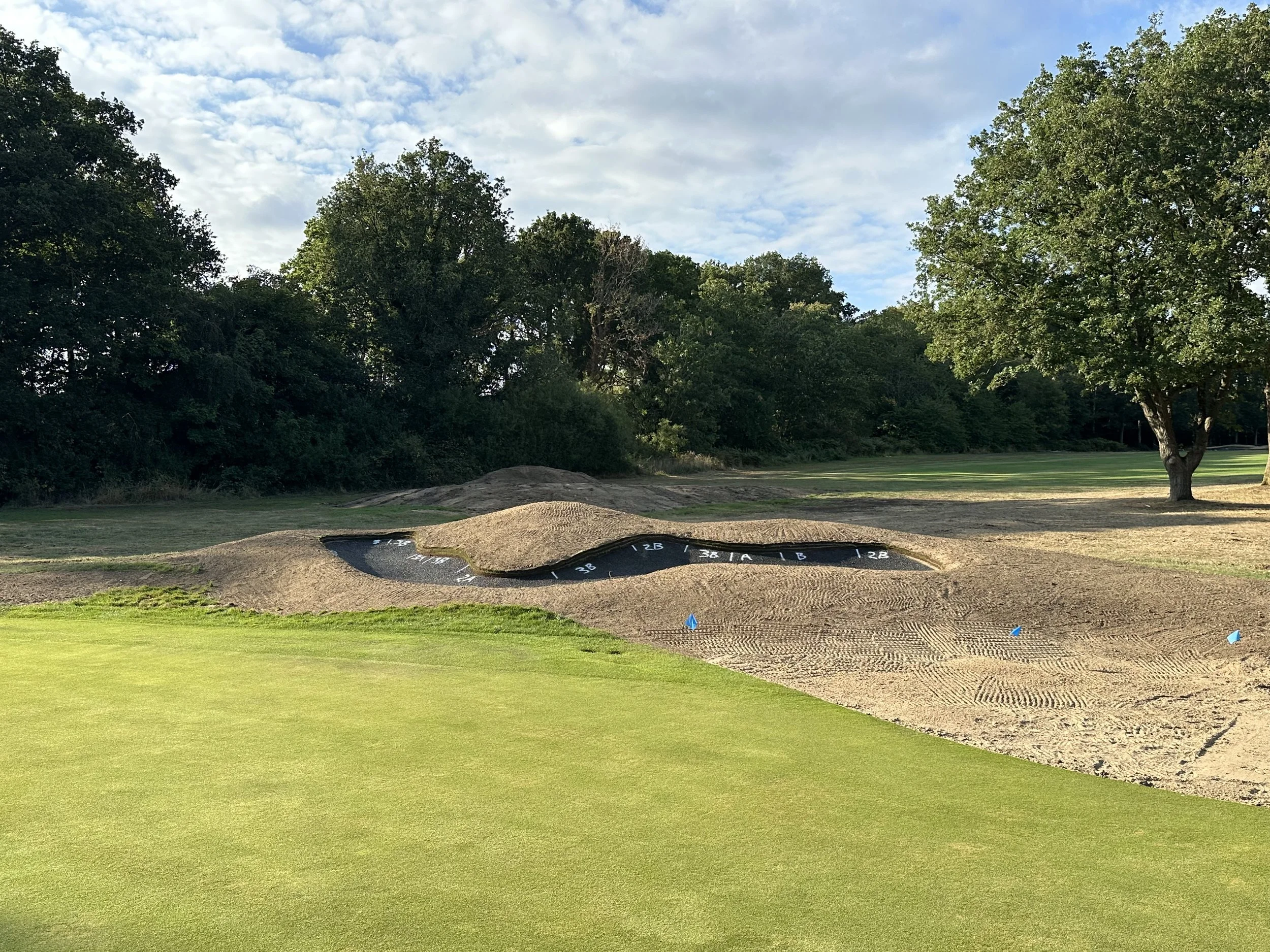
It was indeed wet. And muddy. And very difficult to get around. Yet we persisted and were able to get the shaping done on those 3 holes as well as most of the secondary steps, which, with the Blinder liner system, includes editing of a stone base layer, painting “code” for the number of sod revets to rebuild the edge, and editing the re-applied topsoil to the area. Because the weather got so bad at the end, we weren’t able to fully oversee the final topsoiling. But with pictures, notes, and the help of hands-on head greenkeeper Peter Thompson, Andy Appleby and his Finish Golf crew were able to do fine work in our absence.

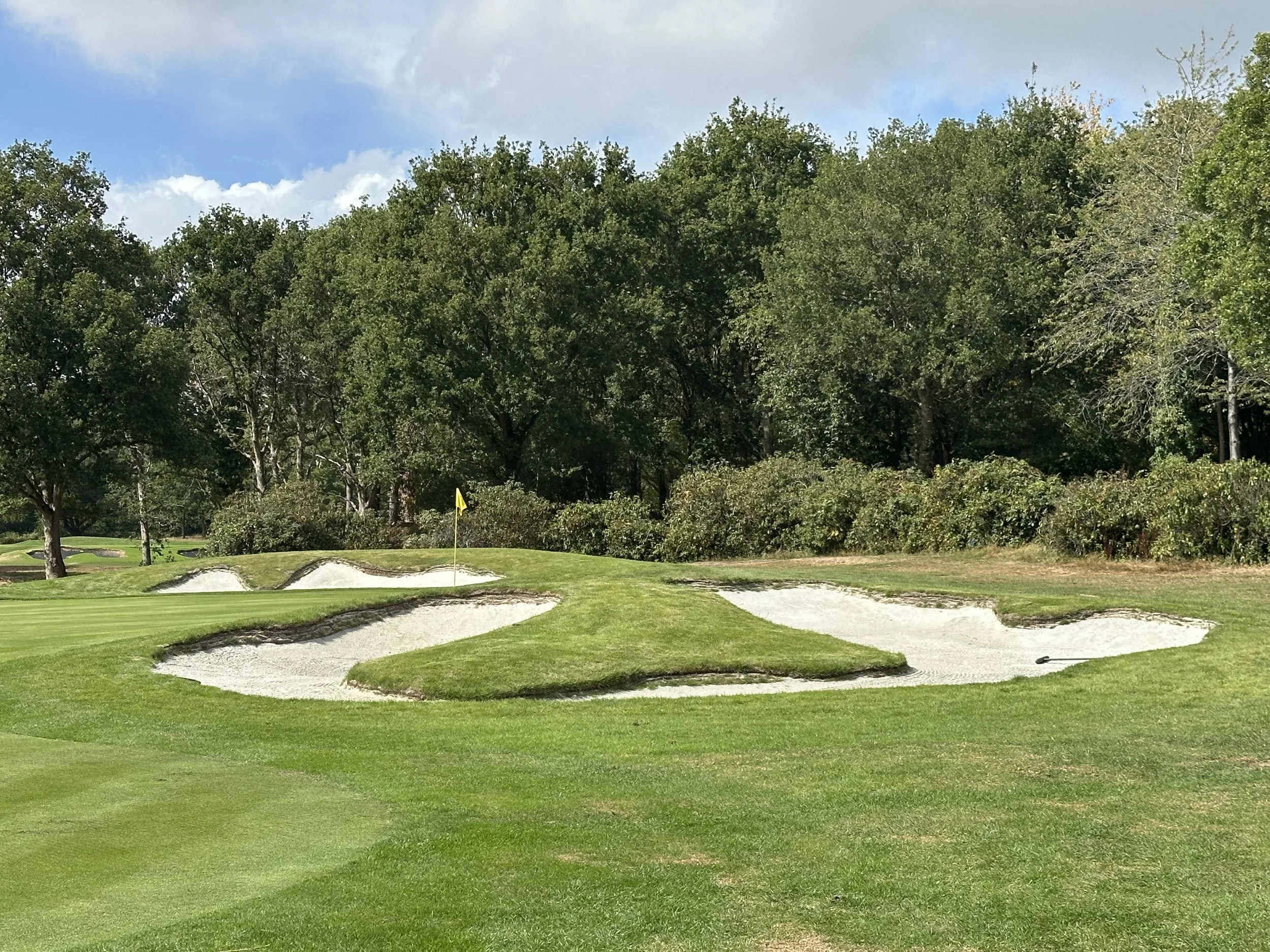
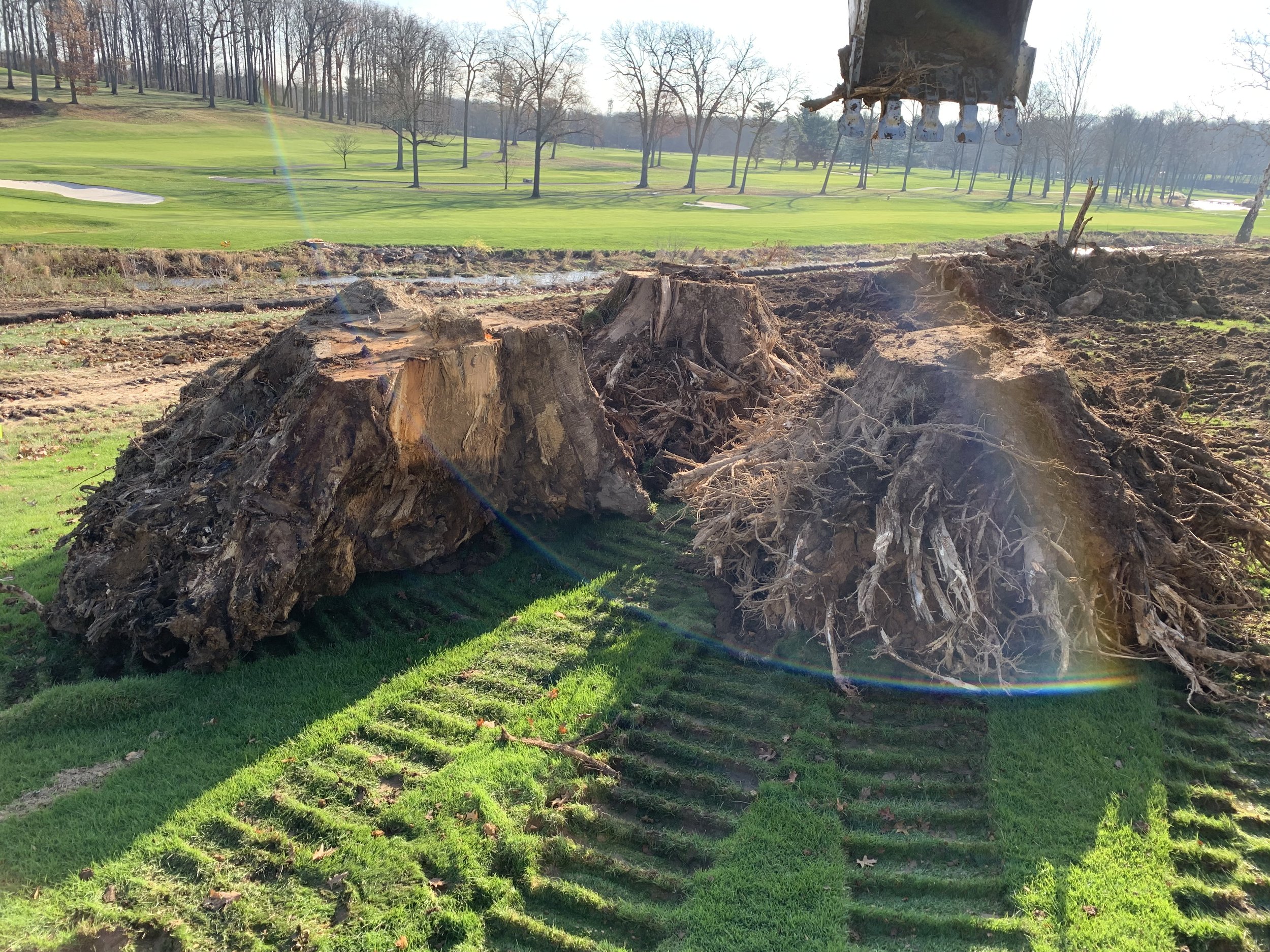
This was particularly notable on the 17th hole, which was the only hole I did any shaping on this phase (Clyde handled holes 10 and 18 as well as tag-teaming what I’m about to discuss at 17). The 17th was a really fun one and one of the few where we could do some true restoration, thanks to some great ground photos from the earliest days of the course. Four bunkers of the five-bunker array were fully restored, and a 5th was brought back to scale in a compromise. The reason for this was the location of the original, which was down the slope closer to Green Brook and completely detached from the current green. It was agreed by everyone the reason for that was that the green was all the way down to the edge of the ridge drop-off there, just above that original bunker. It would’ve been cool to put that all the way back, but it also would’ve been impossible at modern green speeds, given the dramatic amount of elevation change. There was, however, still a desire for more green surface and pinnable area, a theme at a number of holes on the course and this one particularly also. Clyde thus came up with a solution to bring a part of the green back out to the Brook, but at a higher elevation that balls could still be rolled down towards the edge but not rocket off the green. The bunker could then be built into that new green area while also chasing halfway down the slope to the Brook, regaining its once grand scale while remaining high enough out of the flood zone. The end result, especially when coupled with some great tree work to the rear, is one of the more dramatic transformations of the project and a hole that feels distinctly ‘MacKenzie.’
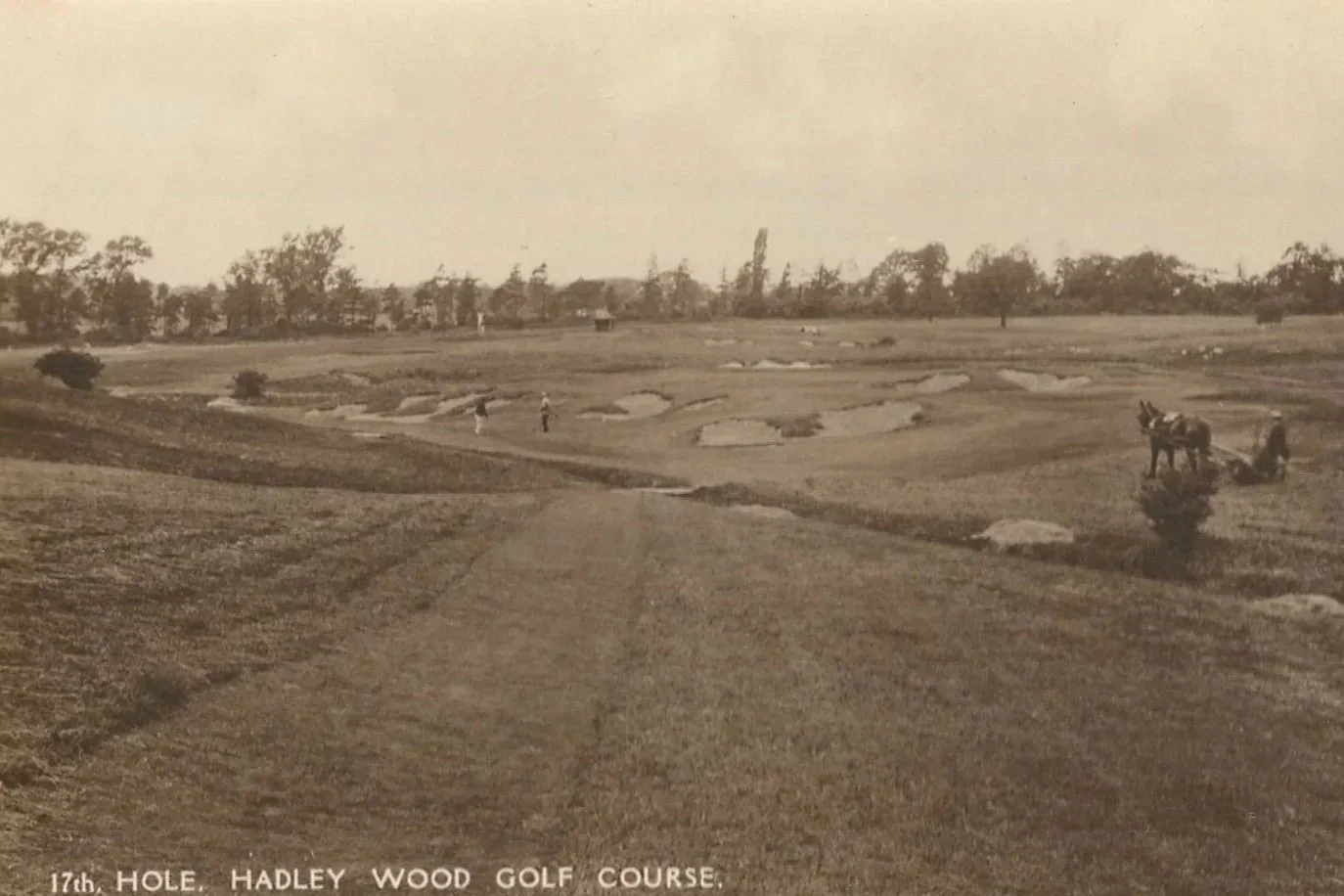
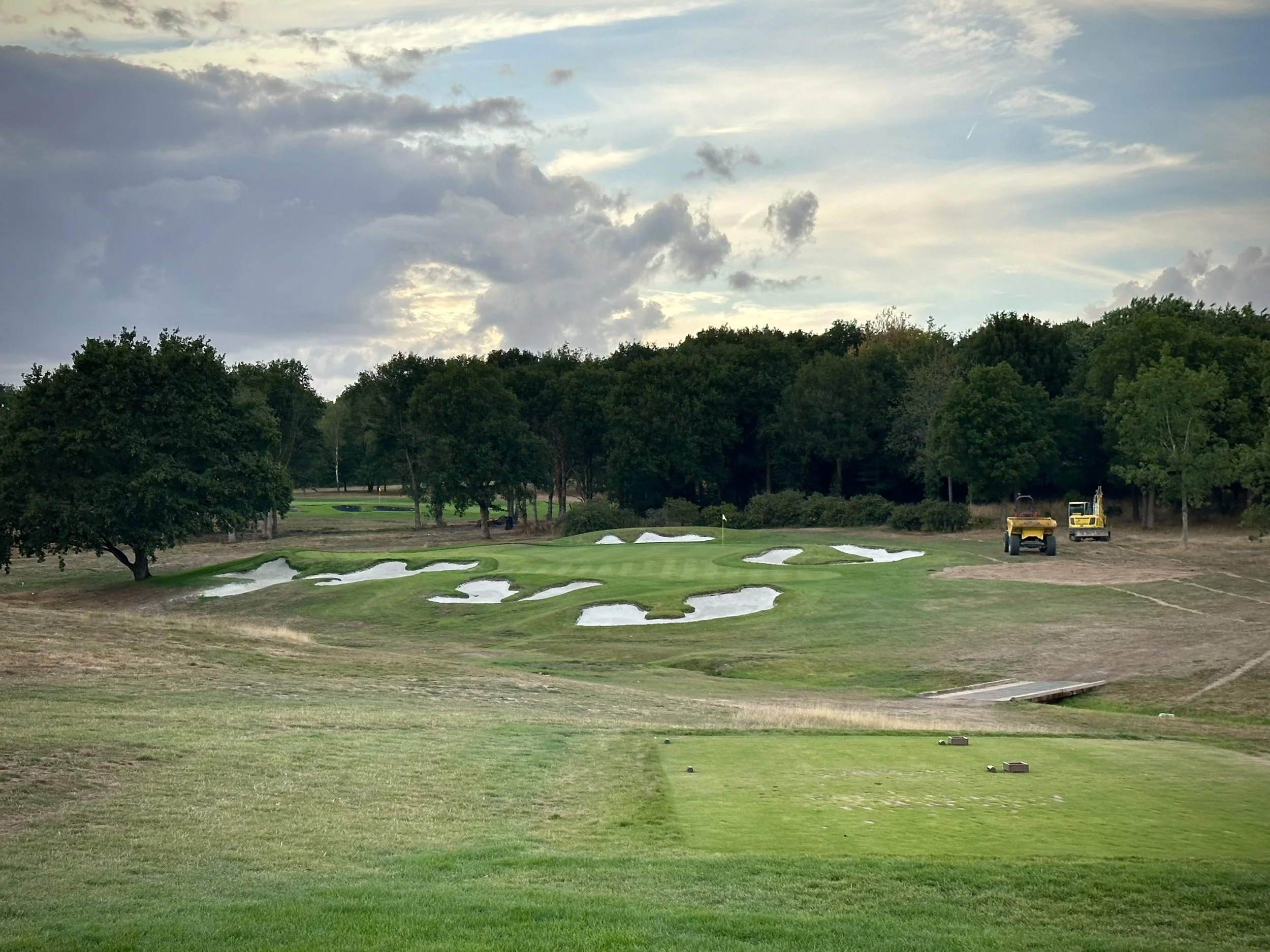
Above: a comparison of the original 17th with the newly restored version, working in the mud, and some close up details highlighting the edge-variation and MacKenzie’s unusual flair

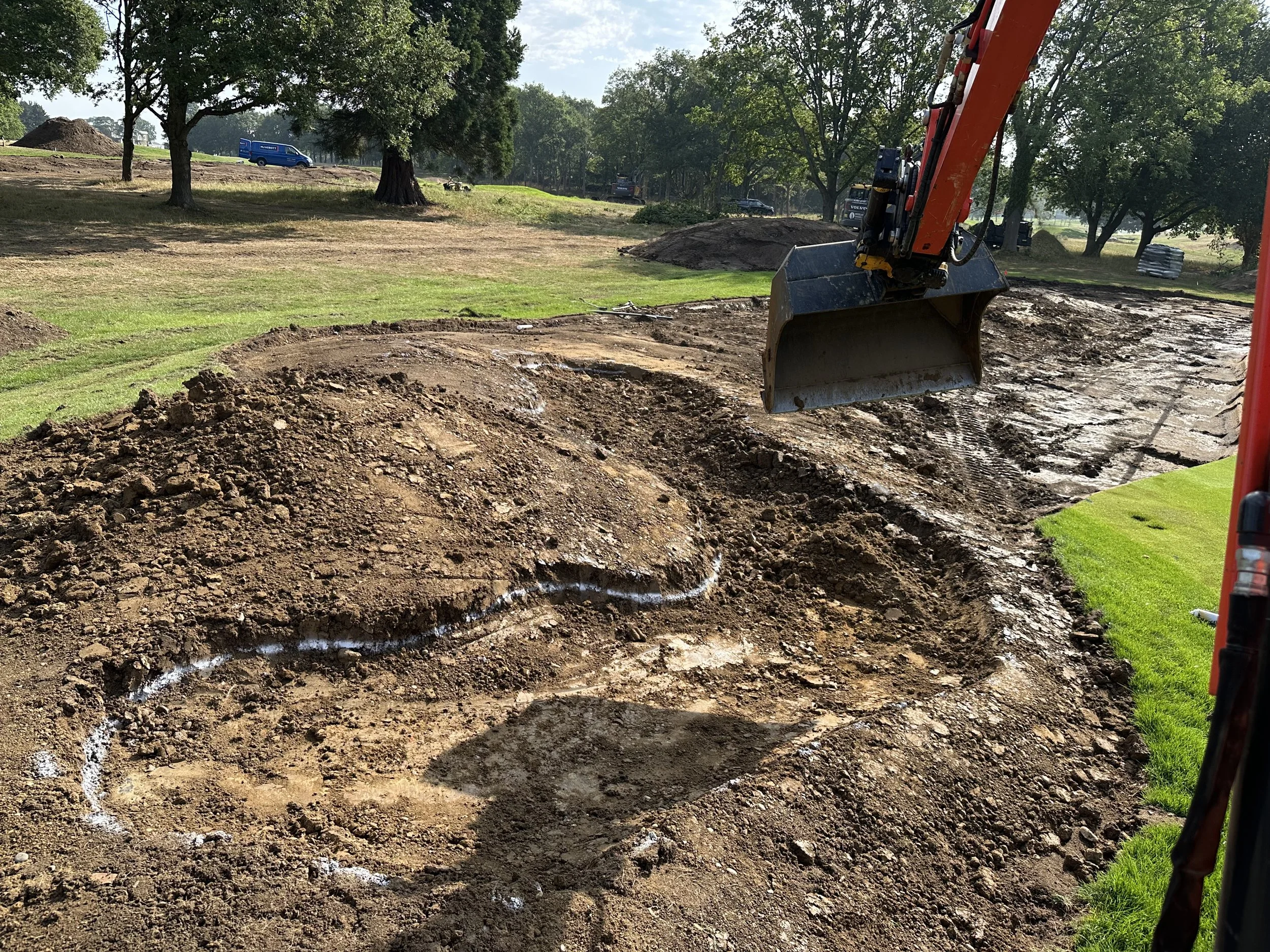
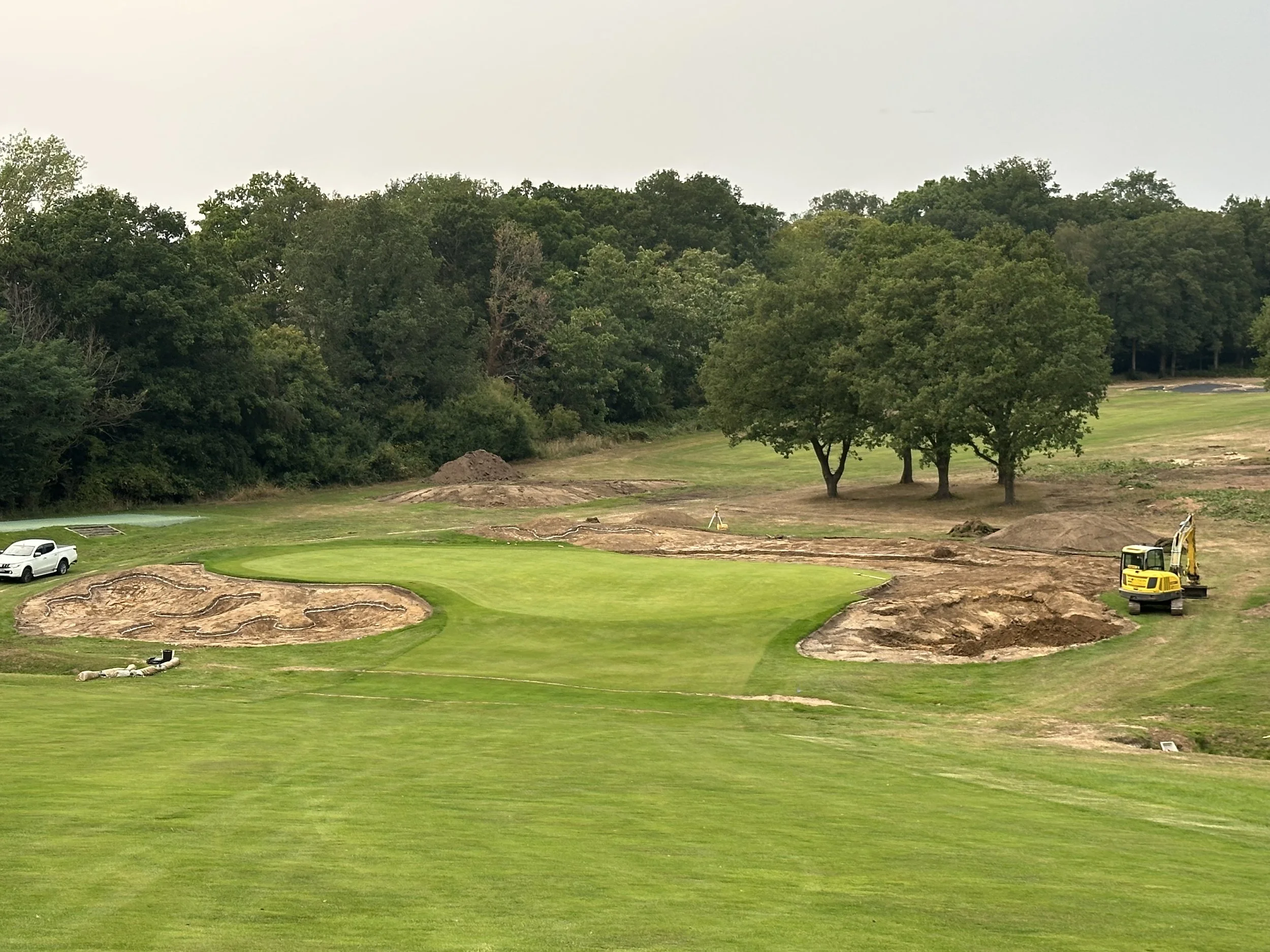
In the summer, the work was able to flow fast and efficiently, especially continuing to split duties with Clyde. I worked on holes 11, 13, and 15, while he knocked out 12, 14, 16, and the green expansion on 13. 11 and 12 also received green expansions, the latter a clever one just sitting on the ground waiting to happen.

On 11, a big serpentine fairway bunker that once sat in the foreground (the base landforms for which still sit out there but filled in and softened) got moved up into the spot of a smaller abandoned bunker. I used the aerial for that to fit it in as best as possible, occasionally referencing that other relic landform for a sense of scale and angle. At the green, we shifted the balance of an equal ‘bunker left-bunker right’ scheme more to the left, making the left greenside bunker larger and adding a smaller foreground bunker following the same angle to visually cross over the green more, especially when seen from the left side of the fairway. The right bunker was then shrunken and shortened to allow more weak shots to be pushed right and wind up short of it (something that will happen more now with the short left bunker), leaving the need to pitch over the sand, especially at a sneaky new tucked pin back right.
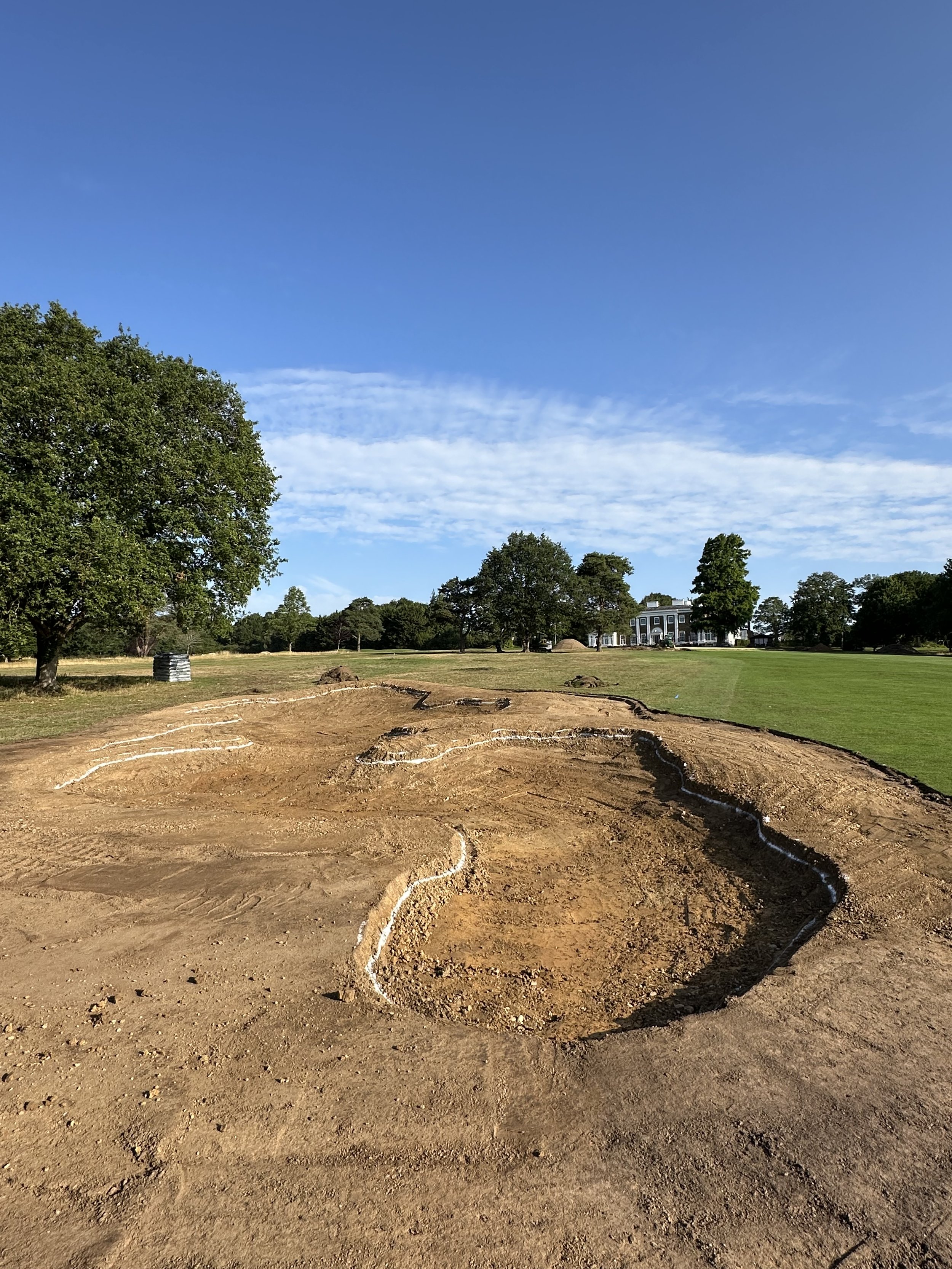
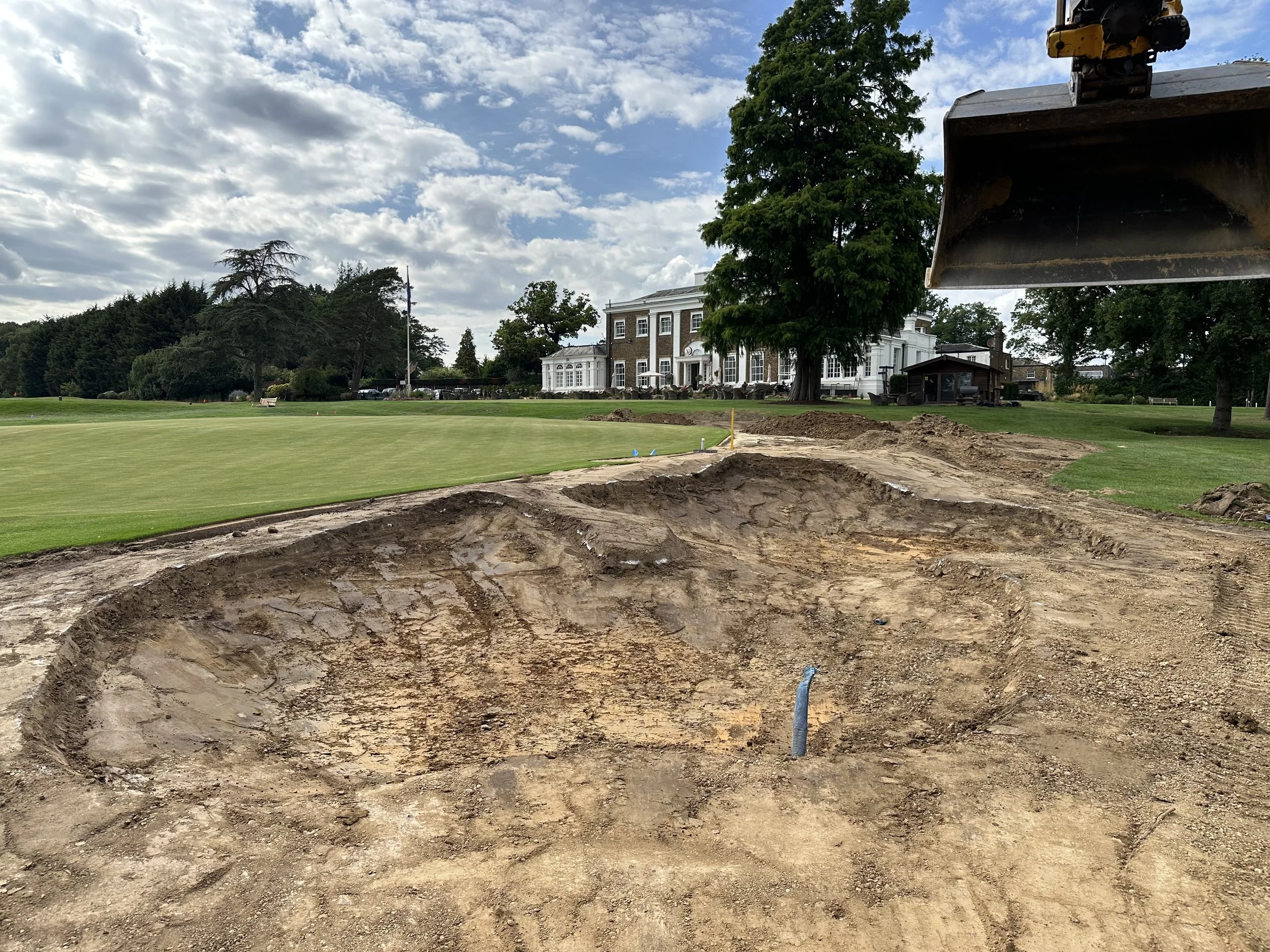
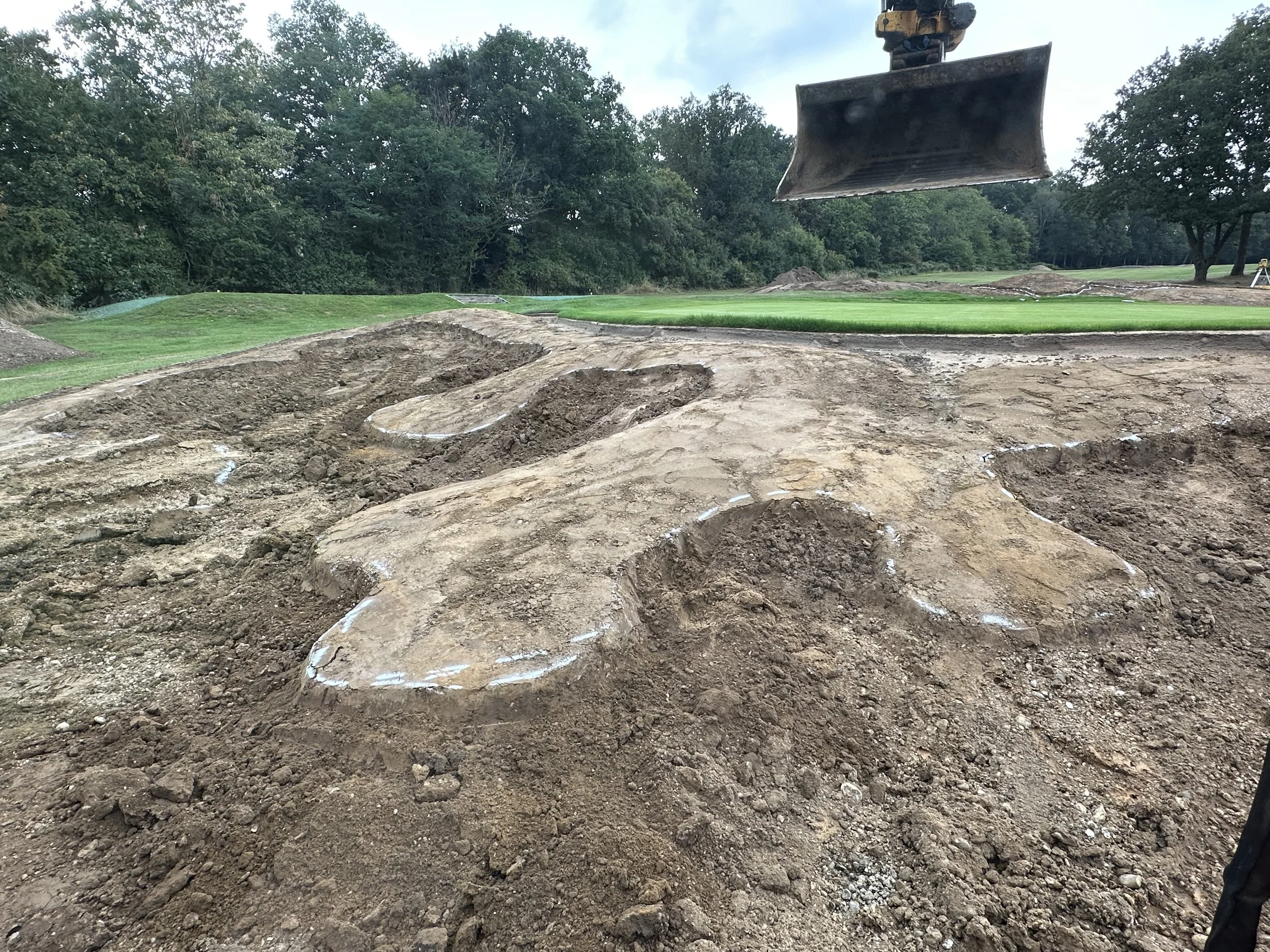
Hole 13, like 17, was another restoration effort plus green expansion. The three bunkers were all put back to opening day photos, including a skinny, snaking little guy wrapping around a back central mound that was still there. I haven’t ever quite shaped one like it before, which was cool. The green was also expanded to the rear and out to the right behind the restored right bunker. Tree removal in this area also made for a dramatic transformation, allowing airflow, sunlight, and the ability to shift the 16th tee. It also opened views between the holes in this corner—13, 14, 15, 16—making for a feeling of being in a big enclosed room in this corner of the property (a room that also has a window looking down the Brook all the way to holes on the distant front 9, with several flagsticks in sight highlighting MacKenzie’s great ability to maximize a natural feature).
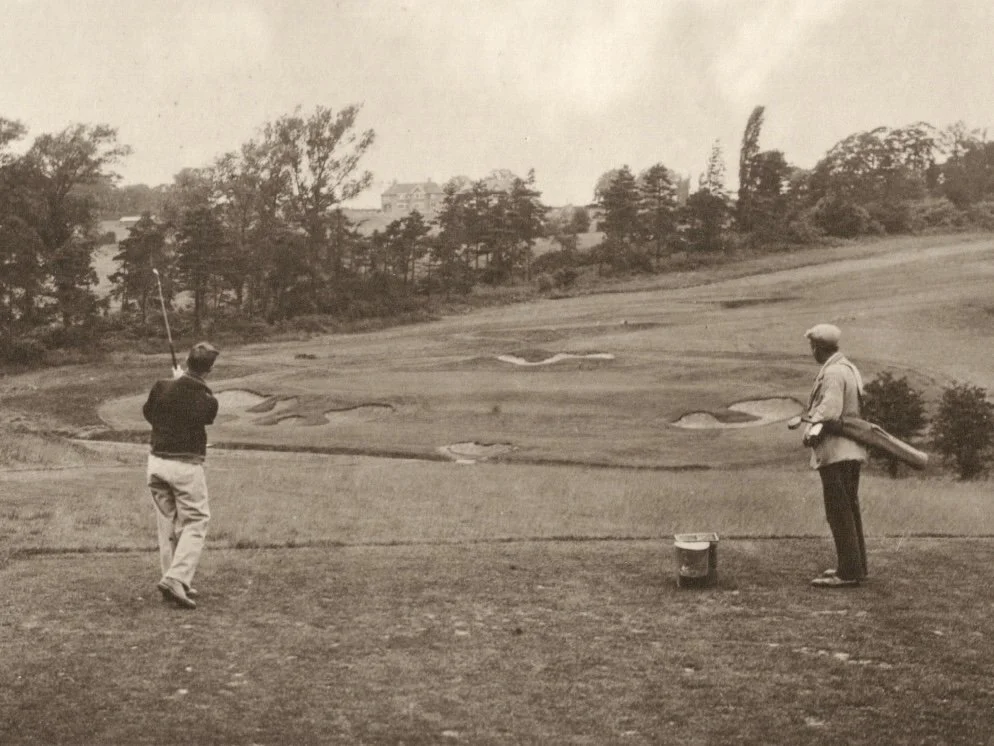
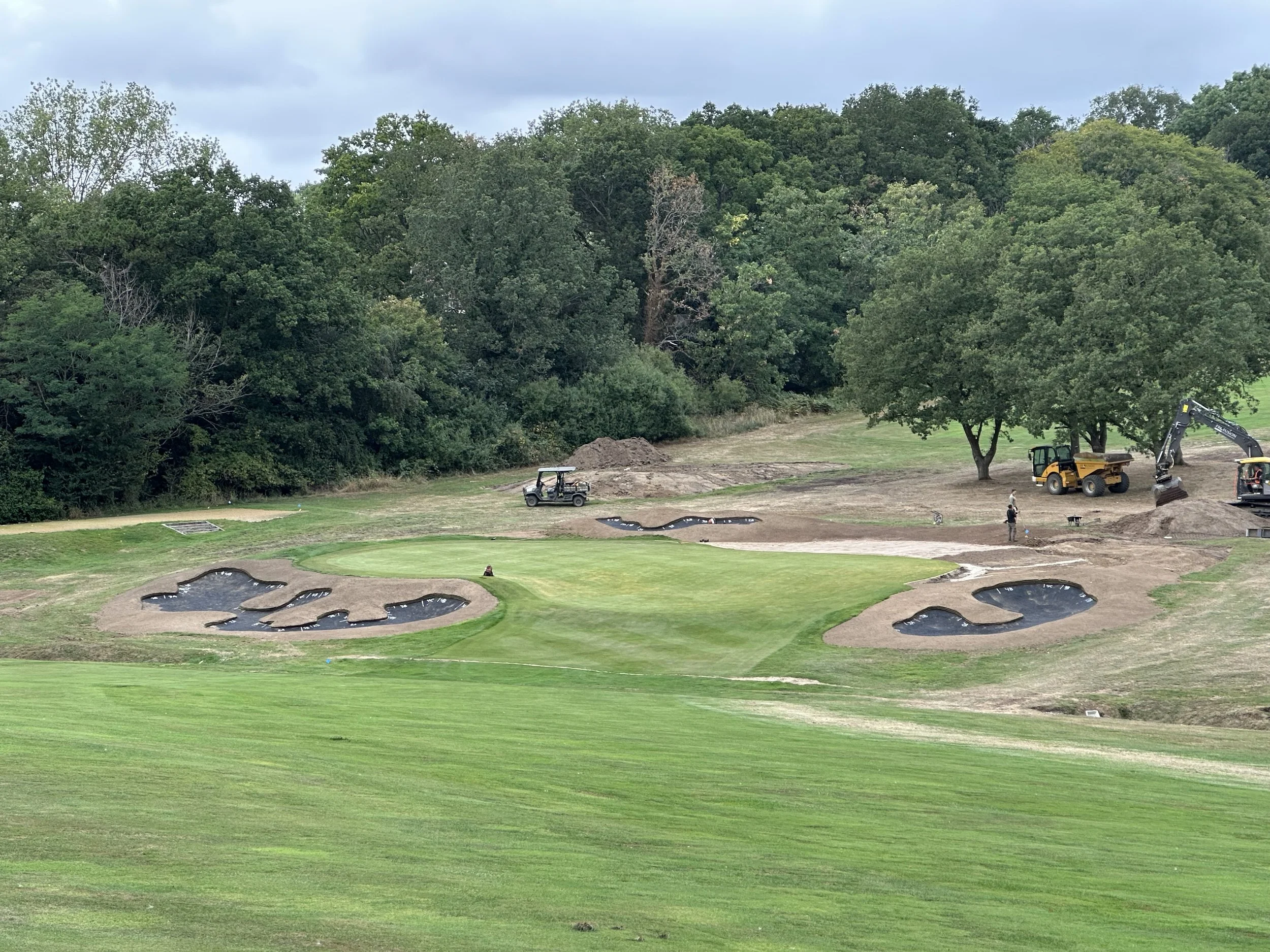
Above: the original green next to the freshly-finished restored bunkers before grassing, mid-shaping images, and a closer detail of the funny little back bunker

Hole 15 was more subtle/small work yet impactful in its own way. Where a single bunker left of the green was not visible before, there are now two over there that show themselves all the way back up to the tee. Another little pot-like bunker was added in a little depression in the high-kicker zone short right of the green. Additionally, a field decision was made to add another small pot-like bunker on a ridge about 20 yards short right of the green. This should only affect those longest hitters giving it a go at the green and is placed in the spot right about where you want your ball to run through to follow the slopes onto the putting surface.
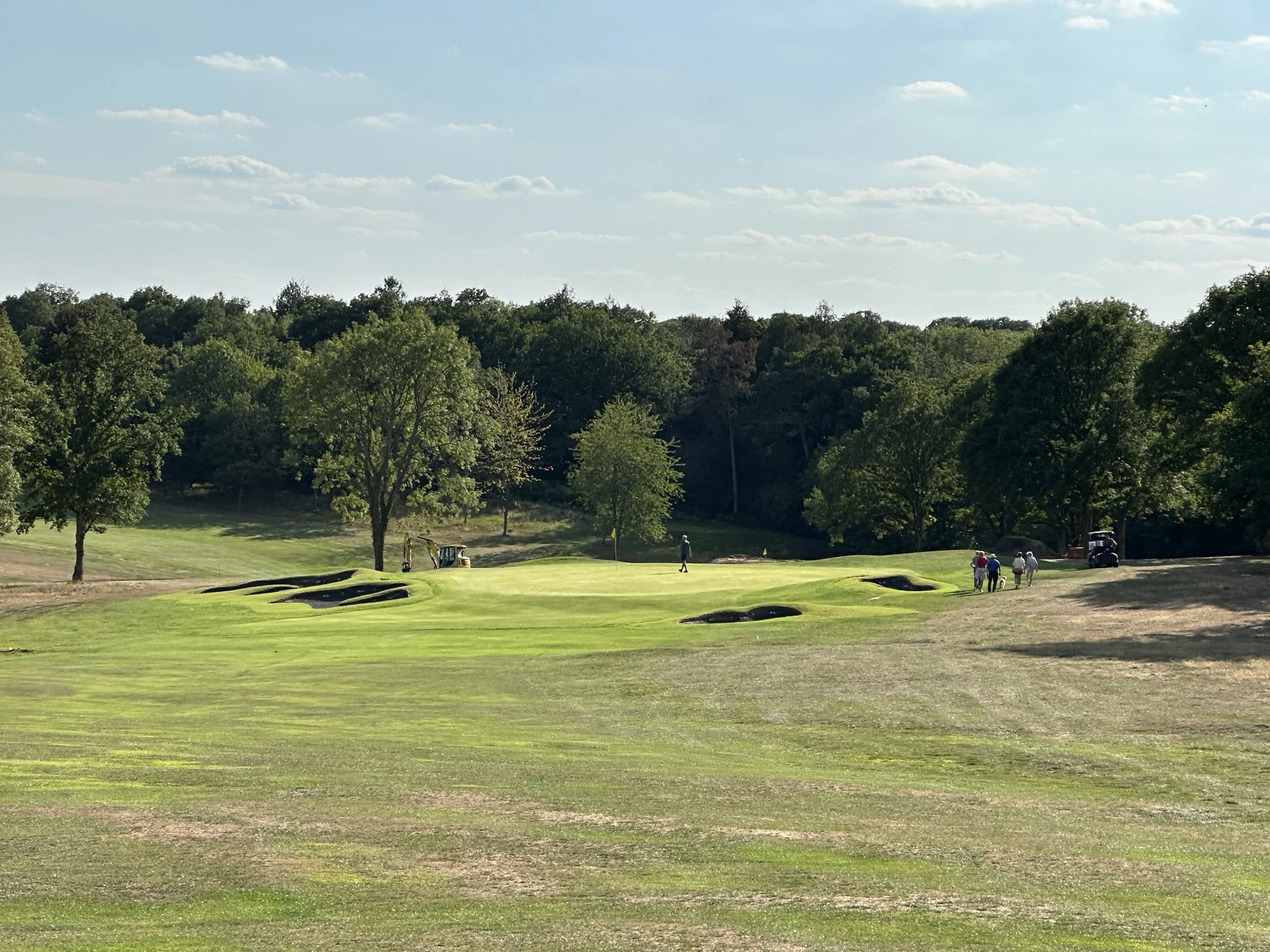
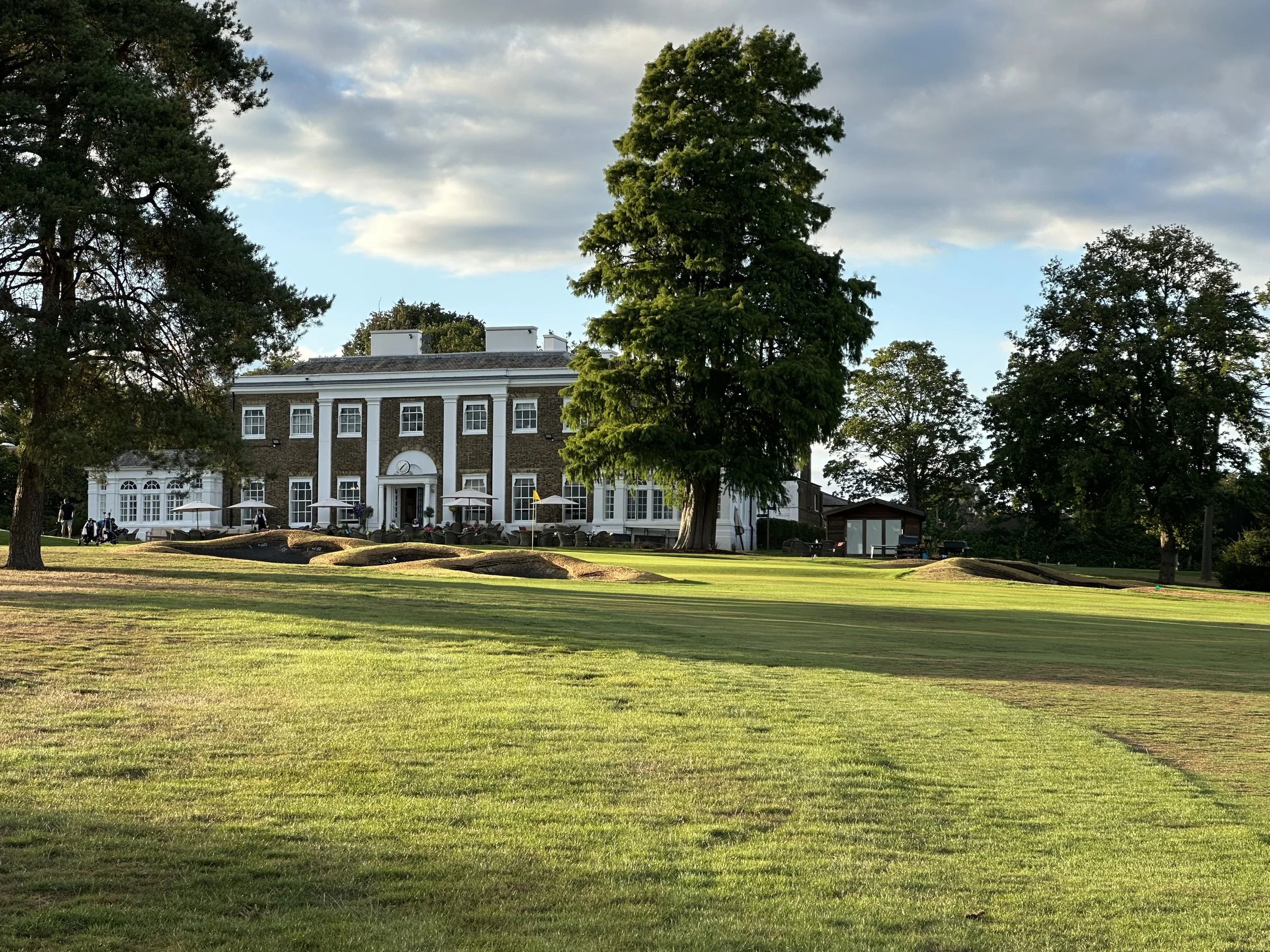
Much more sand both present and visible at the 15th. Also views up into the 13th fairway behind following tree work.

On the other holes, Clyde did some really neat and flashy work, carefully layering bunkers in MacKenzie-like compositions. These holes will be real showstoppers and are big improvements upon their previous iterations.

I really enjoyed my time working at Hadley Wood, and I wish there were more phases to do so I could come back to help. The work was a lot of fun, but the people there, both at the club and on the project, were even better. Great lunch specials, also :)


Northwood GC Monte Rio, CA

As mentioned in the Design section, we started working with Northwood and assessing their various project needs. Superintendent Trevor Schaap had his list of priorities, and with that we wasted no time getting to work on the most pressing issue: tee space and surface quality on holes 2 and 6. Both holes suffered from lumpy, small tees with hardly any grass on them. We wanted not just to level them but to expand them, which, as you can imagine when you think about all the trees constricting space at Northwood, can be limiting. Still, we saw some spots and opportunities to grow.
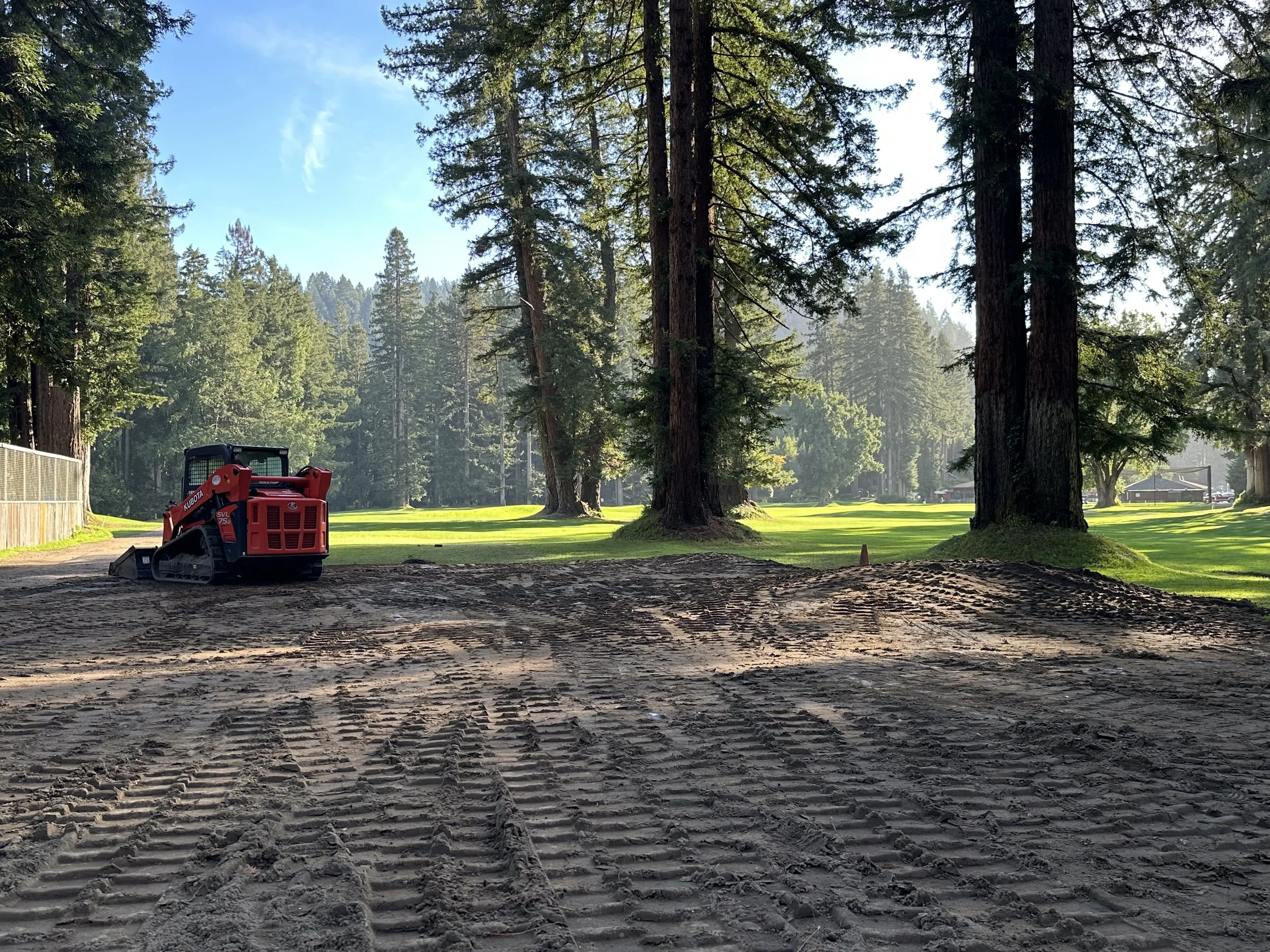
Hole 6 tee expansion and reshaping at Northwood

On hole 2, there were two big opportunities to get bigger. One was to lower the back deck and fill left as far as we could toward the ditch without disturbing the bottom of it. The other was to formalize the lower middle pad, which to this point was uneven natural ground and make it as big as we could. The end result was increasing tee square footage from about 2000 square feet of formal tee space (plus whatever you get out of the lumpy lower section) to well over 5000 square feet of formal tee space. That includes 3000 on that main back deck, where the increased width now allows side to side movement of the tee markers, a huge benefit to reducing wear and tear (as well as slowing down the long term crowning effect caused by divot filling).

On hole 6, it was more of the same, but we were a bit more limited there, mostly with trees further out in the line of play. Still, we definitely got bigger, and a large reason we did so was turning it into two tiers just past the path-side redwood, the lowering of the forward area allowing the tee to grow left all the way to the path while generating enough soil to expand it forward. With a little bit of extra material, we built in a little MacKenzie mound on the right side of the tee to naturalize it a bit and also help to visually (and physically, if you hit it thin) steer you away from a play down the 1st fairway.

As part of the project and already being mobilized, we threw in the tees on hole 5 as well, since they would be relatively easy and grow back in quickly with the sunlight in that location. Trevor’s brother Justin, who was helping us the whole project, handled most of the shaping on this hole and did great work making these left-right split decks bigger and level.

I’ll be looking forward to future projects at what is a most special place to spend time.


Media Highlights
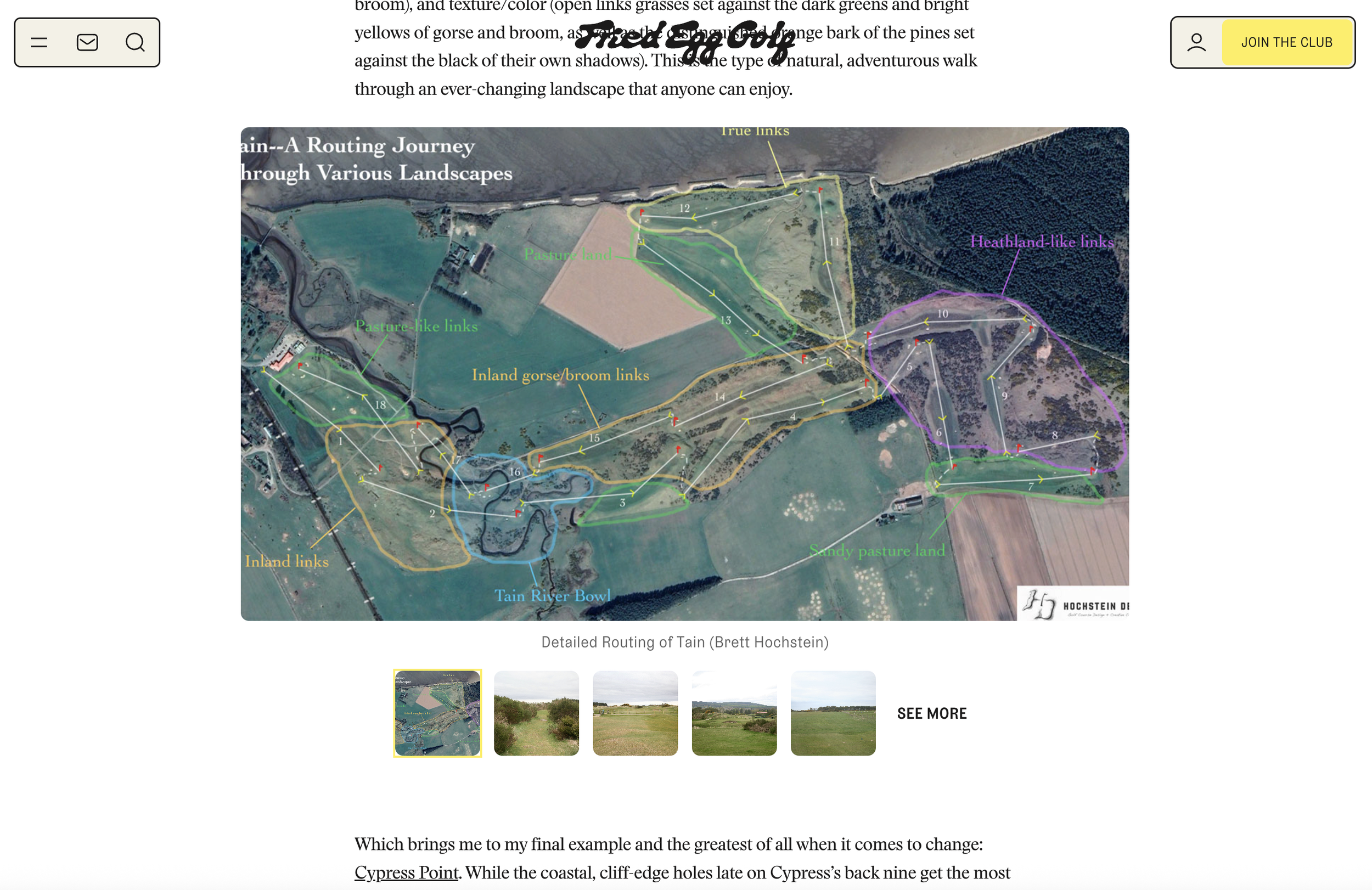
An article for Fried Egg Golf exploring the impact of experiencing change, especially in golf and routings. Pictured here is a diagram of the routing at Tain, which constantly changes landscapes and keeps the golfer’s experience fresh.

Top 100 Clubhouse podcast discussing my career to date with host Jasper Miners. apple podcast link

Cookie Jar Podcast on Pasatiempo with Jim Urbina and host Sam Williams. episode link

Fried Egg Golf article on the positive element of “Change” in golf and life. article link

Pasatiempo restoration article on the HD Blog highlighted by comparison imagery of original course pictures with the project results. article link

Cypress Point article on the HD Blog discussing how the course has the world’s greatest multi-hole stretch of designed bunkering. article link

Analytical diagram of what makes the bunker composition of Cypress Point’s 3rd so great.
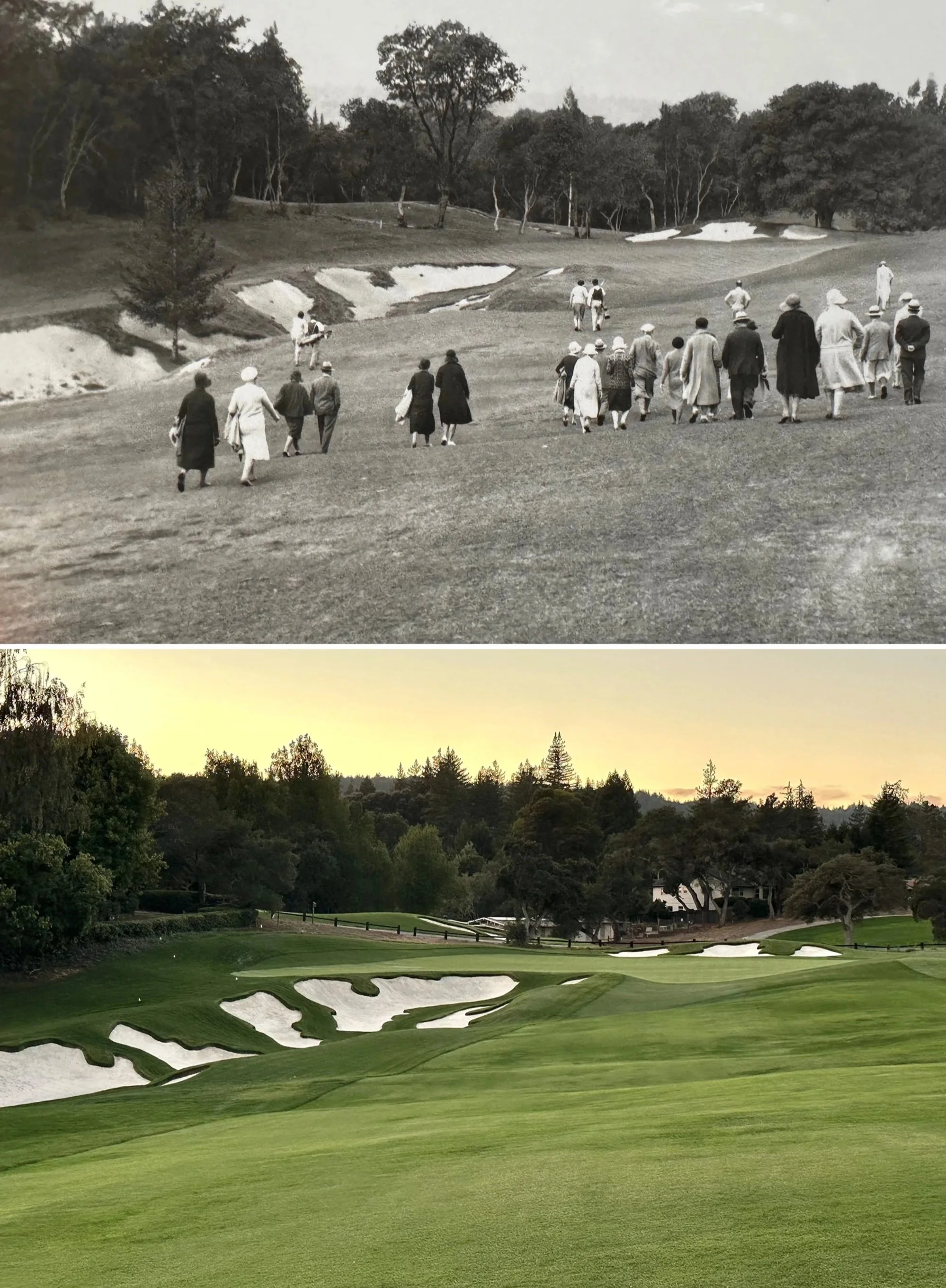
The unusual arroyo fairway bunker array on Pasatiempo’s 10th, comparing the original photo to the re-created most recent version


Top New (to me) Courses Seen
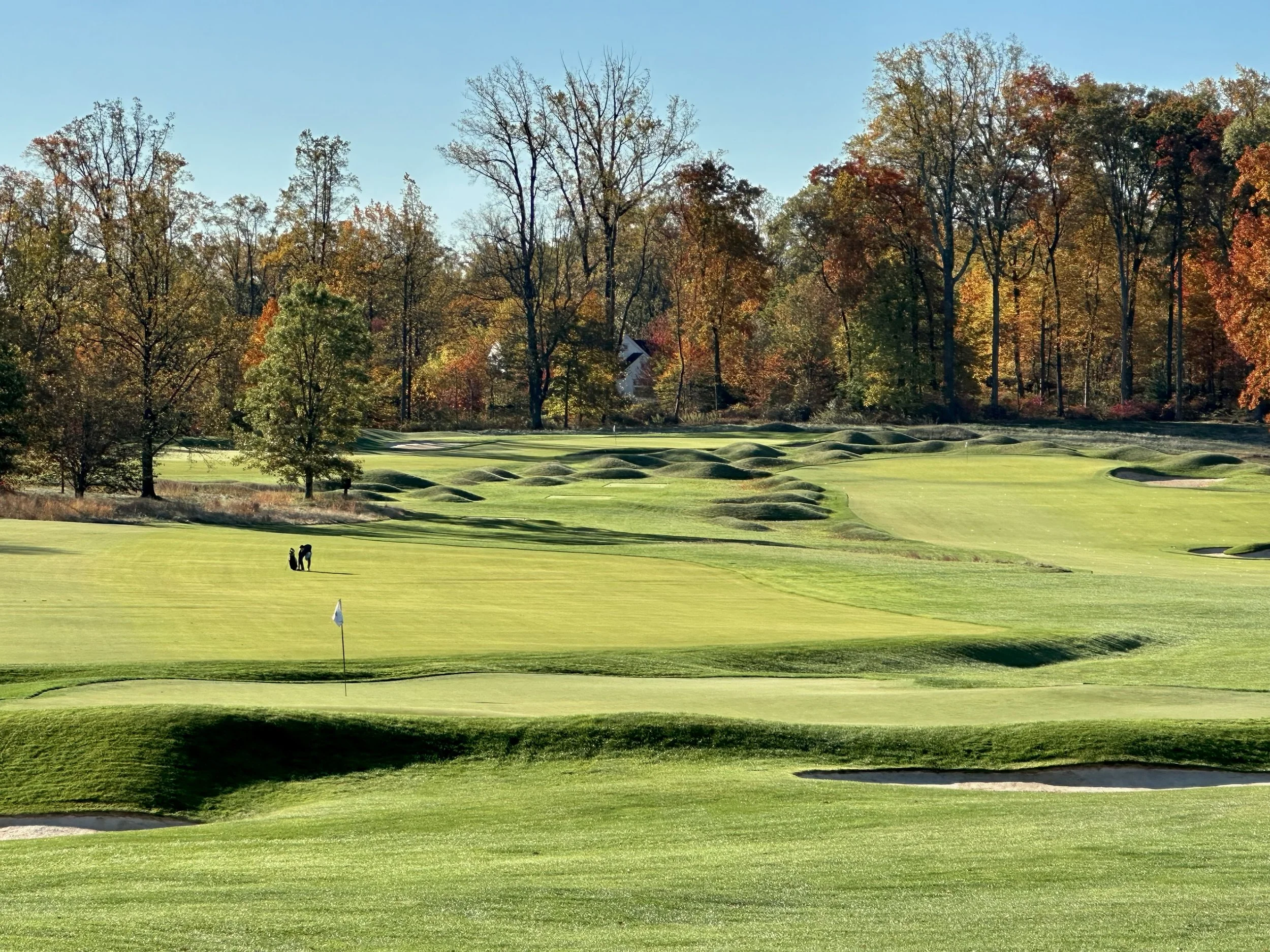
Somerset Hills: a sublime mix of pleasant landscapes, historic elements, and creative early-Tillinghast design features.

This is the most substantial section of this year’s review and probably what will interest most who are reading this. Between numerous trips back over to England and finally making a golf-exclusive pilgrimage to the New York Metropolitan Area, my courses-visited list is both high in quality and quantity. Anything on this list is a very good course and something worth seeking out. I felt myself saying “really? here? this low?” at almost every slot, as normally each course would seem to be higher in my yearly ranks. You’ll see this starting right with number 4, which was an all time experience it itself. It was just that good of a year seeing new golf. I consider myself very fortunate (as well as full of new ideas :-) )

As with all rankings, they’re subjective and not too serious. Really, it’s more a way of conveying what I like and prioritize in my golf, and by proxy, my designs. With these rankings, I try to evaluate less on my experience and more on how I feel about the course’s various design merits. (The “experience” thing is a different list entirely). My own “Doak rating,” (which, for those unfamiliar, is effectively logarithmic where each increase of number rating is increasingly rare) is noted in [brackets]. Enjoy!
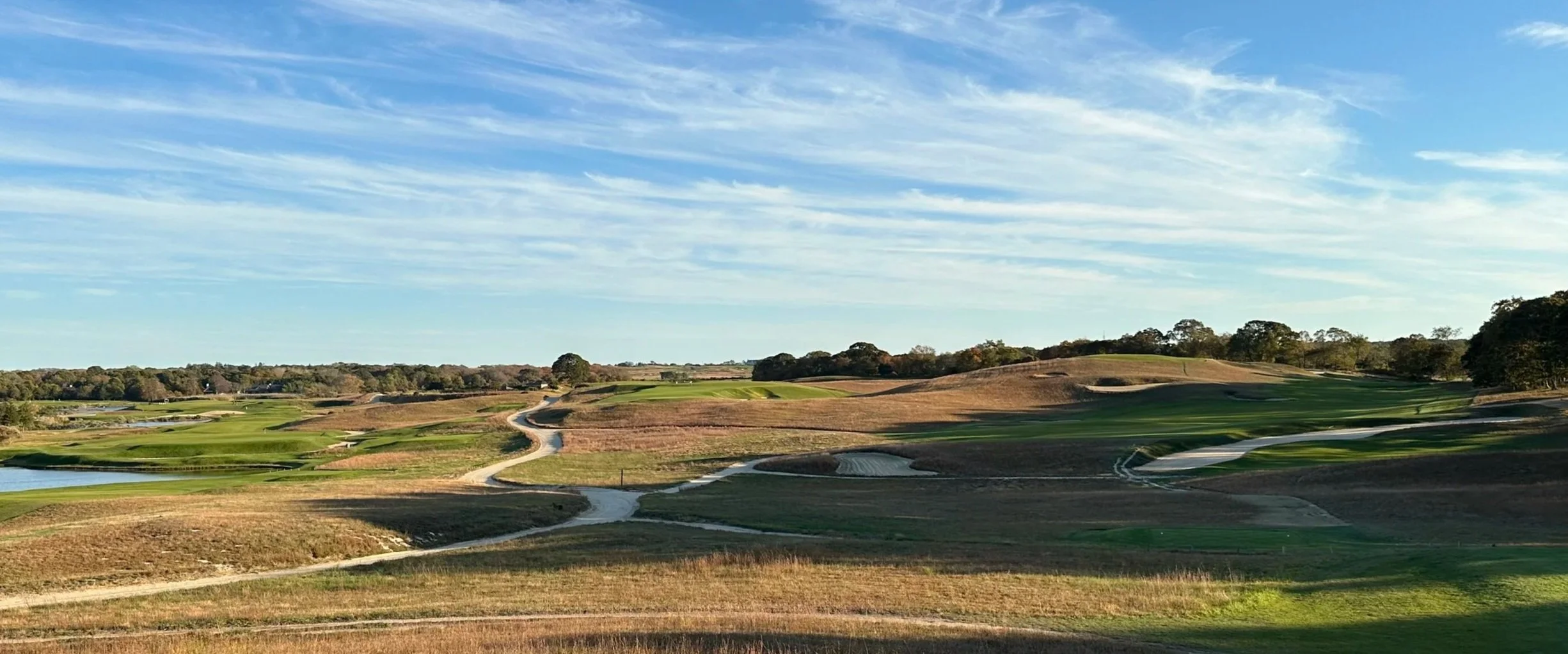
A landscape and routing as good as the hole concepts themselves

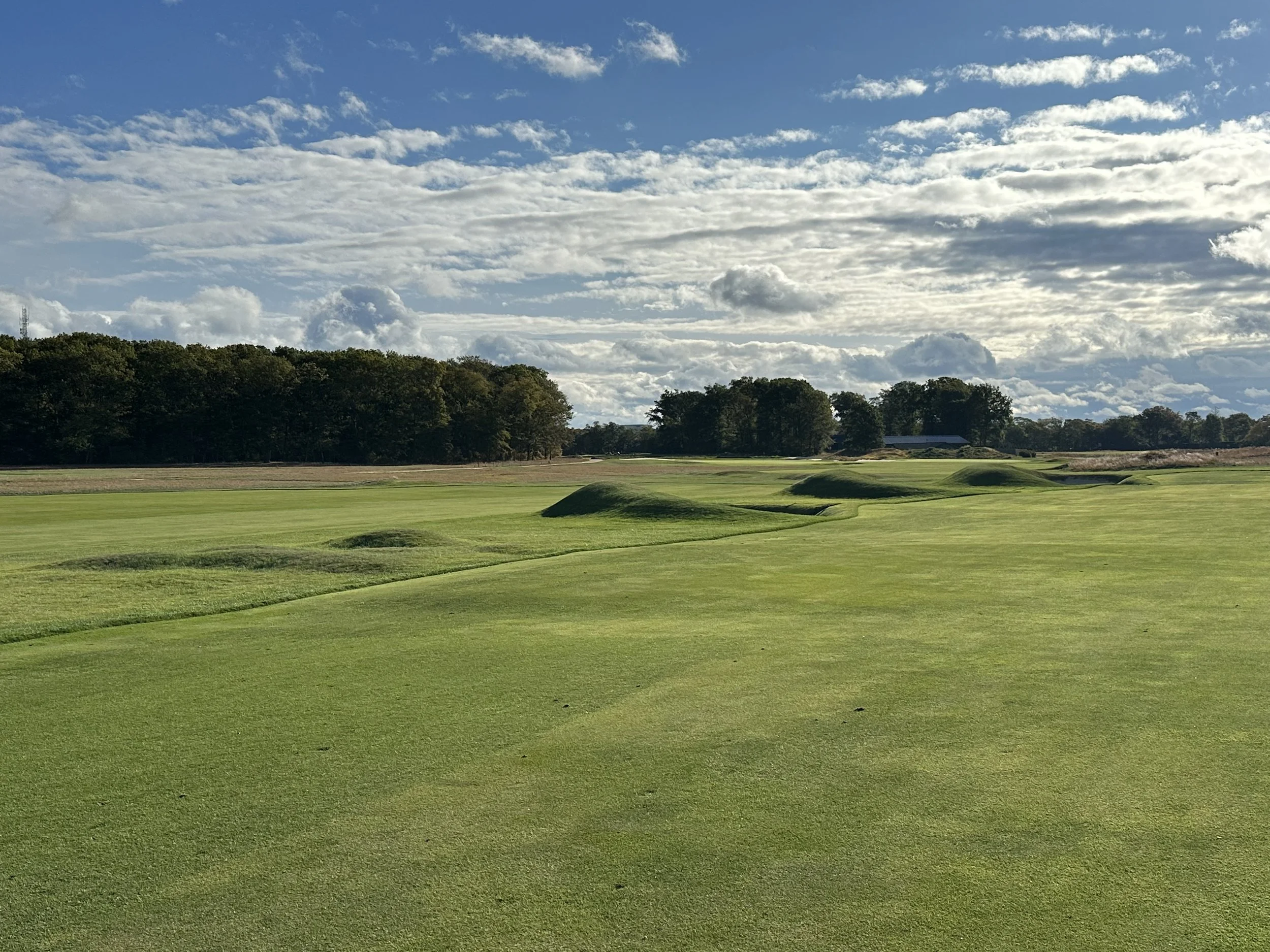
1. The National Golf Links of America [10] Southhampton, NY. Charles Blair Macdonald. Number 1 on my global “need to see” list, and it did not disappoint. People love the templates and their strategies, and the story and idea by Macdonald in the first place is a great one. But where National really succeeds is its combination of land, width, and ambiguous playing corridors. The latter two qualities are hallmarks of what makes the Old Course so endlessly fascinating, but the Old does not have the former, at least not from an elevation change standpoint. Right off the bat, you have a choice to make on where to play based not just on hazards but on big shapes in the natural landscape. There’s risks, there’s rewards. There’s often separation to be gained by being a better/stronger player, but there’s occasional ways to gain advantage by being crafty and experienced to the course’s nuance and tendencies. It’s an endlessly fascinating type of golf course, one that I spent nearly 5 hours and 9.5 miles walking on my first loop trying looking at different angles and checking breaks on the greens. It’s one I could loop around 8 times in a day and tell you something new from each one. And that’s just walking. Playing—and the randomness and inevitable predicaments that arise from it—would certainly reveal even more of the course’s charms. That is golf design at its best and what we as architects aspire to create.

2. Somerset Hills [9] Bernardsville, NJ. A.W. Tillinghast. There’s just something about Somerset Hills. I’ve been ruminating on this and might have my answer as to what that “thing” may be, but that’s a full-length article for another day. What I will say now though is that Somerset has a wonderful blend of history, naturally varied landscapes, diversely strategic holes, and charming early-Tillinghast shaping and features. It’s not just Tillie’s best course; it’s one of the best in all the Northeast.
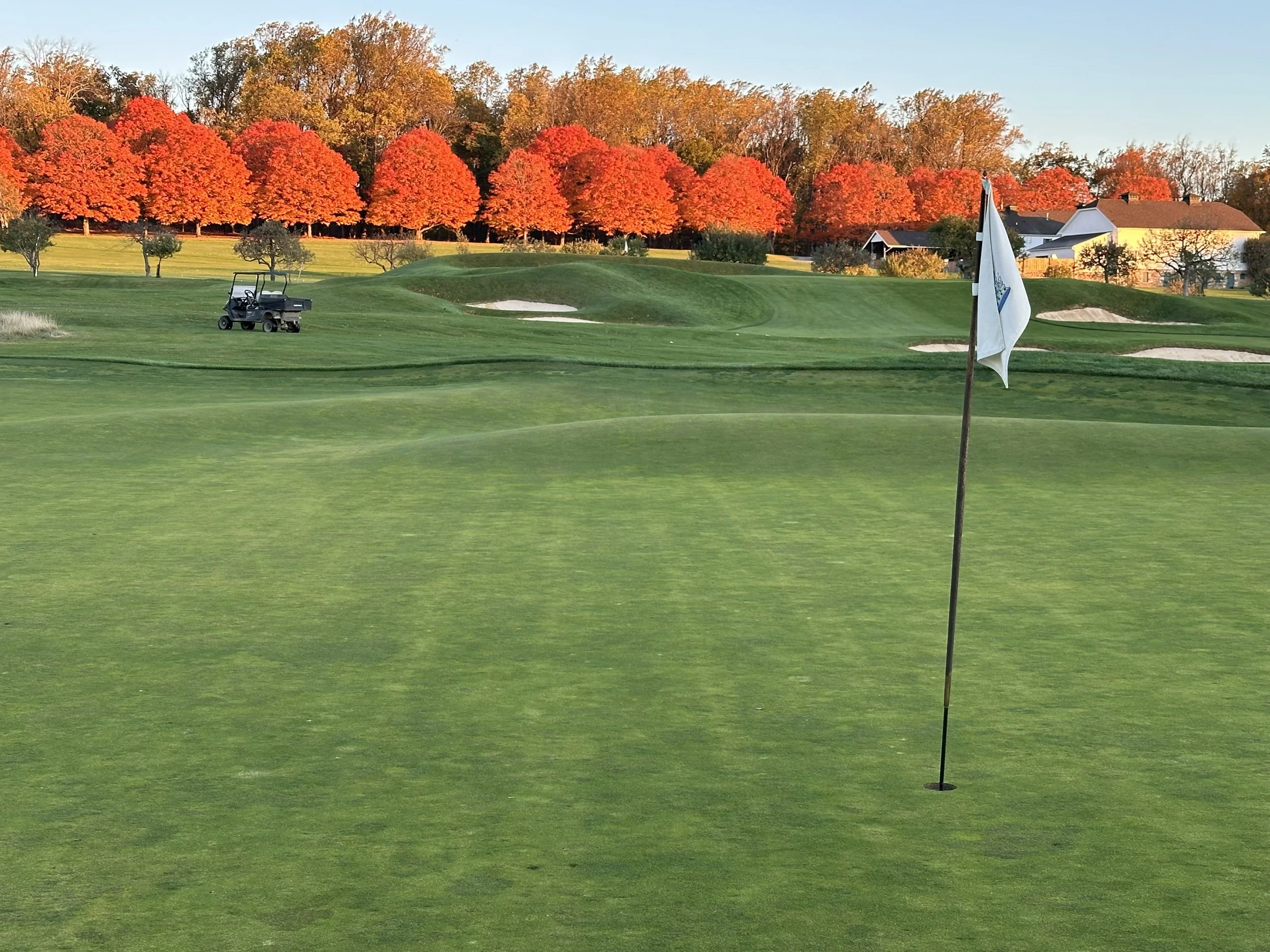
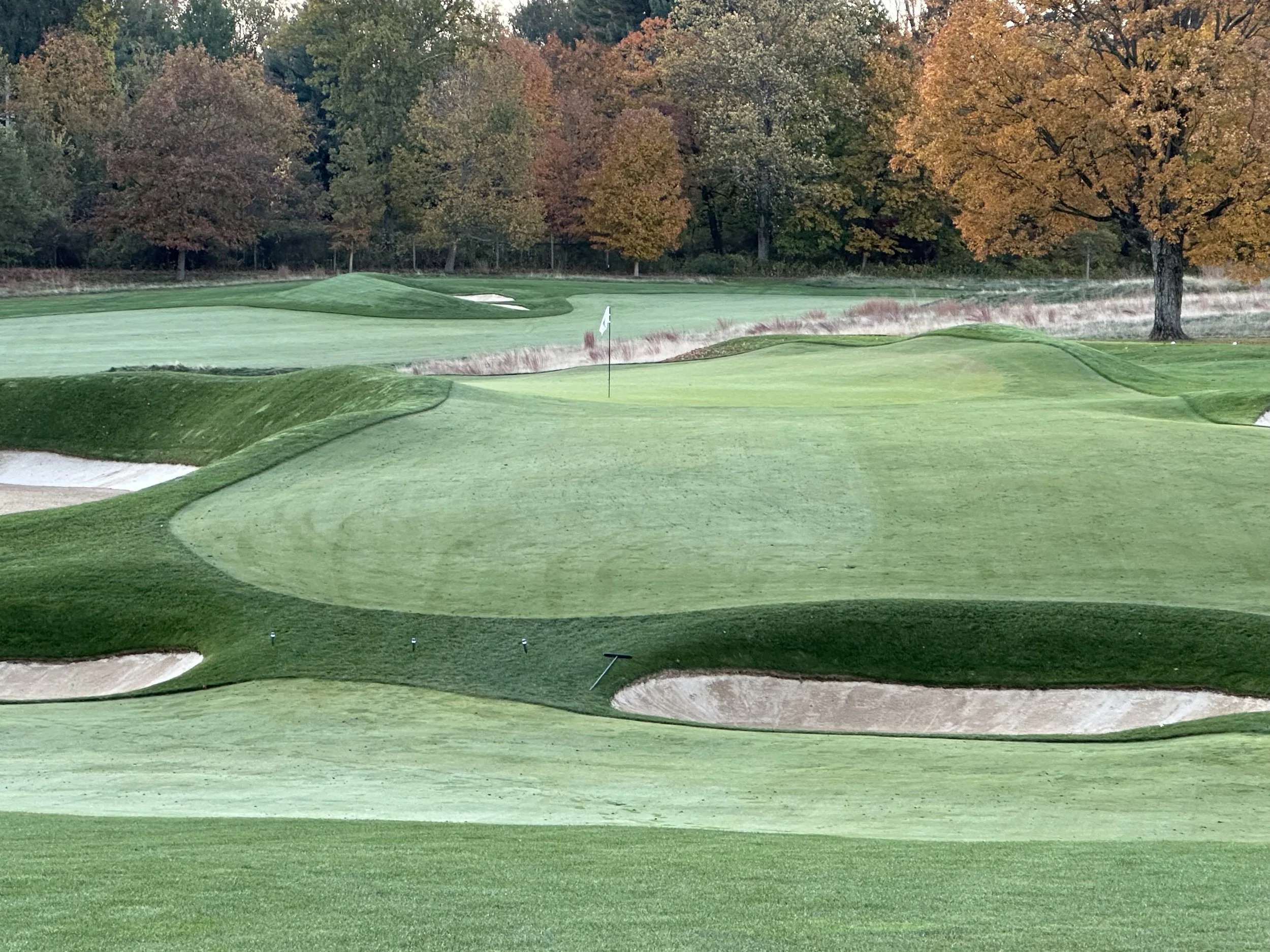
3. Garden City Golf Club [9] Garden City, NY. Devereux Emmet, with revisions by Walter Travis. I’ve been fascinated with Garden City since first coming upon Ran Morrissett’s golfclubatlas writeup over 20 years ago. Its quiet-appearing landscape, rugged textures, subdued-but-tilted greens, and deep pit bunkers looked to be a brilliant combination of simple yet compelling golf. Having seen a lot more pictures since and now having walked it in person, that estimation of simplicity was probably overstated. There’s a lot going on and a lot to take in. The greens tilt harder than you might think (and, unusually, probably makes them a beneficiary of the greens-speed race, excepting the amazing 15th, which unfortunately can only hold a shot on the left 1/3rd of the green at peak speeds.). The fairways are wider and offering more options to attack those tilted greens. And, the collection of fascinating early Golden Age features and shapes is almost overwhelming, especially for someone like me who’s more recently been obsessed with that very sort of thing. The charm factor is pushed to the max, and the quality of strategic golf is not far behind.
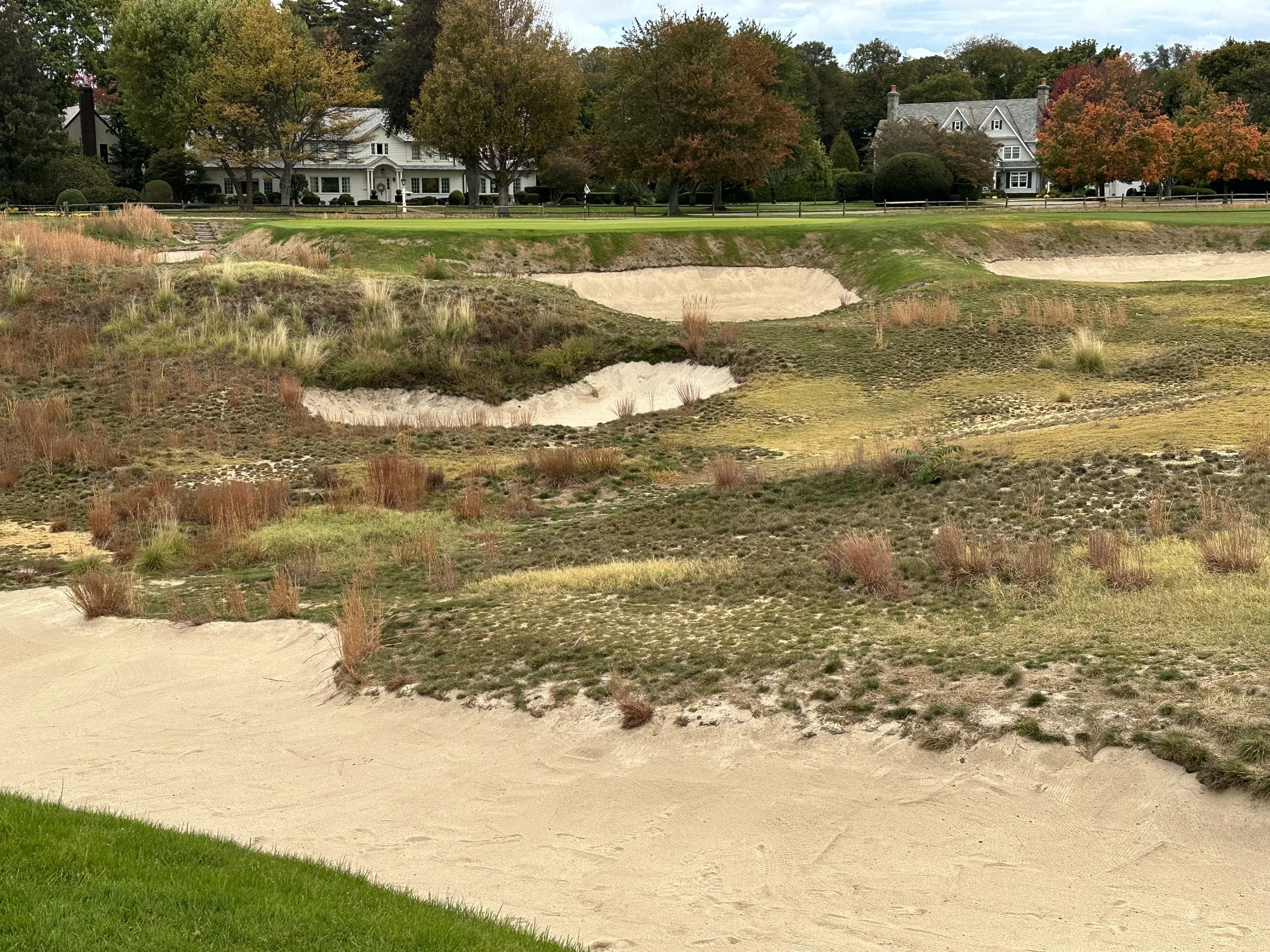
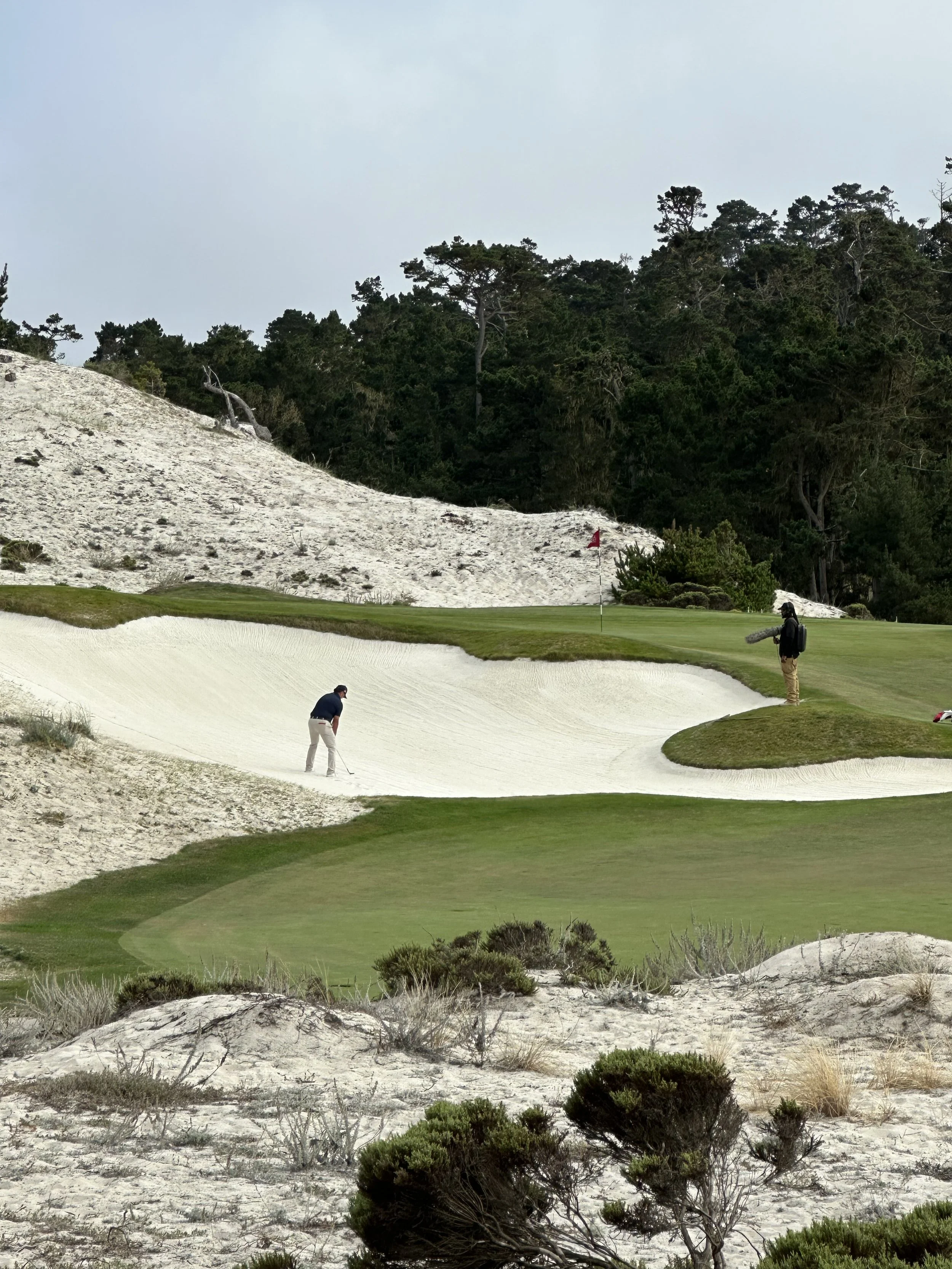
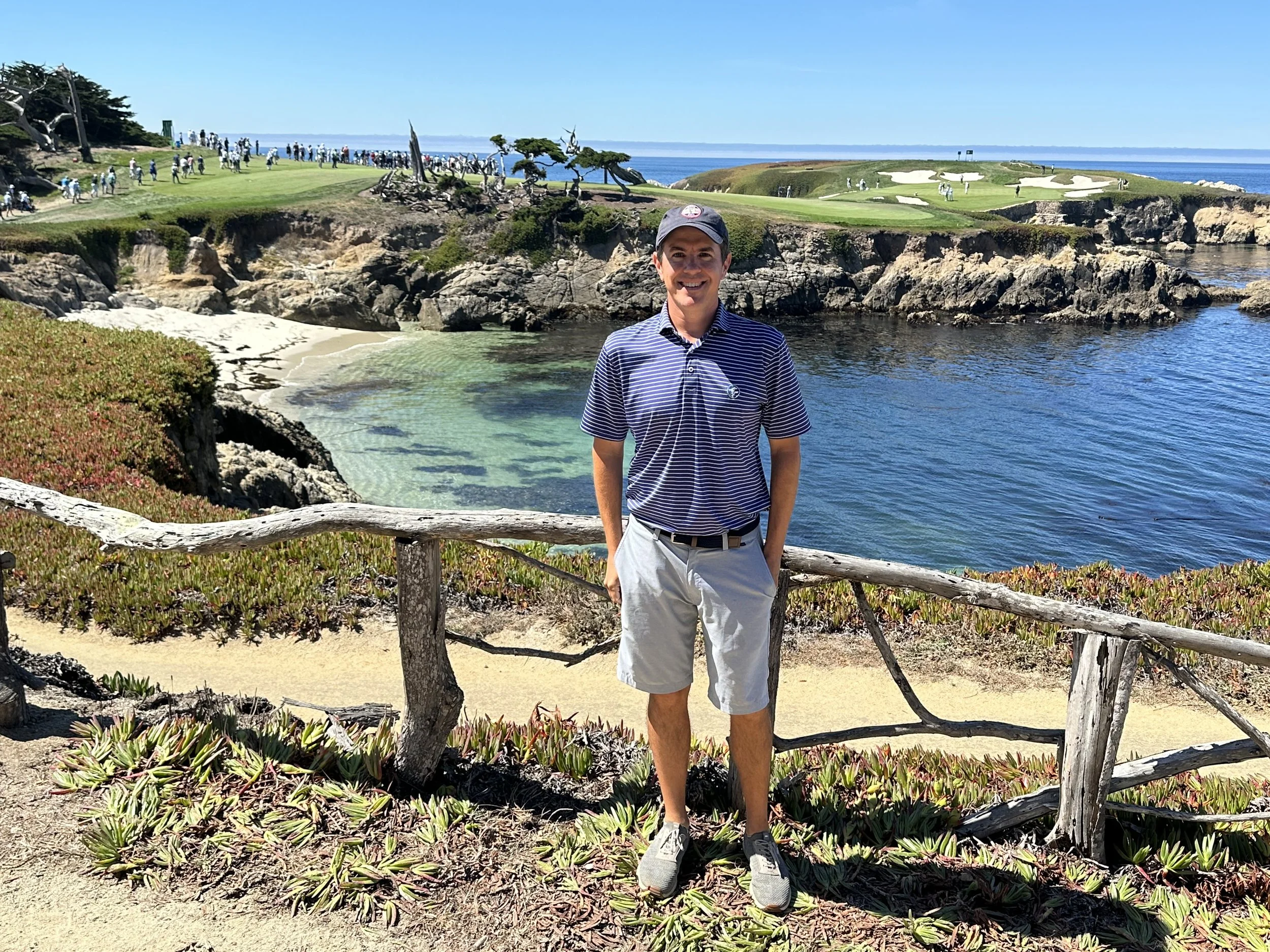
4. Pebble Beach [9] Carmel-by-the-Sea, CA. Jack Neville and Douglas Grant, with revisions by H. Chandler Egan. It’s a popular thing among our snobby golf architecture circles to rag on Pebble Beach. And some of that is fairly justified, as the course isn’t really the best version of itself at the moment (I’ve argued for a hybrid version over multiple eras but centered around the 1929 U.S. Am iteration). That said, it’s still very good and a truly special experience to play, especially if doing it with someone important to you in golf, as I did with my father. The setting is hard to beat; I’ve never been so unbothered to stand around and wait to hit my shot as I was on holes 4-10. The history is also hard to beat, as you can’t help but think of of all the previous big moments and shots played over these grounds as well as just strangely finding yourself playing golf among something so familiar (yet unattainably distant and mythical). Beyond all that, though, the golf is really good. Better than I thought it would be, especially inland, and especially as I’m not all that fond of small greens. But, I constantly found myself hedging away from the high-number sides of holes and then ultimately paying a small-number penalty with a more difficult-to-hold angle into those small tilted greens. And, I found the recoveries around those greens to be more compelling than expected despite almost always requiring one of my 2 wedges. The challenge of each—where exactly to land it, how much break to play, how high to arc the shot—was both enticing and hope-inducing. So, while Pebble Beach absolutely could use a refresh—I can’t unsee those collar dams and other sand buildups, especially after working the Pasatiempo project—it is still a class golf course to go along with the special experience.
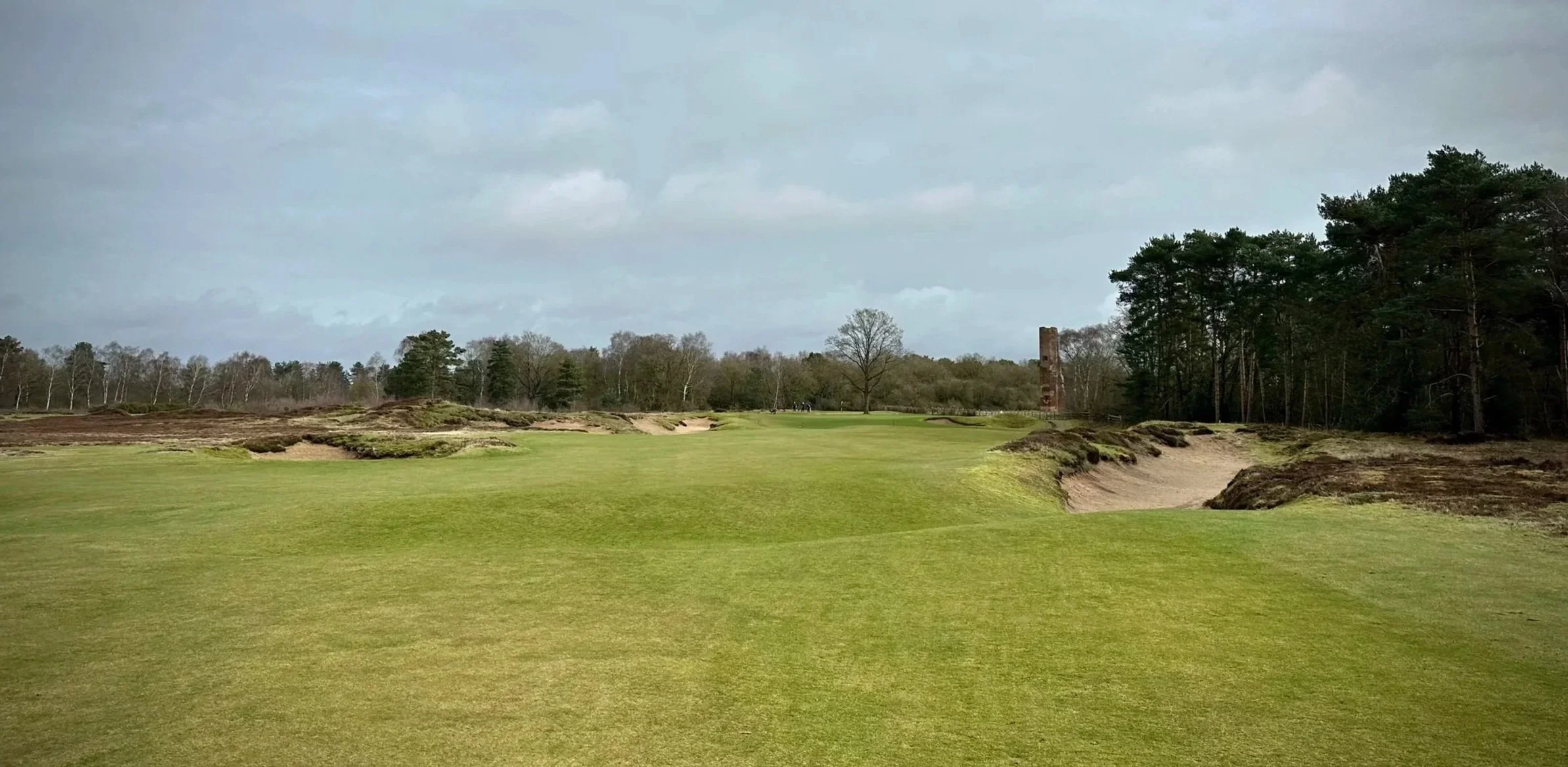
Woodhall Spa—as brilliant and charming of a flatland golf course as you will find

5. Woodhall Spa [8] Woodhall Spa, Lincolnshire, England. S.V. Hotchkin and C.K. Hutchison. This is one of those courses that stays with you—one of those courses I just find myself thinking about every couple weeks or so. The reason for that is there isn’t anything quite like it. The ground is relatively flat, but it is sandy. This means two things—excellent turf (and the only real fast bouncy conditions experienced during my very wet winter visits) and the ability to easily dig big holes and build features from the spoils. And that’s what Woodhall has in spades—giant rugged sand bunkers awaiting careless or overly greedy play, with charming little hillocks and ridges breaking up the landscape here and there. The golf is good and uses angles in compelling ways, and the landscape is delightful—pastoral yet highly textured, with the old hunting tower ruin haunting over the proceedings. I got to experience it with Richard Latham, who was highly involved in the restoration works and a delightful host full of knowledge about it. I can’t wait to get back again someday and play it again; it’ll be worth the inevitable detour no matter which way I’m heading.

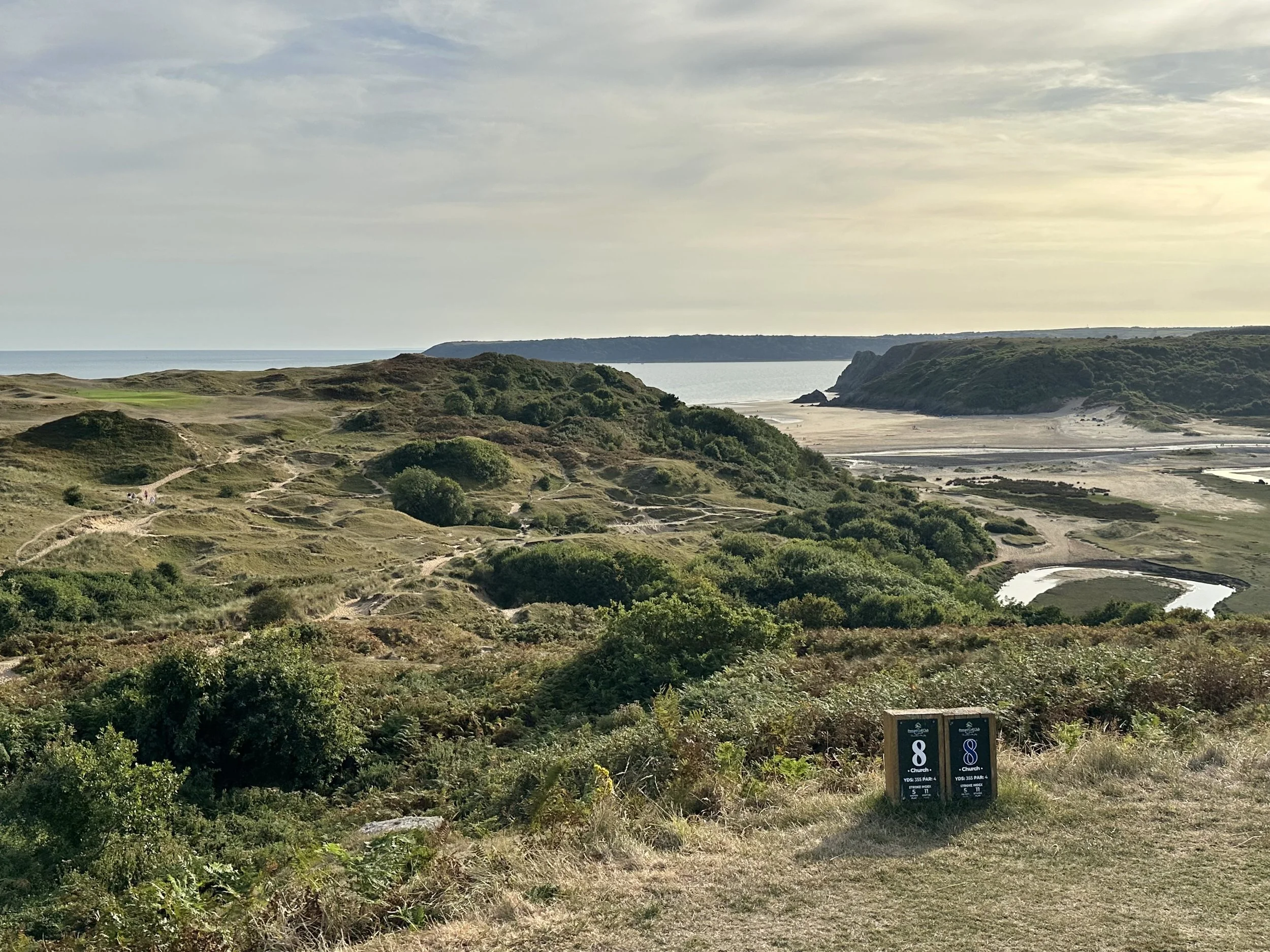
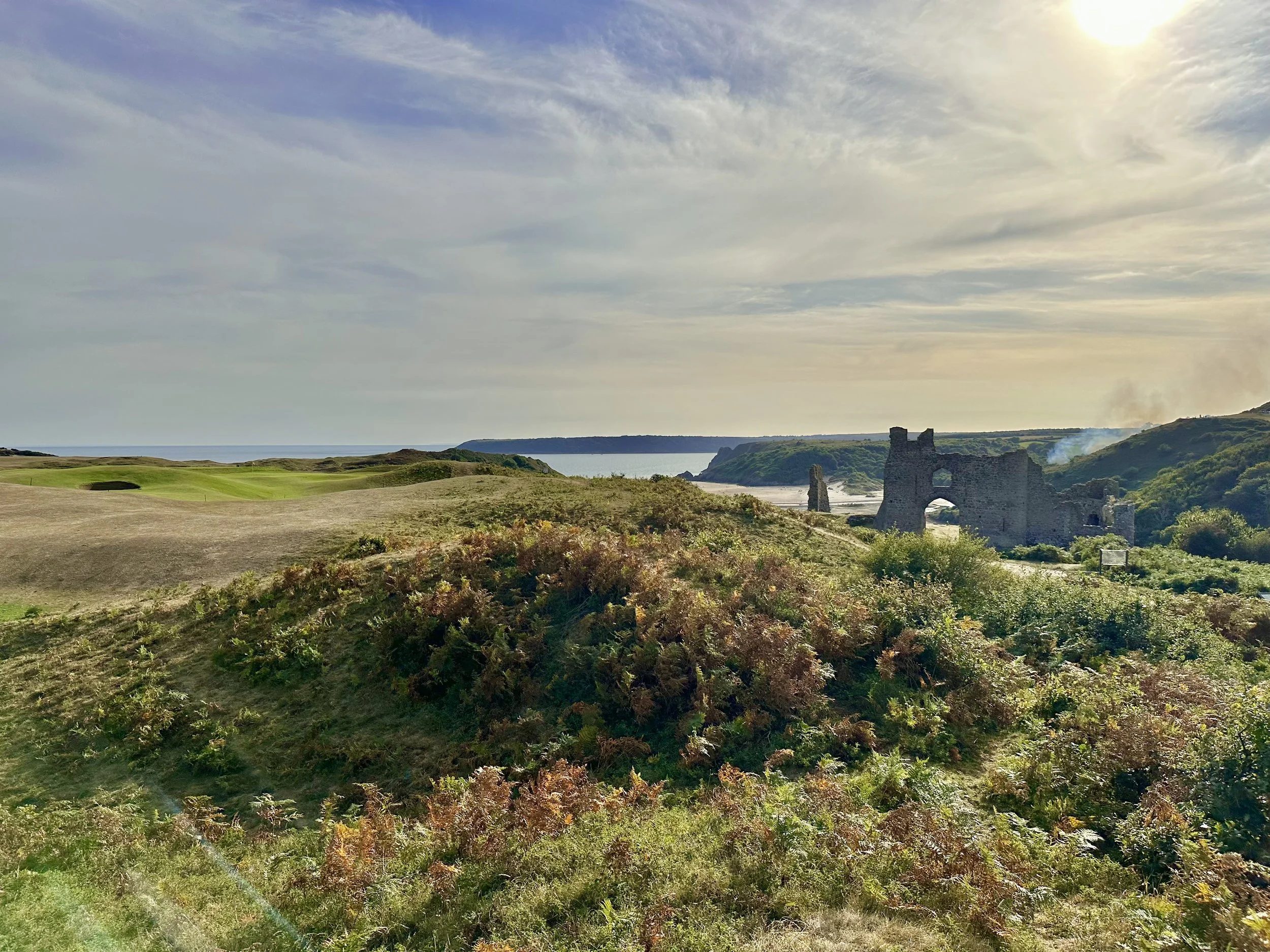
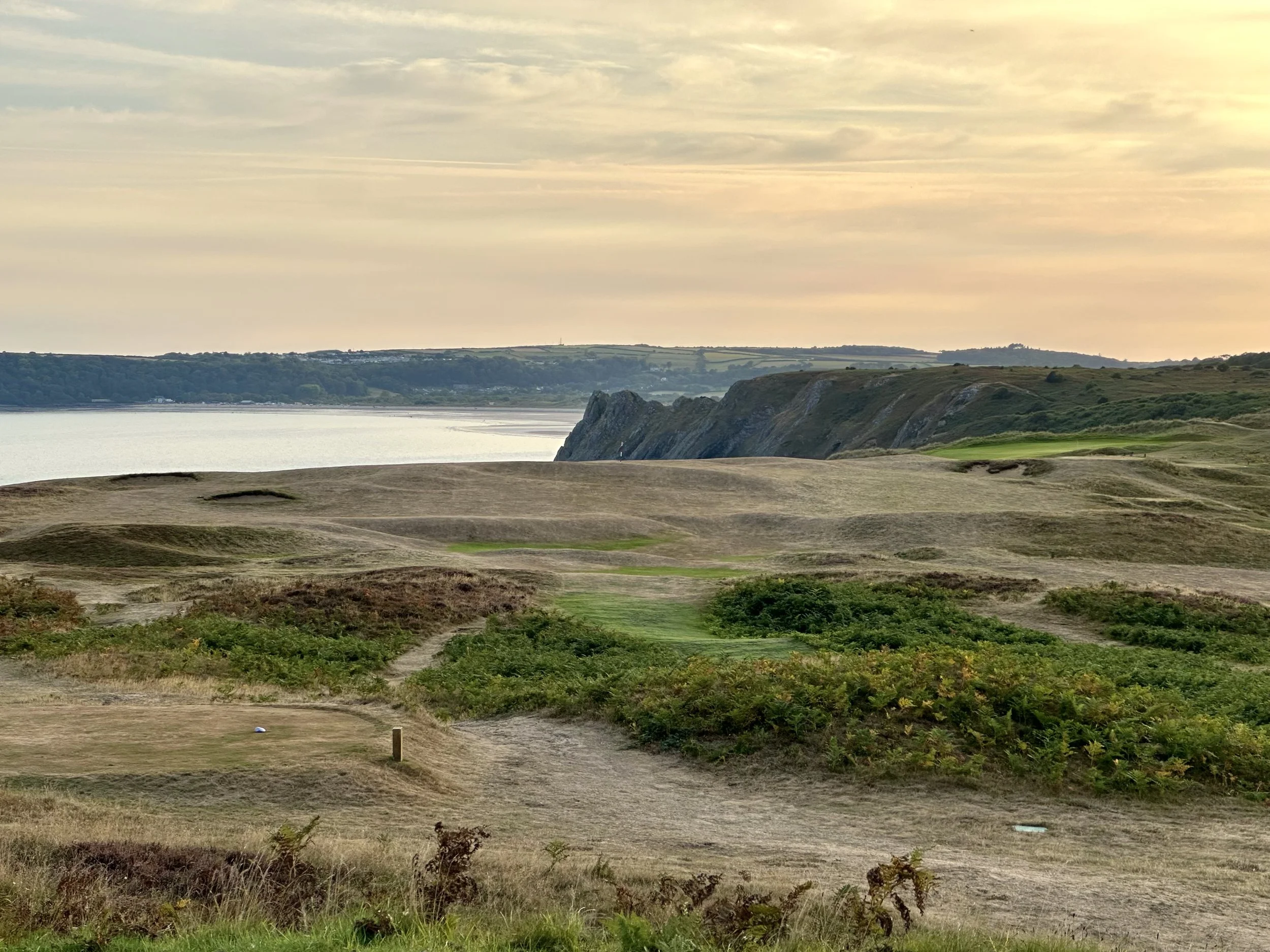
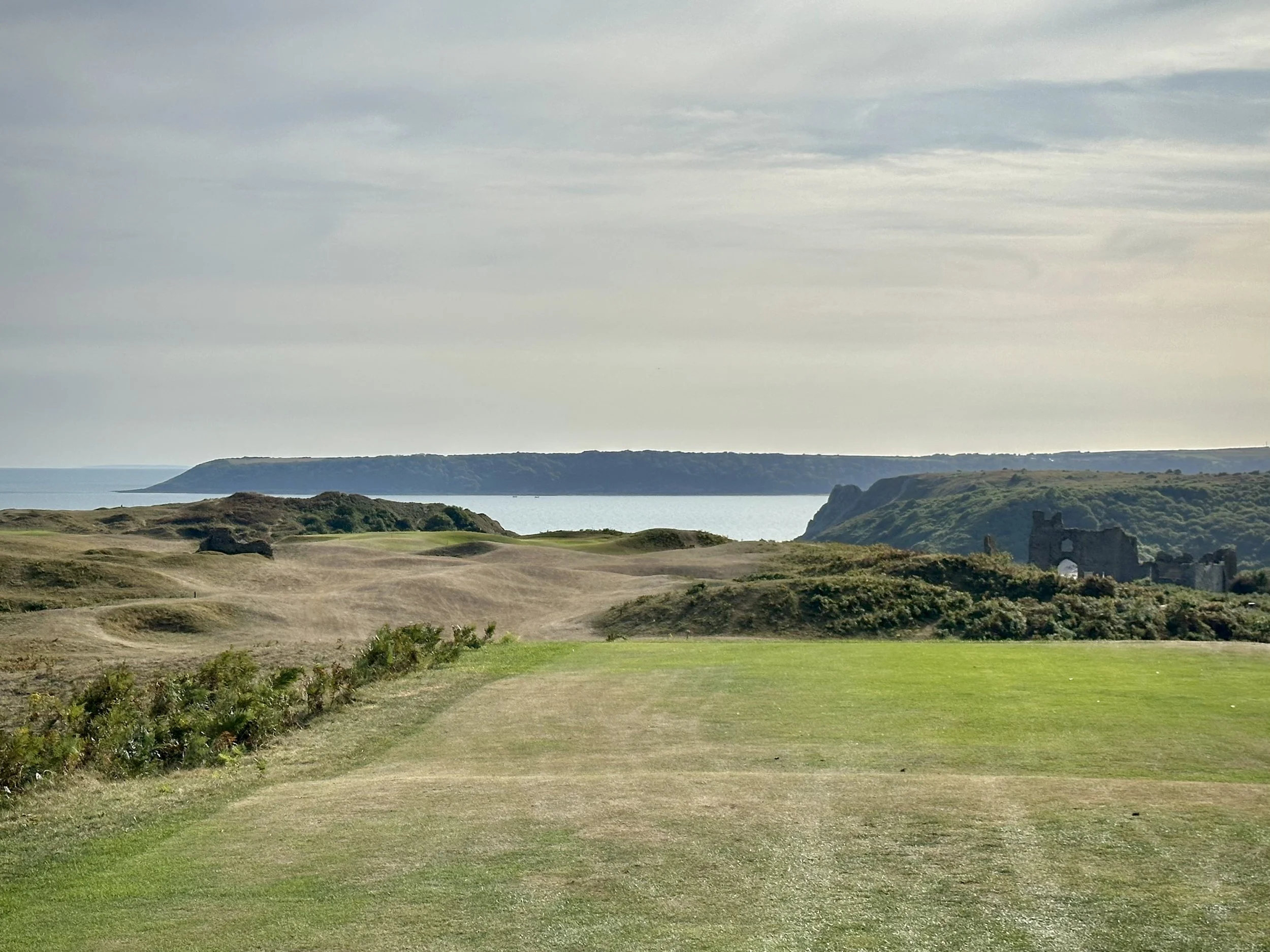
6. Pennard [8] Southgate, Swansea, West Glamorganshire, Wales. Original links from 1896, with modifications by James Braid and C.K. Cotton. The “links in the sky” is very much that—links contours big and small with some of the fastest turf I’ve ever encountered, all towering up above Three Cliffs Bay and the Bristol Channel. Walking around this piece of land feels like floating in a dream. Adding to these other-world sensations is the presence of ancient castle and church ruins as well as a low-lying beach, river, and bit of linksland with grazing cows and horses, all with dramatic cliffs and see views in the backdrop. Truly amazing. The golf is very good too with a few outstanding holes such as the long par four 6th with its green in a little dell, the castleside short par four 7th with an excellent green and options galore, and the dramatic 16th playing straight out to the water and its big tilted green surface at the end. If not for a weak, manufactured green at the 15th or a t00-narrow finish at 17 and 18, this place could push for a solid-to-high 9 on the Doak scale and a top 3 spot on this particular list.
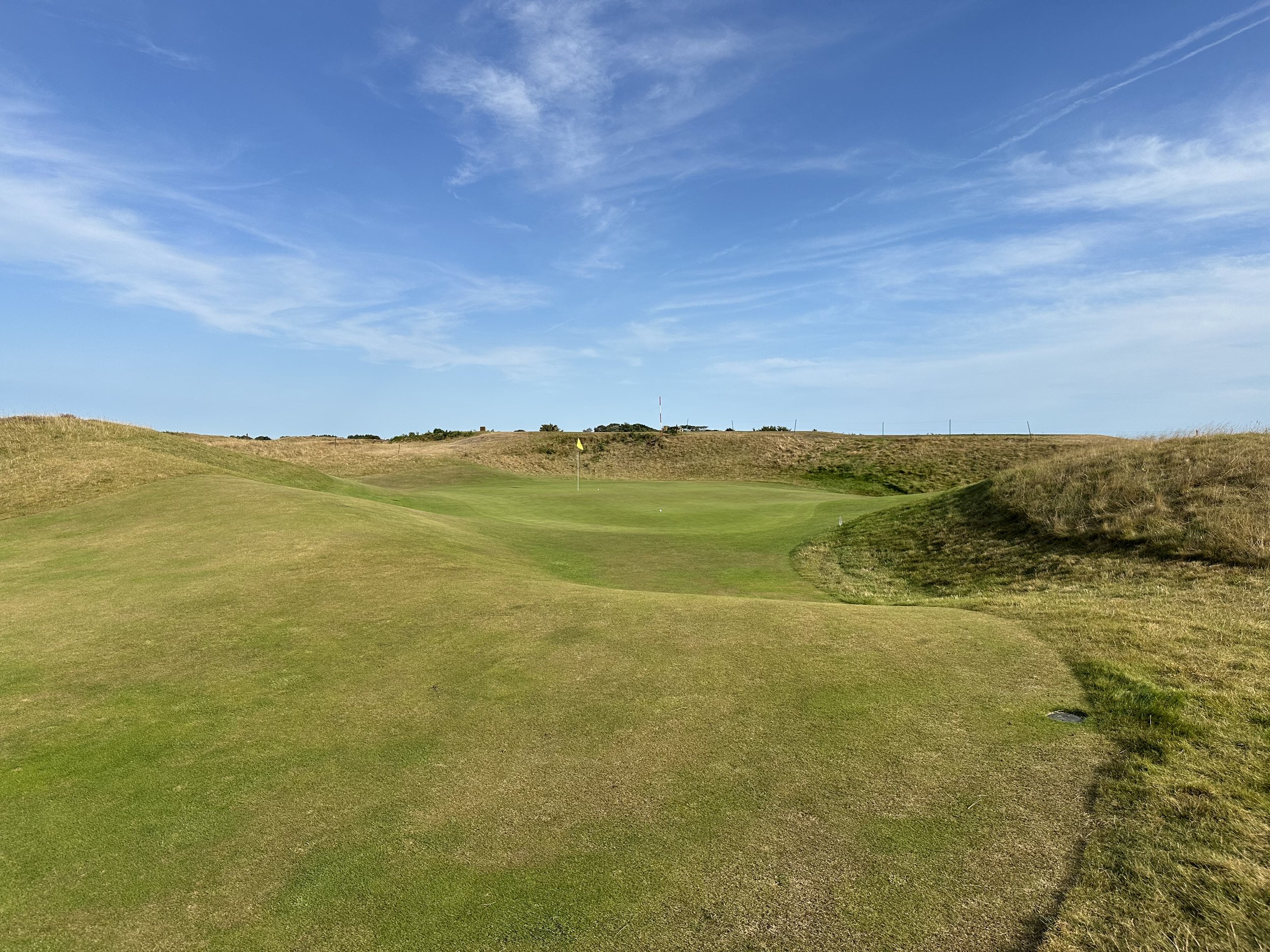
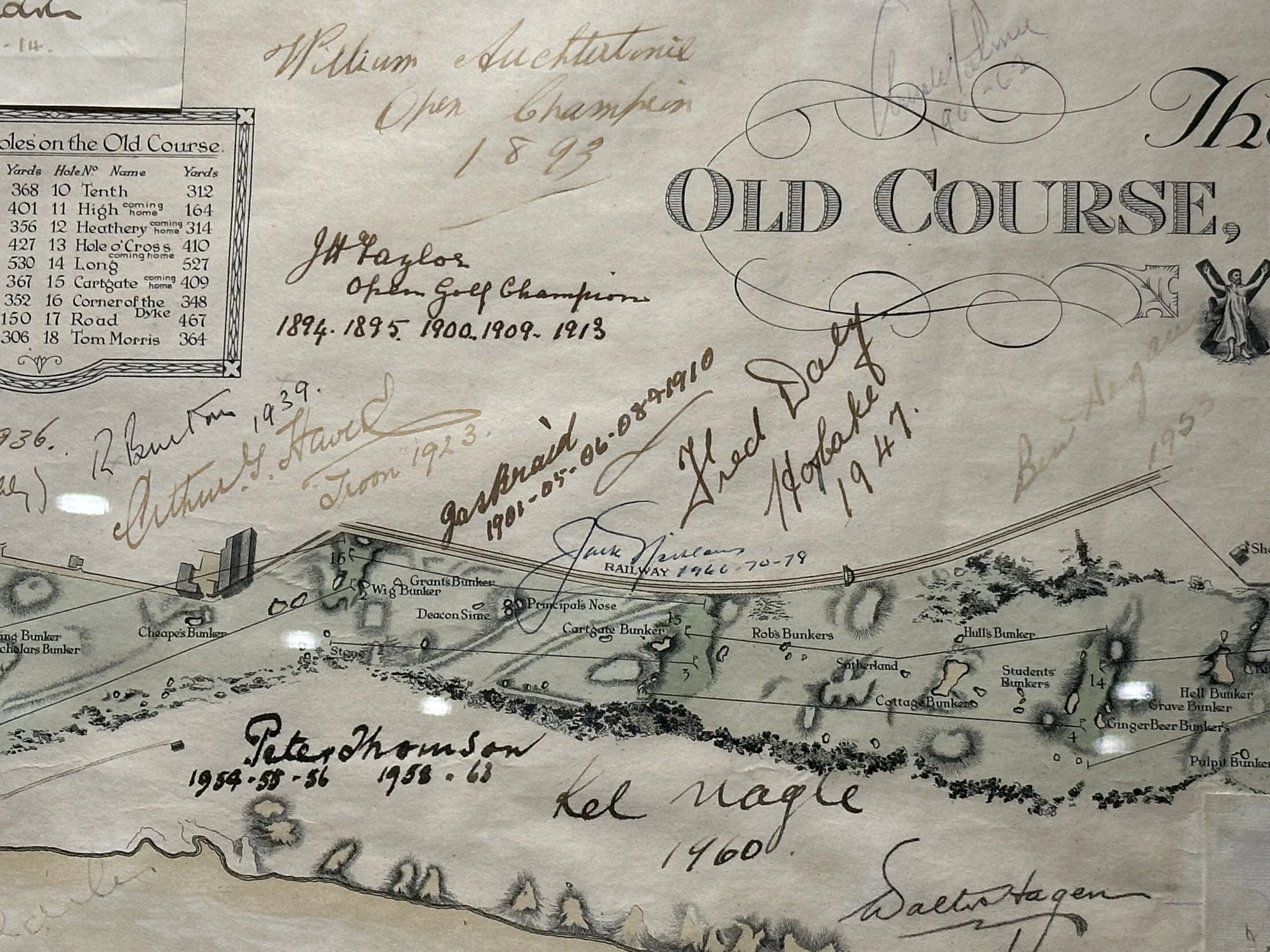
7. Walton Heath (Old) [8] Tadworth, Surrey, England. Herbert Fowler. In second place for “surprise course of the year,” Walton Heath amazed me way more than I expected. Its big, bold, creative, rugged shaping was unlike anything I had seen to that point, and the charm of venturing out from the cozy clubhouse area and 1st hole par three to the open heath across the road was to me a charming asset, not a detraction. The history at this place is about as deep as any in golf, with James Braid’s workshop on site, a collection of clubhouse memorabilia and signatures as historically amazing as any I’ve seen, having famous members such as Winston Churchill, being home to Herbert Fowler, and the greatest personal library of anyone in golf basically located on property, that of Philip Truett. My day at Walton was an all-timer in many ways.
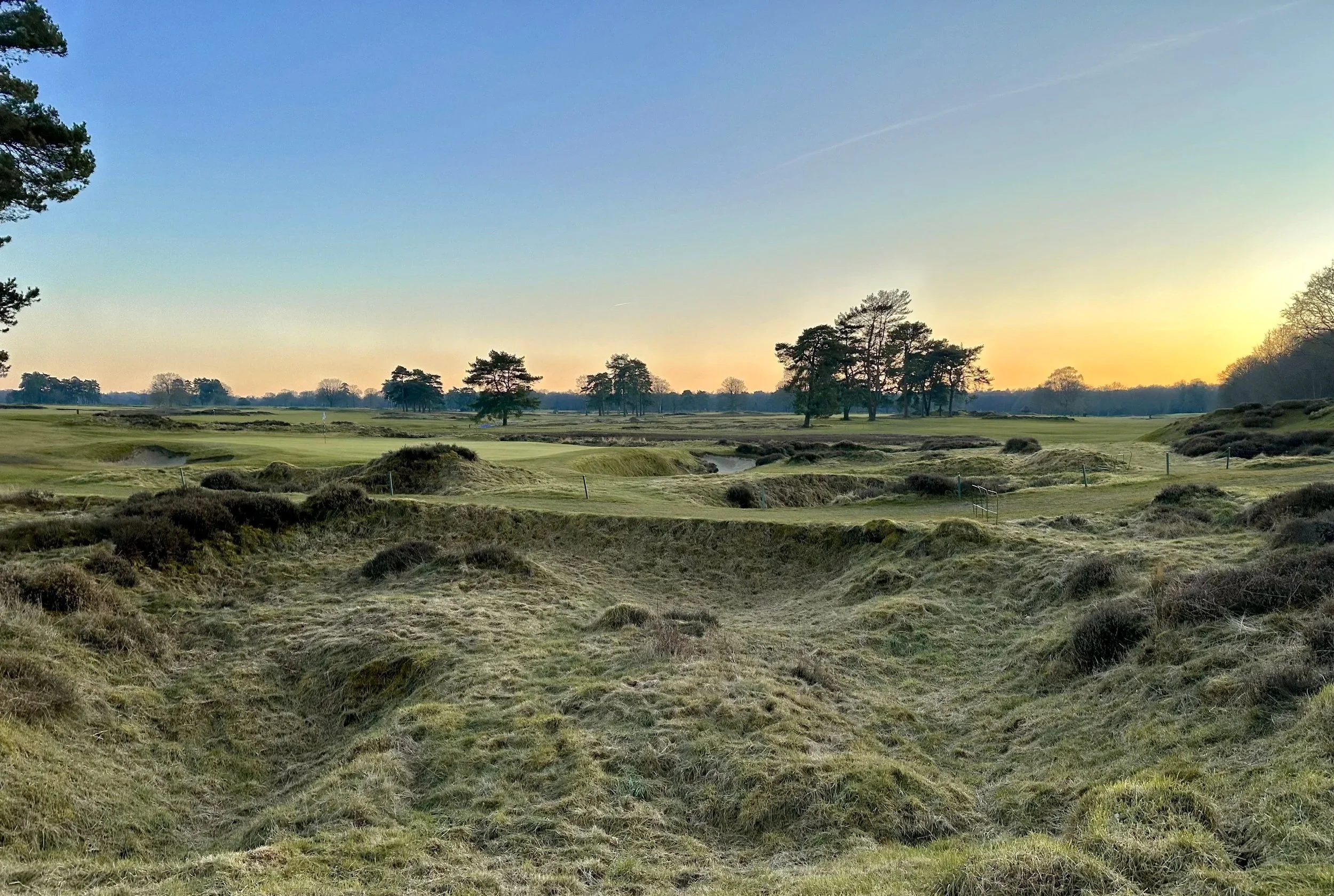
Walton Heath, a spectacular and expansive setting with eclectic old features and sound golf architecture
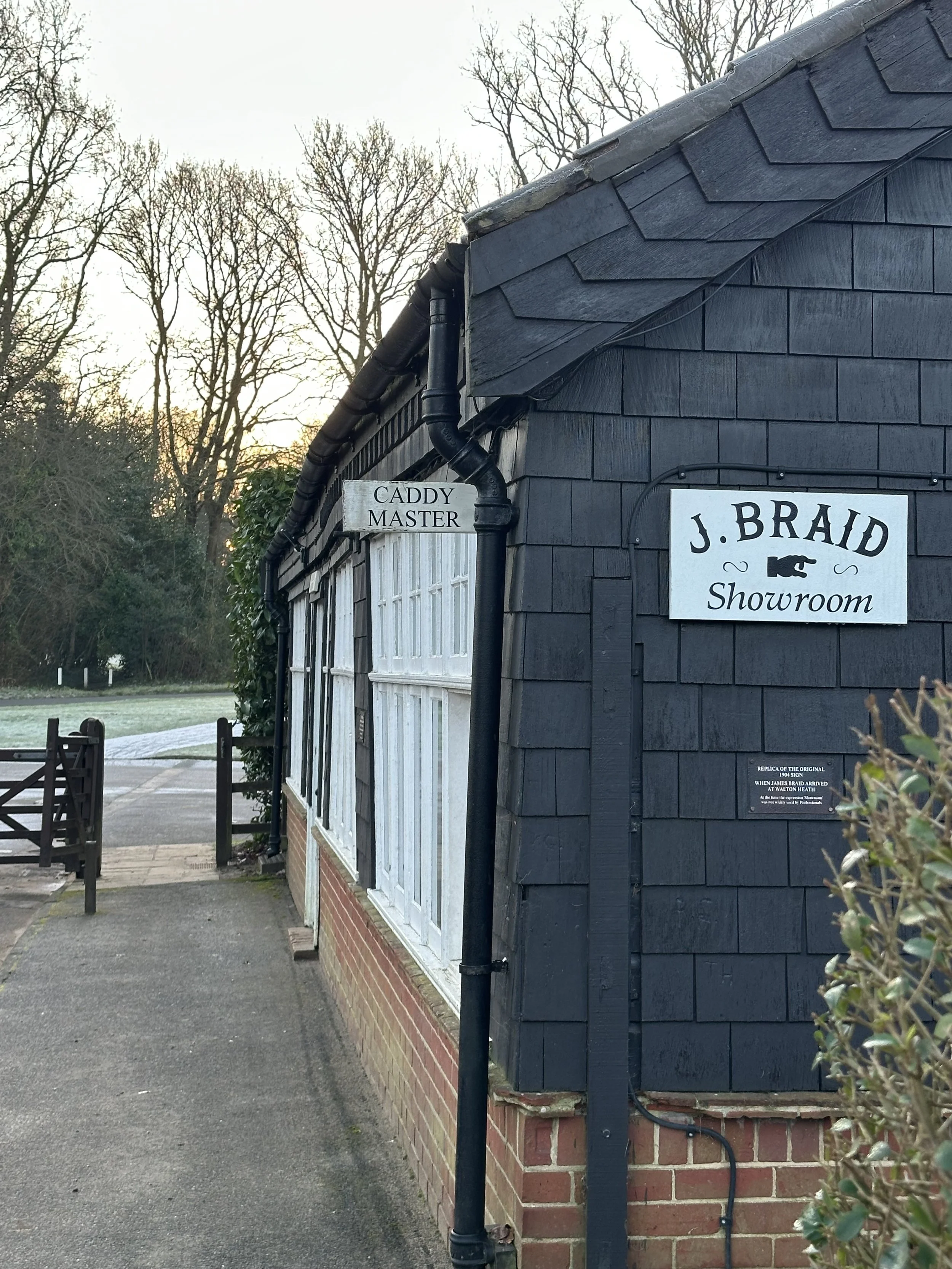
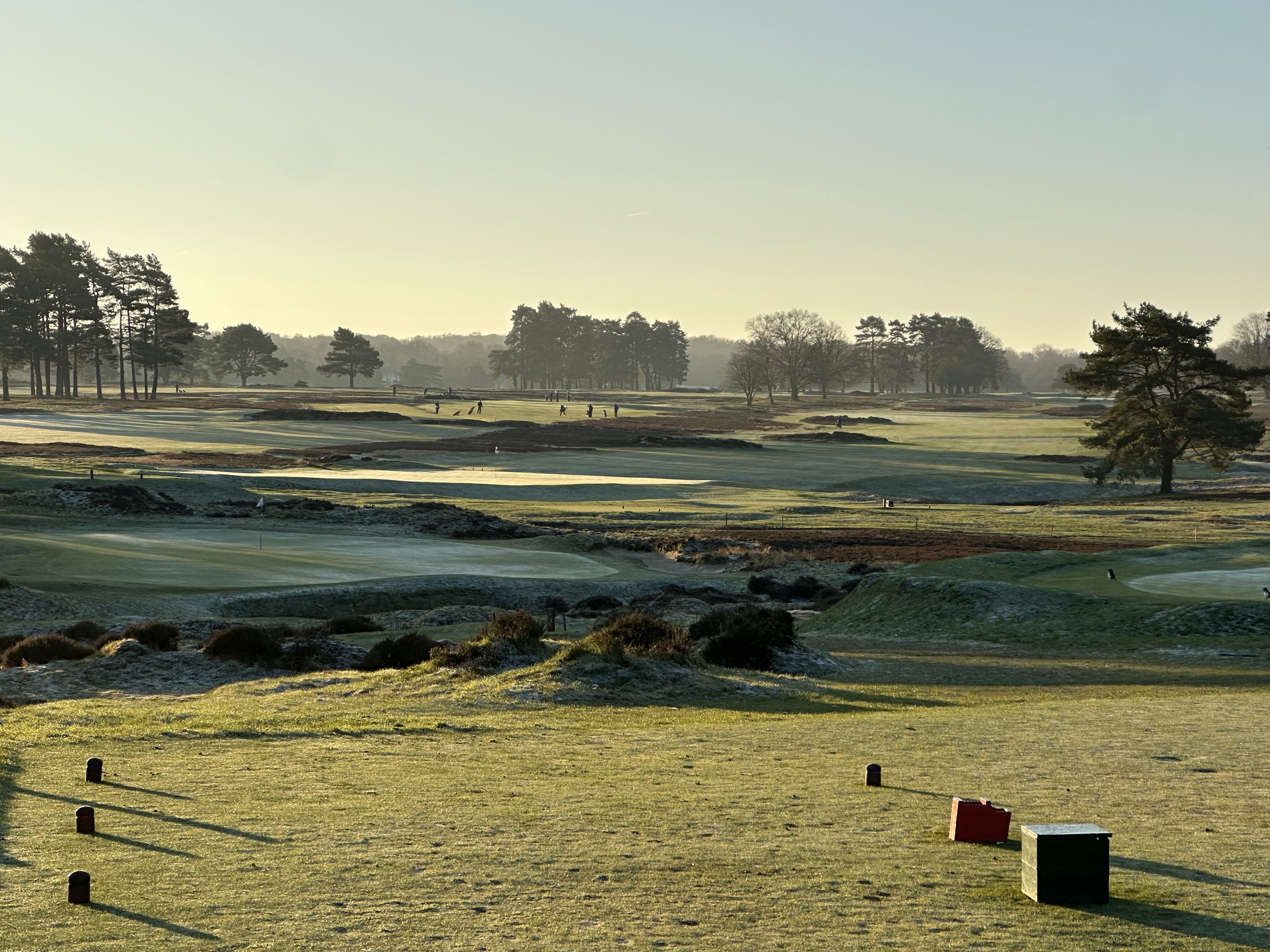
Above: an assortment of Walton Heath images of both the Old and the New Courses and other historical pieces

8. Swinley Forest [8] Ascot, Berkshire, England. Harry Colt. Swinley Forest has had my attention for a long time, its mystery, par of 69, and Harry Colt’s self-proclaimed “least bad course” statement being a siren song of sort. Its difficulty of access only added to that desire to get there, but I finally made it for an evening walk—on my final overall night in England, no less. The appeal of the place is pretty immediate with its historic clubhouse, quiet low-key feel, and majestic forested setting that only increases in majesty as you traverse into the property. There were some particular feature highlights I loved—the benched green 4th, the back left ridge guarding the 9th, the offset hazards on the 12th, and the cross hazards on the 14th. I’ve got it a bit further down the list than I’d expected, though, as I noted a number of design changes and renovations that seem to be evolving away from Colt’s work, when the opposite careful, restorative approach should be the modus operandi at such a truly special, beautiful, and historic place.

9. The Addington [8] Croydon, Surrey, England. J.F. Abercromby. The Addington is another one of those sub-70 courses that punches well above its weight, with numerous lengthy par 4s playing their way over brawny terrain. The views from what is the highest point in Greater London are stunning, as most of the course offers peekaboos of the city’s skyline. That’s all thanks to excellent, aggressive, historically detailed restoration work headed by owner Ryan Noades and his architects Clayton DeVries and Pont. Many trees have been felled to open views, improve airflow, and regenerate the site’s native heather. Greens have been expanded carefully, and tees have added new angles. The most impressive part about the course by far though is Abercromby’s greenside contouring. It is as wild, artistic, and varied as you will find anywhere, and it must be a joy (or terror!) to watch what the ball does when played off of them.
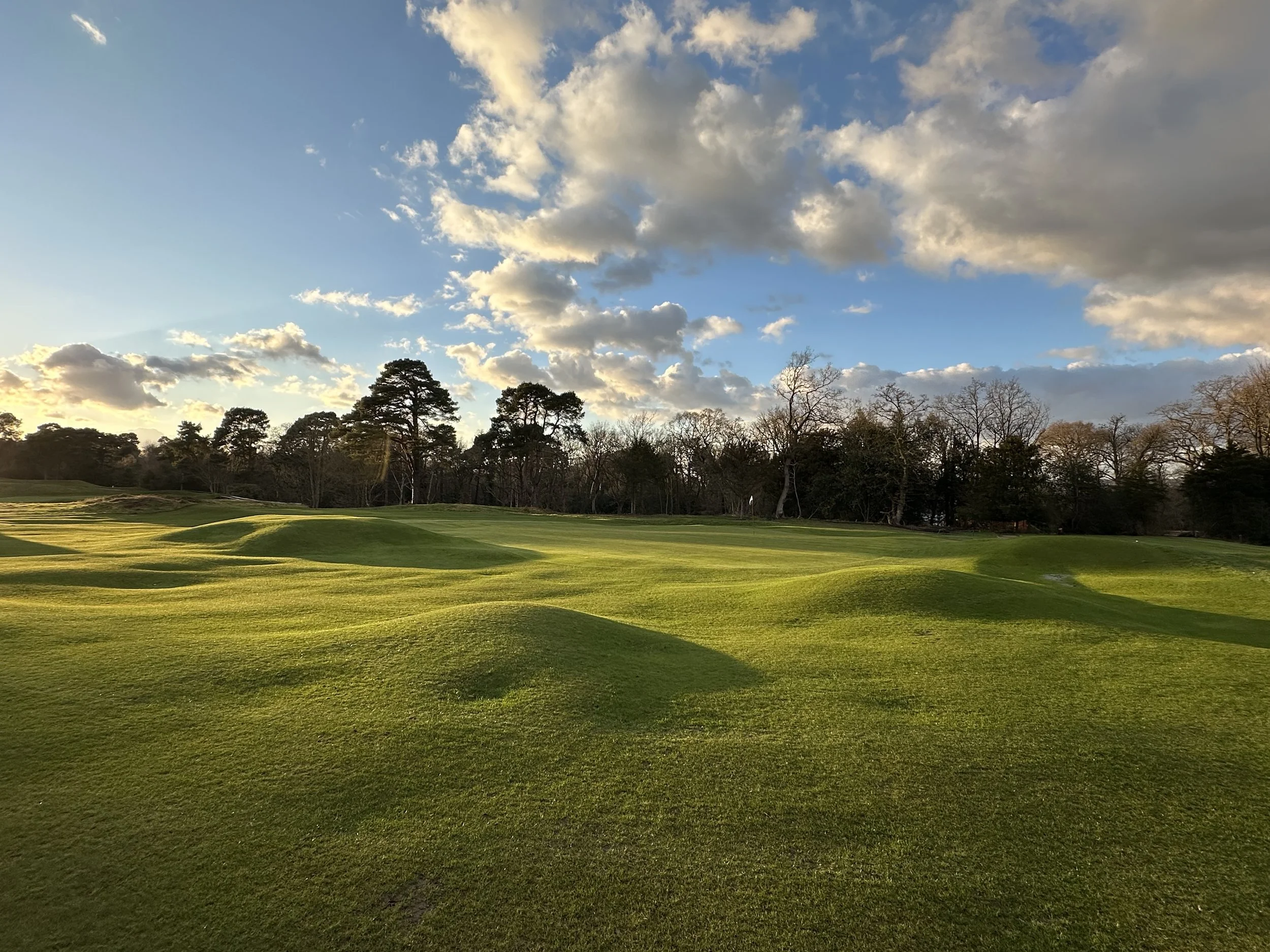
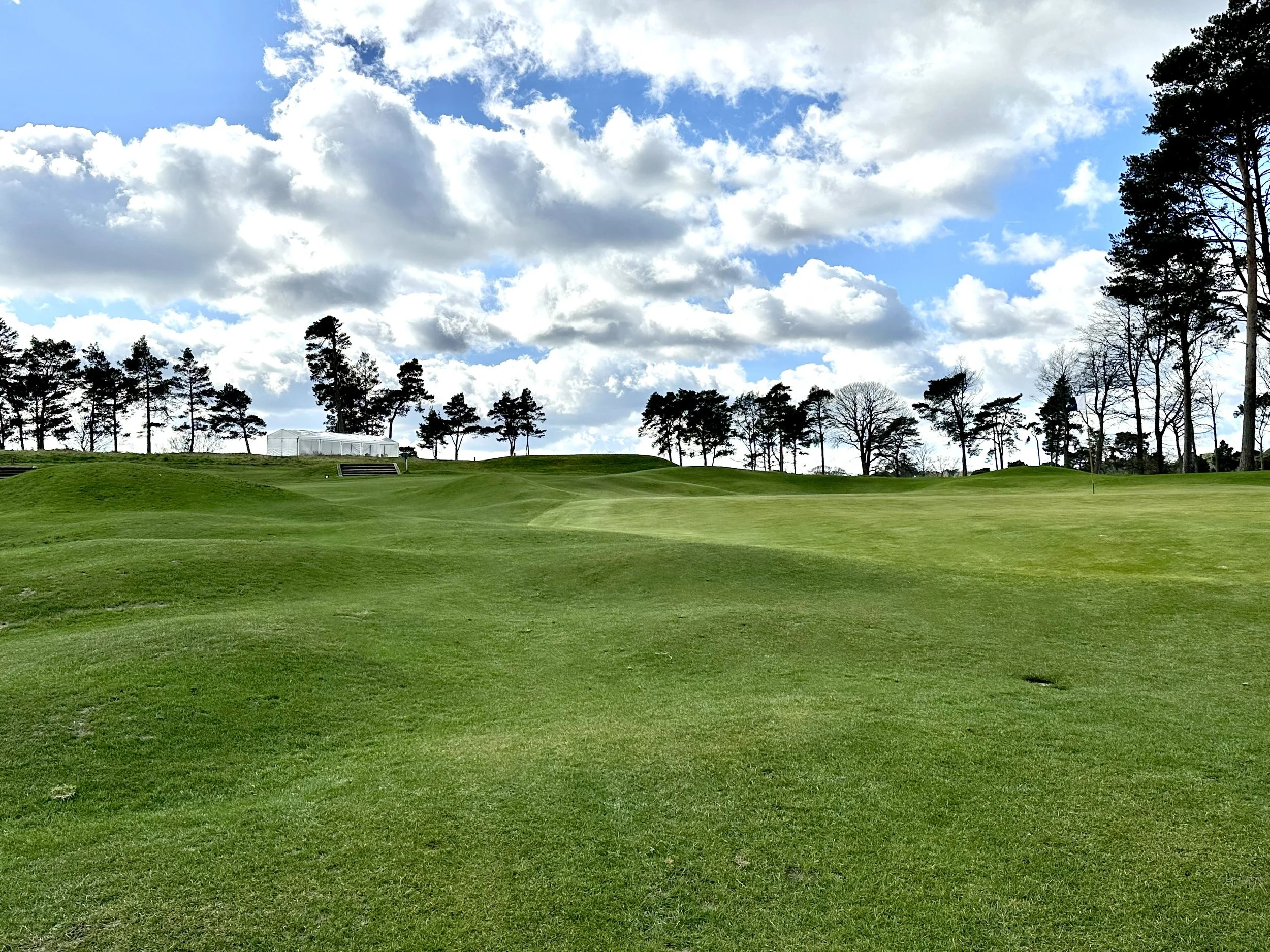
Above: brilliant greenside contouring at The Addington

10. Winged Foot (East) [8] Mamaroneck, NY. A.W. Tillinghast. I’m really not trying to be hot-take-y here, as I find both courses at Winged Foot to be excellent with superb greens complexes. The East traverses a few of the “lesser” spots of the property (mainly the eastern boundary), but on the whole I really liked the increased space out there and “room to breathe.” That, plus a little more diversity of green types, gives it a slight nod over the famous West for me, but you could easily argue for the opposite.

11. Winged Foot (West) [8] Mamaroneck, NY. A.W. Tillinghast. That said, the West has some sneaky interesting reverse camber tee shots that don’t really show up on tv or pictures. Getting to see greens like 1, 2, and 18 in person was a real treat. Those contours, big and small, are the envy of our profession.

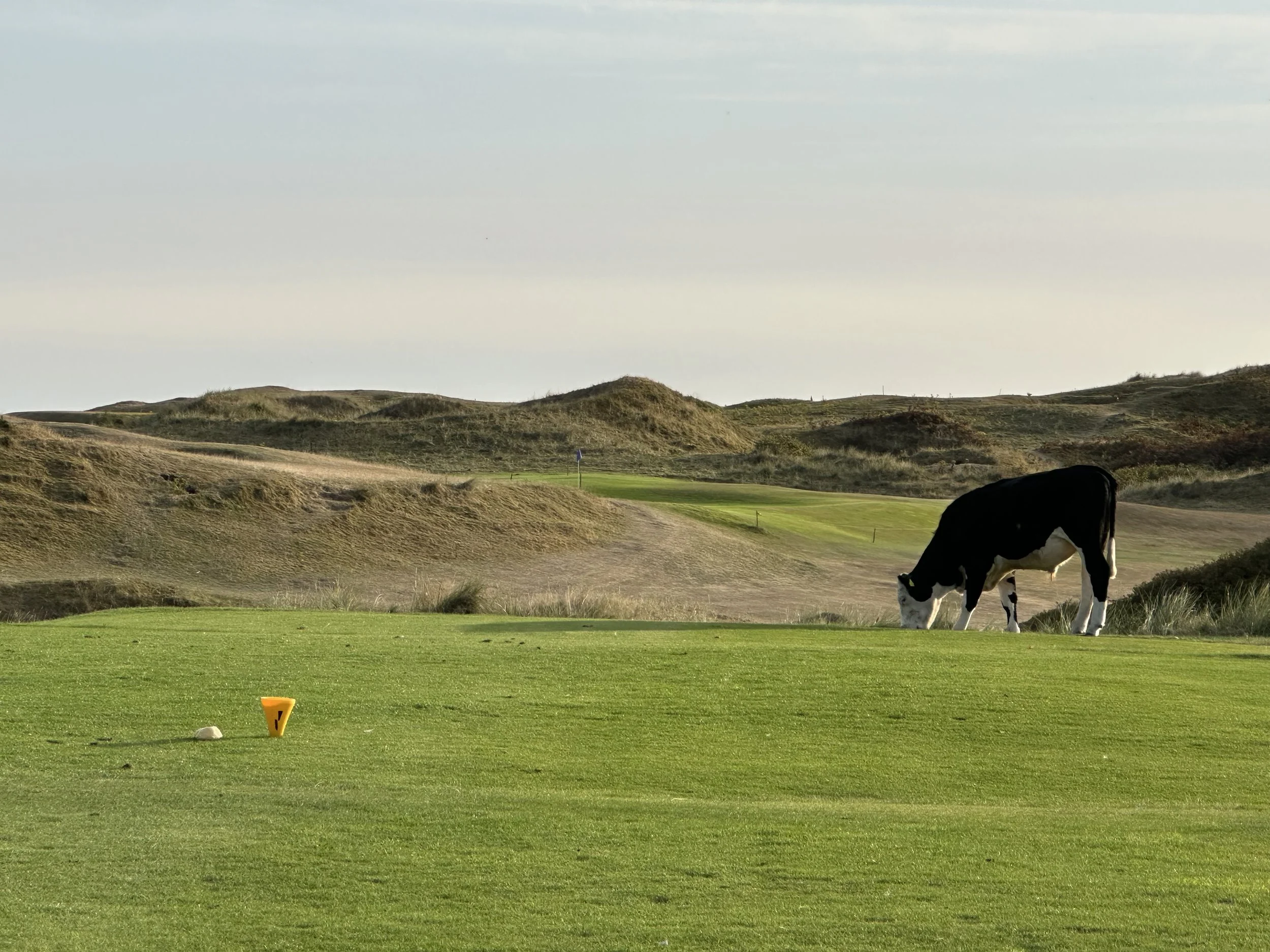
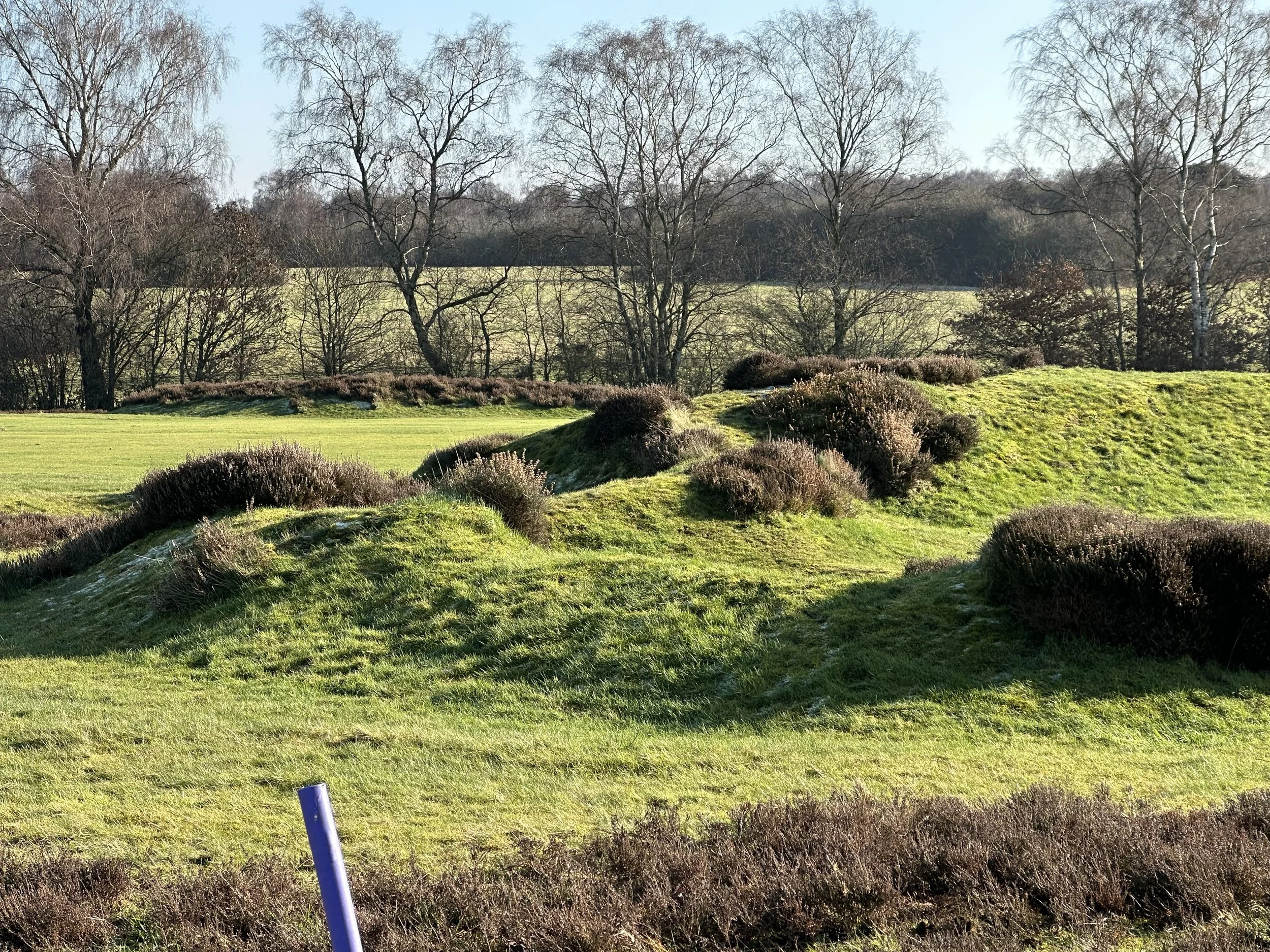
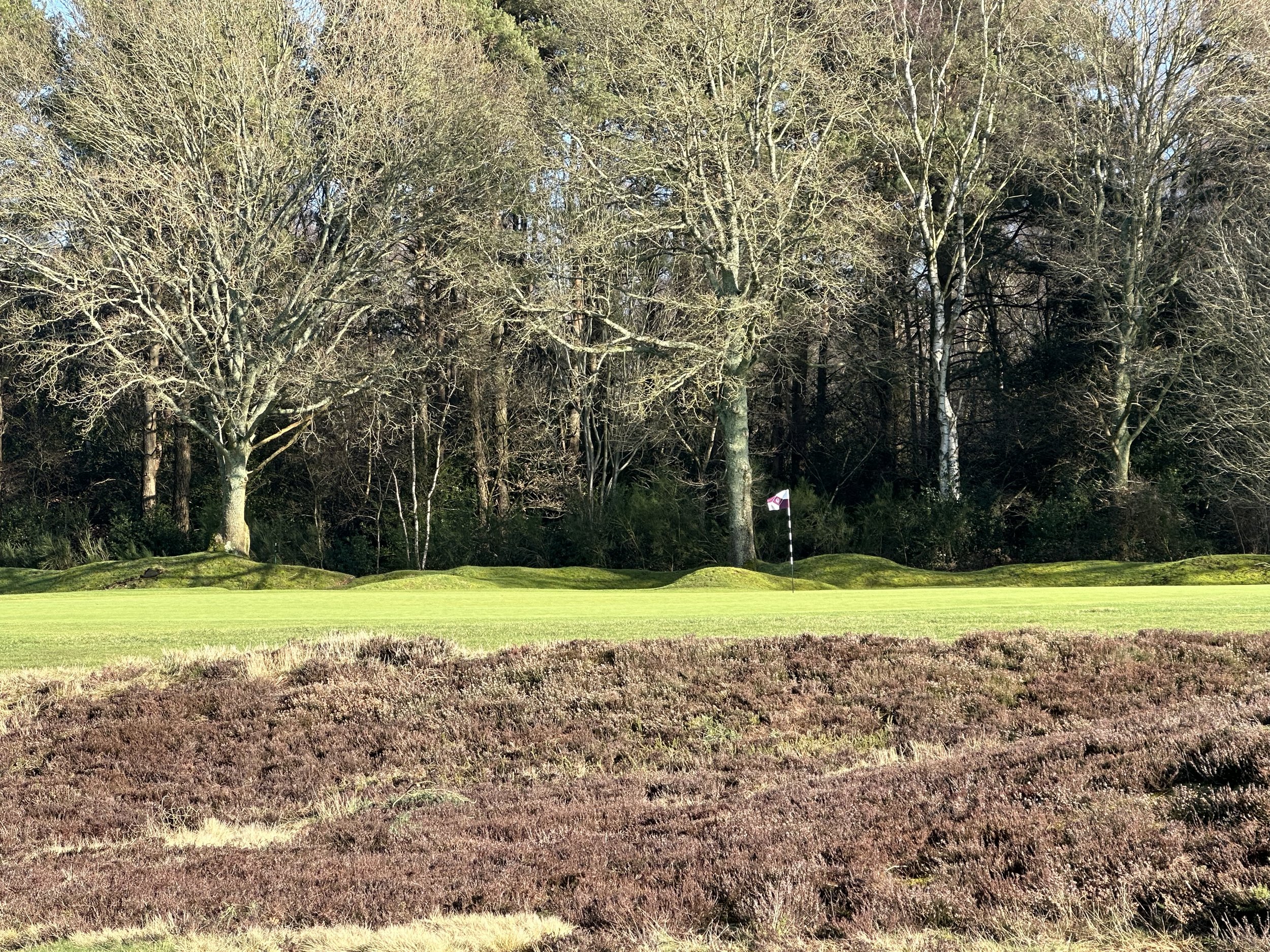
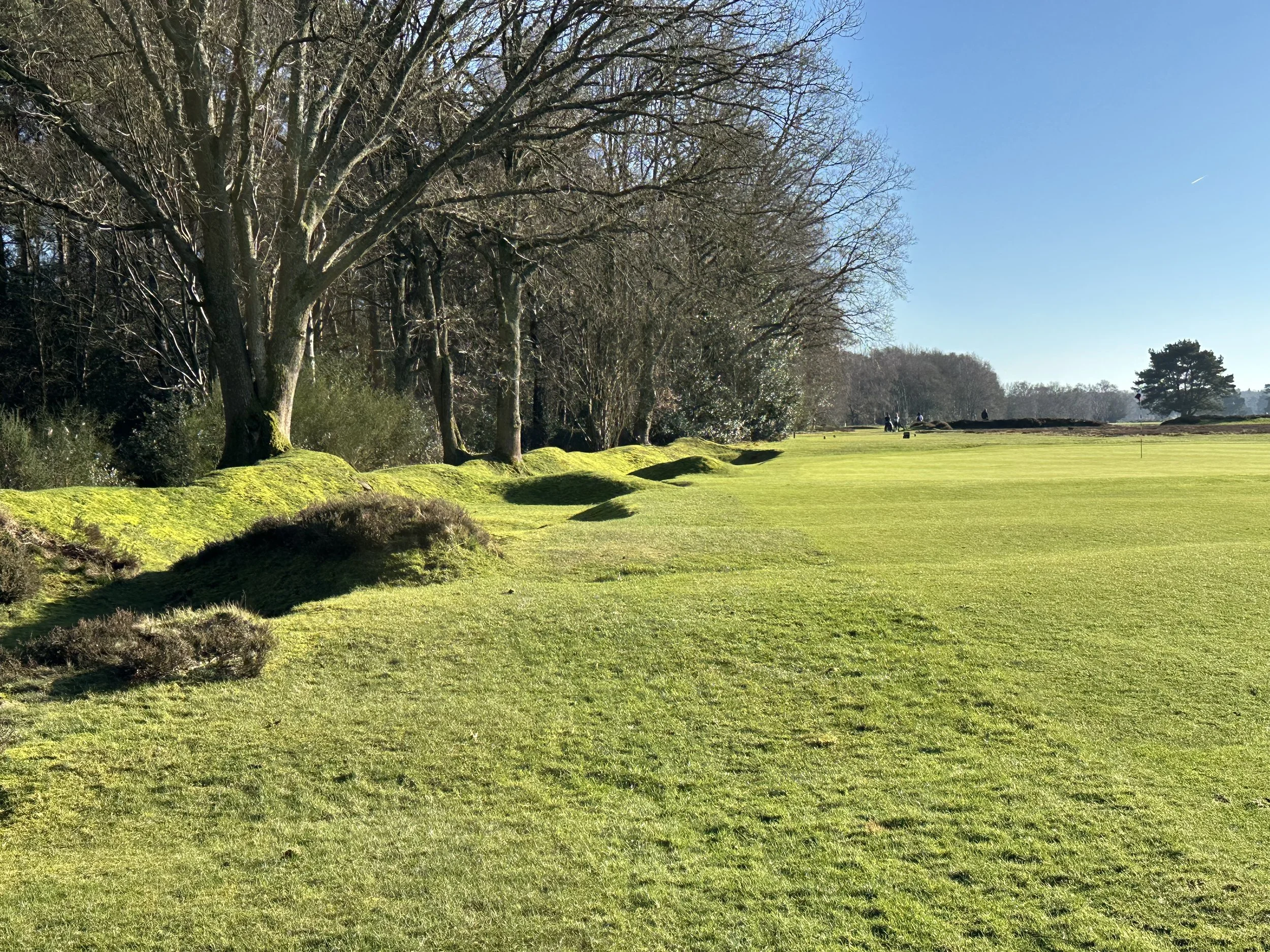
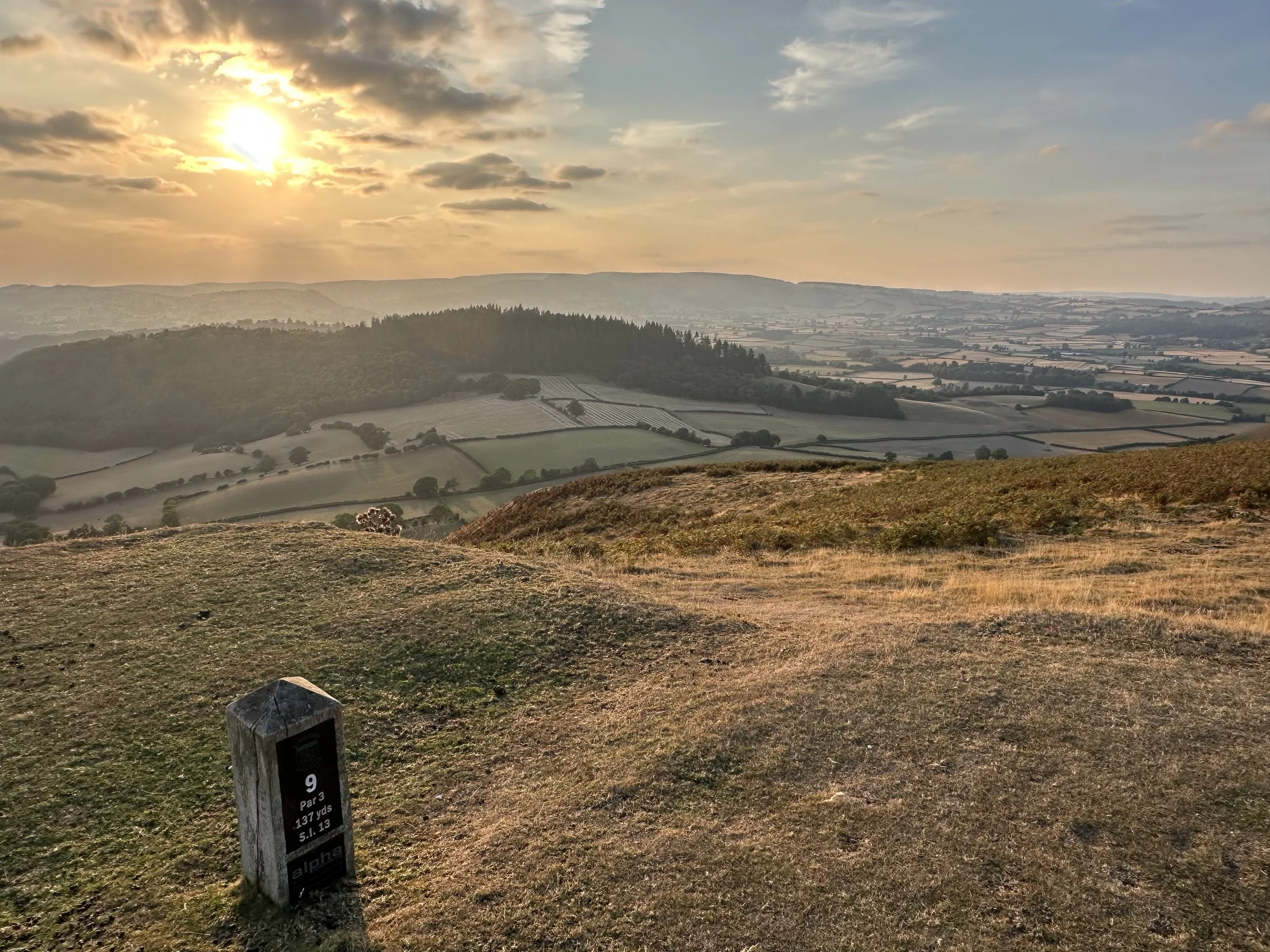
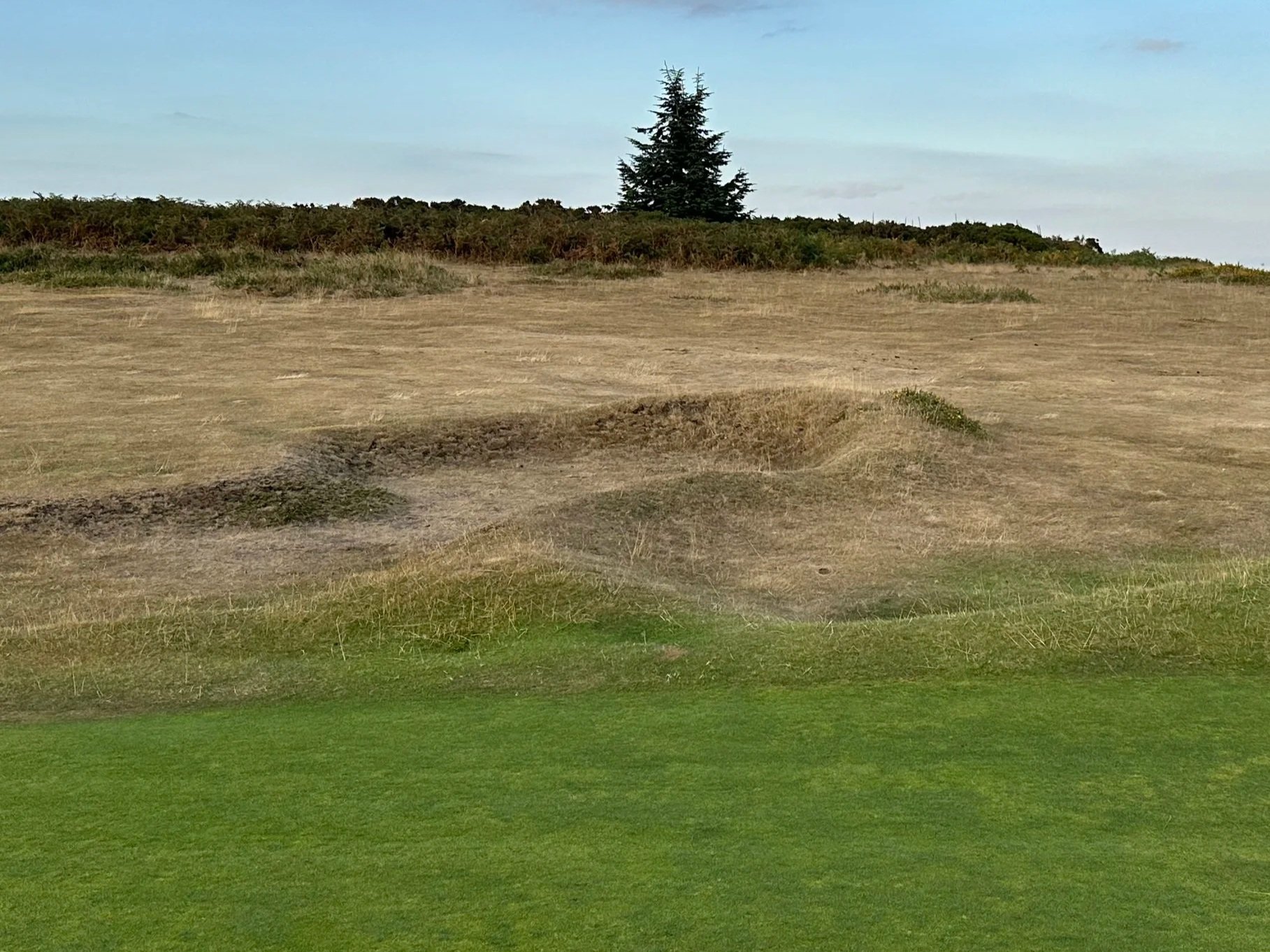
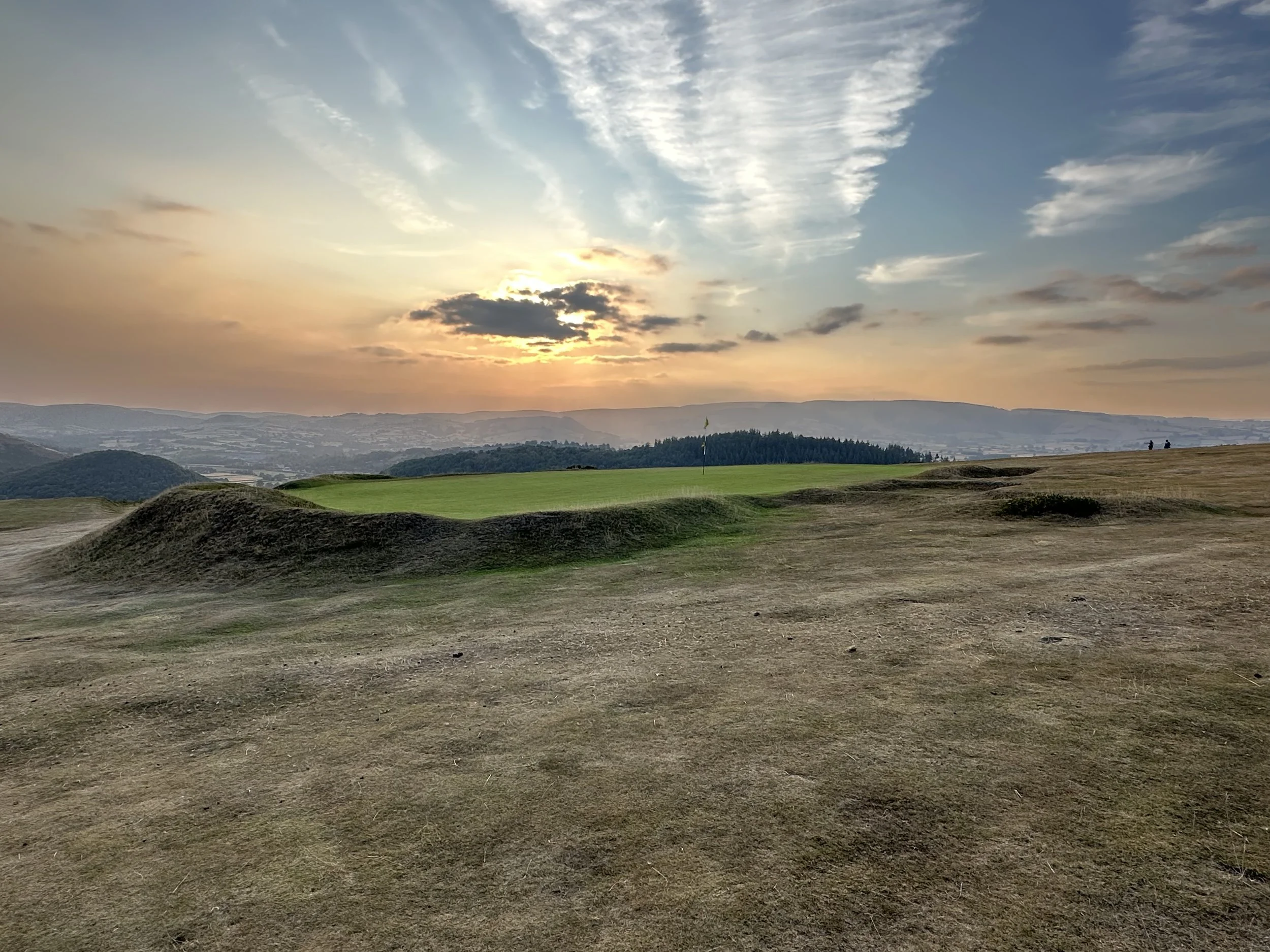
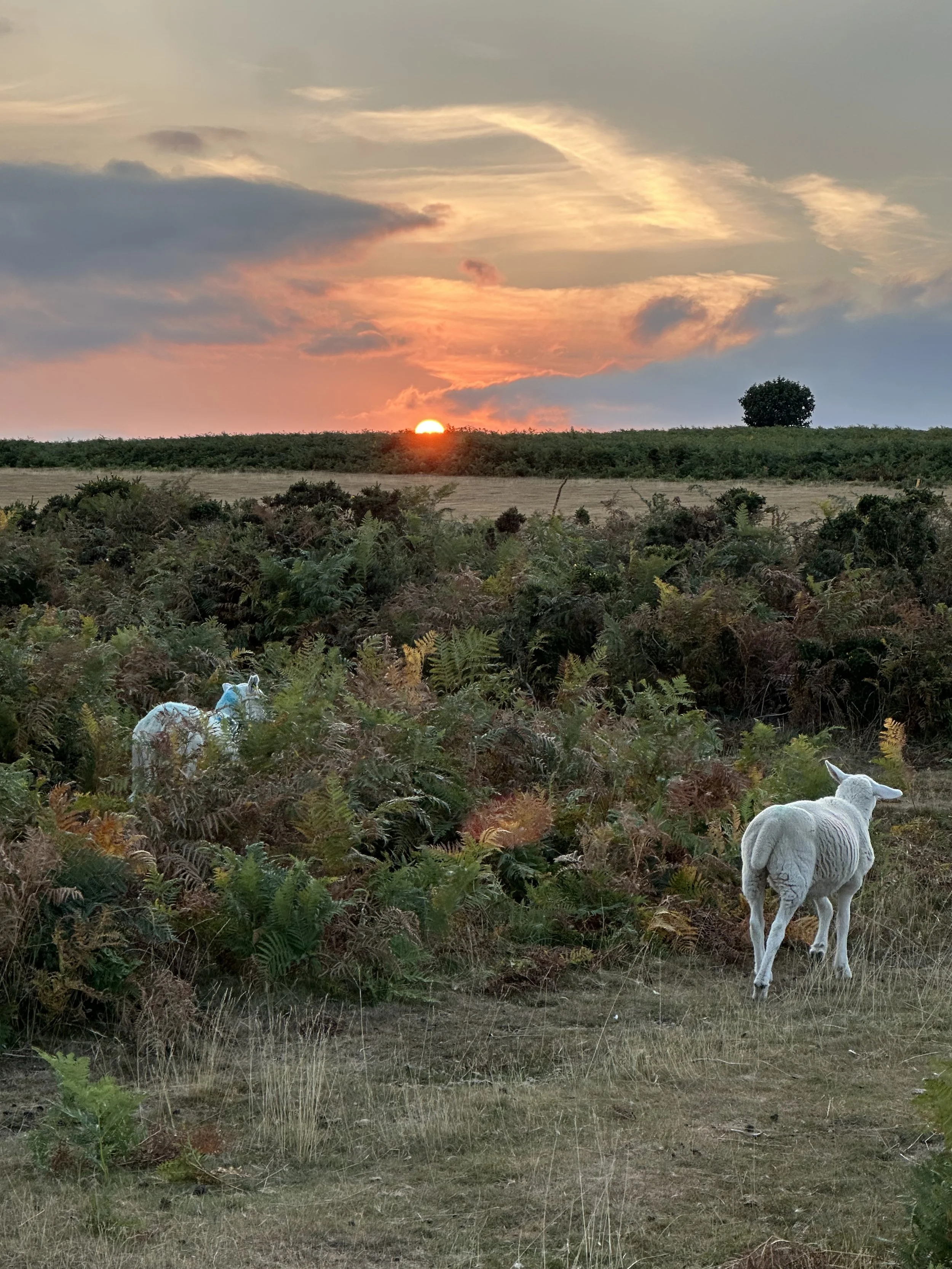
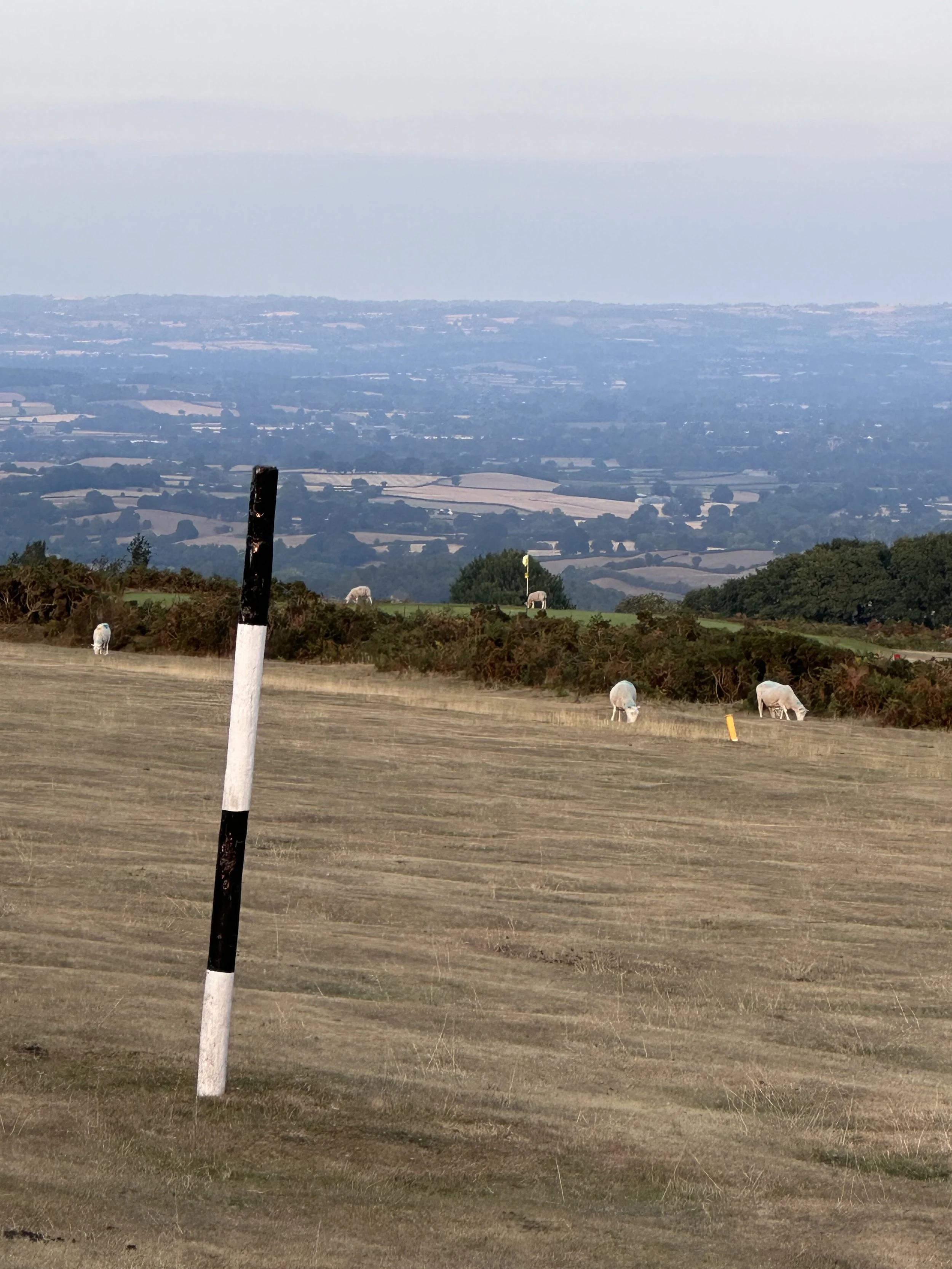
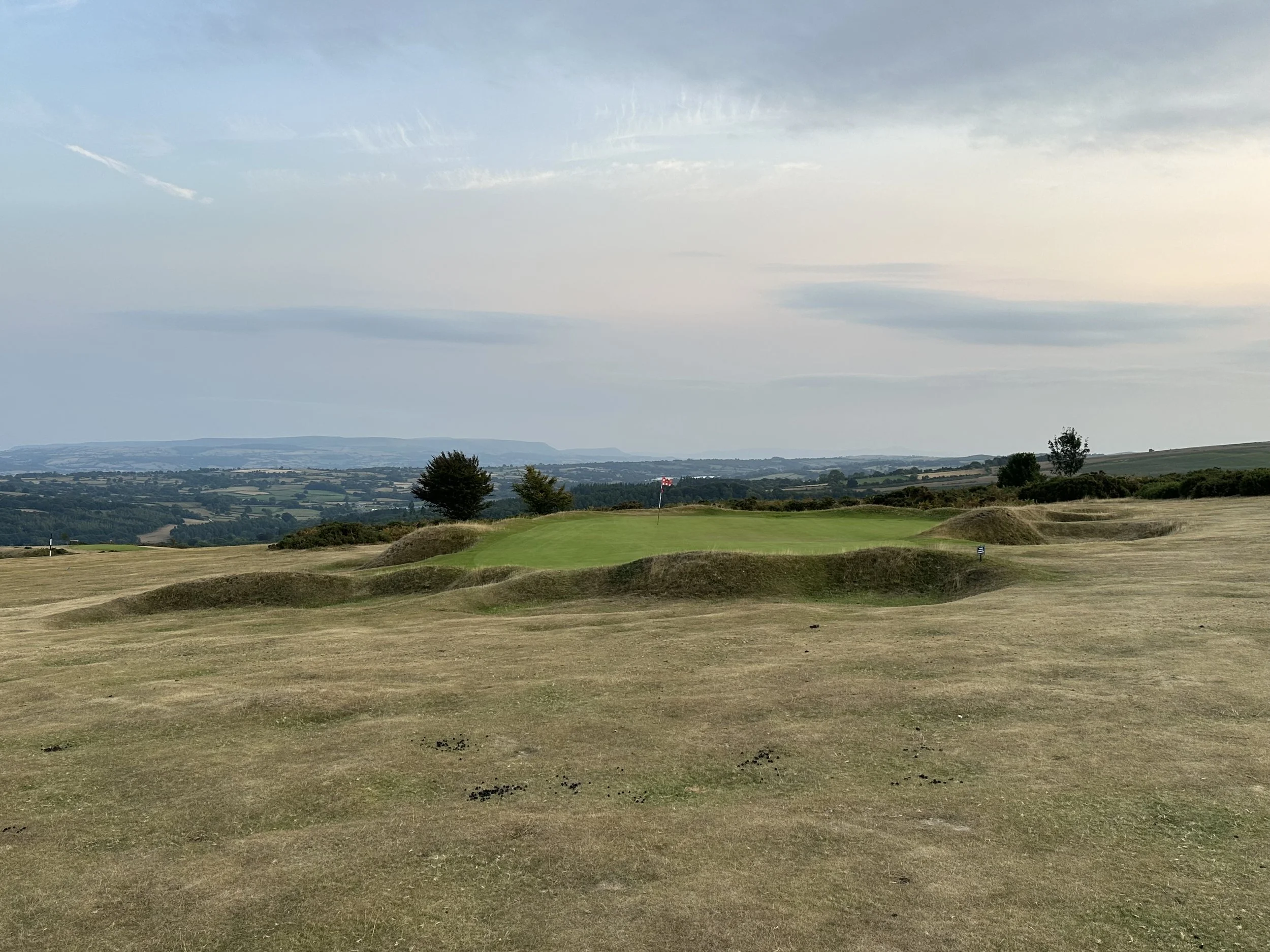
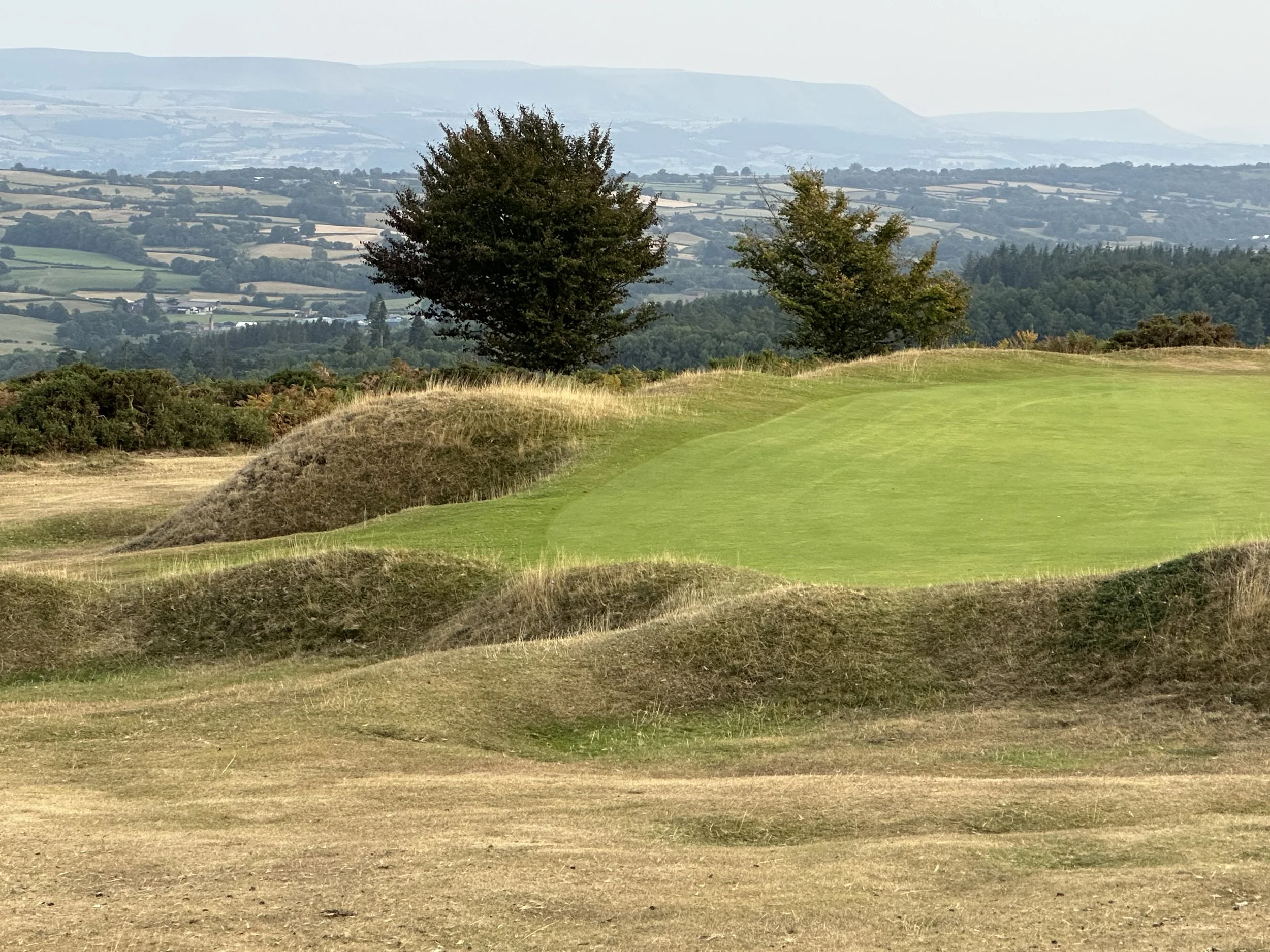
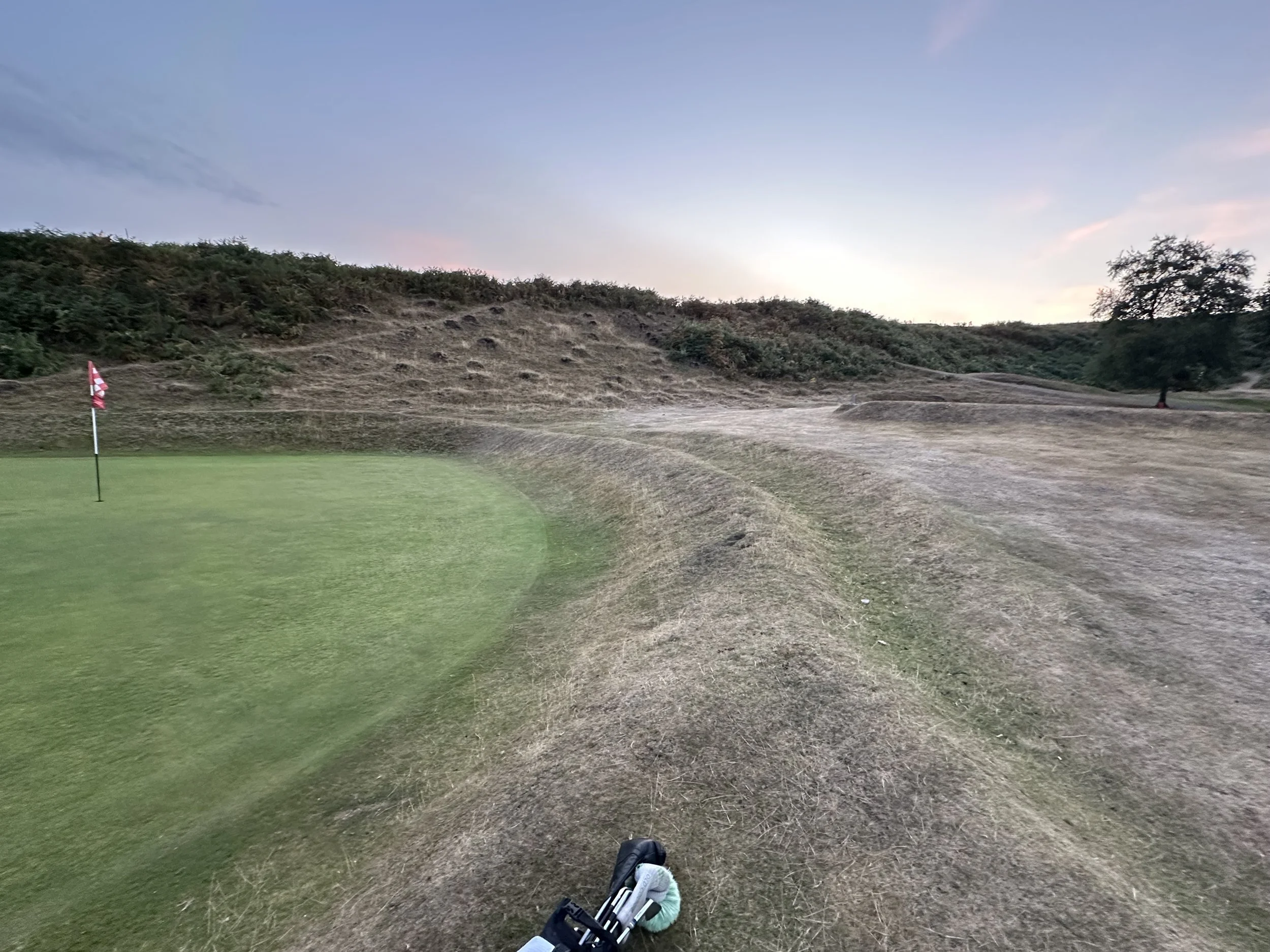
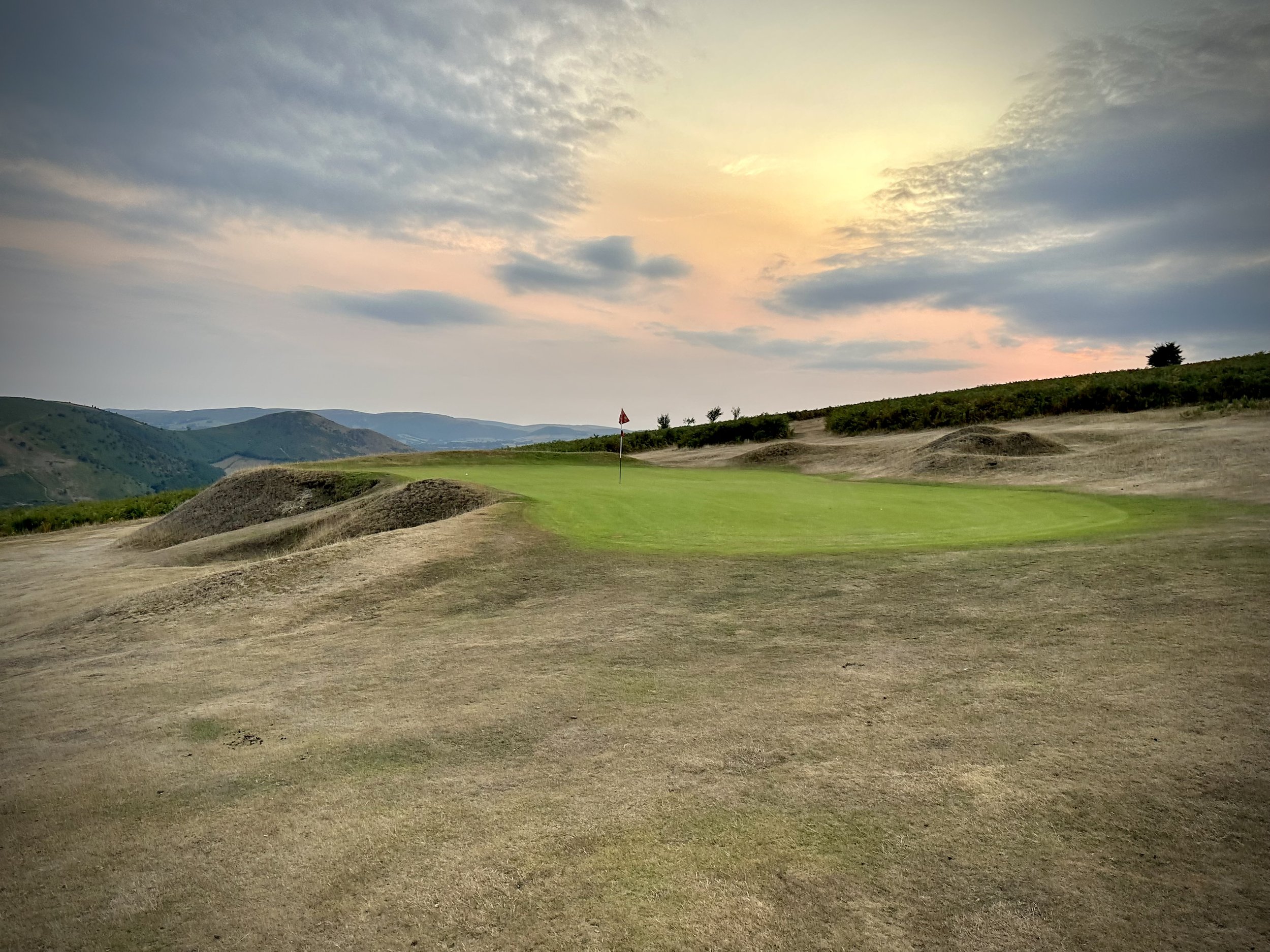
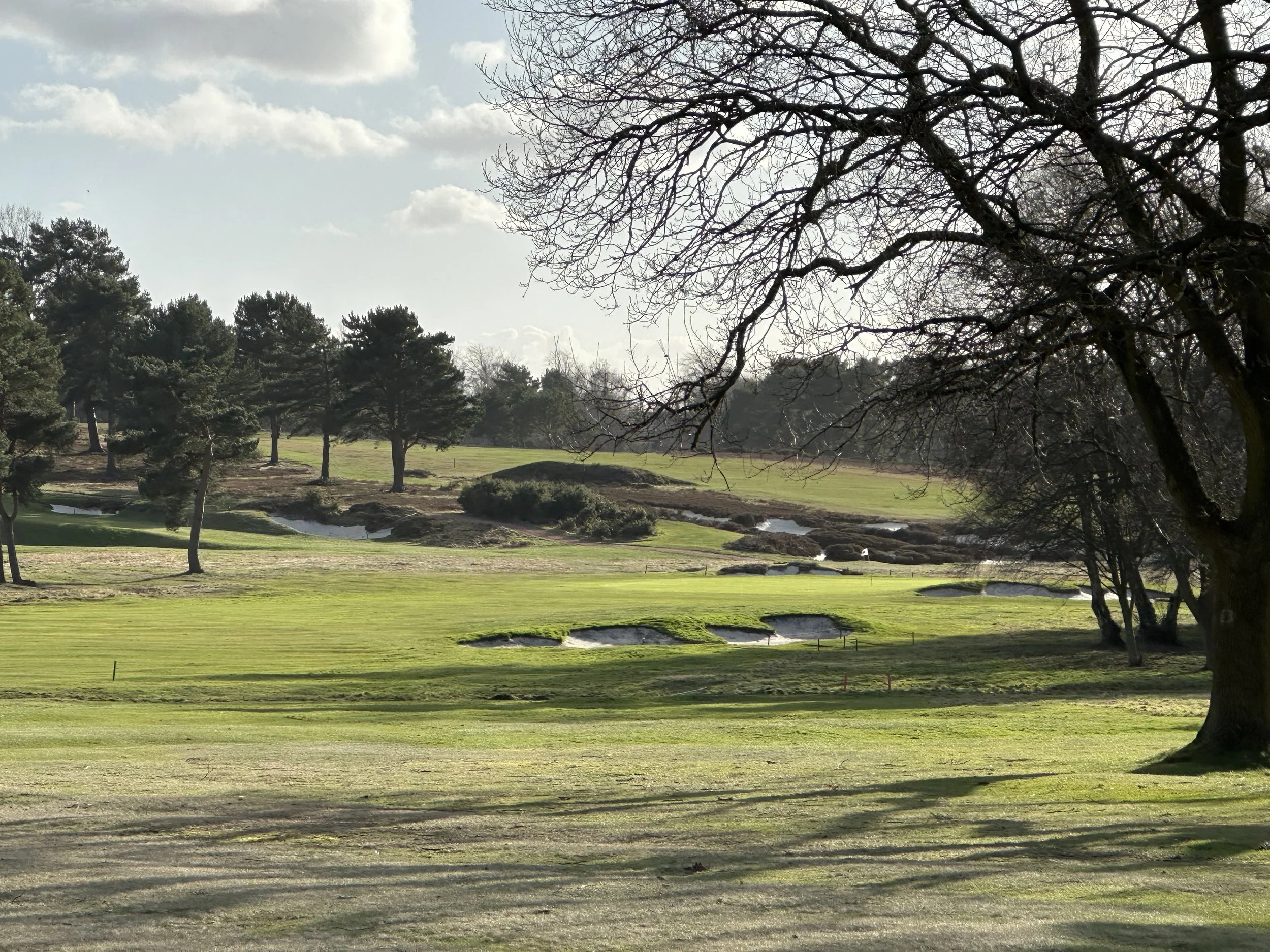
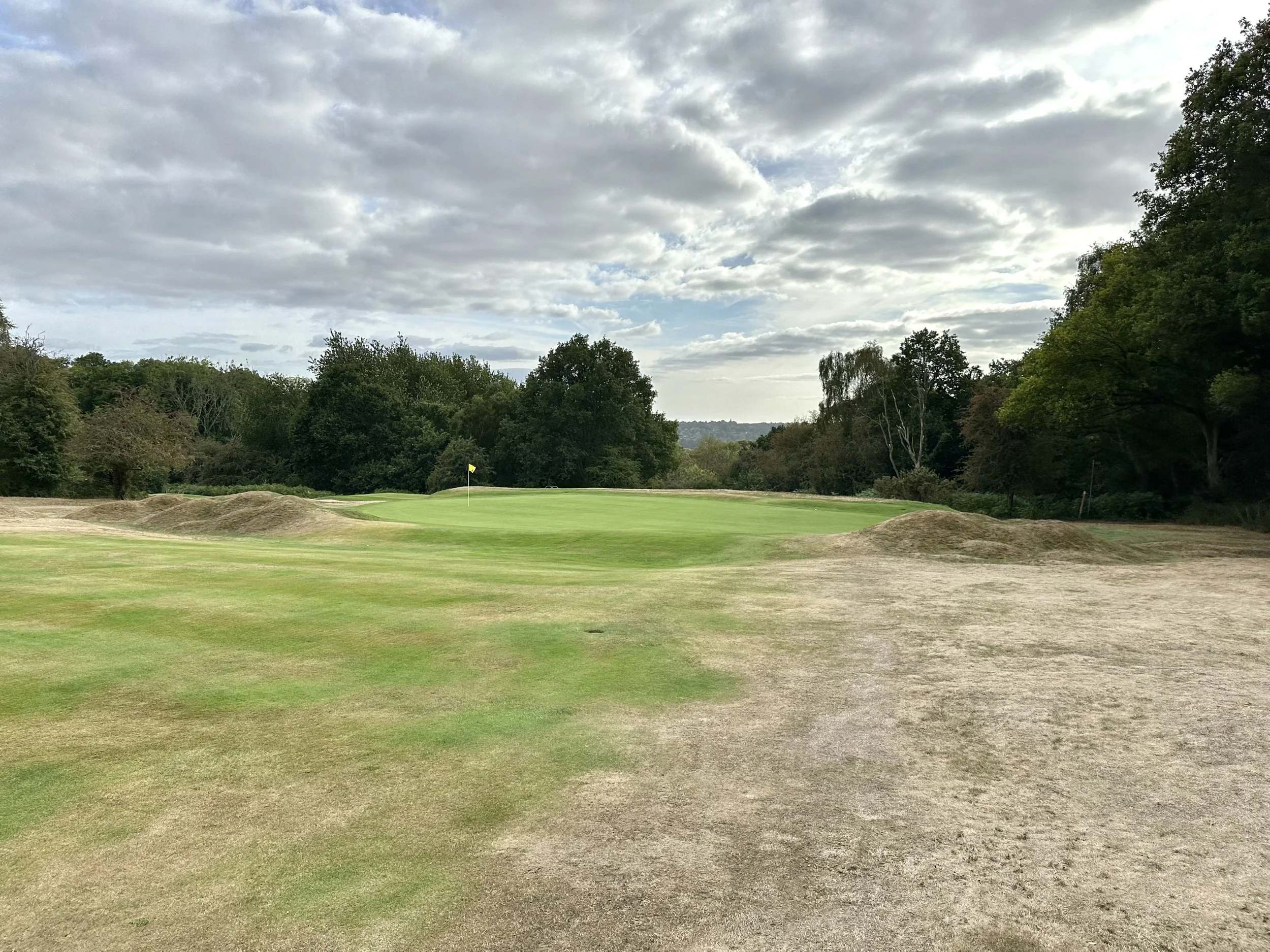
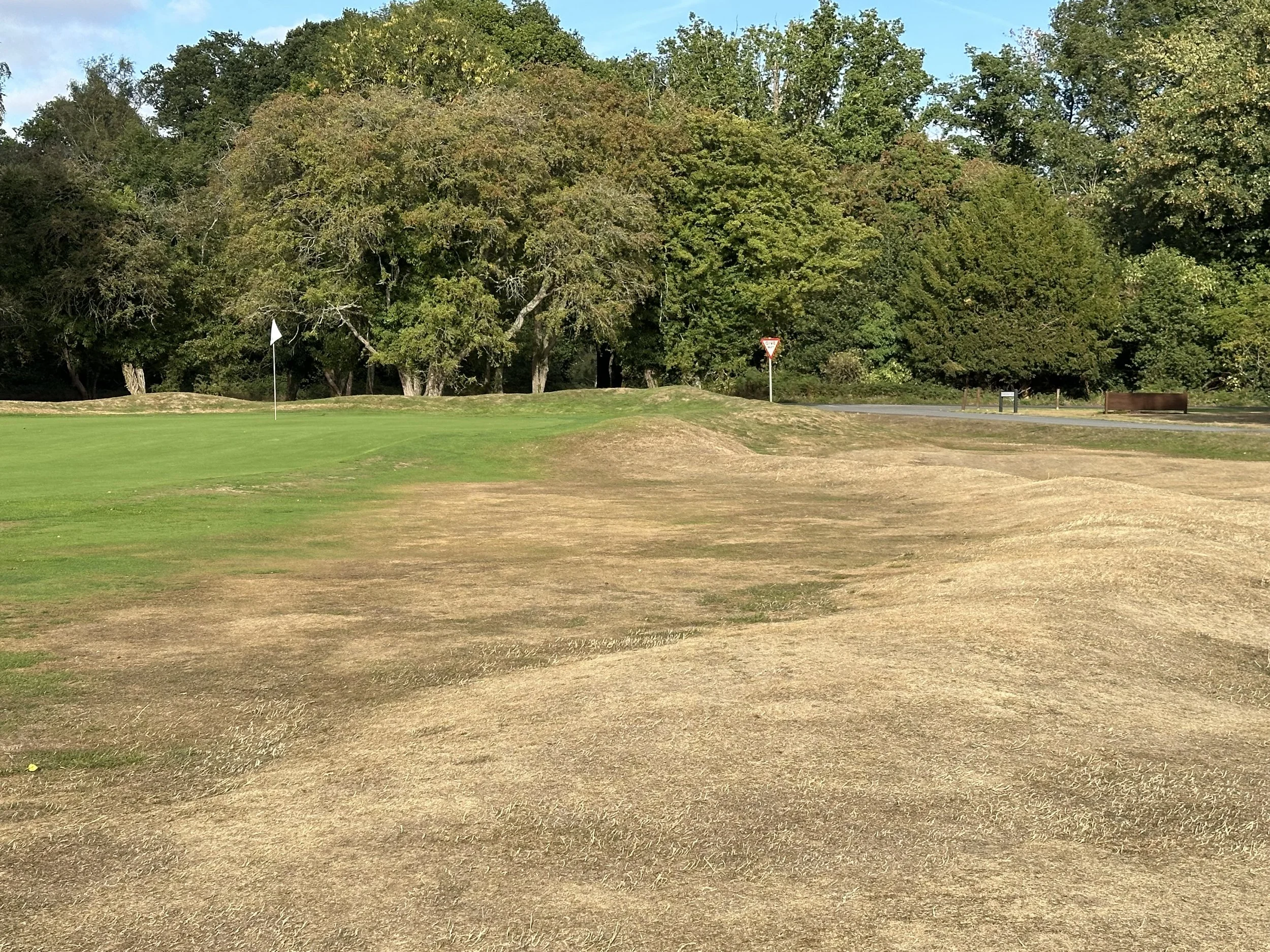
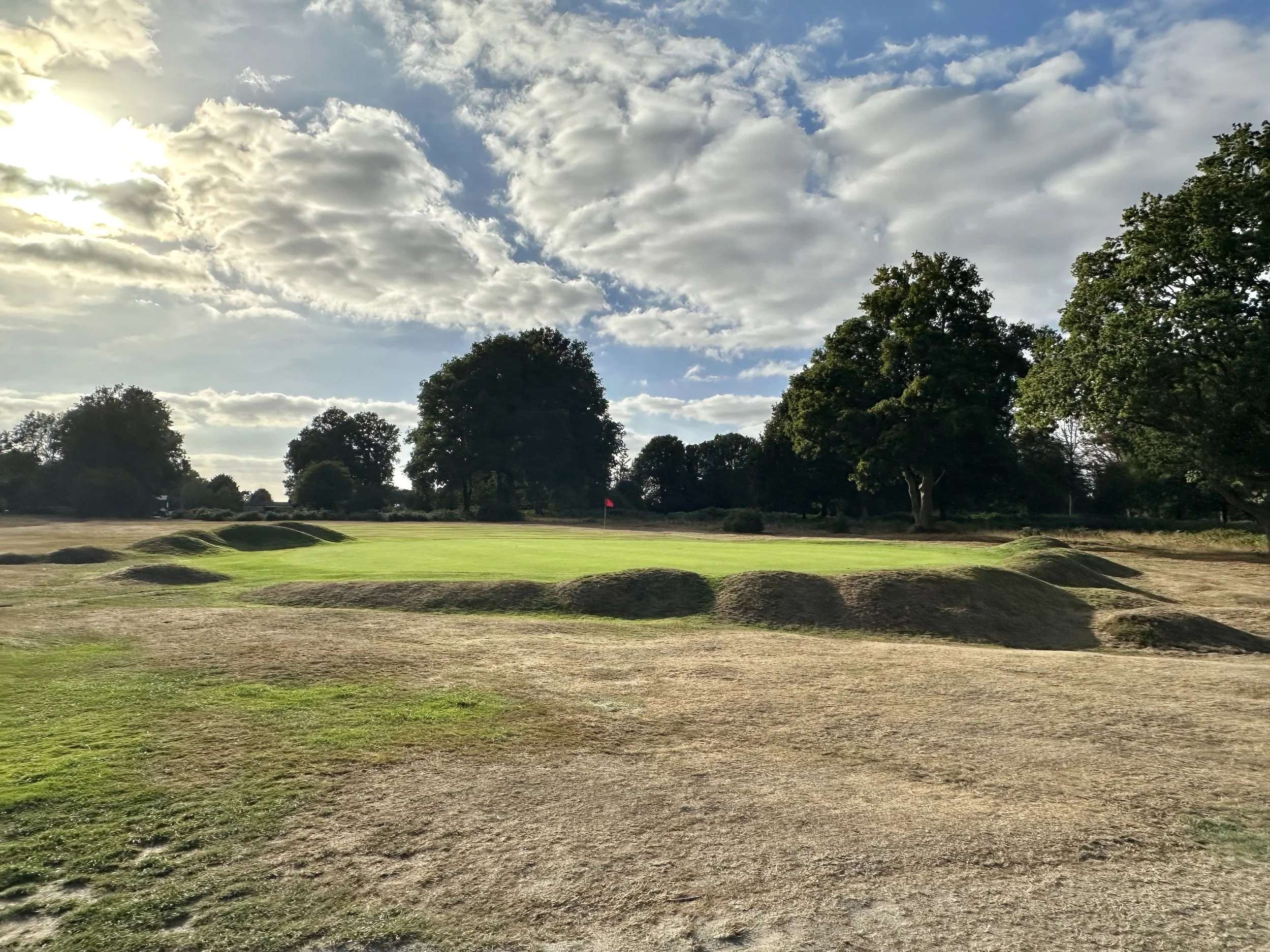
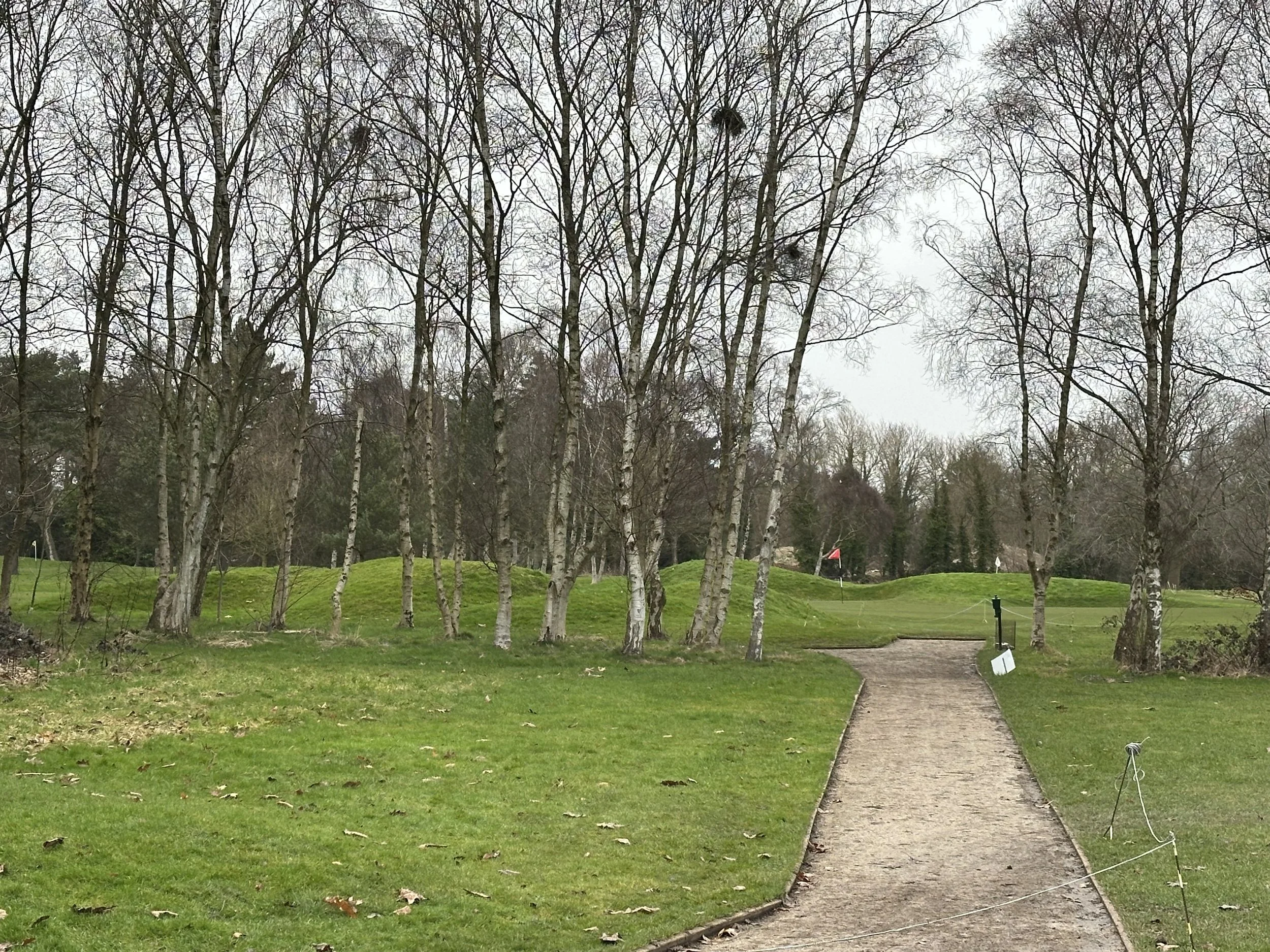
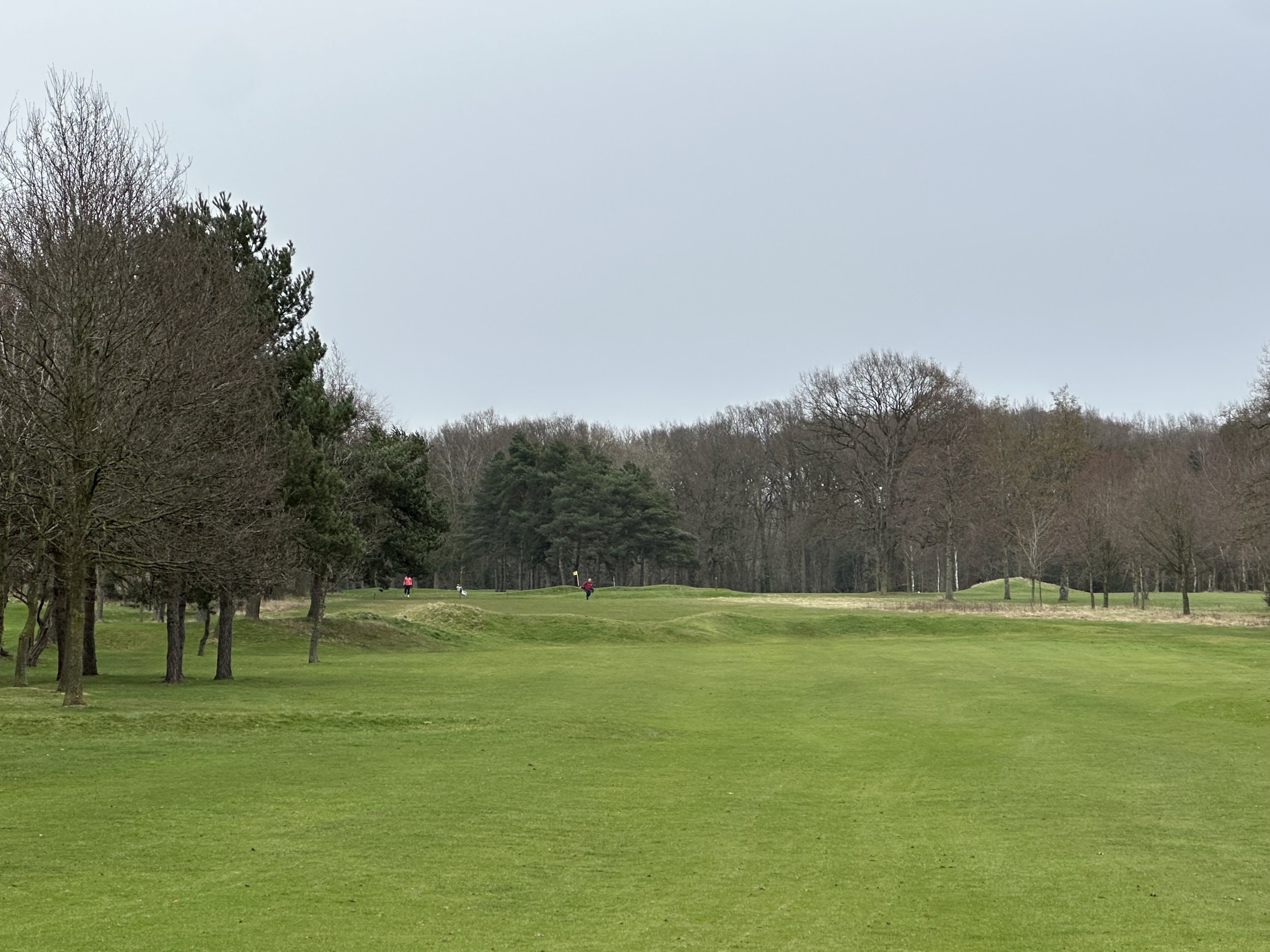
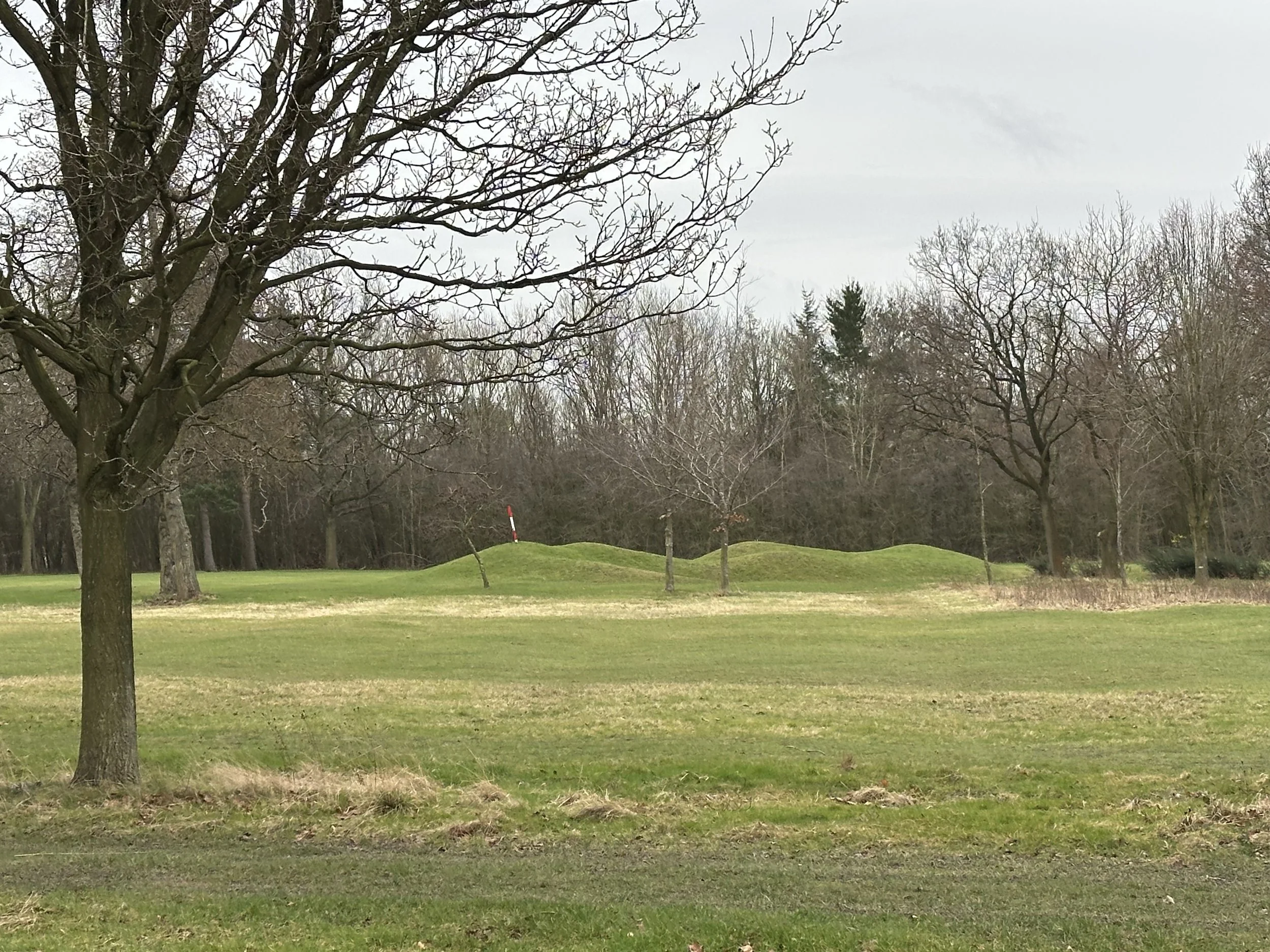
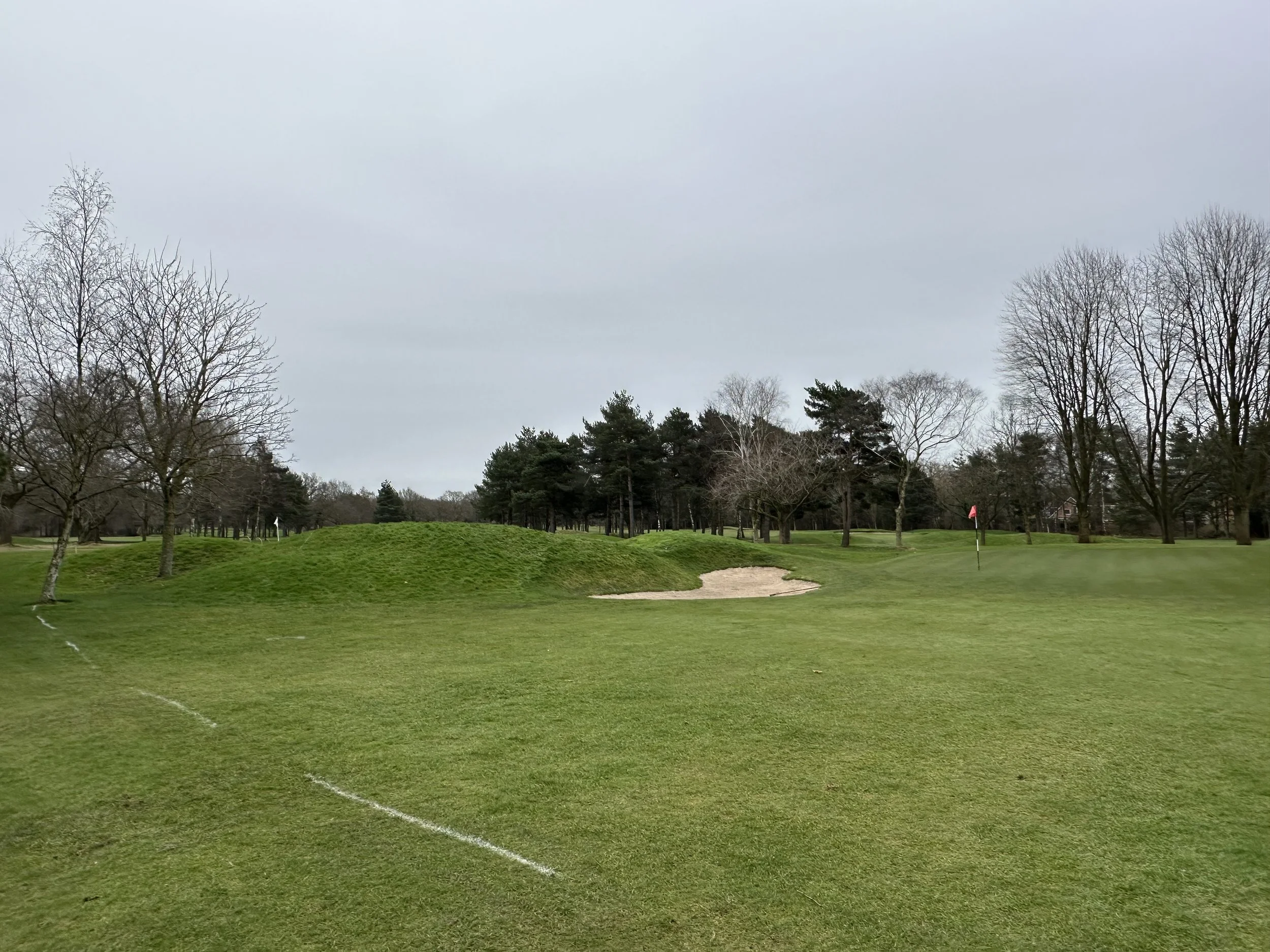
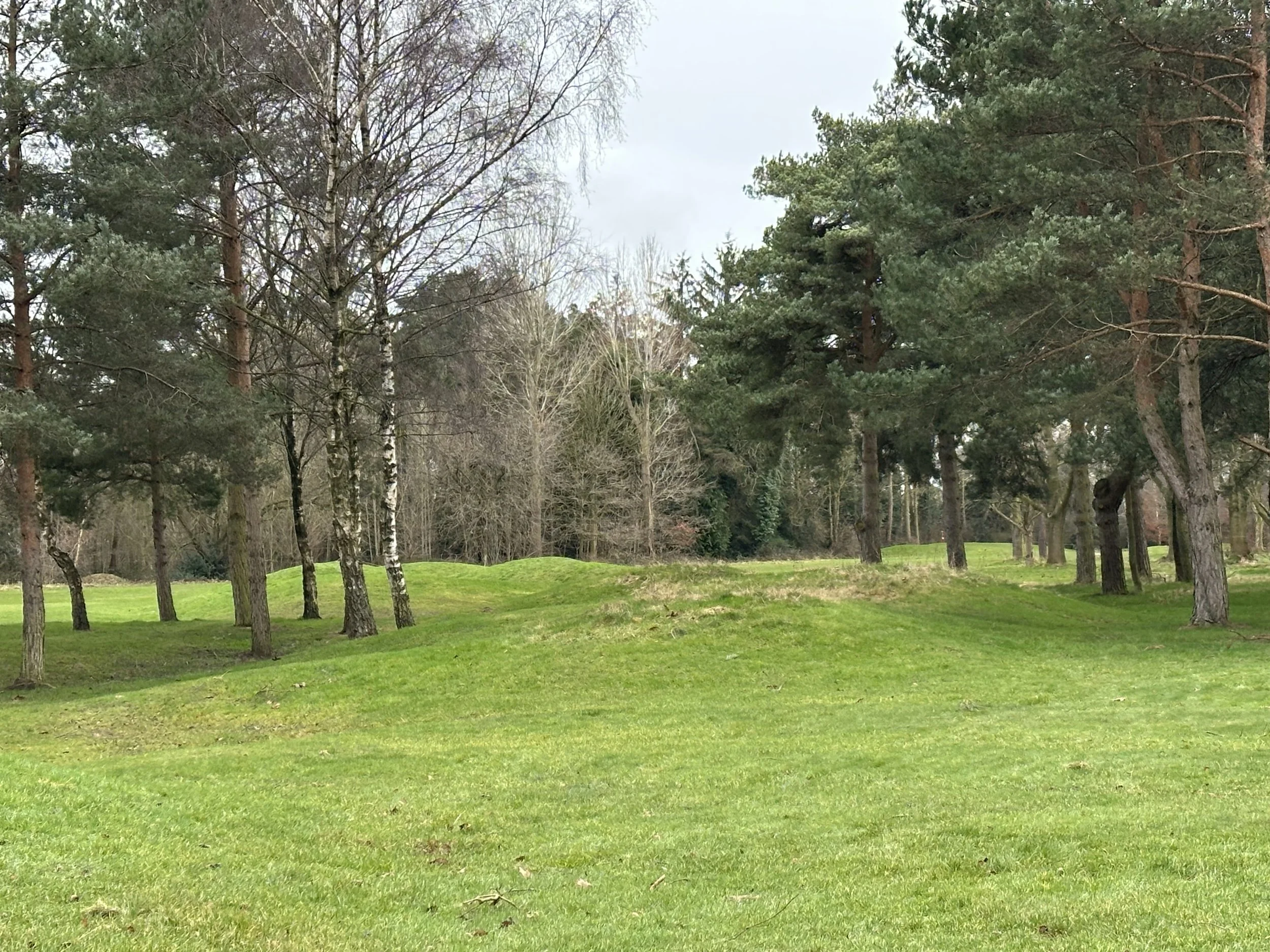
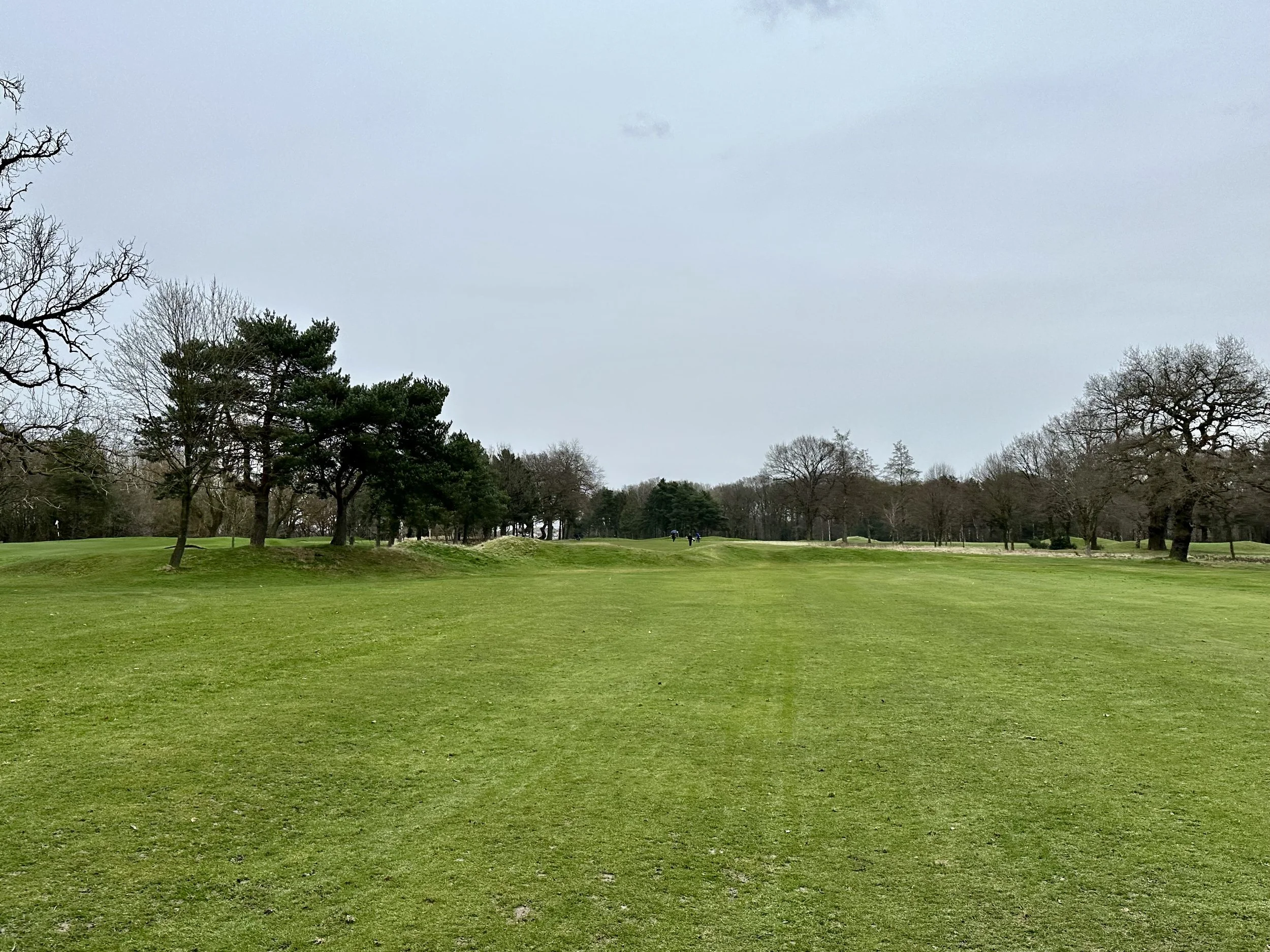
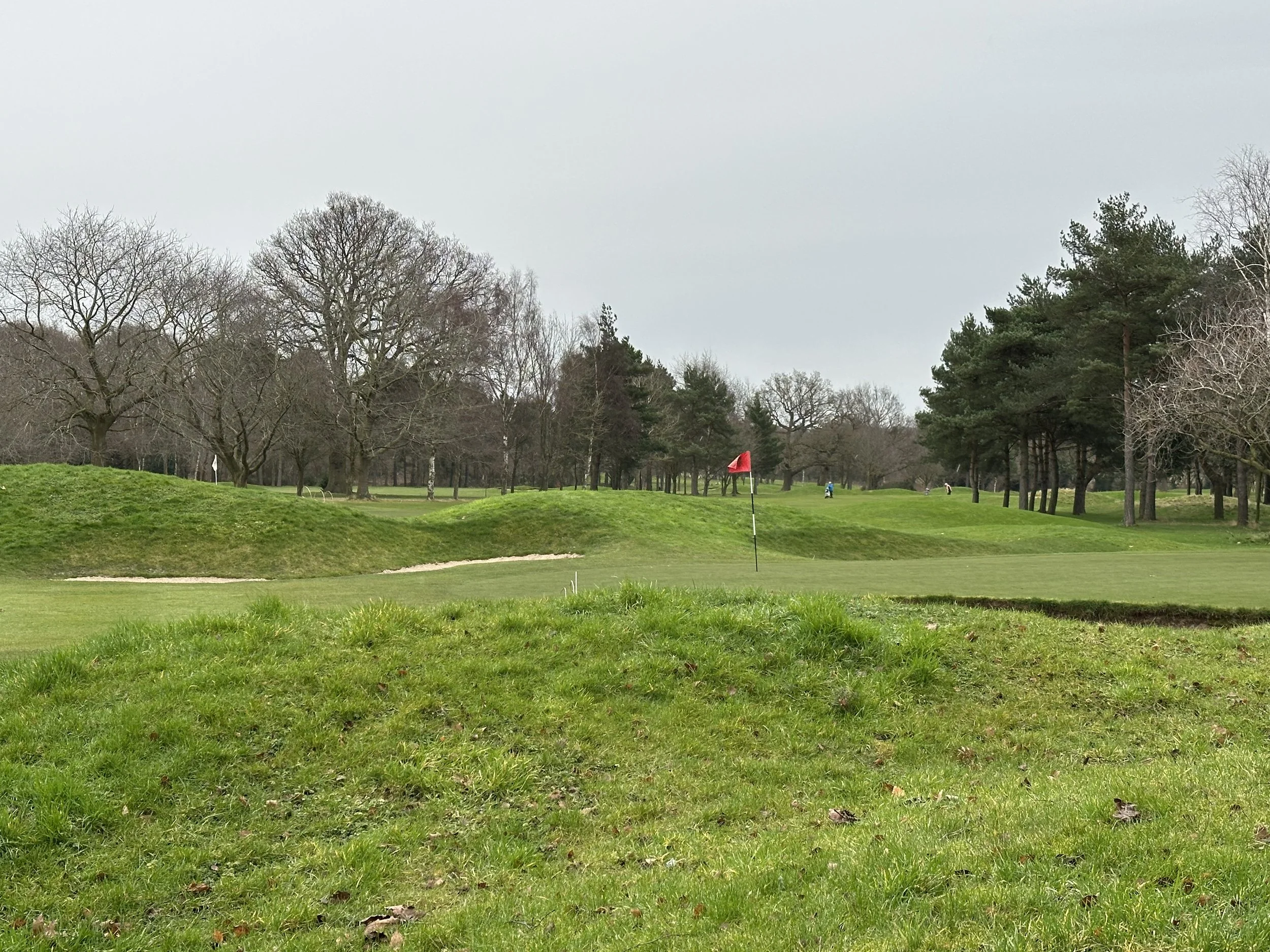
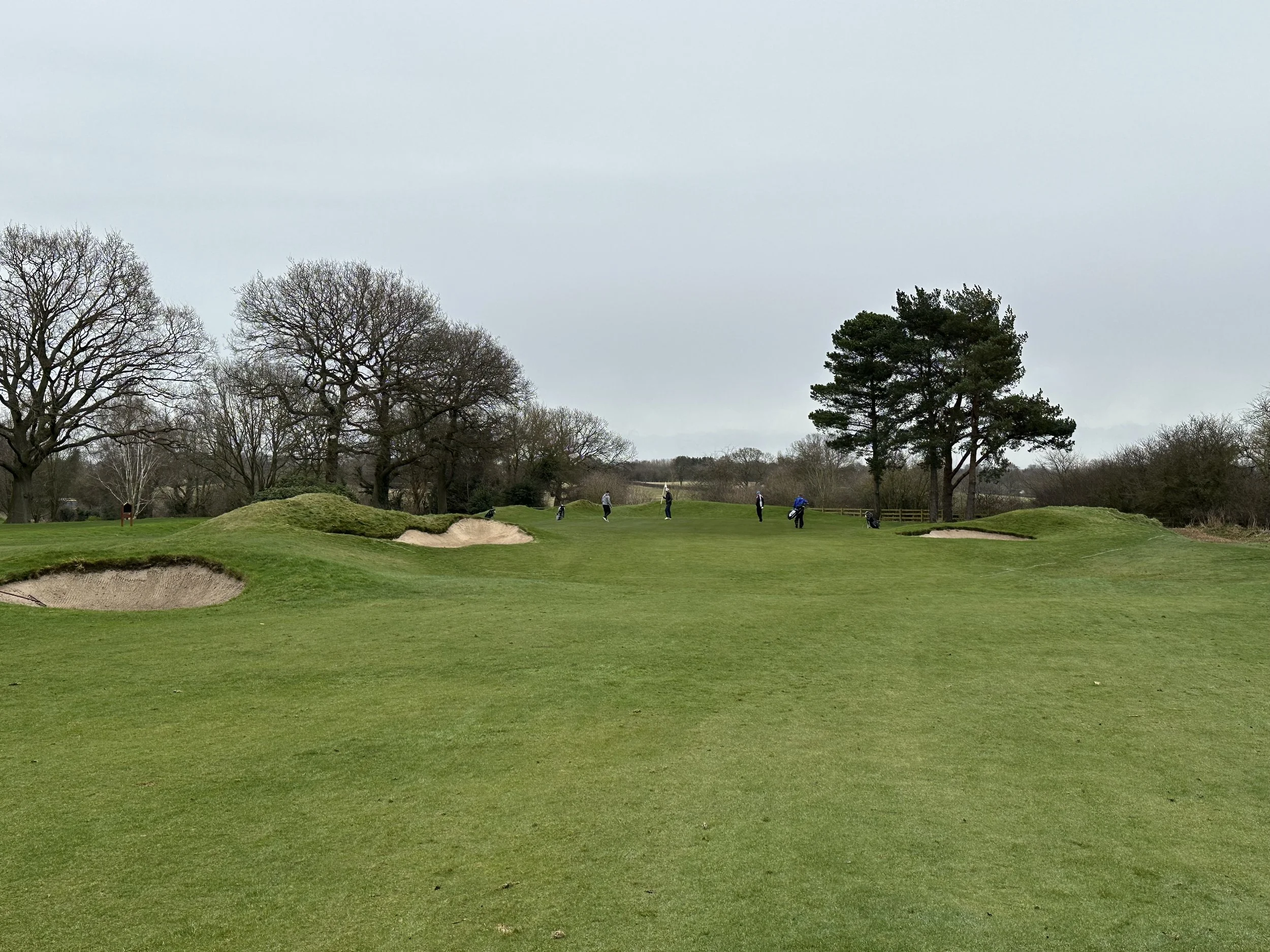
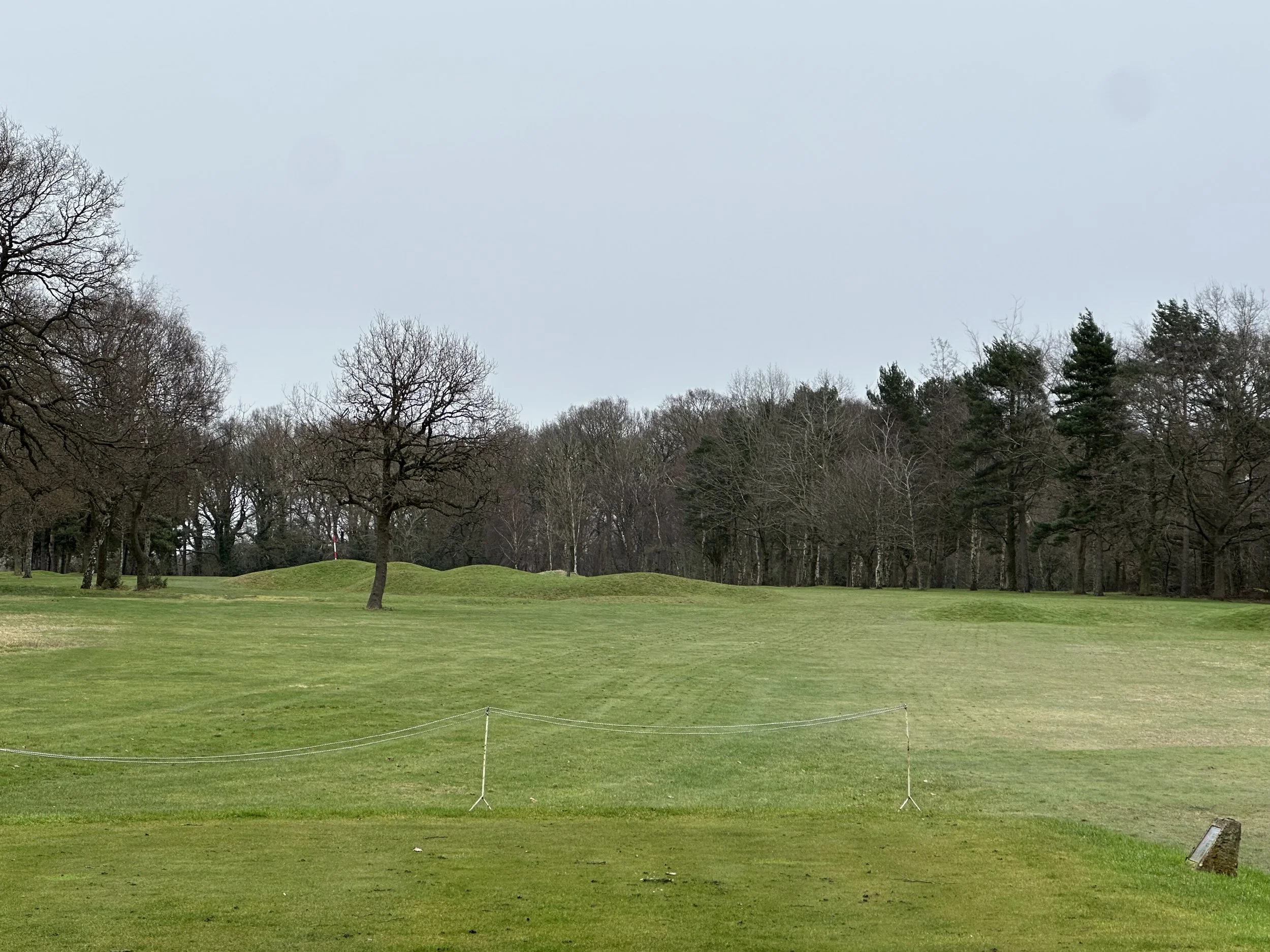
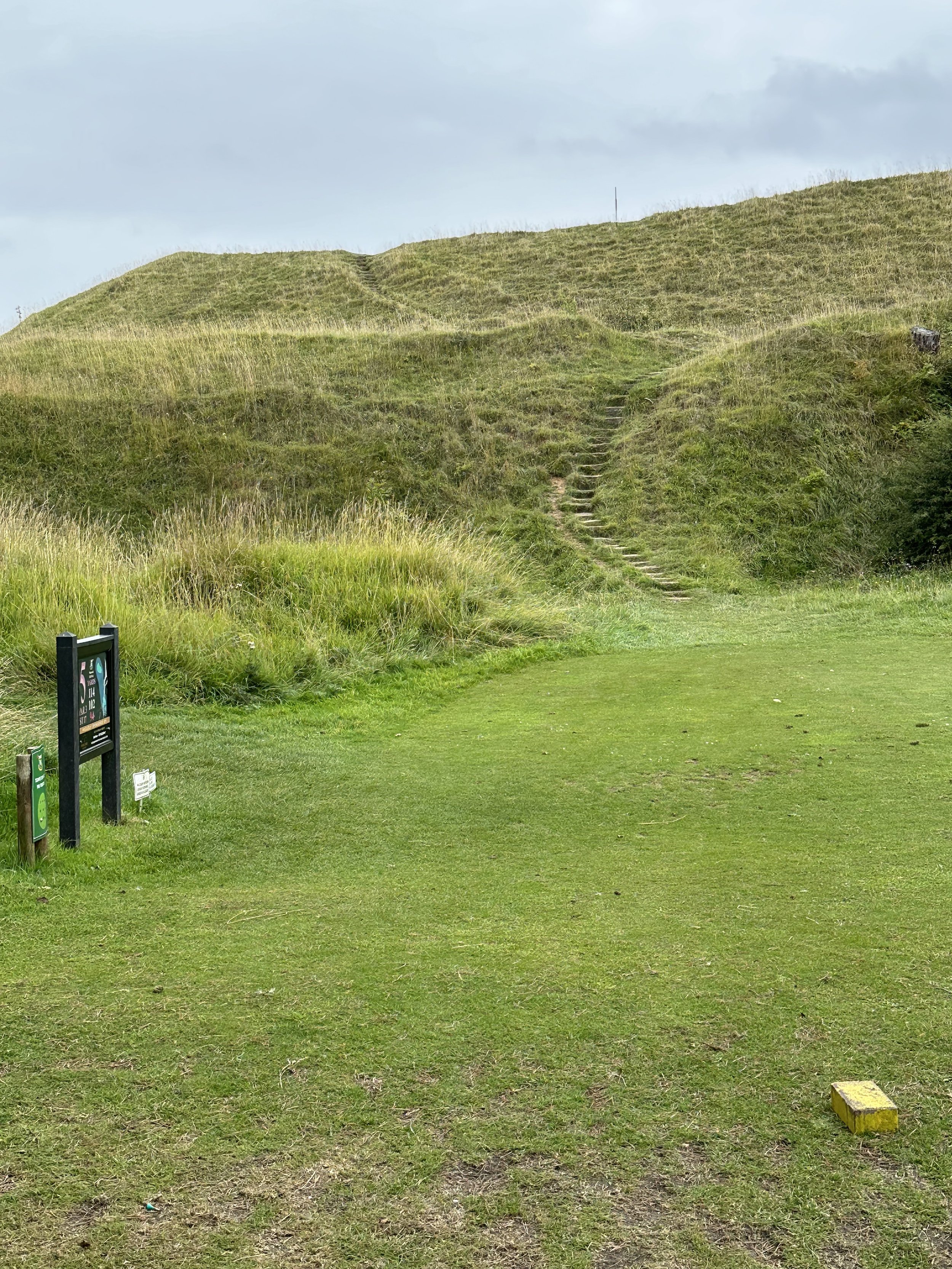
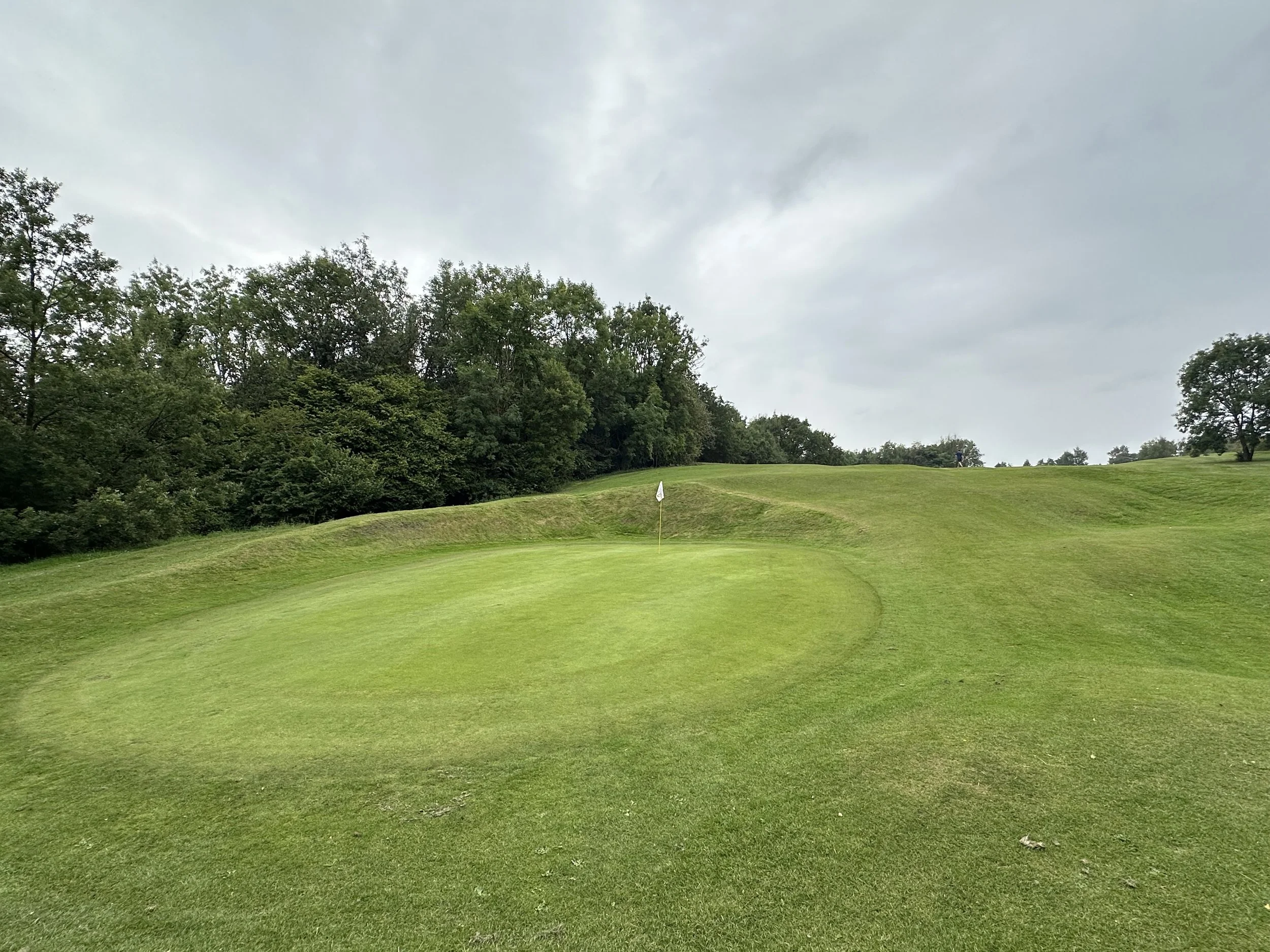
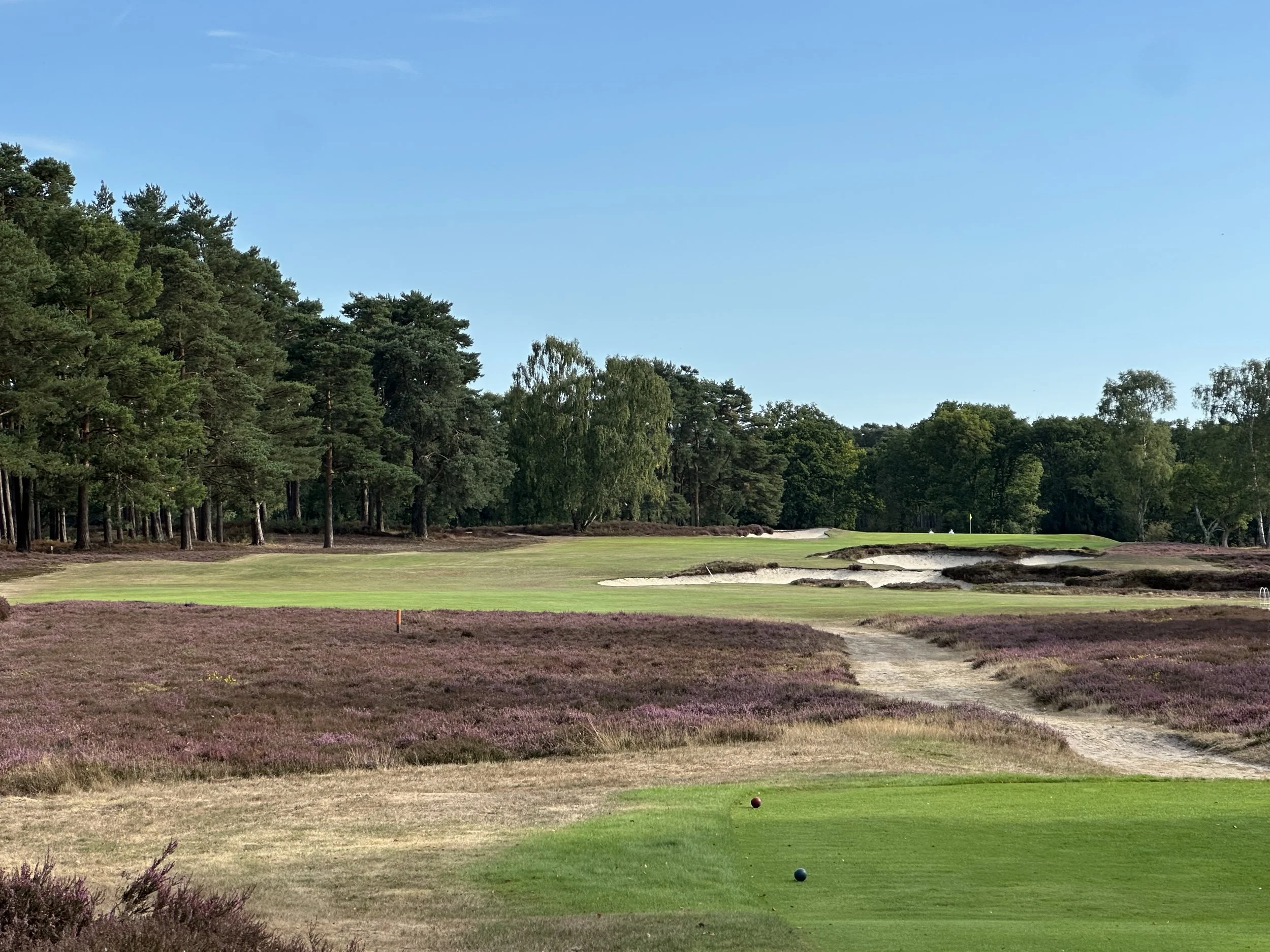
12. Kington [7] Kington, Herefordshire, England. C.K Hutchison. Given that the sheep in the car park were the only lifeforms keeping me company as I changed into my golf shoes on this warm Saturday evening, it was immediately obvious that this would be my kind of golf experience. This was duly confirmed as I stepped up onto the yellowed 1st tee and nearly slipped on my practice swing—the grass had lost all tensile traction after months of miniscule rain. It would hardly stop a ball, either, as I quickly found out, tossing one out casually on the 1st fairway to watch it bounce and roll, only to see it roll, and roll, and roll all the way down and across the adjacent 18th fairway and into the bracken. These were certain to be the fastest and firmest conditions I’d even encountered. Coming up to the green, I’d be even more impressed by the shapes that made it, all sorts of pointy mounds and grassless bunker shapes holding up the long narrow surface benched into the hillside. These sorts of shapes—none of them with actual sand—would impress throughout the round. Given the thinness of the turf and the help of the grazing sheep, ground shots could be played through these steep shapes with some success, and I could not help myself but constantly try to do so. I don’t think it’s exaggeration to say I hit over 300 golf shots during the round, often emptying my bag from the most fun spots and pitching 4 irons along the rumply, frictionless terrain. I’d say I’d about died and went to heaven, and given the incredible views in all directions from this hilltop perch, I don’t think I was all that far away.
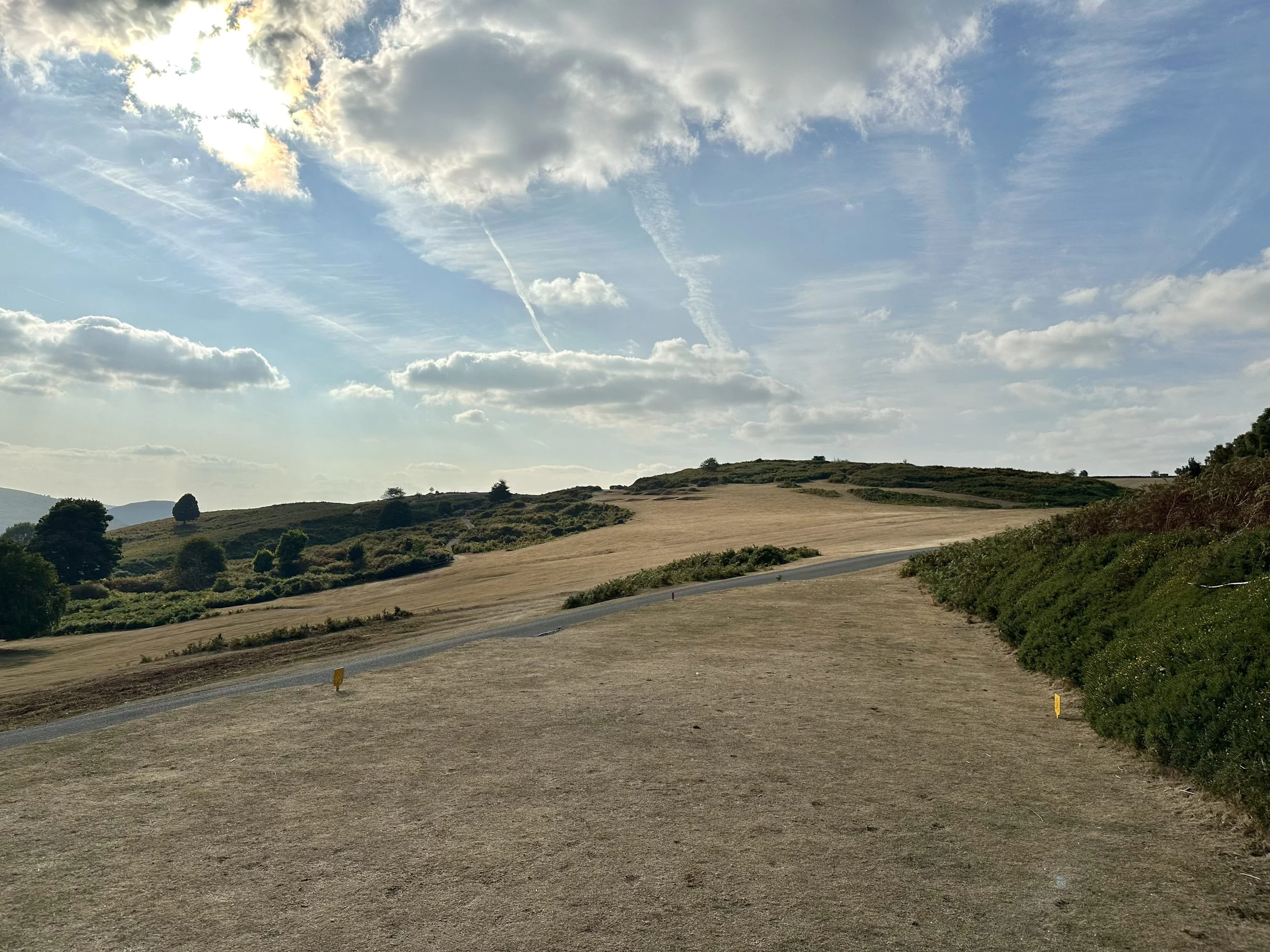
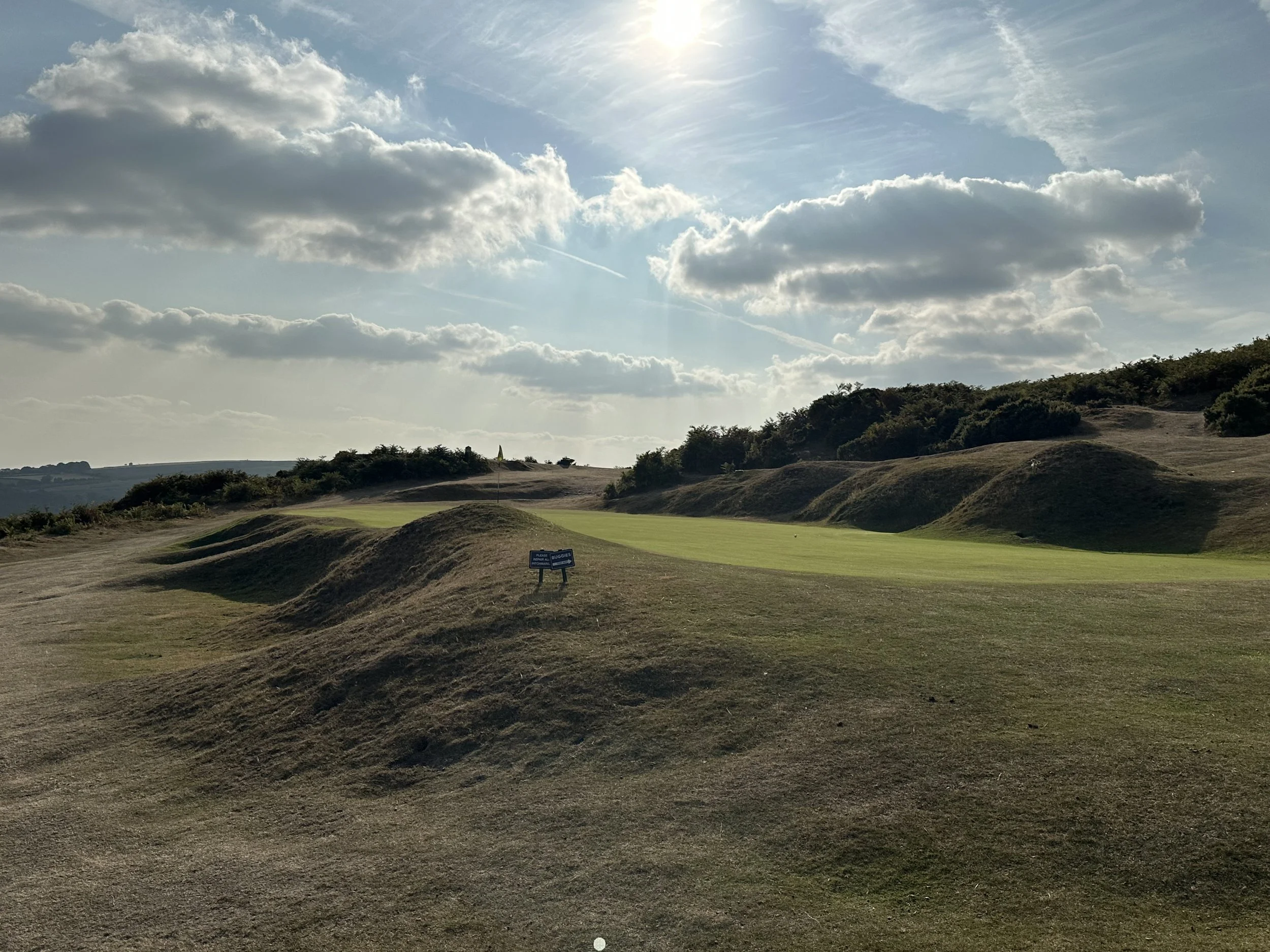
Above: a chronological tour of a heavenly round at Kington

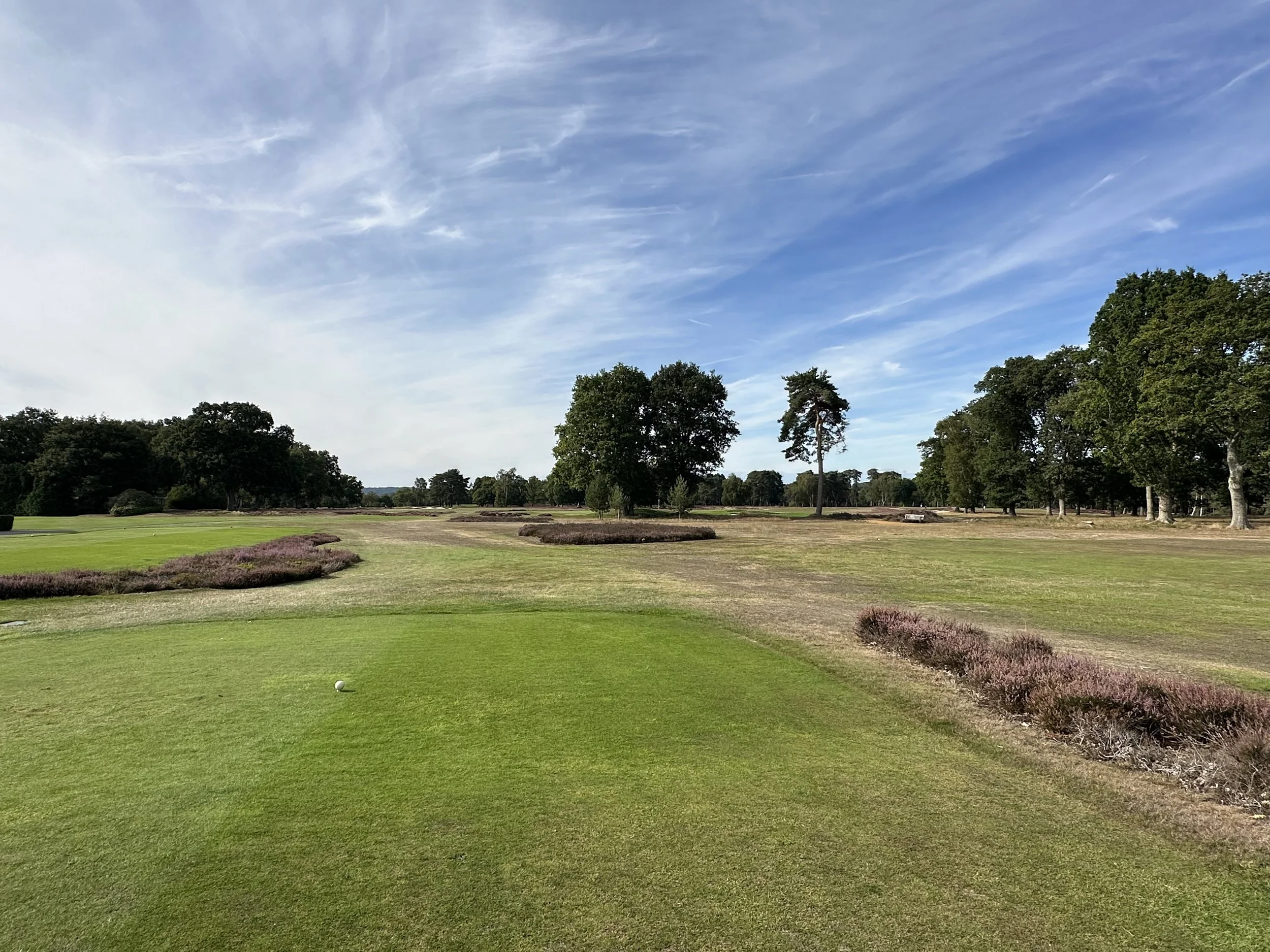
13. West Sussex [7] Pulborough, West Sussex, England. Sir Guy Campbell and C.K. Hutchison. West Sussex, or “Pulborough” as more commonly known, is definitely one of those “vibes” kind of places. It just feels right. I attribute this largely to its mix of landscapes, very good tree management that properly mixes views and spaces, and course that just really fits the land well and never feels crammed despite its par of 68. Speaking of, while playing it, you would absolutely never realize it was sub par 70. The holes have plenty of challenge and “teeth,” if you will, and you are too busy enjoying yourself anyway to notice. It’s yet another case of par being overrated and not actually noticeable to the playing experience. As the course was a relatively late Golden Age addition (1930), there is a lot less of the sharp funky sort of stuff you see around the rest of the region, offering a nice bit of variety in that way. Instead, bunkers and features are bigger, more deliberate, and a bit more polished. It almost feels like a 1920s vintage MacKenzie course in that way, and I think it’s what contributes to that feeling of fitting the land as mentioned above. It’s a really well designed, beautiful, pleasant play to play golf.
14. Alwoodley [7] Leeds, England. Alister MacKenzie and Harry Colt. I expected to see some cool early MacKenzie features at Alwoodley and soundly designed holes, but I did not expect to see as big and open a heathland landscape as it has. It was a bit disappointing to learn right away that the greens had been rebuilt to USGA specs many years ago (before scanning technology), probably leading to the loss of some fine details, but the overall ideas—big tilts that tilt harder at certain corners and open, flowing approaches—were still present and impressive. Despite a poor weather day that led us (myself with members and committee men Jonathan Taylor, Eugene Reddington, and Neil Stoddard) to walk sans clubs, it was obvious that the place has that same sort of charm and feel like West Sussex does in the previous entry, starting with the out-and-back routing anchored at the end to its castle-like clubhouse. Early-period MacKenzie—to be discussed more below—is exceptionally fascinating to see and study while also being underrated, Alwoodley being the all-around posterchild for such.

15. Royal Ashdown Forest (Old) [7] Forest Row, East Sussex, England. A.T. Scott. Clyde Johnson was rather envious I’d be heading down to RAF on a warm sunny Friday evening that he (accurately) projected would see the course mostly to myself. It didn’t take long to see why with a number of charming holes to start, but it was cast in stone by the time I reached the spectacular far end of the property, crescendo-ing with the 249 yard par 3 11th and its commanding views out over the Royal Ashdown Forest and well beyond. And, what a thrill to find the green with a bunt 3 wood, the ball landing some 60 yards short and chasing onto the putting surface that feels like it hangs over the edge of the earth. On top of the serenity and thrilling golf shots, the feature construction at RAF contained elements of what I saw on other area courses like Walton Heath or Swinley Forest, but it tended to have its own flair, particularly long berms or green embankments with ruffled top lines, a charming early attempt at a naturalistic look. Famously, none of these features have sand in them, leading many to call it the world’s greatest bunkerless course. I honestly didn’t think about that at all while playing; seems I didn’t really miss the sand.
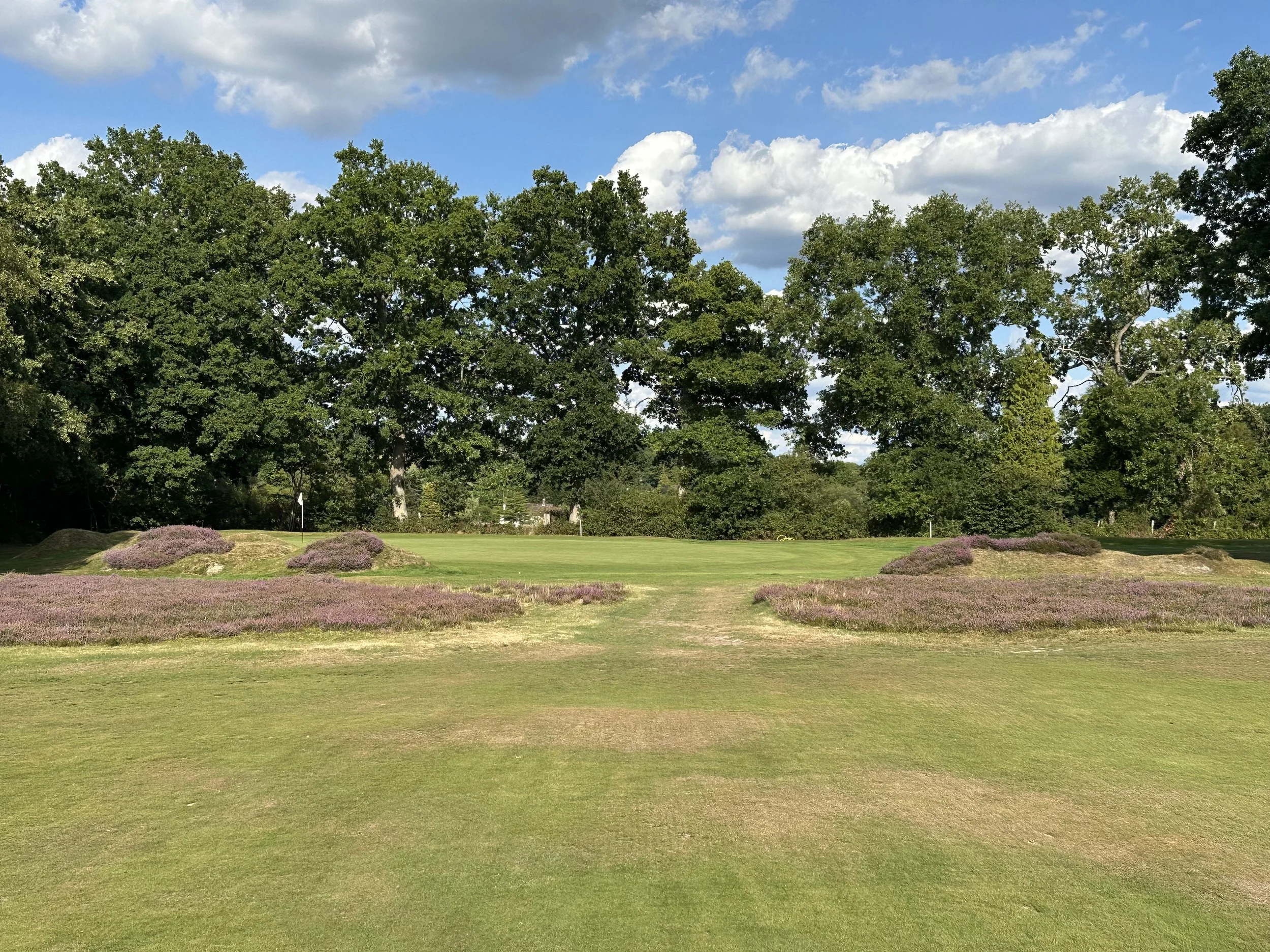
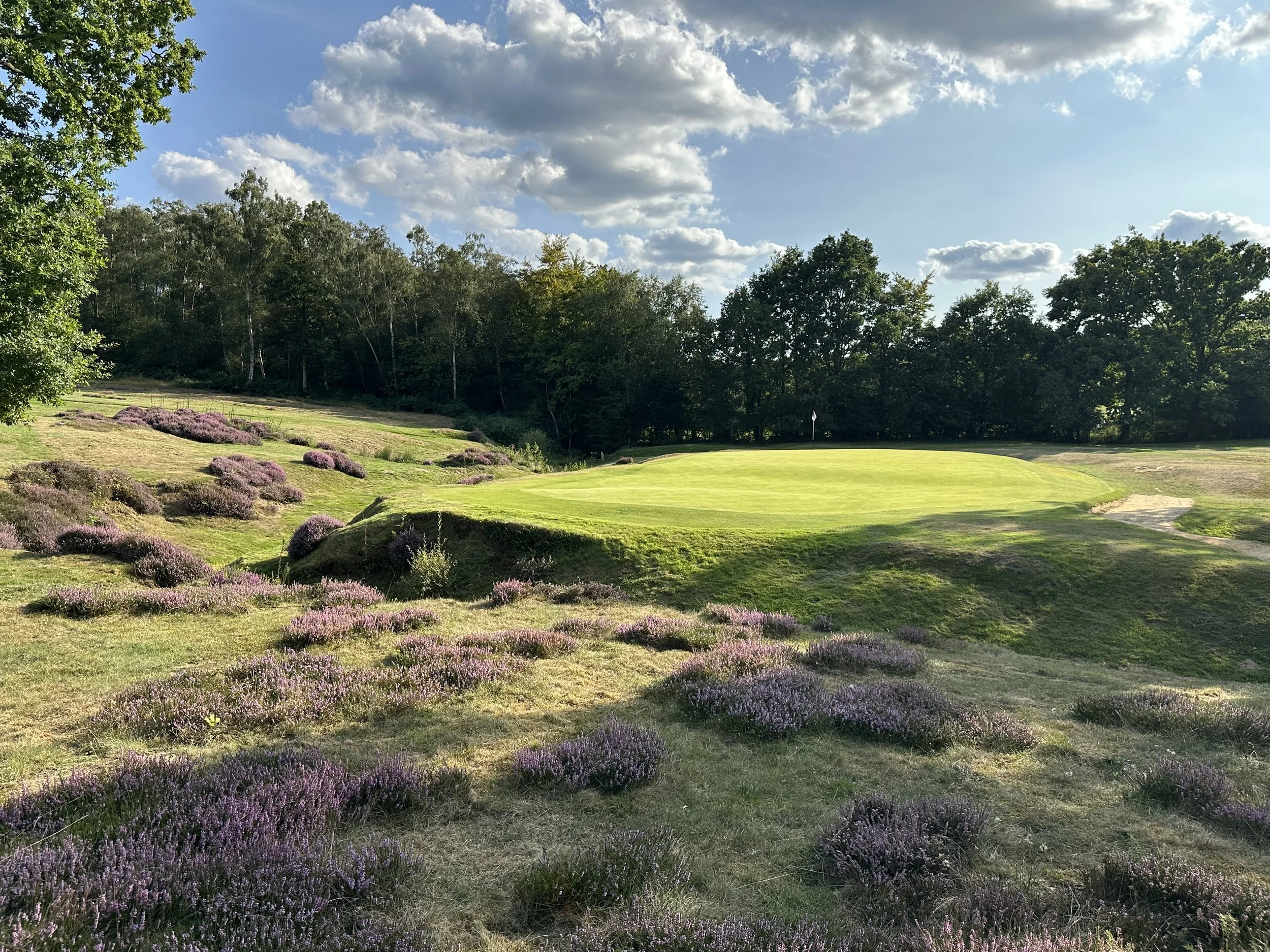
16. St. George’s [7] East Setauket, NY. Devereux Emmet. The land is dramatic at St. George’s, as are some of the design moves by Emmet, who made this his home and masterpiece to tinker with, a la Ross and Pinehurst. Where the land was less dramatic, particularly on the plateau of the front nine across the street, Emmet created some fascinating and original greens complexes, particularly the 4th, which has a blind trench bunker between two faux dunes waiting to snag a ground approach. I only got to tour around here quickly on a cart with the emminently kind and enjoyable historian John Ammerman, and that has got me eagerly wanting to get back and tee it up.
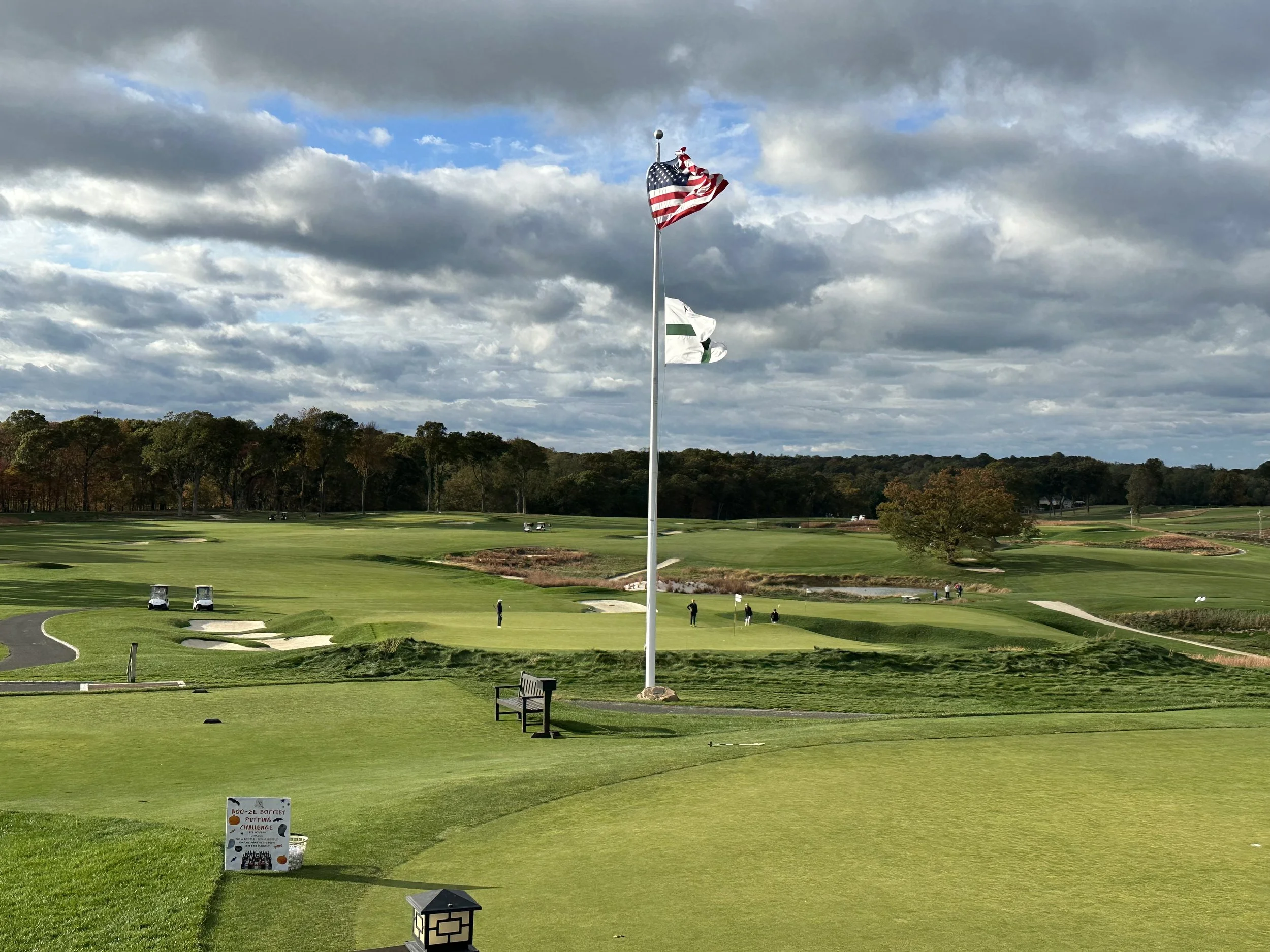
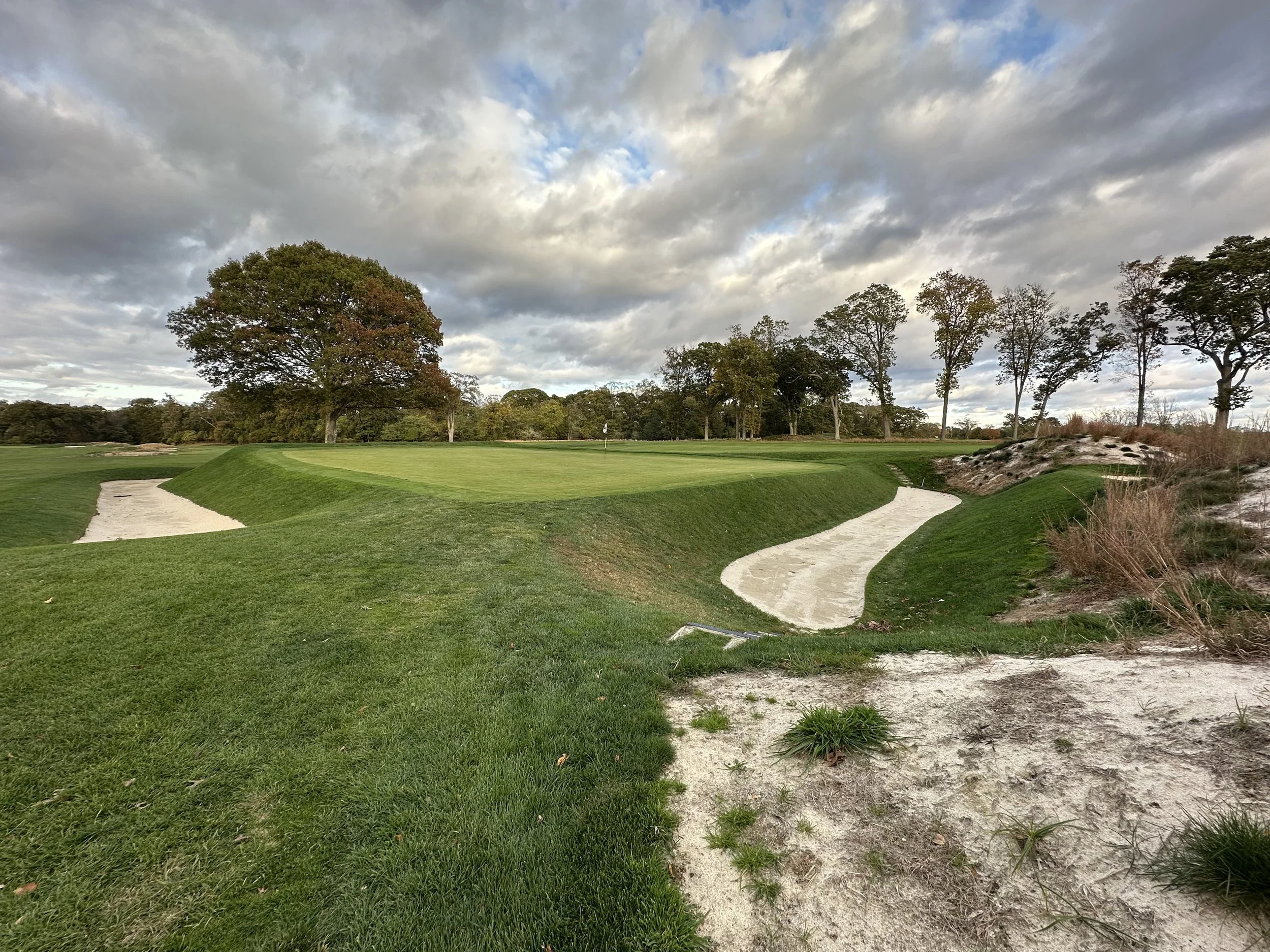
Above: cool Emmet features and dramatic land at St. George’s

17. Silver Spring [7] Ridgefield, CT. Brian Schneider redesign from Robert White original. I’m typically a big fan of Brian’s work, and Silver Spring is no exception. Walking the site with Brian, his crew members Gray Carlton and Andrej Buchko, and friend and writer Tom Dunne, I observed what appeared to be a fascinating and very well-executed transformation of this tranquil Connecticut property. Flat fallaway greens mix with others that are heavily and sharply contoured on the interior. Victorian Era cops break up the broad parts of the landscape, but do so in strategic and organically composed ways. Walls angle to guard greens and reinforce tee-shot strategy. Bunkers sometimes sit blindly into the ground. It’s an eclectic mix of old-style design elements but done so in strategic and well-balanced ways. I’ll be interested to see how the work is received, but I personally think it’s elevated to the point where it can be talked about as among Connecticut’s best.
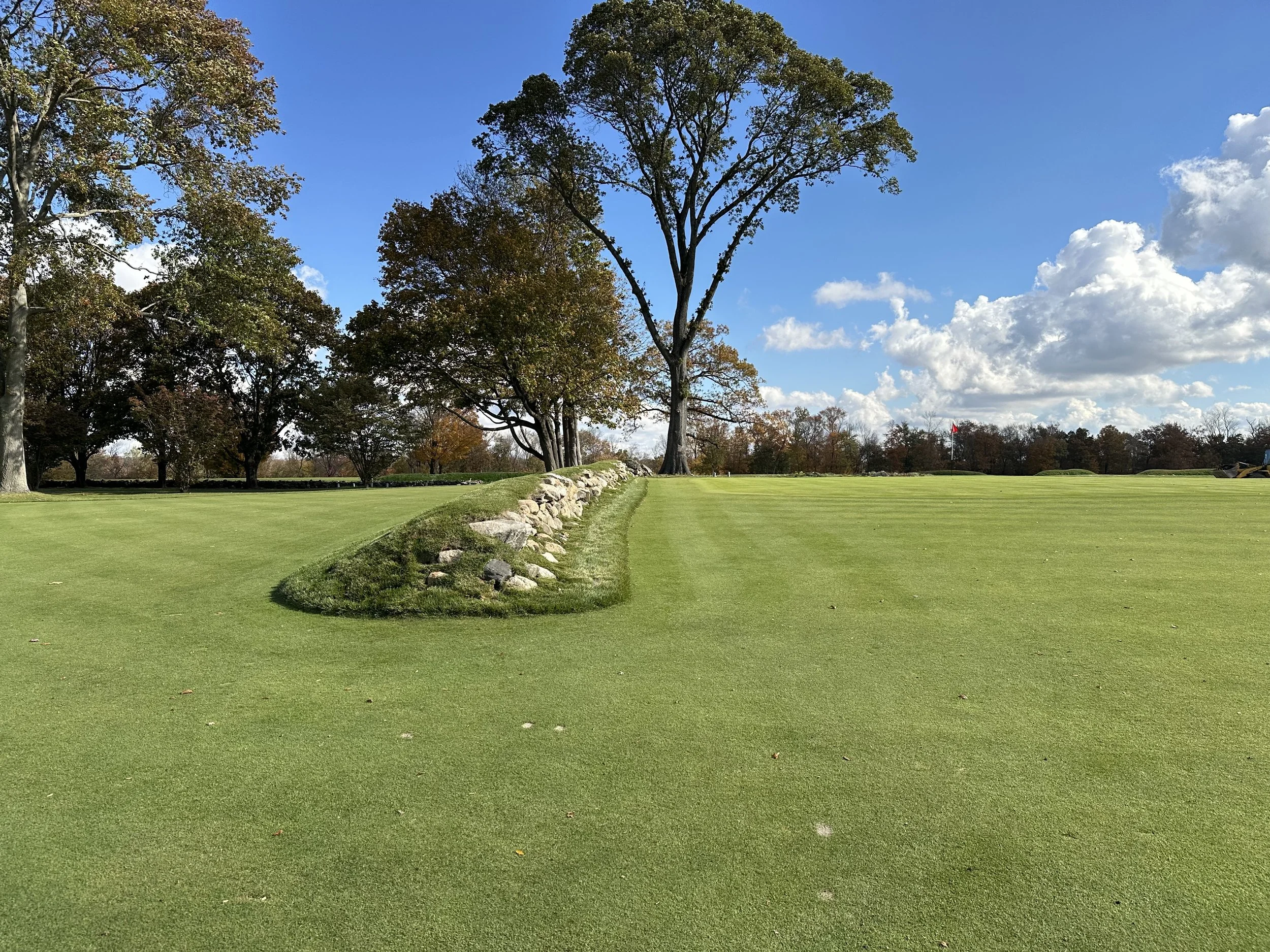
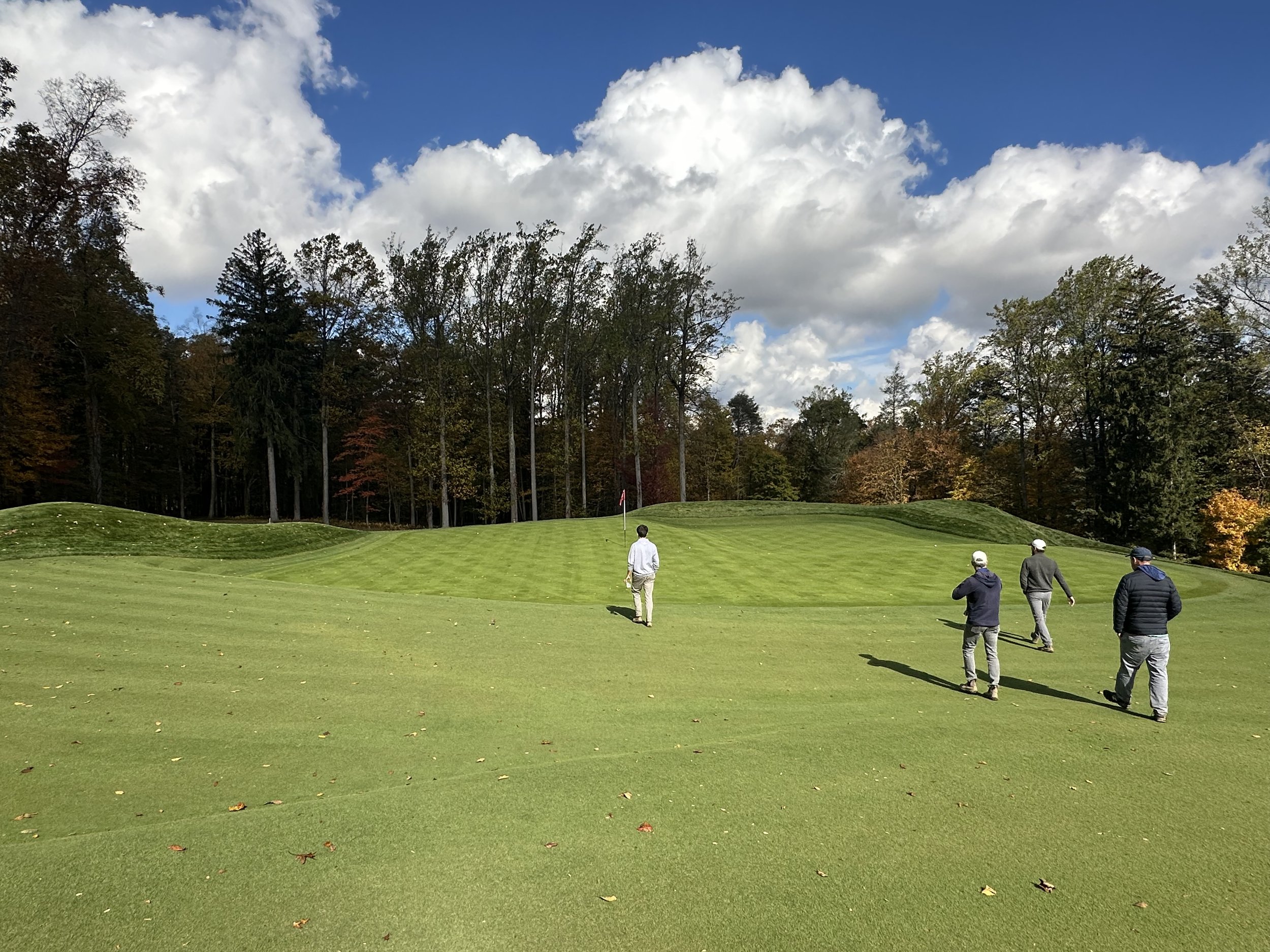
18. Poppy Ridge [7] Livermore, CA. Jay Blasi complete redesign of Rees Jones original. After walking this course with Jay Blasi during grow-in, I signed back up for the NCGA to get the discounted member rates to play here. With fast-playing bermuda turf, a bucolic CA wine country setting, and fun strategic mix of golf holes, I do not regret my decision.

19. North Jersey [7] Wayne, NJ. Walter Travis. I’ve followed Brian Schneider’s restoration work closely over the years at this cool Travis course, and I’ve been keen on getting there to see it the whole time, especially envisioning elements of the greens for Land Park in Sacramento. I’m sort of glad it took me a couple years longer to get up there, as the work is now almost complete. About half the greens are original and the other half Schneider re-interpretations, and I honestly would struggle to tell which ones are which. Truly amazing, especially if you understand the complexities of Travis shaping, both bold and subtle.
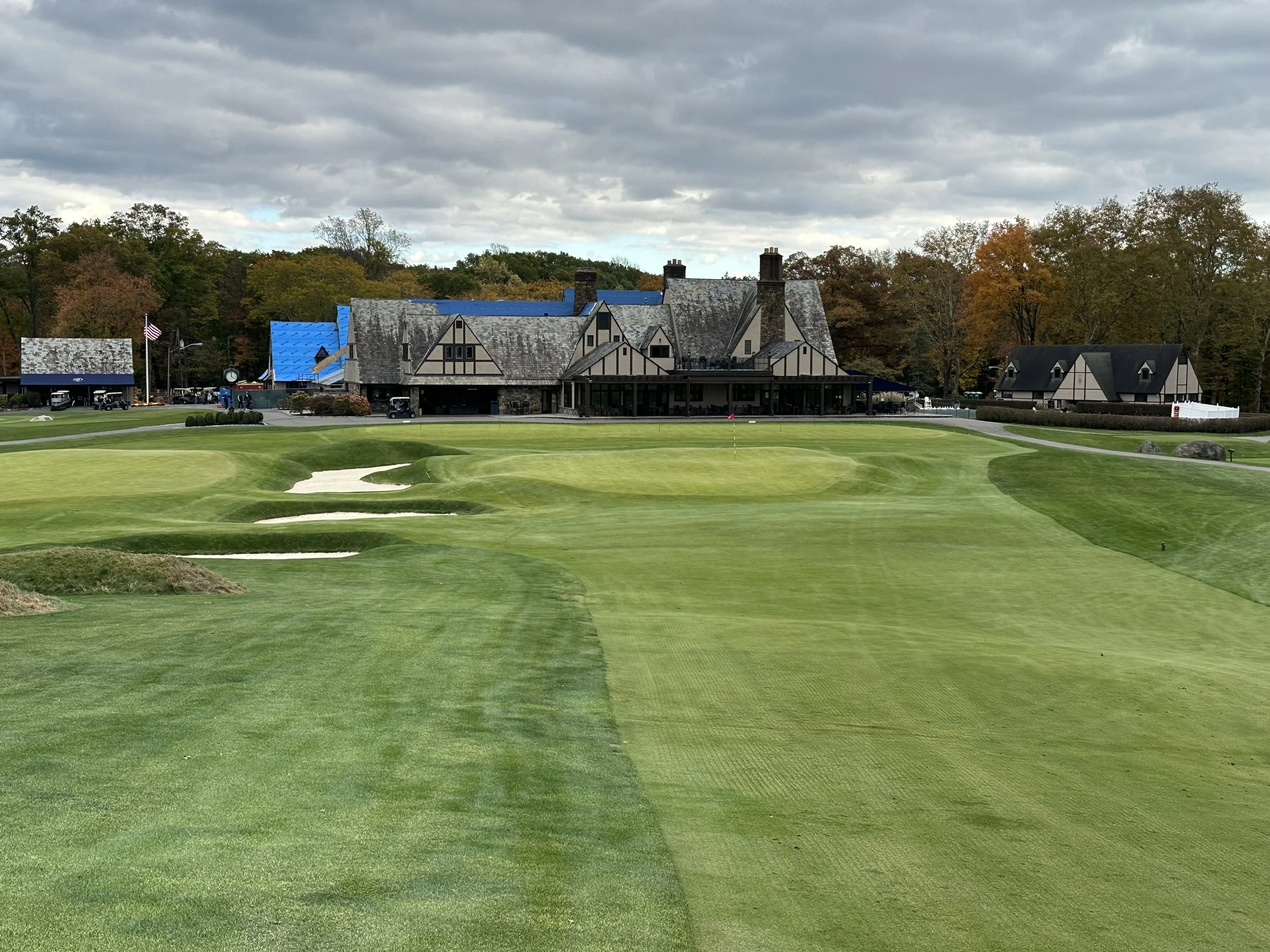
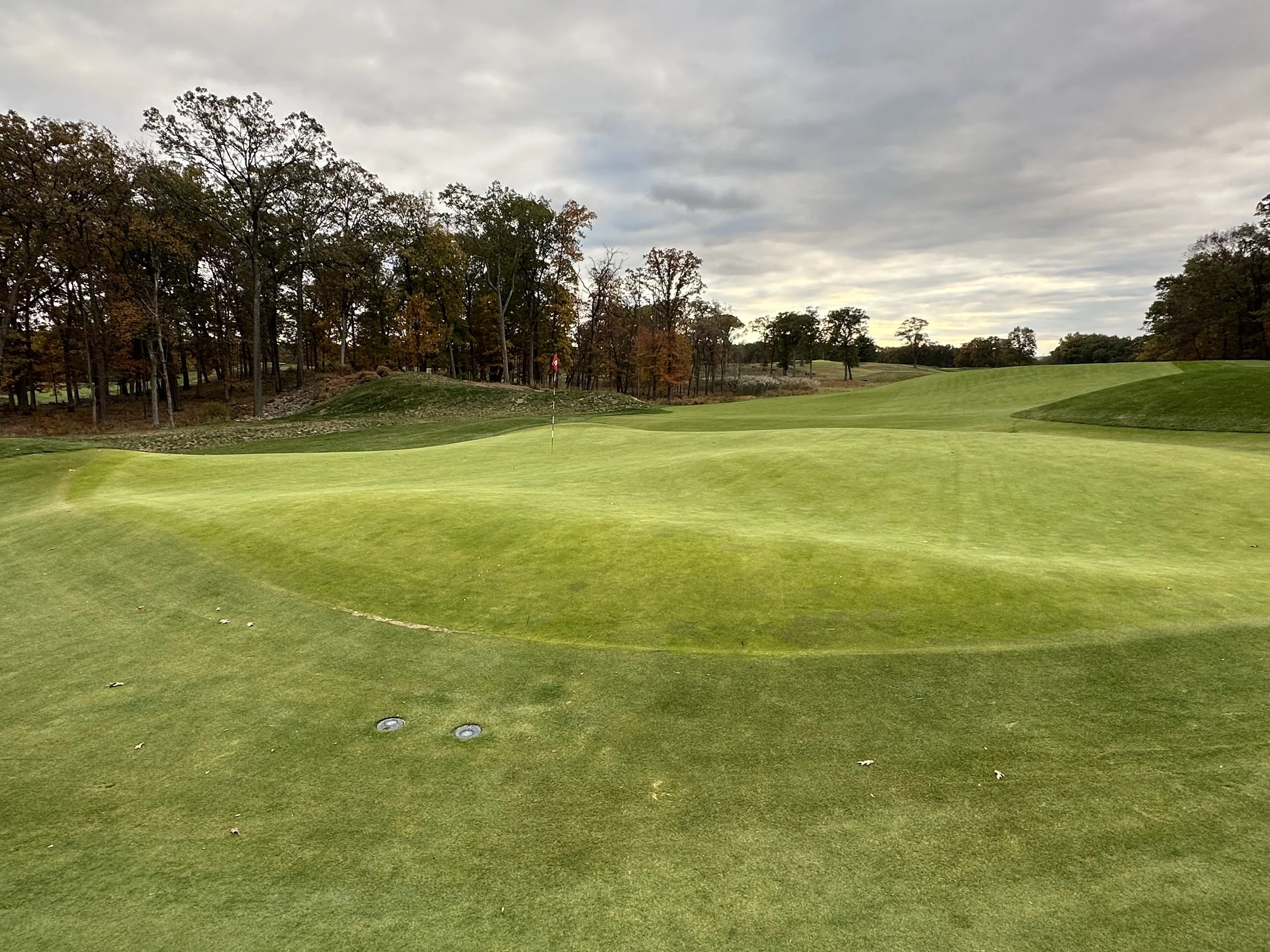
Above: it’s all about the greens at Walter Travis’s North Jersey, but a dramatic and secluded landscape is a nice add-on to the experience.

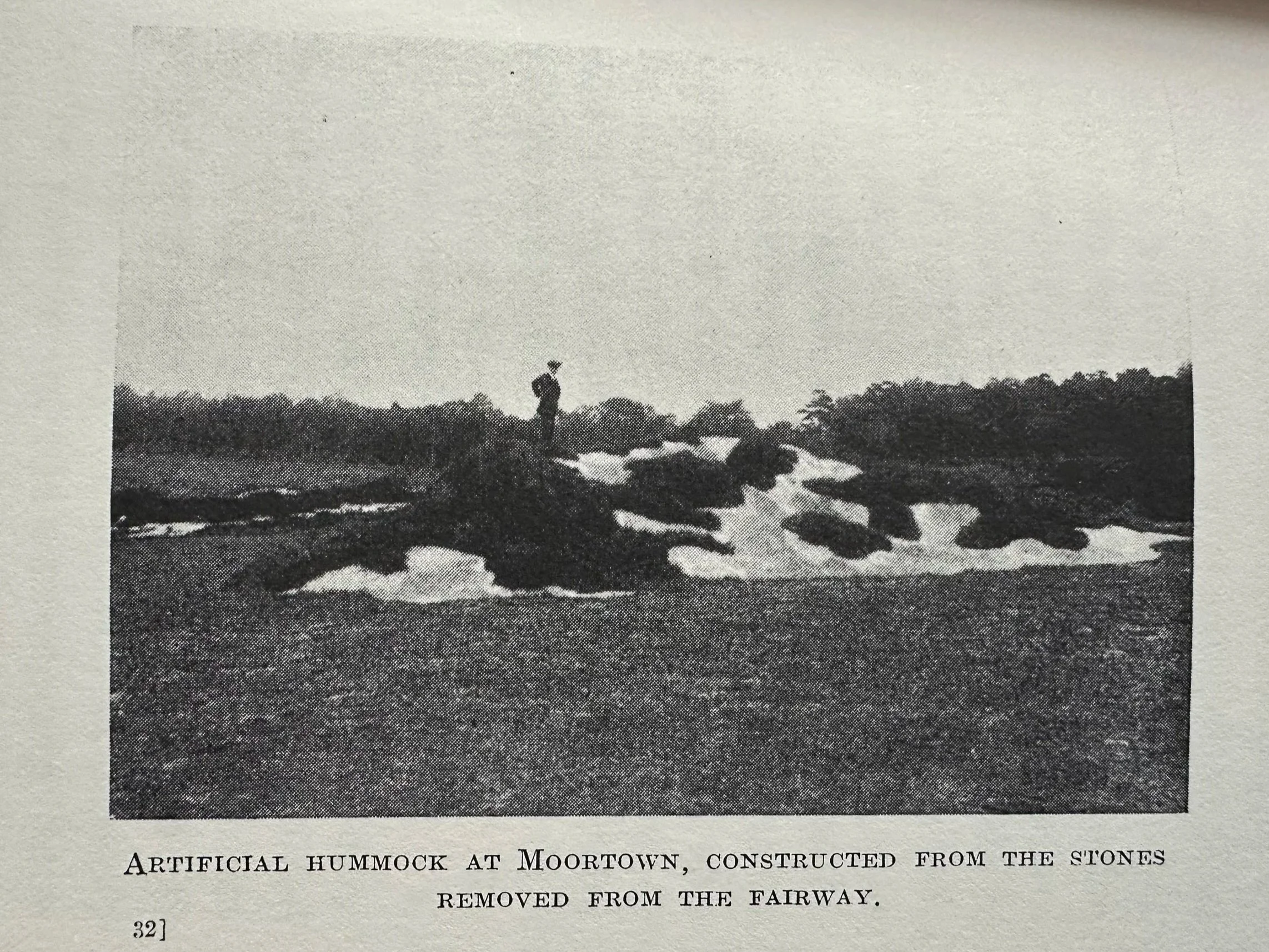
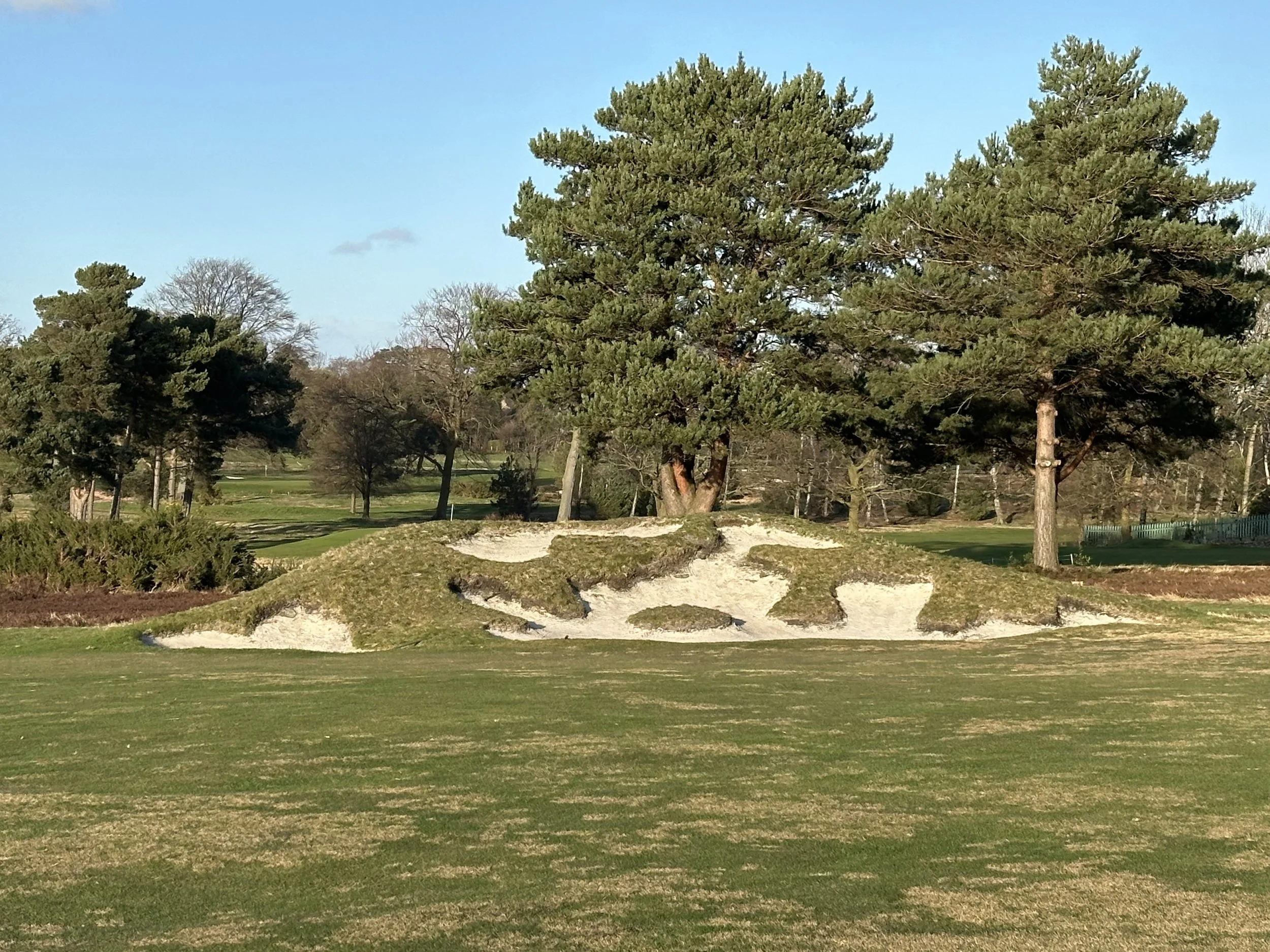
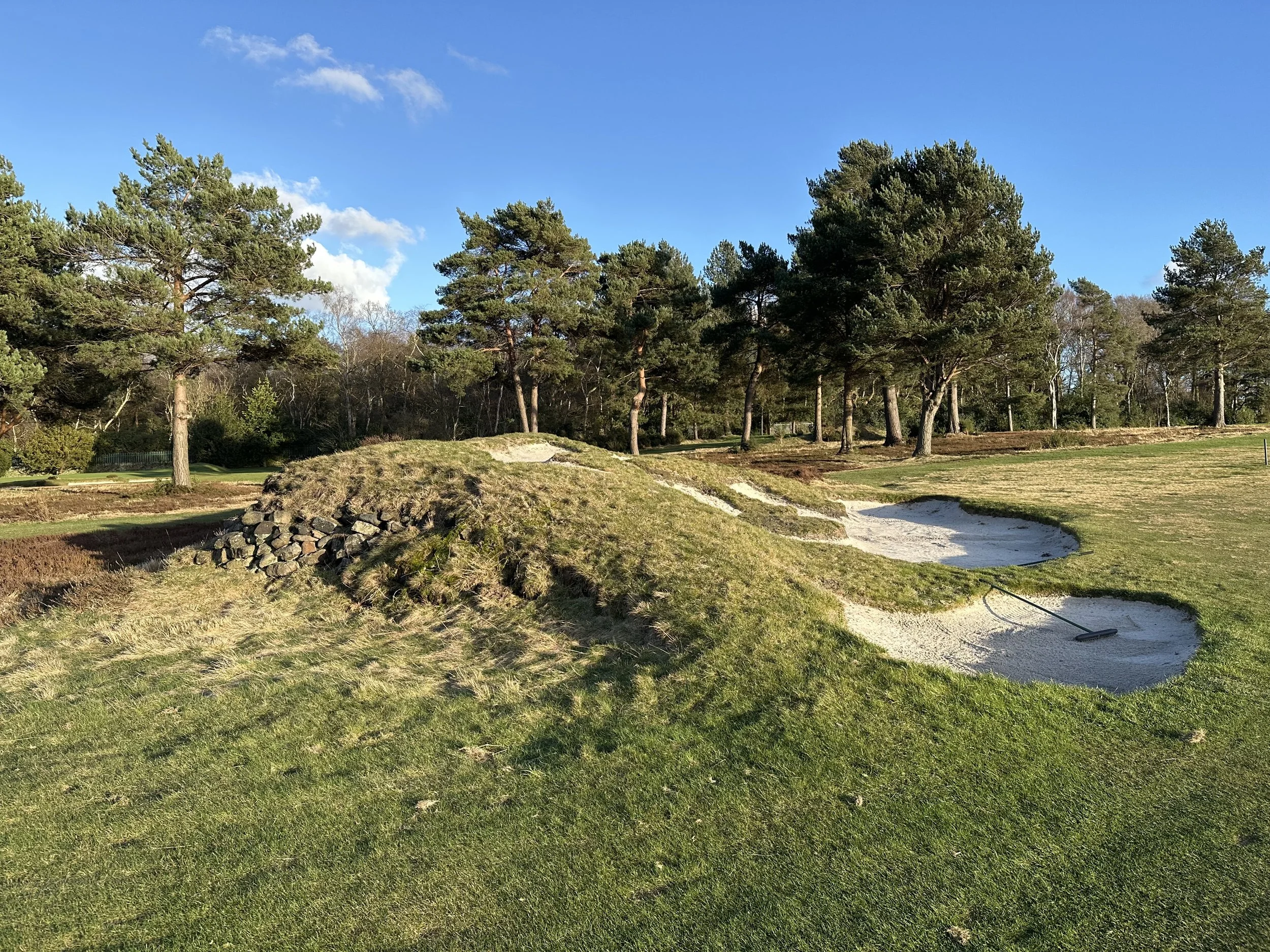
20. Moortown [6] Alwoodley, Leeds, England. Alister MacKenzie. Getting to see MacKenzie’s first true solo work was really something, not just for tying together the history I’ve studied so closely in recent years between Haggin Oaks, Pasatiempo, and Hadley Wood but also just by how cool the features are out there that remain from his time. What is really neat is that they are still very much of that time period—sharp, funky, somewhat geometric—but also distinctly MacKenzie in character—flashy, flowing, artistic, and attempting “natural.” The ‘Gibraltar’ is a true standout hole, as are the propped up bunkers and hummocks scattered throughout the course, nothing moreso than the pile of rocky rubble that he carved an intricate, finger-y bunker into and thought enough of to include a picture in his first book, Golf Architecture.
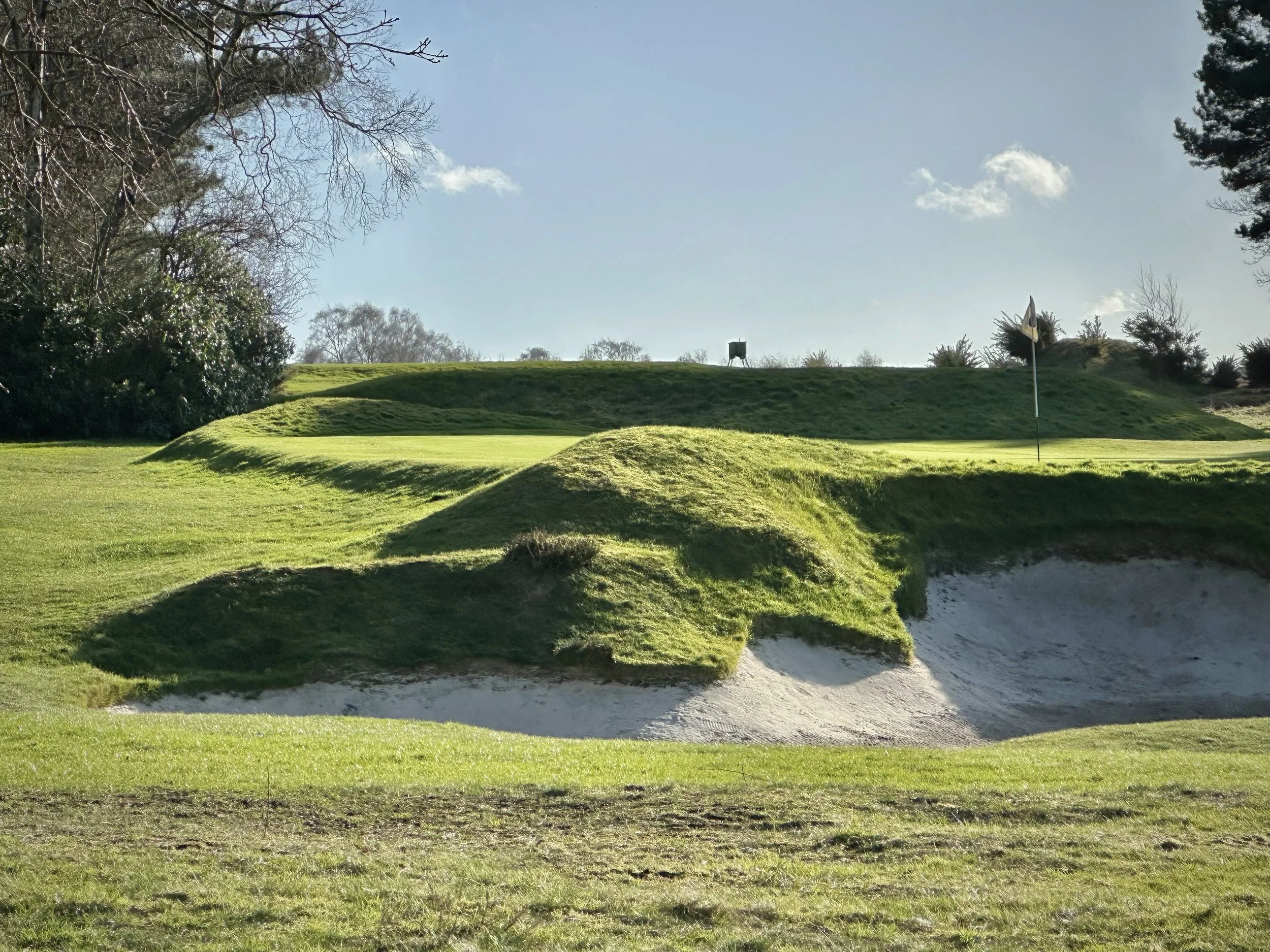
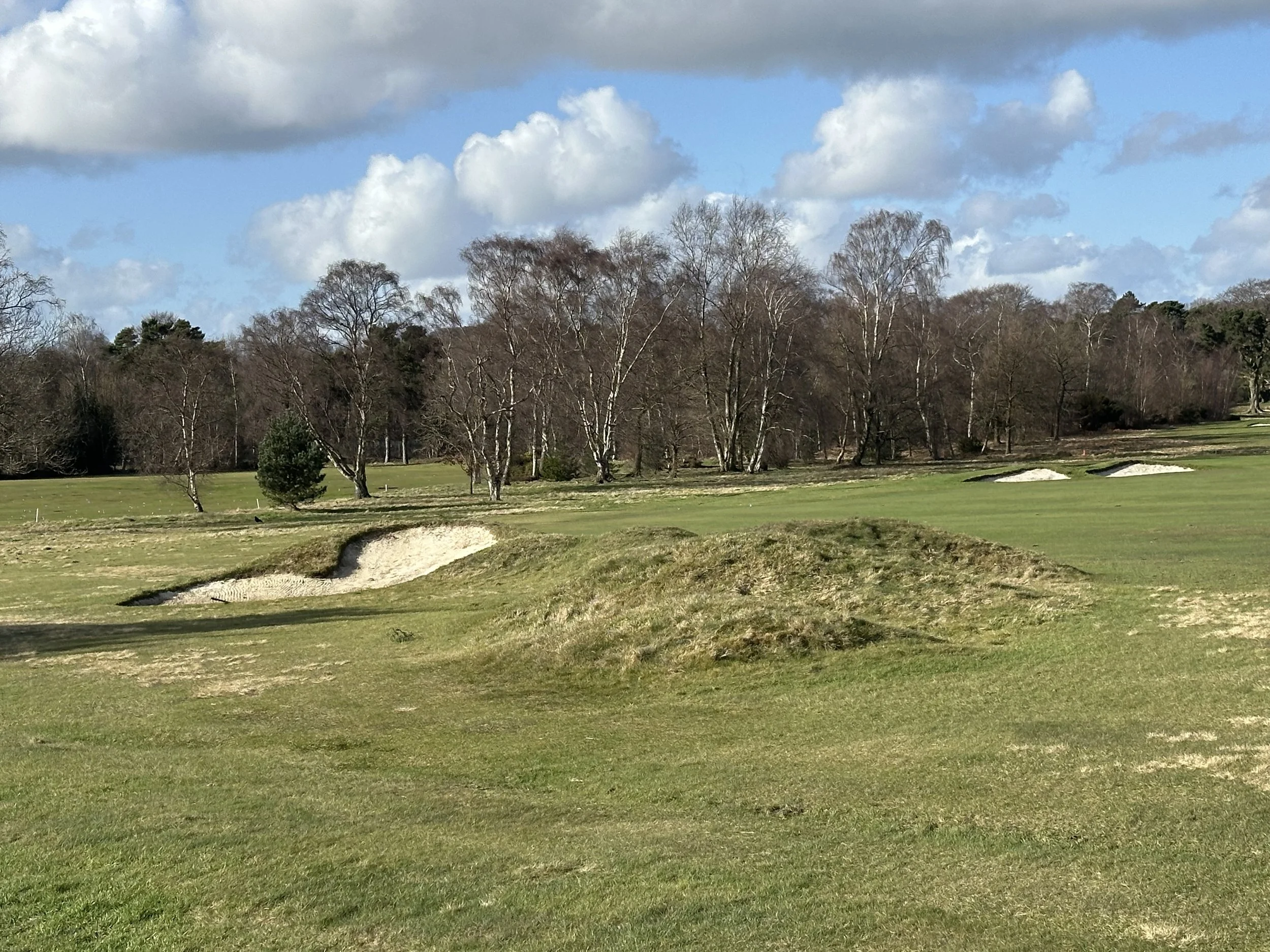
Above: the charmingly archaic early-MacKenzie features of Moortown

21. Walton Heath (New) [6] Tadworth, Surrey, England. Herbert Fowler. This is definitely one that feels like it should be higher, as I really loved the New. It has the same types of fascinating features as the Old, traverses some of the same land, and has some very captivating approach shots, such as the 3rd, which needs to hug a high left coffin bunker to hold the hard-tilting left to right green.

22. Hayling [6] Havant, Hampshire, England. Unknown, with later revisions by J.H. Taylor and Tom Simpson. I found this links to be underrated from what I’d heard about it. Lots of solid holes with a few really neat ones mixed in, such as the 12th, which plays up to a plateau fairway with water views both directions and down to a blind green at the base of a big slope. I recommend playing the ground shot and running up after it to watch. The course played the best of everything I saw this summer, its greens the only ones that could match up well in firmness with the rock hard approaches (most everywhere else had been more irrigated at the greens, lending to some softness on the actual surfaces). Greenkeeper Graeme Roberts is responsible for those excellent conditions as well as a lot of the distinct hybrid bunker look that mixes natural textured edges with varied-height revetting.

23. Southerndown [6] Bridgend, Ewenny, Wales. Willie Fernie, with revisions by Herbert Fowler, Willie Park, and Harry Colt. This downland course feels more linkslike, albeit up in the sky with views over the River Ogmore and out to the Bristol Channel. Pretty stunning. Its tilted greens and relic remnants of shaping at the edges reminiscent of those great architects listed above are notable as well. However, those greens would also be great candidates for careful scraping away at the sand buildup on their interiors, as they have clearly elevated over those outer shapes, with contours very likely to have smoothed out over time. It would be really cool and really fun to discover what lies beneath.

24. Denham [6] Denham, Uxbridge, England. Harry Colt. SURPRISE OF THE YEAR! I had thought everyone was telling me to go see this place because Clyde had done a bunch of work there. There may have been some of that, but I actually think it is more that it has a very good and underrated Harry Colt course, replete with a good set of greens, multiple holes playing across old quarries, great (and varied) one-shotters, and a journey across multiple types of landscapes. The clubhouse and adjacnet landscaping also make for an enchanting sort of setting, one I’ve found myself thinking about way more than I ever expected before visiting.
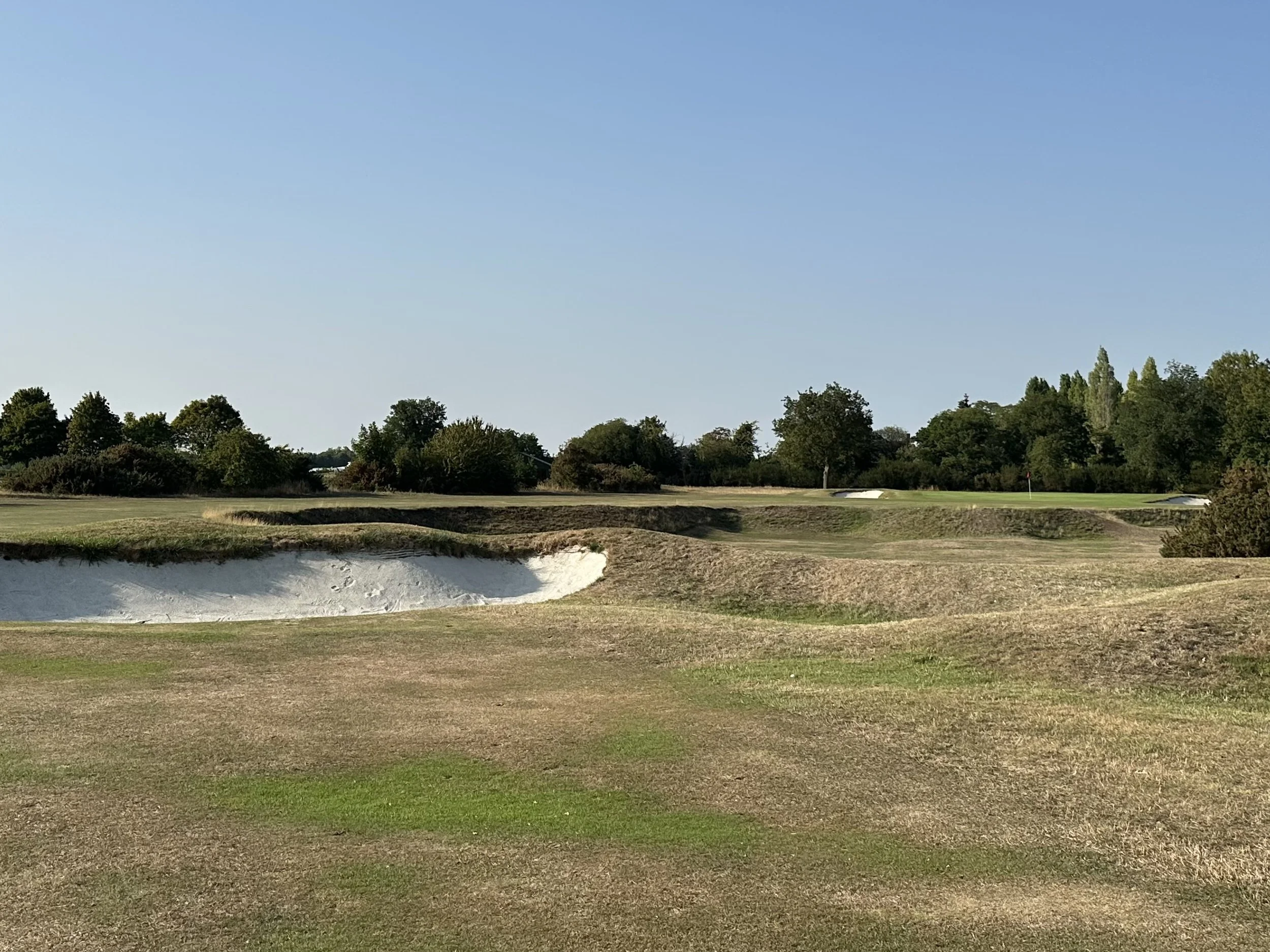
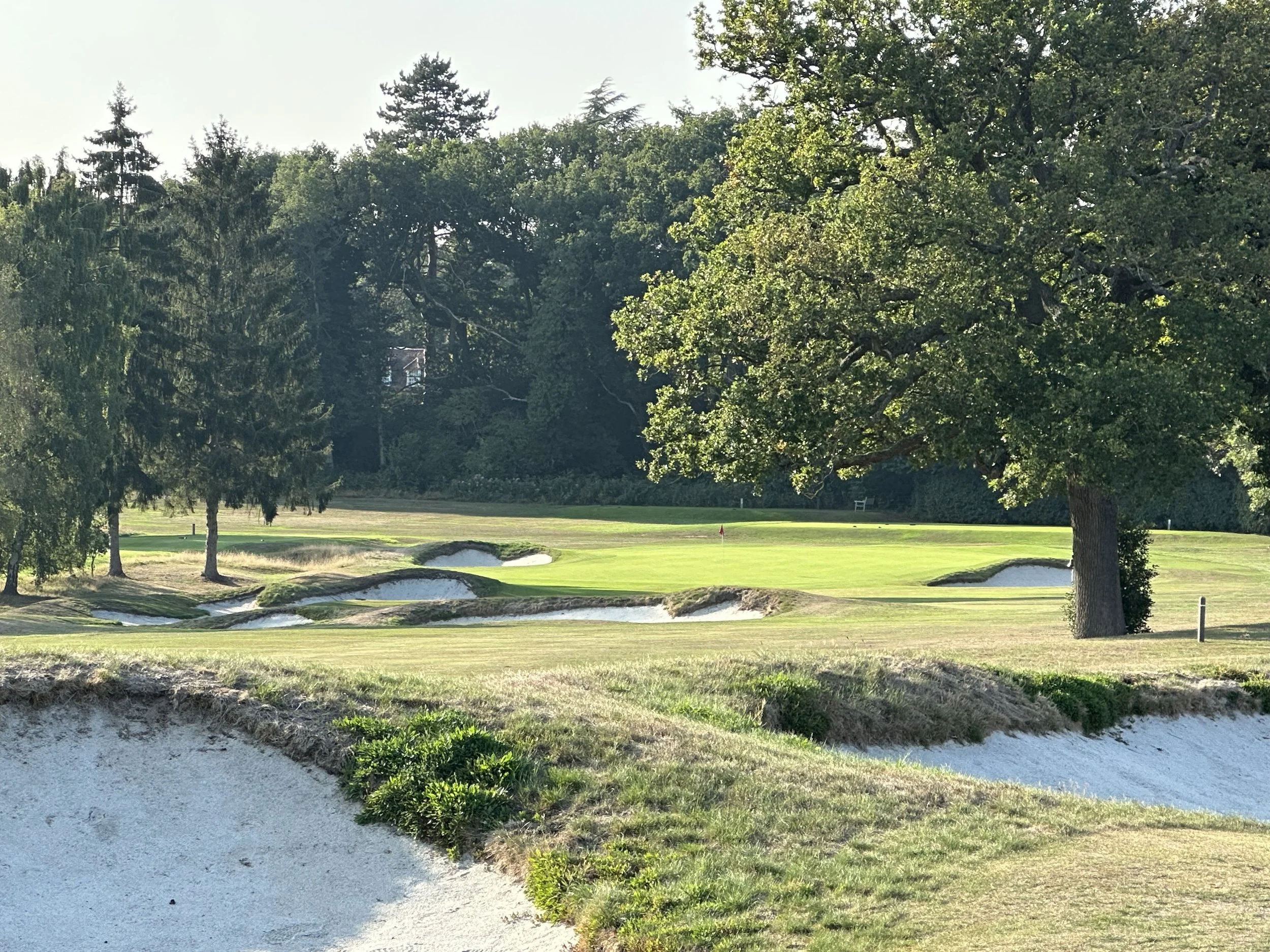
25. Berkhamsted [6] The Common, Berkhamsted, England. Original 9 by Willie Park expanded to 18 by Harry Colt, later revised by James Braid. If interested in early Golden Age shaping, this place should be near the top of your list to see. It is amazing, and it is almost nonstop throughout the round.
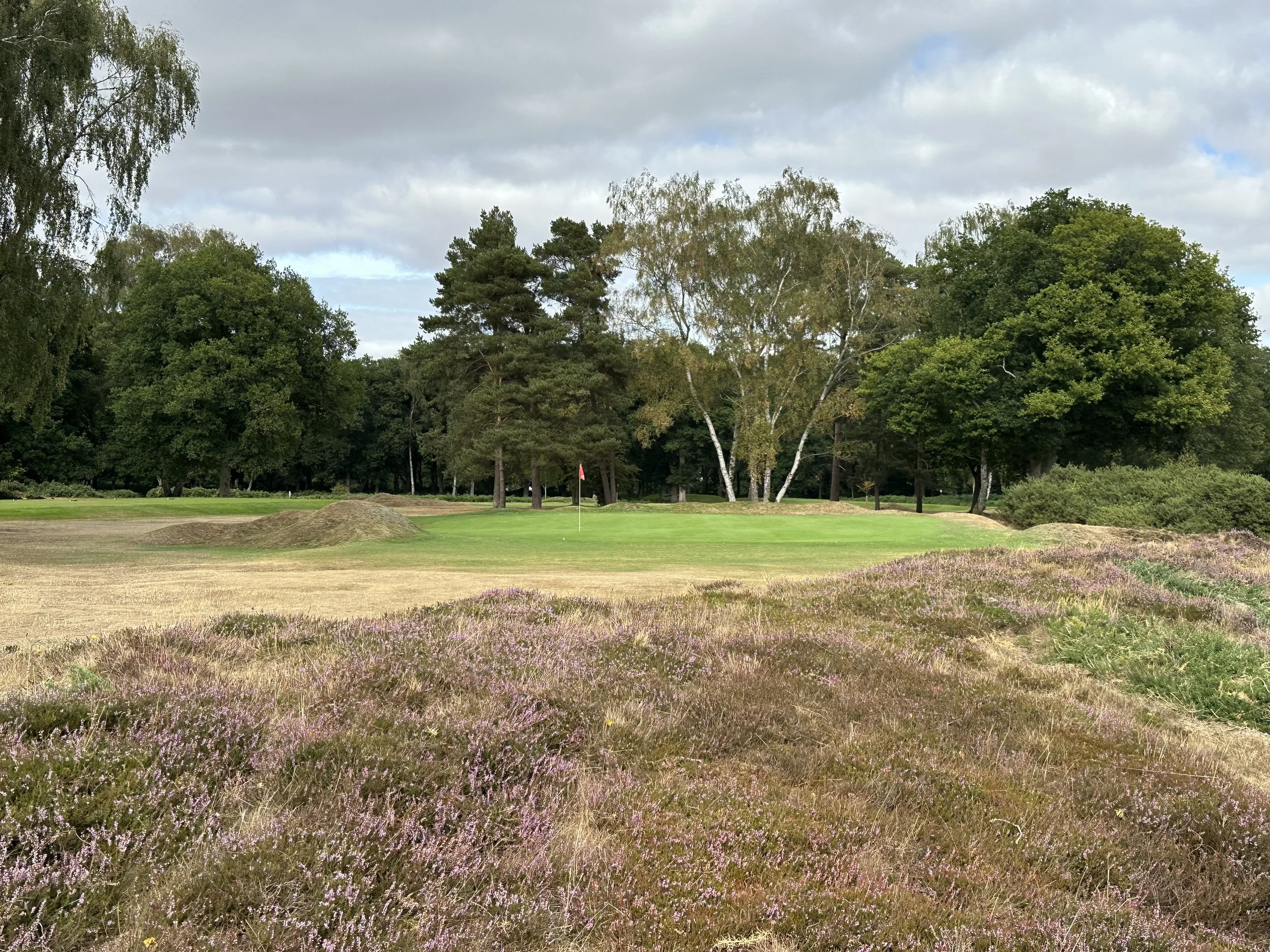
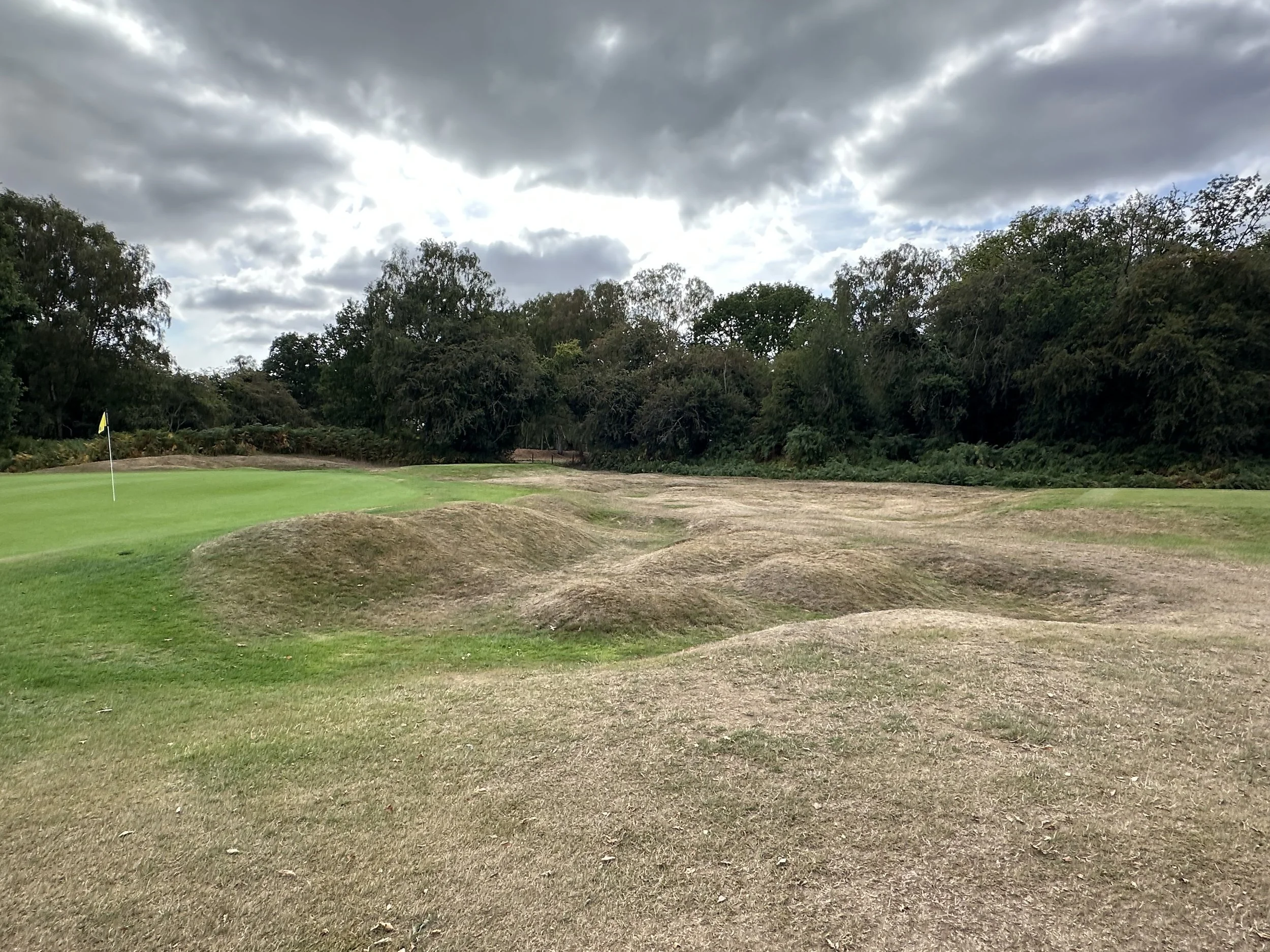
26. Hankley Common [6] Frensham, Surrey, England. James Braid. The wrap on Hankley is pretty accurate—a solid (if less interesting than its counterparts) course in a truly stunning setting. I feel it’s certainly gotten better in recent years though, thanks to work by Mackenzie & Ebert led by the talented shaping of Quinn Thompson and excellent hands-on efforts of greenkeeper Jonathan White, one of my favorite people to talk shop with in all the game. I was lucky to walk the first group of holes with Jon and talk over the work of the master plan, which is now nearly complete.
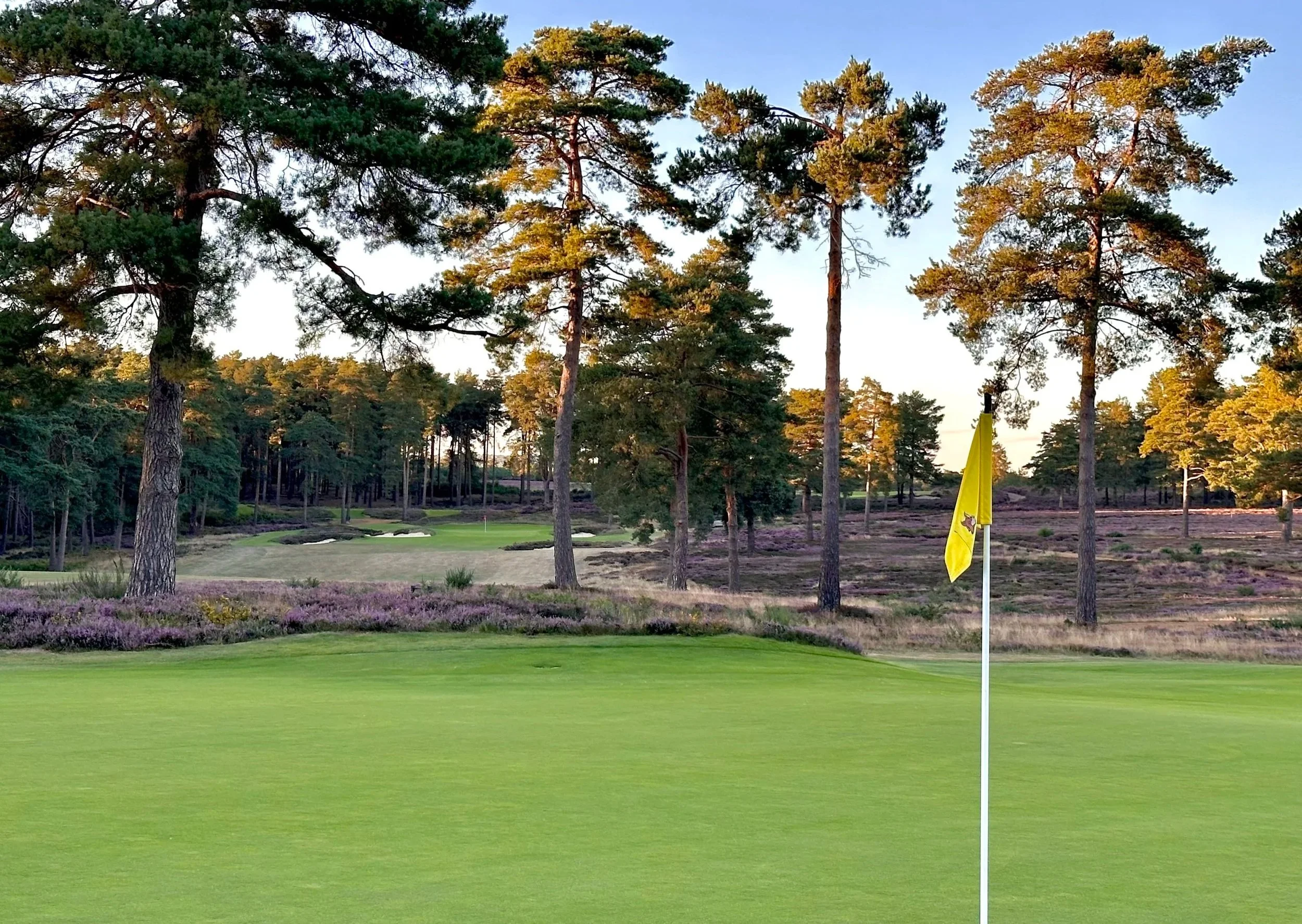
Hankley Common is a gorgeous spot to find yourself in late August

27. New Zealand [6] Addlestone, Surrey, England. Mure Ferguson, with revisions by Tom Simpson. New Zealand is as charming of a spot for golf as there is, a peaceful stroll through the heathland woods (especially on the frosty morning I encountered it). It’s rugged Simpson bunkering and understated greens make for a different feel than many of its area neighbors, which I think is a good thing, even if slightly less exciting in satisfying my recent kick for sharp above-ground features and trenches. Be sure to check out the locker room and its famous, angled slats with member names going all the way back to the club’s origin.
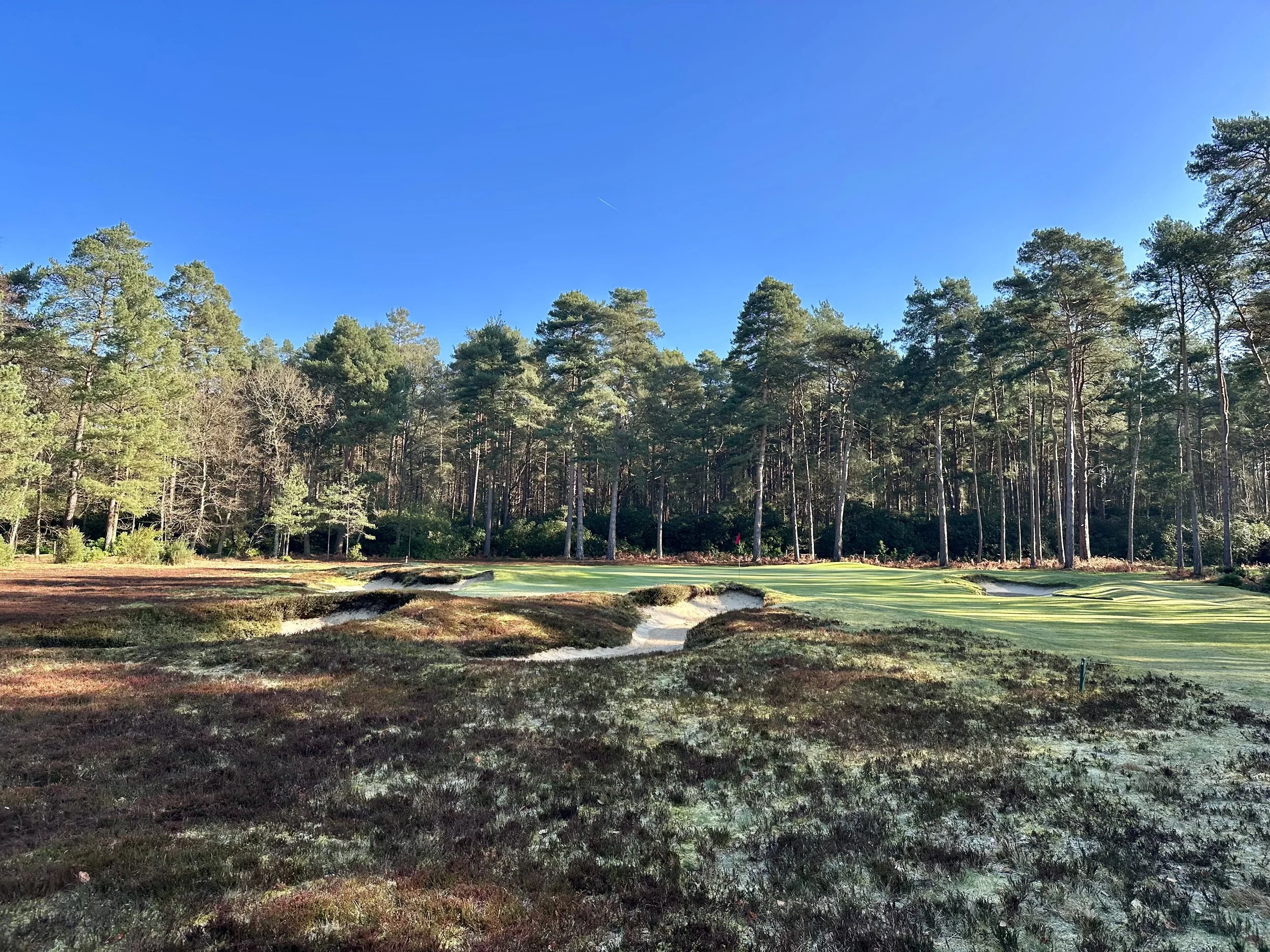
New Zealand carries a bit of simple magic

28. Reigate Heath [5] Reigate, Surrey, England. Tom Dunn. What an amazing setting and emminently charming 9 holes over what is some of the sandiest heathland you will encounter. The fun gets off to a quick start, the first two holes sharing a fairway down below the course’s iconic windmill. The only reason I don’t bump it higher (besides the stout company throughout the list) is because I found the greens to be a bit simplistic, with the hard-tilting 3rd a pleasant exception. Definitely try to play this place though, and be sure to go round twice and play the alternate set of markers the second time.

29. Poppy Hills [6] Pebble Beach, CA. Robert Trent Jones, II redesign. I felt like I should like this course more than I did, and maybe if I peg it up a set forward next time, I will, as I felt like I was getting beat up the whole time and unable to pull off the many draw shots it seemed to require from back there. I would’ve loved to see this course back when it boasted fine fescue turf—the approach shots and those from around the green definitely would’ve worked much better than they do at the moment.

30. Pyle and Kenfig [5] Pyle, Porthcawl, Wales. Harry Colt, with modifications by Philip Mackenzie Ross. A classic ‘tale of two nines,’ the front of this links course is fairly subdued and back playing out in some bonafide dunes. I really enjoyed the front though as well, which had some subtly-interesting Colt greens surrounded by short links turf (which made my many misses fun to play). The dunes holes on the back are incredible but a little dog-leggy, though I really like the dogleg right 13th, which has a green well-guarded by a smaller dune if you play too far past the bend in the dogleg as I did.

Honorable Mention (in no order): Ashridge [Inc.; feels like a 6] Little Gaddesden, Berkhamsted, Hertfordshire, England. Sir Guy Campbell, S.V. Hotchkin and C.K. Hutchison. — Copt Heath [4] Solihull, West Midlands, England. Harry Colt. — Wentworth (East) [5] Virginia Water, Surrey, England. Harry Colt. — Round Hill [5] Greenwich, CT. Walter Travis. — Tamarack [Inc.;walk around clubhouse only] Greenwich, CT. Charles Banks, restored by Brian Schneider. — Sand Moor [4] Leeds, Yorkshire, England. Alister MacKenzie, with numerous revisions over the years. Healdsburg *9 hole [3] Healdsburg, CA. Unknown from early 1920s. Monarch Dunes (Challenge *Par 3) [3] Nipomo, CA. Damien Pascuzzo. — West Monmouthshire [4] Ebbw Vale, Gwent, Wales. Ben Sayers. — Monarch Bay [4] San Leandro, CA. John Harbottle. — Campus Commons *Par 3 [3] Sacramento, CA. Damien Pascuzzo. — Clyne [Inc., but probably 5 or 6] Mayals, Swansea, Wales. Harry Colt.
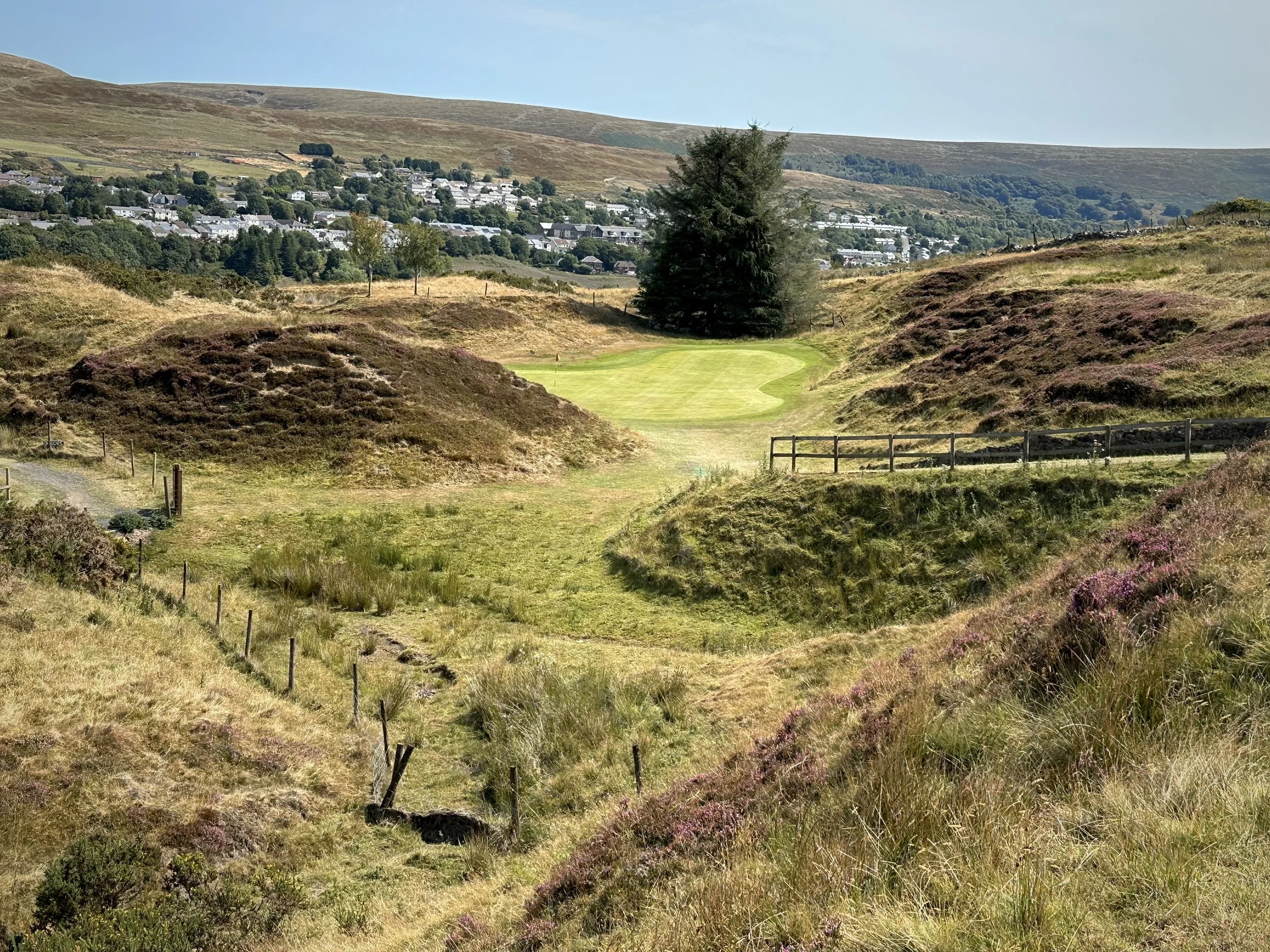
An awesome Dell hole at West Monmouthshire

A rare punchbowl ring green at Healdsburg

A flowing fallaway green at Ashridge

Special MacKenzie Mentions:

I note these because I popped in just to see a few specific holes with MacKenzie relic features, so I can’t comment on nor rate the courses as a whole. But, there was some cool stuff on each that I thought would be worth sharing.

Sitwell Park. The most (in)famous green(s) in golf history. I had always thought that the Sitwell greens, particularly the more wild 12th, had been completely wiped clean and never to be seen again. Effectively, that is the case, as flat shelves have been put in their places. So, I never thought to actually go there, but before I was to make my way out of Leeds toward Woodhall Spa, Clyde Johnson told me I should stop in to see the old greens at Sitwell Park. As always from Clyde, this was a good idea as, much to my surprise, a good amount of the remaining landforms from those greens are still sitting there, especially so on the more famous 12th, which has an obvious fill pad just kind of sitting on top of what might’ve been the second-to-back tier.

I think it would actually be possible to restore the green, and my guess would be that it would be easy to find the old contours after digging away the obvious fill. From there, you’d have to see what you are left with and how many alt-routes there are to get from one level to another, especially going downhill. If those don’t exist, you’d need to tweak some things to get it to work that way, definitely restoring the bottom bunker landform as a start to help hold in a runaway ball. I’ve worked around the 16th hole at Pasatiempo, and overall pitch here and elevation change are both stronger than that. It would be crazy, but crazy would also get someone to travel across the world to see and play the course.
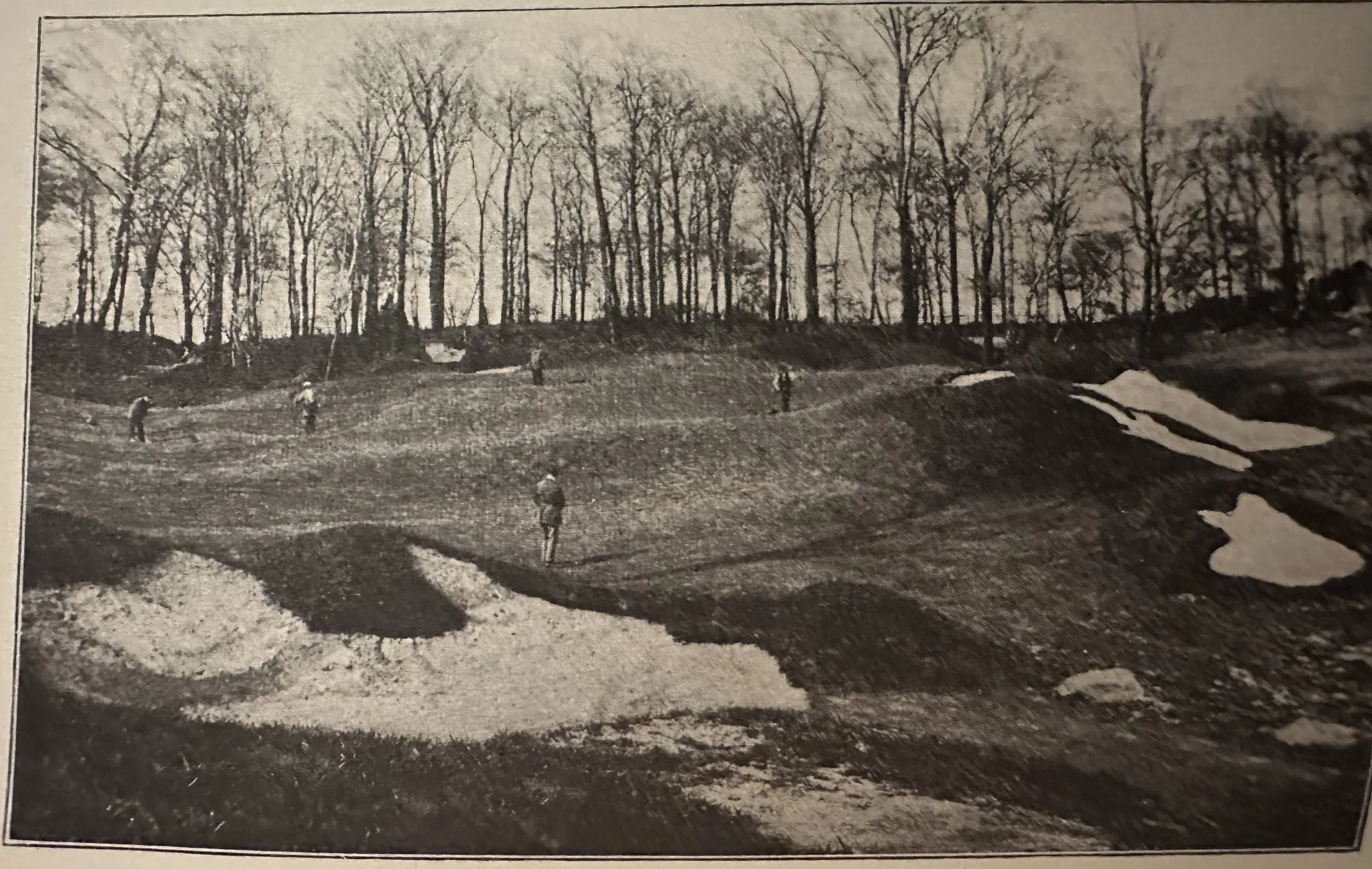
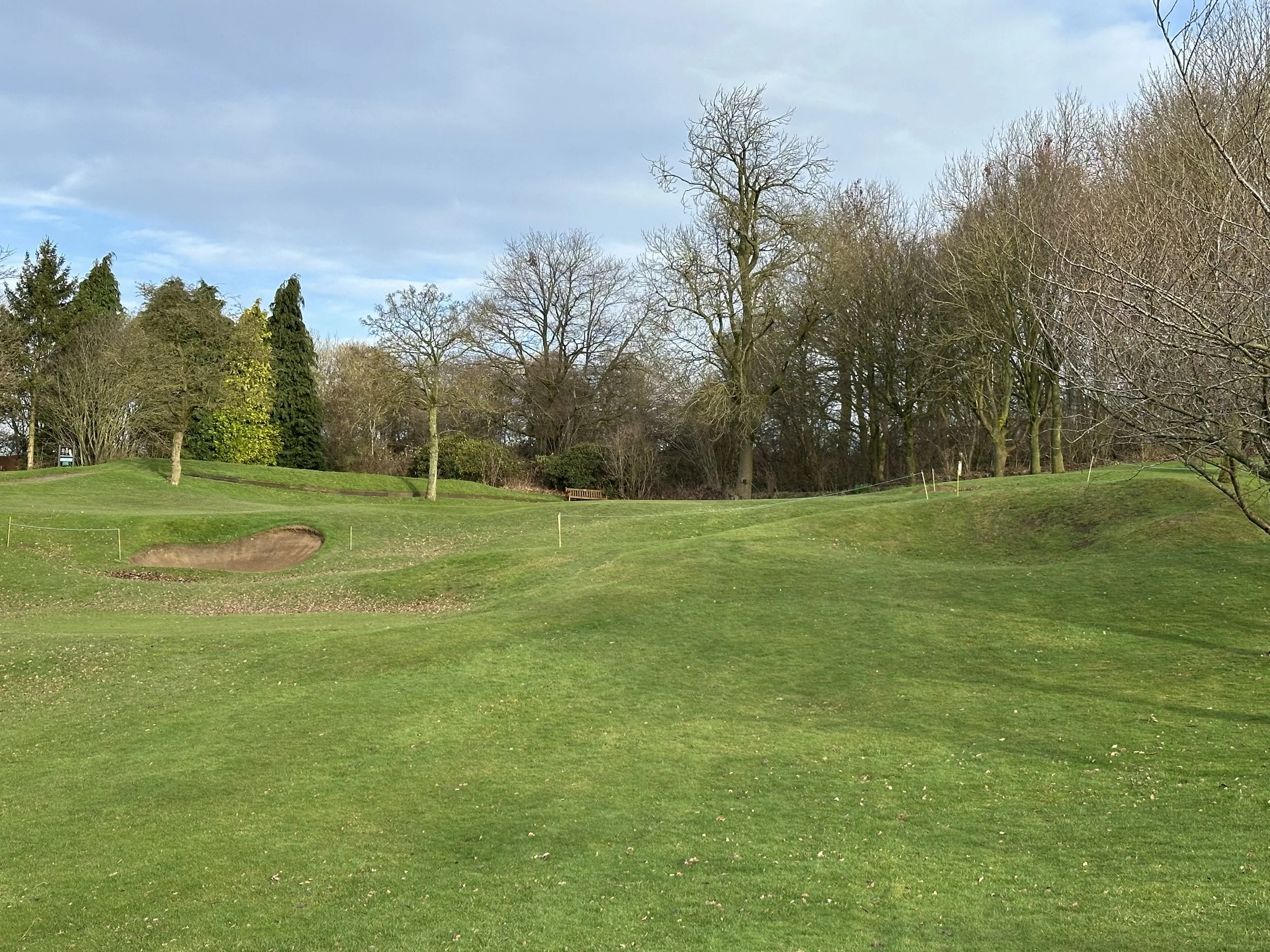
Above, clockwise from top left: Sitwell Park’s wild 12th originally, the same 12th today, a view down to what looks like some intriguing shaping on other parts of the course, and a view from up above the green pad showing some of the old pockets in front of the current surface


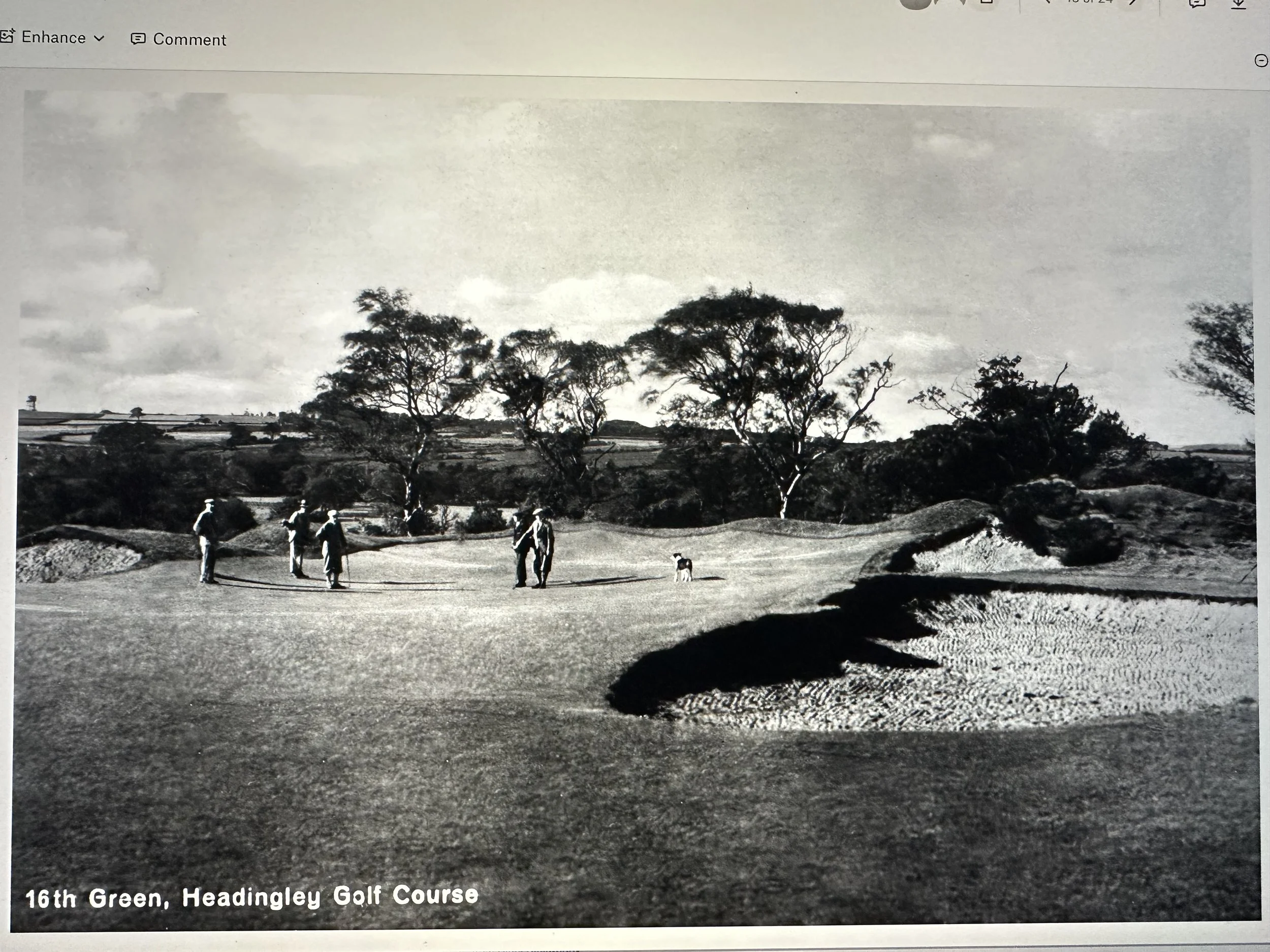
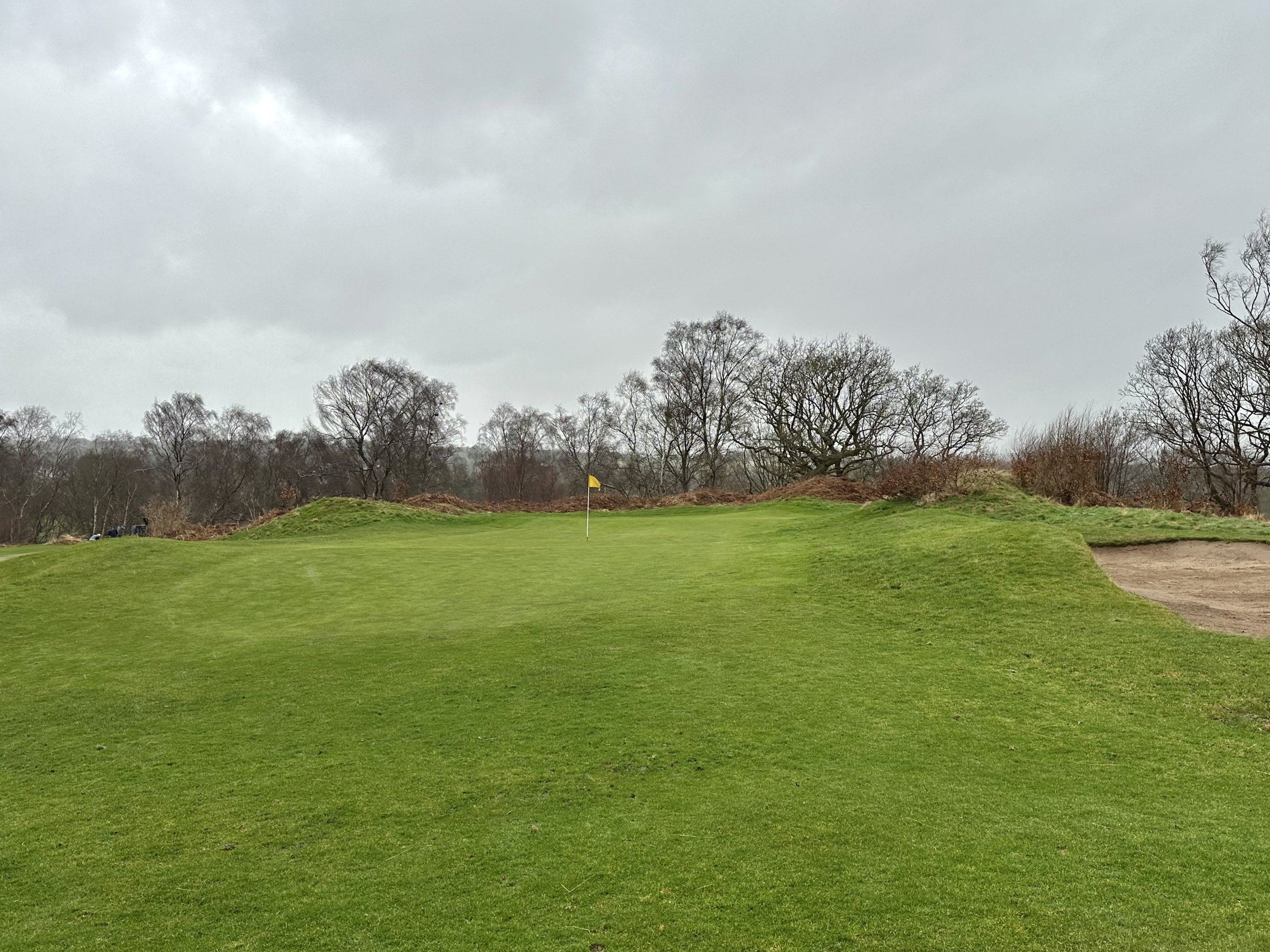
Headingley. I had to stop in here and see some of the MacKenzie holes as shown in old photos. The old 2nd, which is a very early version of MacKenzie shaping that Geoff Shackelford notes as “primitive,” no longer exists, unfortunately. However, you can see where it once was, off to the right of the current 2nd in the woods and heading impossibly up to the top of the hill. It’s way bigger a hill and steeper than the photo lets on, and I can see why the hole was abandoned. The 16th is the real highlight as well as the most preserved, with a lot of the shapes around the green still remaining. It, along with the reasonably intact 17th, would be fun ones to fully restore.
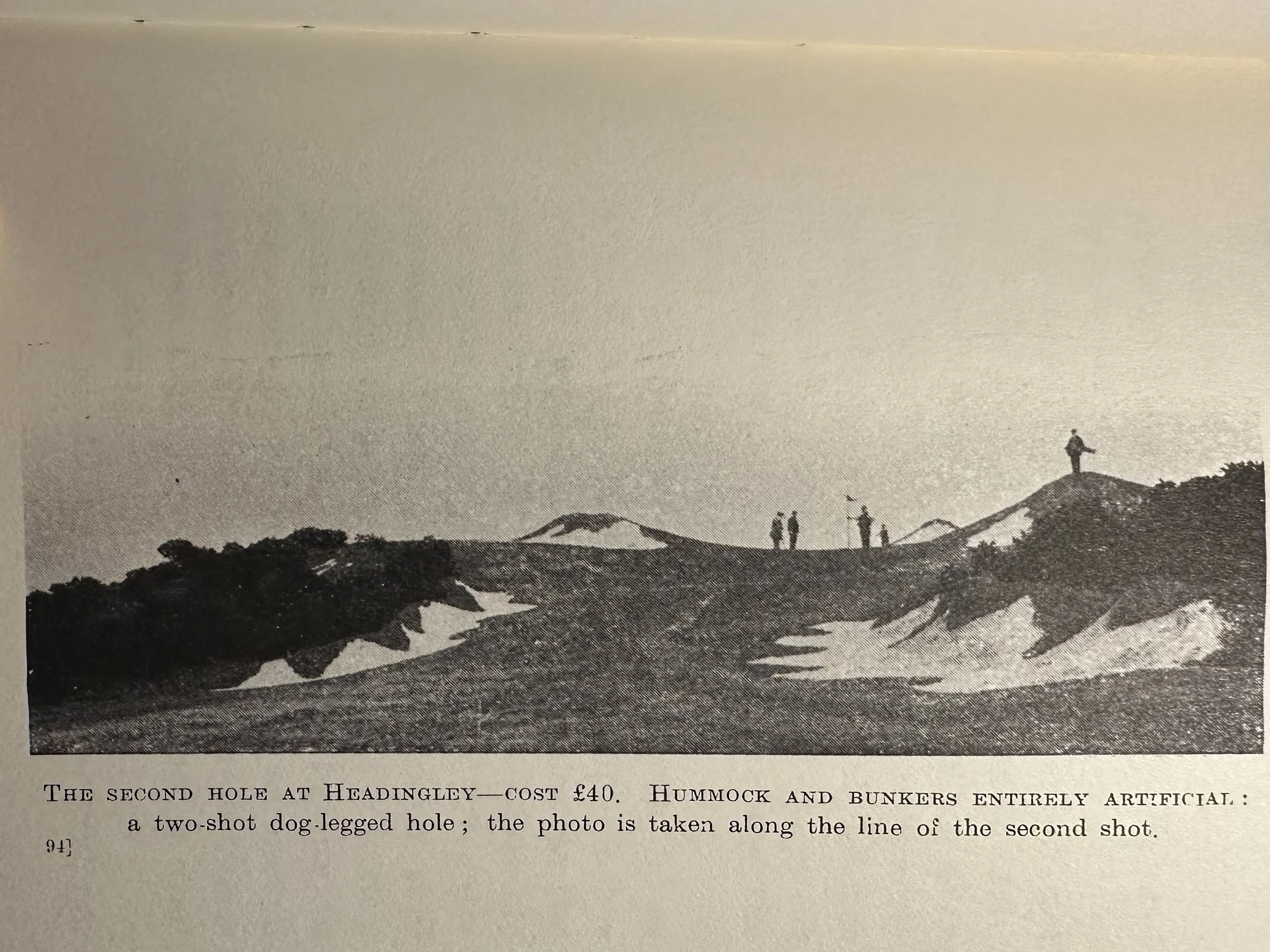
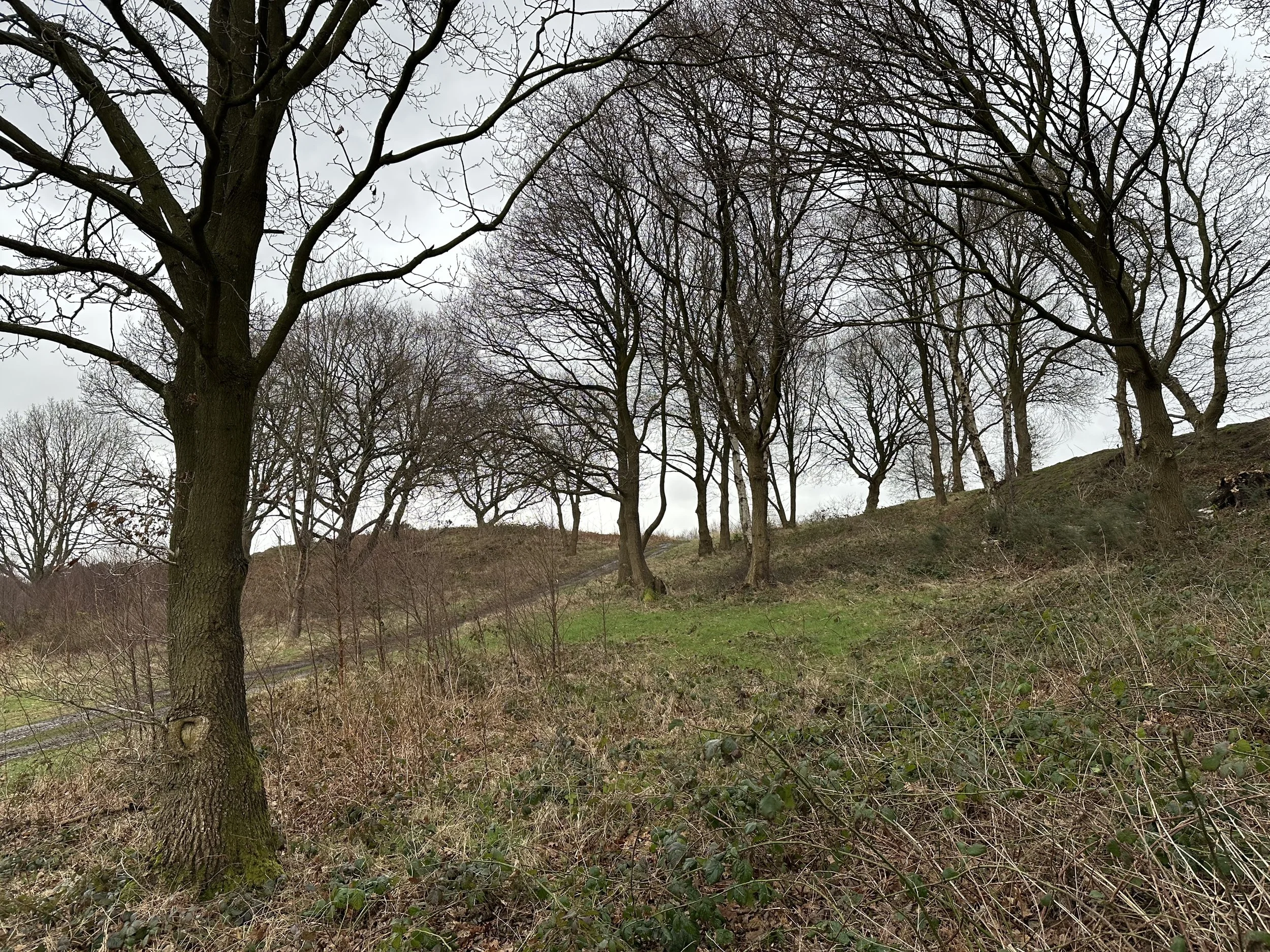
Above: pictures of original Headingley and what you see today

Harrogate. I made some time in my morning before Alwoodley to stop in at Harrogate and see a green built by MacKenzie that he thought enough of to include in his first book Golf Architecture. I too thought it to be most fascinating with its shelves of varying height and size and bizarre (in a good way) front left bunker guarding it. I hope to steal the idea and rebuild something like it somewhere.

The original, which is the current 17th hole, isn’t fully there, but it looked from the club website’s course tour that there were enough of the landforms in place that it warranted a visit, especially given it was only a short walk from the clubhouse.

It was cool to see some of the bones of this original still there and enough remnant clues to perform a faithful restoration. It was worth a stop for that alone. What I wasn’t expecting, however, was a plethora of other remnant MacKenzie (or at least I assume it to be from him) shaping teasing me through the trees on the rest of the course, shaping that was shockingly large in scale, especially given the time period and heavy clay soil of the property. Long, angled ridges crossed fairways and continued into the woods, indicating wider fairways from the course’s origin days. Big, funky greenside mounds guarded many surfaces, sometimes doing double duty for greens in tight proximity—a classic MacKenzie move. This place impressed me way more than I ever expected and could make some serious head-turning moves with proper tree management and restoration work.

What was supposed to be a quick 20 minutes turned into nearly two hours covering just about the entire property, arriving to one siren song of mounding only to be teased by yet another around the corner. On days like these, I am always sure to eat a big breakfast, knowing that these discoveries and cancellation of my lunch window is a strong possibility.
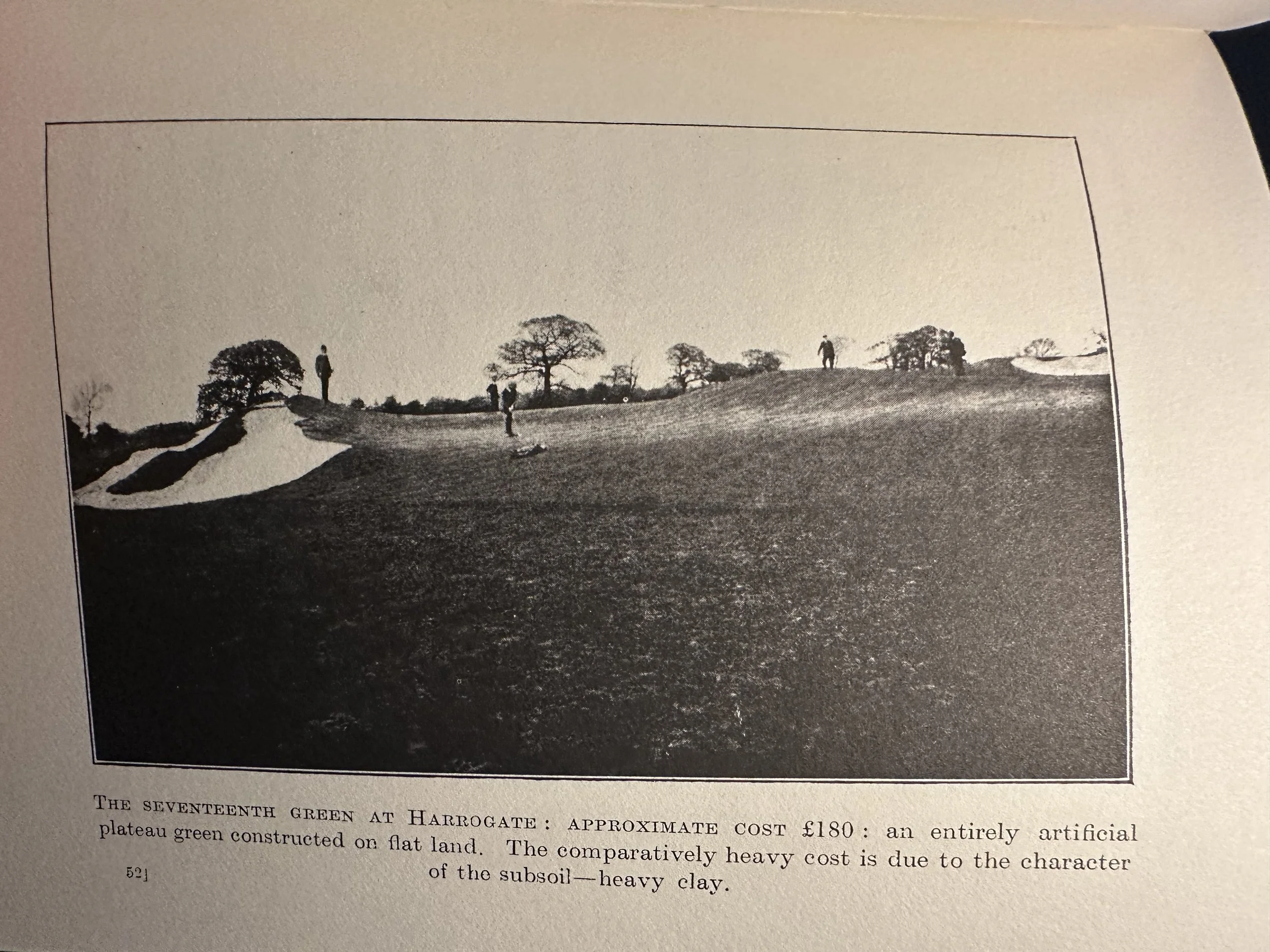
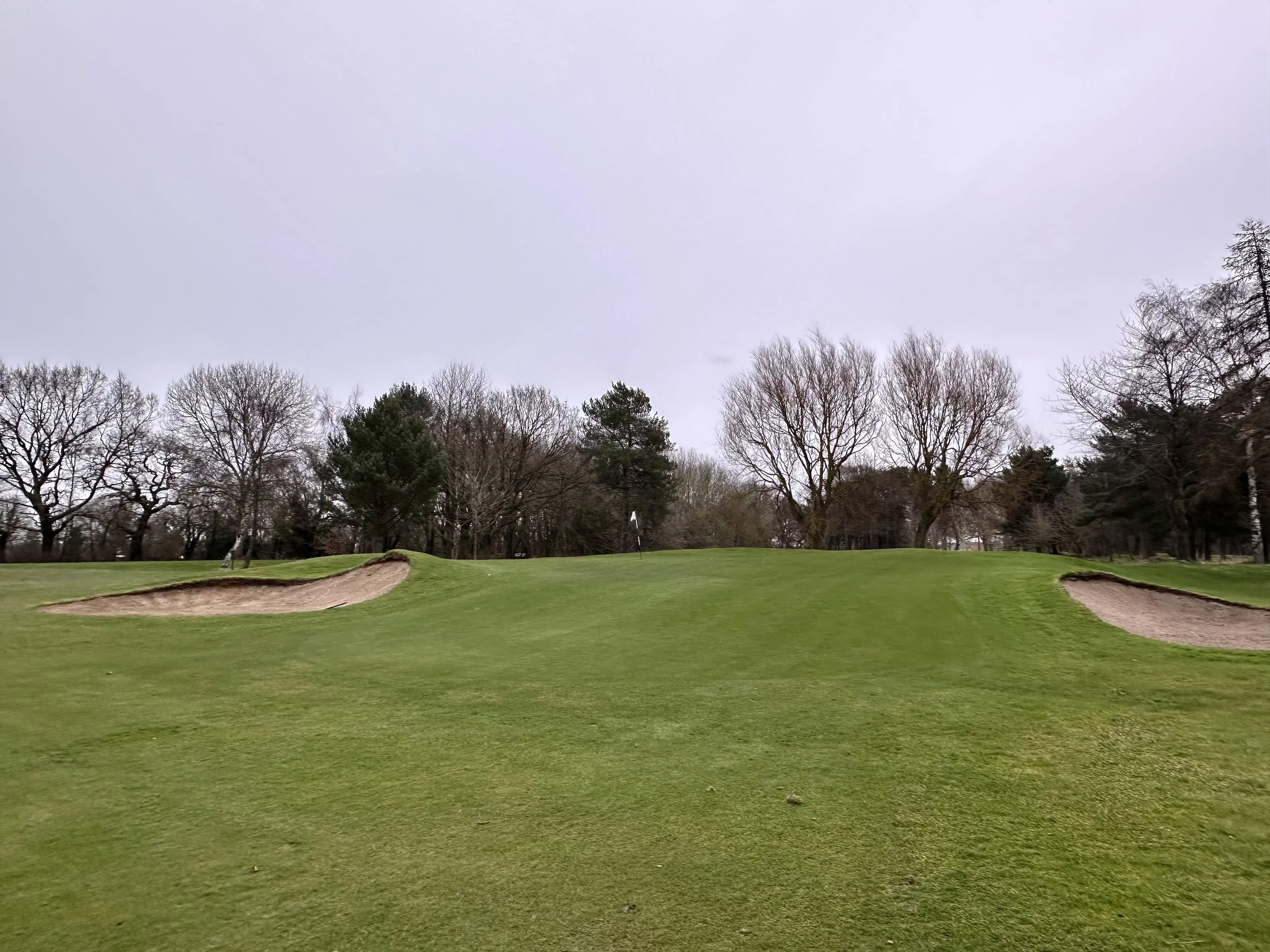
Above: a comparison of MacKenzie’s 17th at Harrogate and the current one, followed by an assortment of images of compelling mounds guarding greens and crossing holes at various angles

Other Highlights in Golf

All-time day.

Kington on a calm Saturday night with no one else around save the sheep. It was the driest and slipperiest course I’d ever played (Pennard the next night tied it), and as such I was bouncing multiple shots into every green. Joyful and thrilling. A top 5 all time golf experience and the very thing that most stirs my soul

Pebble Beach with my Dad. Saving this as a shared experience with the person who introduced me to the game was the way to go. I’ll never forget the chills I felt as he gave me a rare fist bump as we walked off the first tee. Also a top 5 all time golf experience.

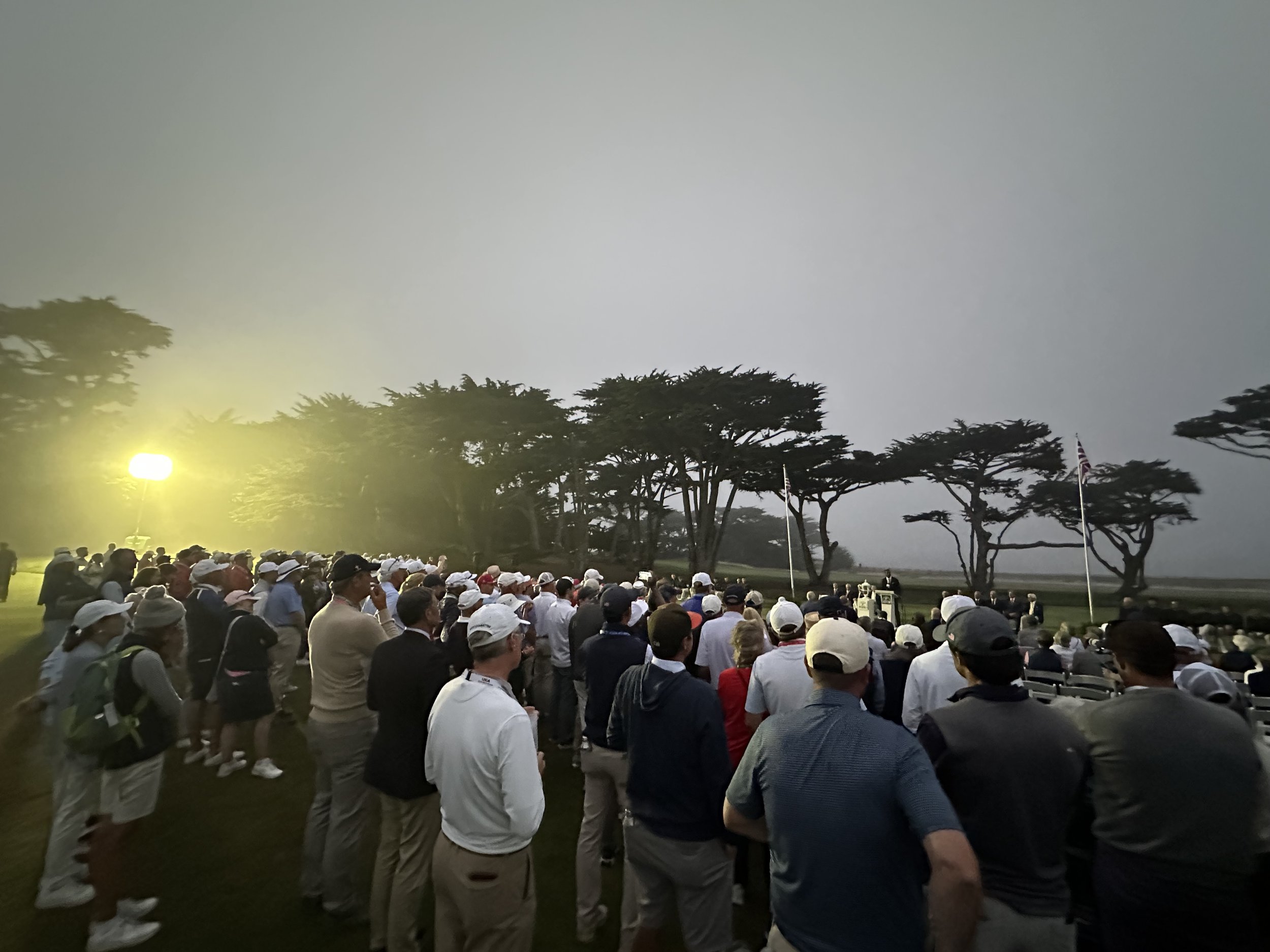
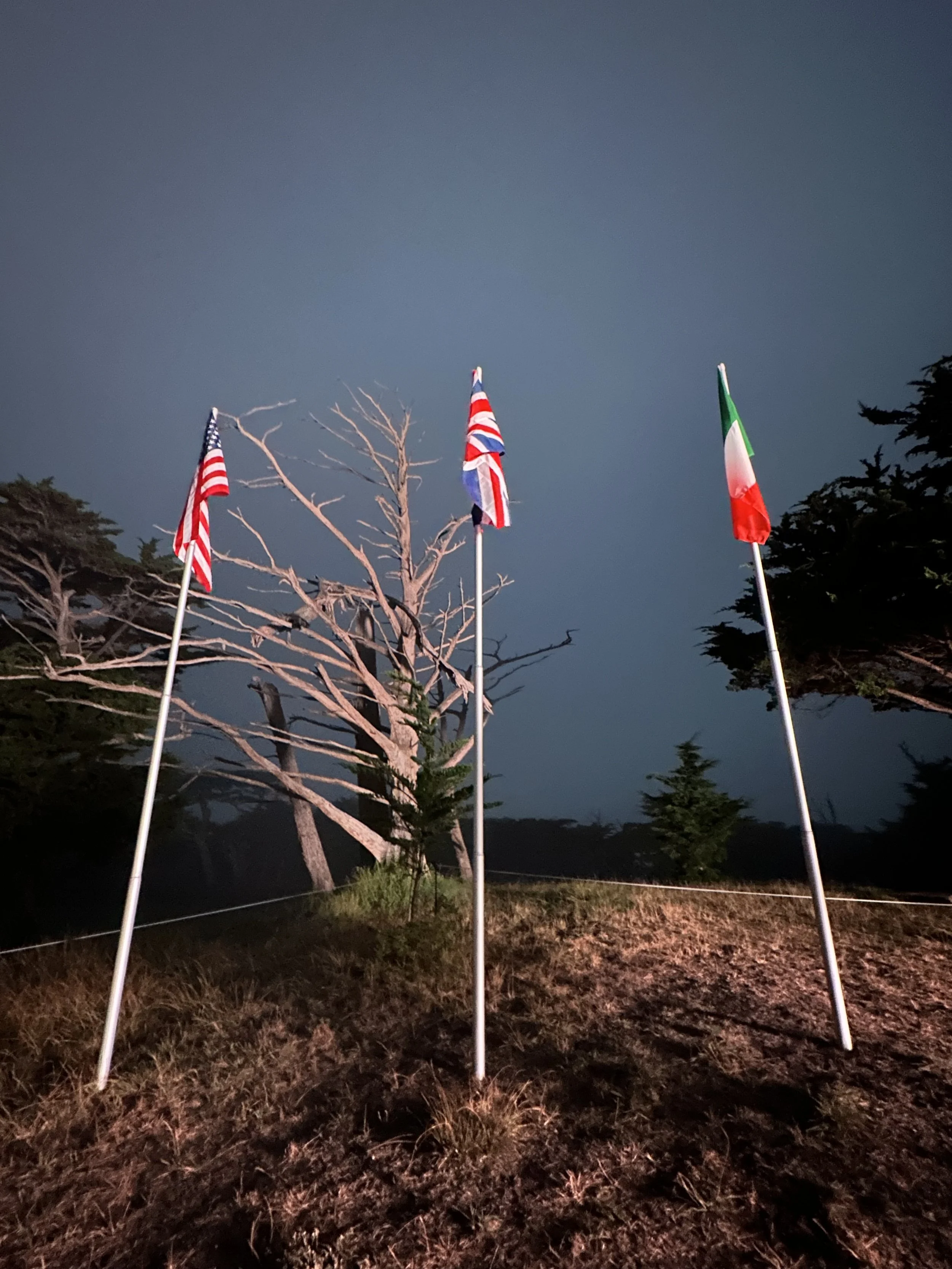
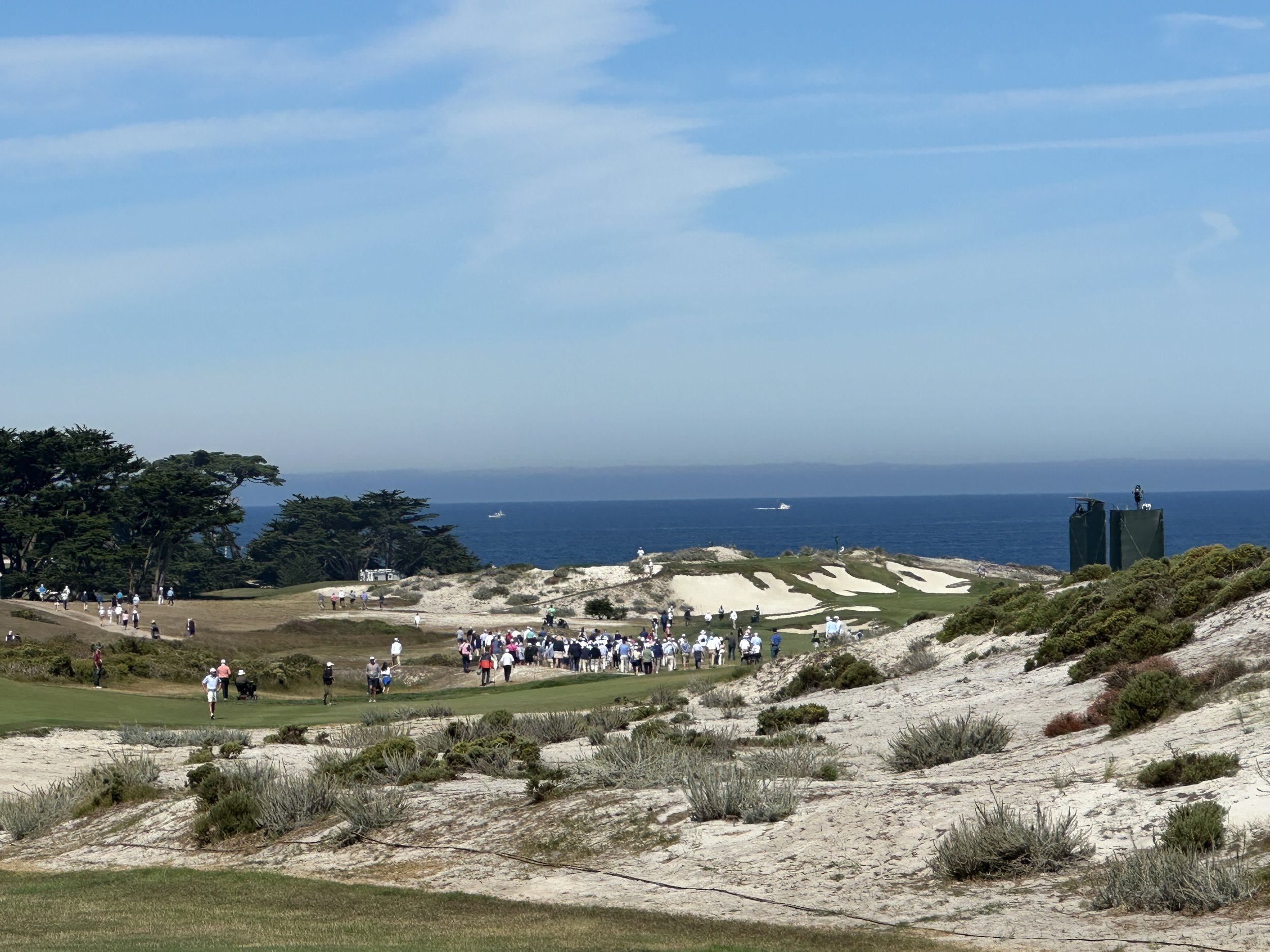
The Walker Cup. I can’t believe I was on the fence about attending for so long. Between the setting, seeing how such great players strategically approached the course, and all the great friends and colleagues also wandering the grounds, it was a top 10 all time golf experience, if not top 5.
Having tea with Philip Truett and viewing what must be the world’s most impressive golf library. Philip’s house is, appropriately, just about on the Walton Heath property and all its deep history. I just got to scratch a small bit of the surface of his collection ranging from top club histories to various old architecture writings to the borderline surreal. In that latter category, I got to see the oldest known printing of the word ‘golf’ as well as Alan Robertson’s book that he owned, complete with his name written in it to indicate possession. This was a big deal for Robertson to own a book, as it was unusual for artisans such as he to own them (or much anything at all). I asked if I could hold it, and when I did, I was overcome with a number of emotions, feeling a tangible connection to a man who is arguably the oldest known golf legend of such lofty stature and the primary widener of the Old Course corridors. I’ll never forget those feelings.

A warm calm Sunday night with the last tee time at Pennard, a most surreal and heavenly setting. Almost as good as Kington the night before.
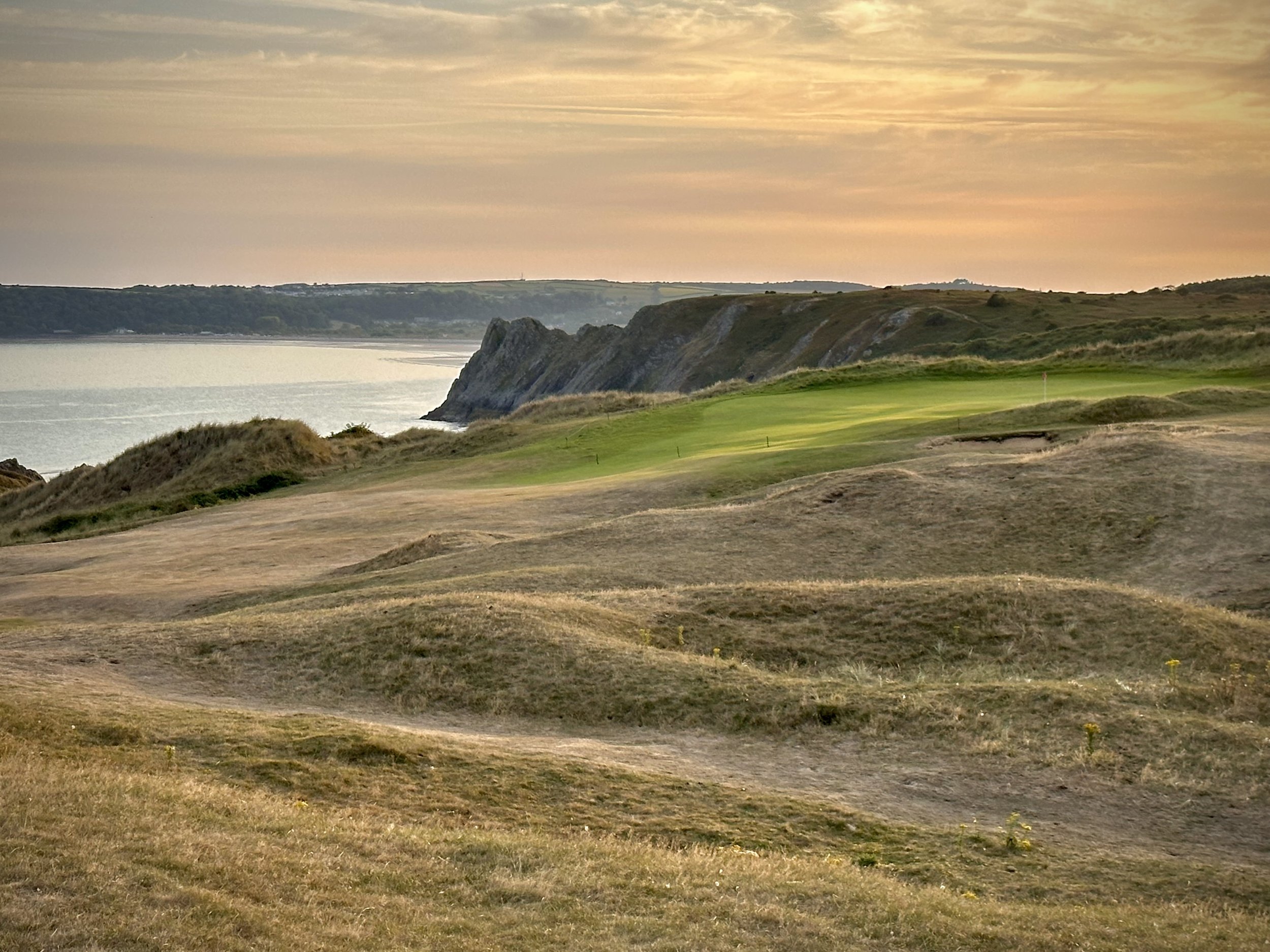
Pennard is as amazing as it looks and thensome.

Finally walking National for the first time, a quiet warm October day making it all the better.

Getting to know Robin Hiseman while touring around Wentworth East. There’s glimpses of Colt greatness still out there; they’re trying to bring back what they can at the moment.
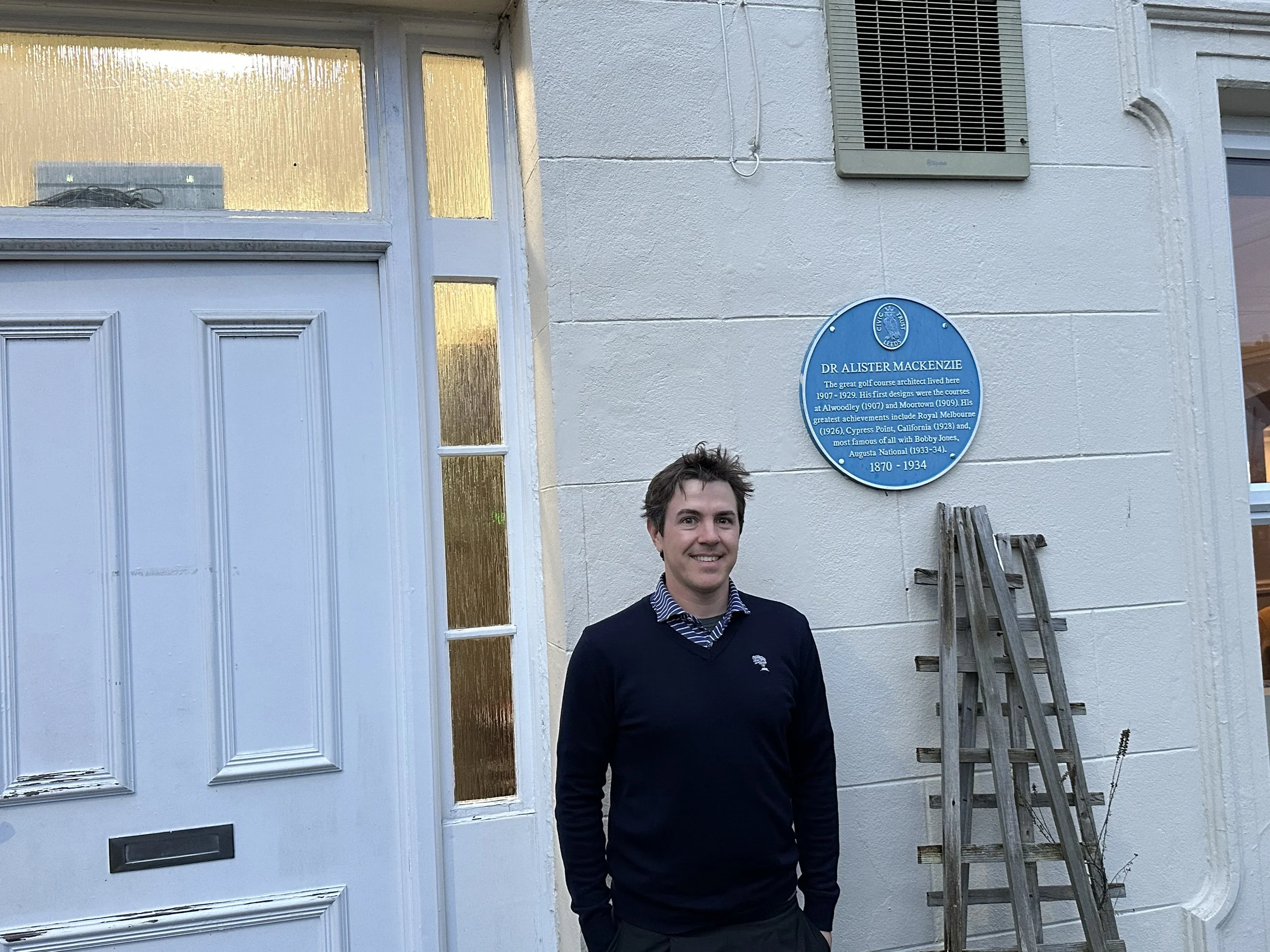
Don’t mind the hair—it was a wild one that day!

Visiting MacKenzie’s house in Leeds after a walk around Alwoodley. ‘Twas neat to come full circle on the Doctor’s lodgings after having worked in the shadows of his final home at Pasatiempo.

SF Golf Club with Jason Bruno. Totally happenstance after running into Jason and meeting him for the first time the night prior at the Walker Cup.

Lake Merced with Ryan Noades, Joel Stewart, and Martin Sheppey. I’d known Ryan for a bit from my London travels and talking about the details of his work at Addington, so it was cool to have him here in my hometown to talk about some of the details of my work pitching in with the Hanse team at Lake Merced.

The Sacred Nine with Philip Winter. Actually made it around twice this time. Still love this course, and Philip was great company talking about all the many things we value in golf.

First round playing Poppy Ridge with the architect himself Jay Blasi before anyone else could show up on a misty summer Sunday morning.

Witnessing the Welsh Ladies Team Championships at Clyne and a completely different standard of ‘acceptable.’ How many other nationally sanctioned events get interrupted by sheep and wild ponies crossing the 18th fairway?
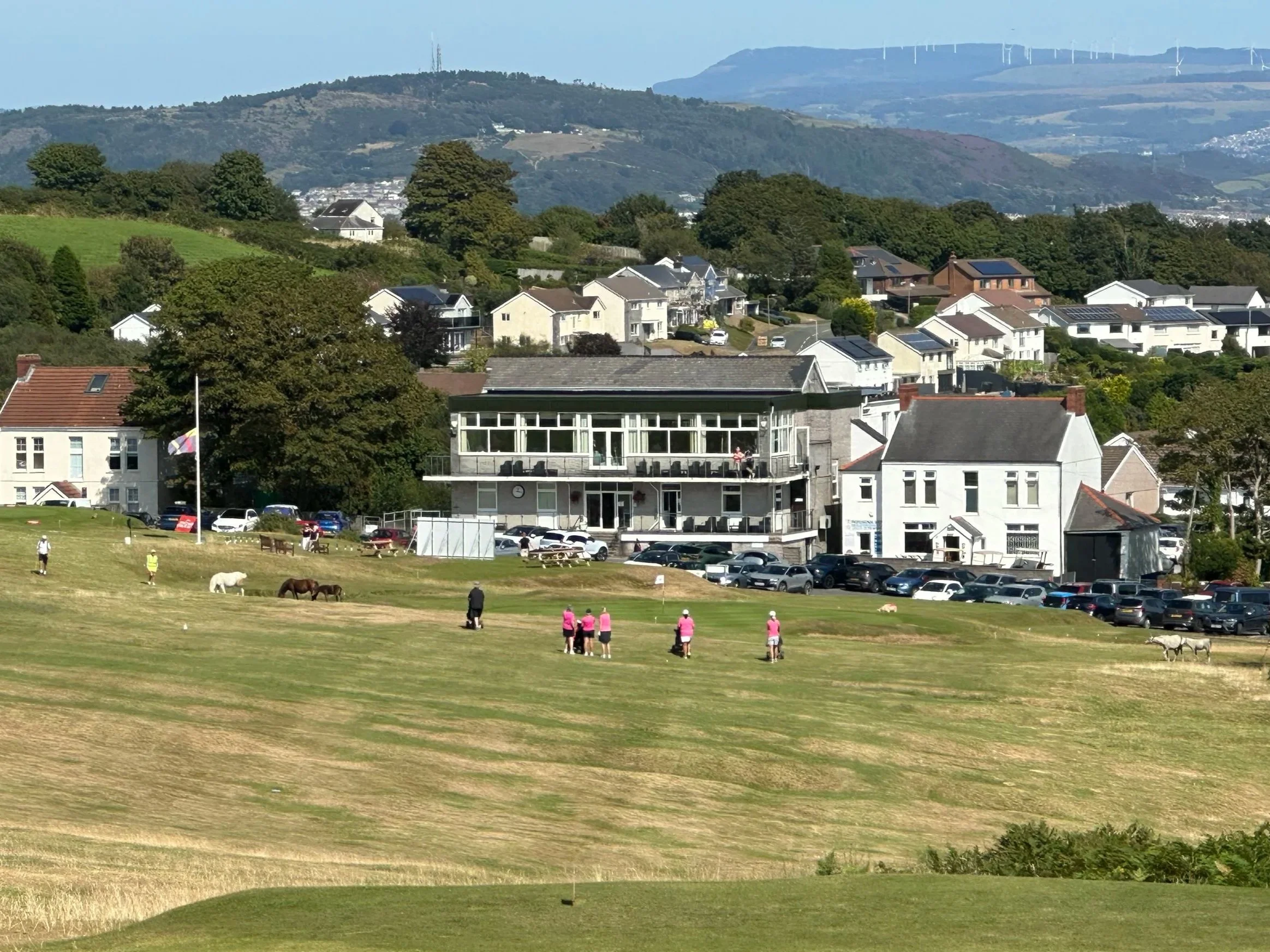
The ponies and sheep temporarily hold up play at the Welsh Ladies Team Championships. Can’t imagine American golfers’ tolerance for such.

Meadow Club with Mike and Sean Woods. Did my best to keep up with these pros (literally) on a perfect early fall day, and got to go into the clubhouse to look at old pictures and memorabilia, which I had (amazingly) not yet done before.

Northwood with Will Carlson and Trevor Schaap.

Pasatiempo (at different times) with Andrew Harvie, Joel Stewart, and Matt Murphy (and his crew)
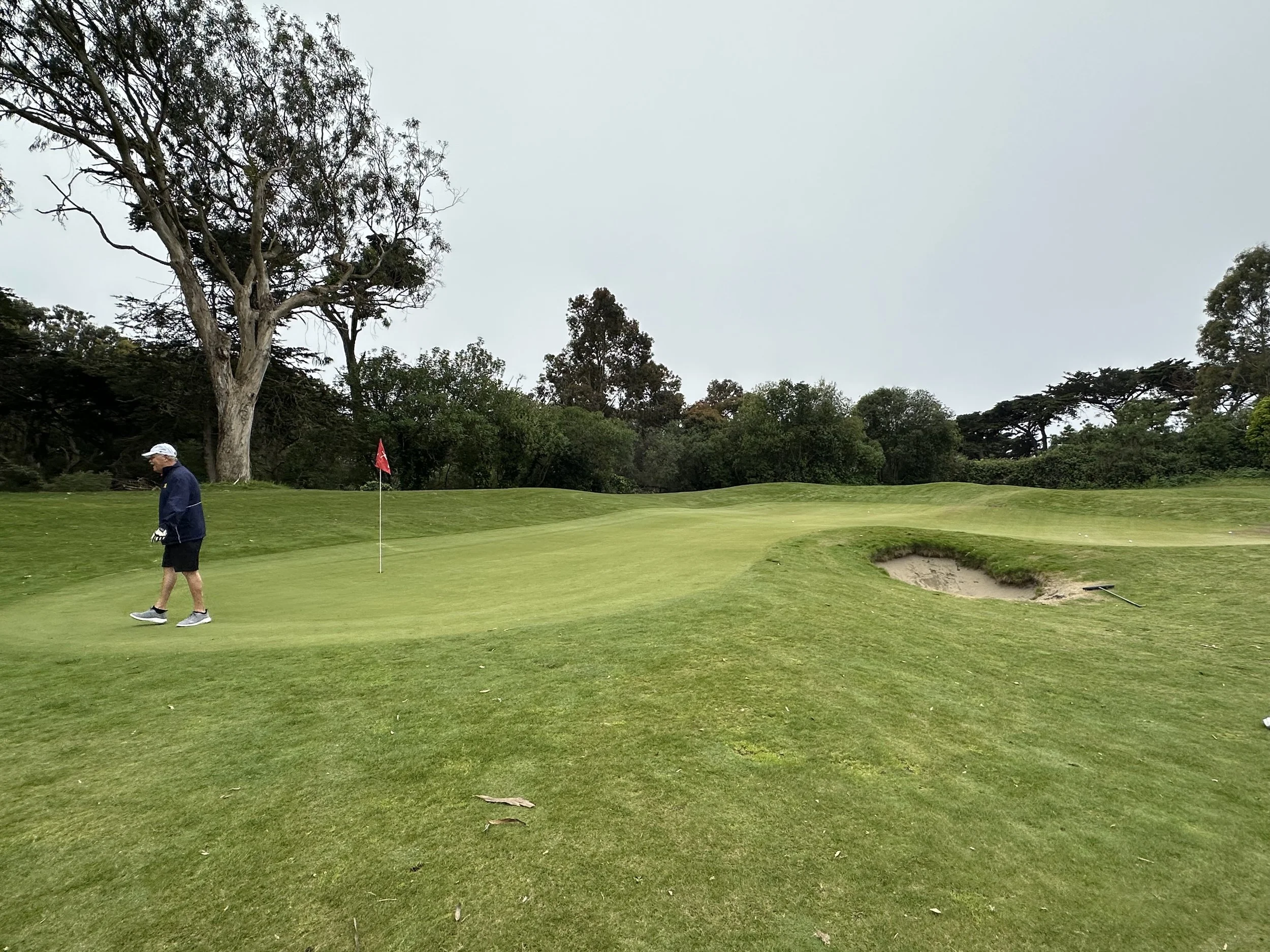
My dad having some fun on the boomerang 7th at Golden Gate Park

My dad getting to play some stuff that I shaped for the first time at Golden Gate Park and Orinda.

Quick evening rounds in the dark after work at Northwood. Not that much light in late October when trying to do a project in a week’s time, but still worth a 30 minute 5 hole blurry-vision loop at such a majestic setting.

Playing the MacKenzie Tournament at Sharp Park as part of the ‘Jay Blasi Memorial’ 9-some. Really fun group including area industry friends and some new ones I had yet to meet.

Getting my little dude on the golf course for the first time. It was even better sharing it with my dad, who first brought me onto the course at an age only a year older than my son’s.

Range sessions with the same little dude. He’s a grinder. Upon finishing the second large bucket: “We need to get more balls now.”
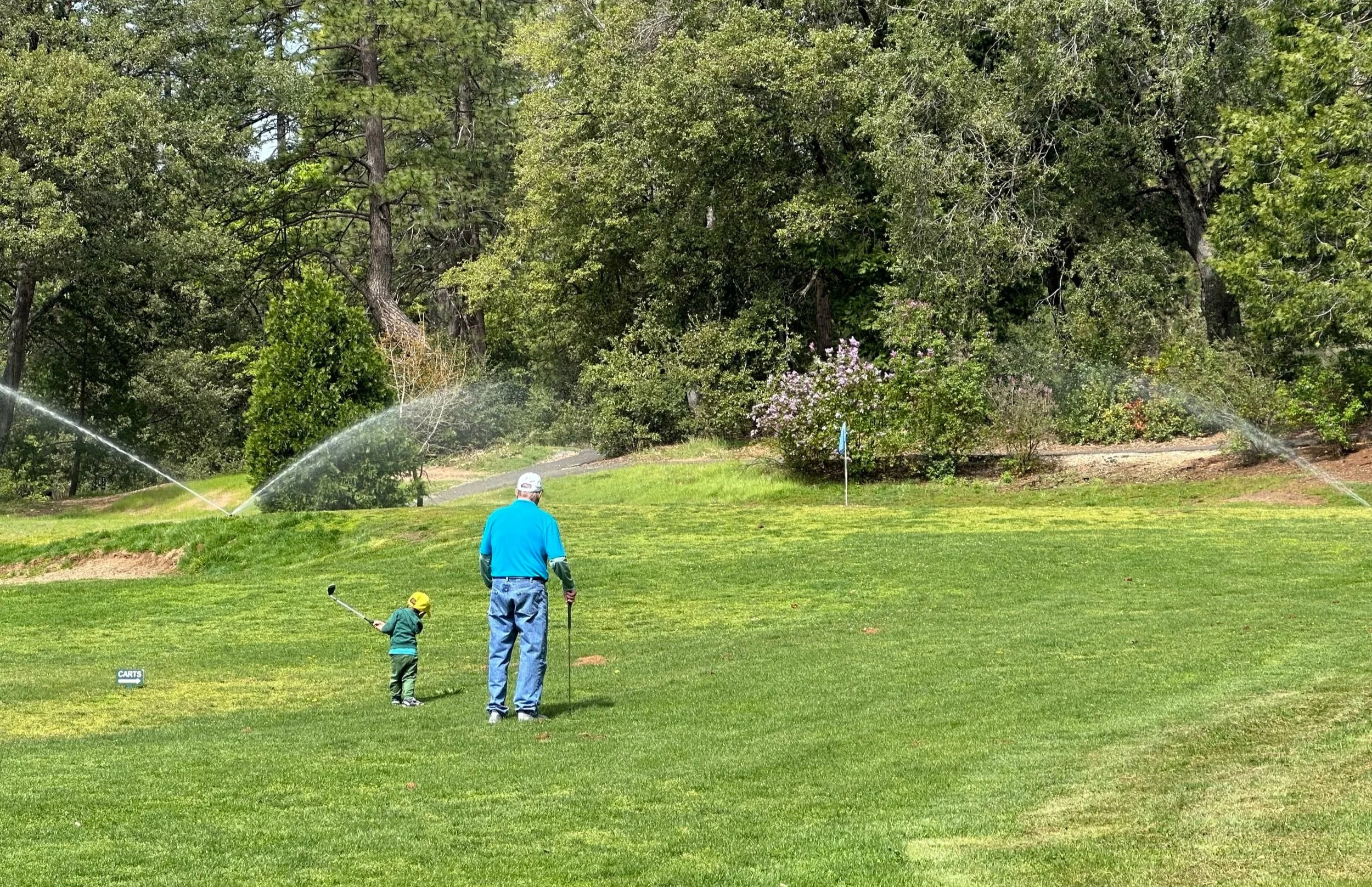
My adjacent generations, the younger with his first experiences on a real course


Who I listened to…

A good year with some new favorites discovered and solidifying a few favorites from recent years.

Albums

Big Besnard Lakes year…

1. “A Coliseum Complex Museum” —The Besnard Lakes

2. “Waiting for Something to Happen” —Veronica Falls

3. “The Besnard Lakes Are The Ghost Nation” —The Besnard Lakes

4. “I Quit” —HAIM

5. “Javelin” —Sufjan Stevens

6. “When Horses Would Run” —Being Dead.

7. “Natural Pleasure” —BRONCHO

8. “The Besnard Lakes Are The Dark Horse” (second half) —The Besnard Lakes

9. “From the Pyre” —The Last Dinner Party

10. “Circulatory System” —Circulatory System

11. “Veronica Falls” —Veronica Falls

12. “The Cosmic Selector” —Lord Huron

13. “Face to Face” —The Kinks

14. “Travel in Cycles” —Worries and Other Plants

15. “Science Faire” —The Apples in Stereo

16. “Thanks for That”—Steph Green

17. “Rides On” —The Nude Party

18. “Purple Mountains” —Purple Mountains

19. “Neon Grey Midnight Green” —Neko Case

20. “The Scholars” —Car Seat Headrest

H.M. “Bowerbirds and Blue Things” —Jetstream Pony, “Want” —Esther Rose

Other Bands and Songs

“Do You Miss Me Darlin?”—The Guess Who, “Two Characters in Search of a Country Song”—The Magnetic Fields, “Ballad of the Last Payphone”—The New Pornographers, “Bury Me Happy”—The Moles, “Changin Me”—Worries and Other Plants, “Guy Fawkes Tesco Disassociation”—jasmine.4.t, “You Can’t Break a Broken Heart”—The 6ths, “Venga Ese Sabor”—Grupo Kual, “80s Men”—Bummers, “Jennifer”—Faust, “Needles in the Camel’s Eye”—Brian Eno, “Harness Your Hopes”—Pavement; The Ladybug Transistor, The Proper Ornaments, Nation of Language


Other Highlights Not in Golf
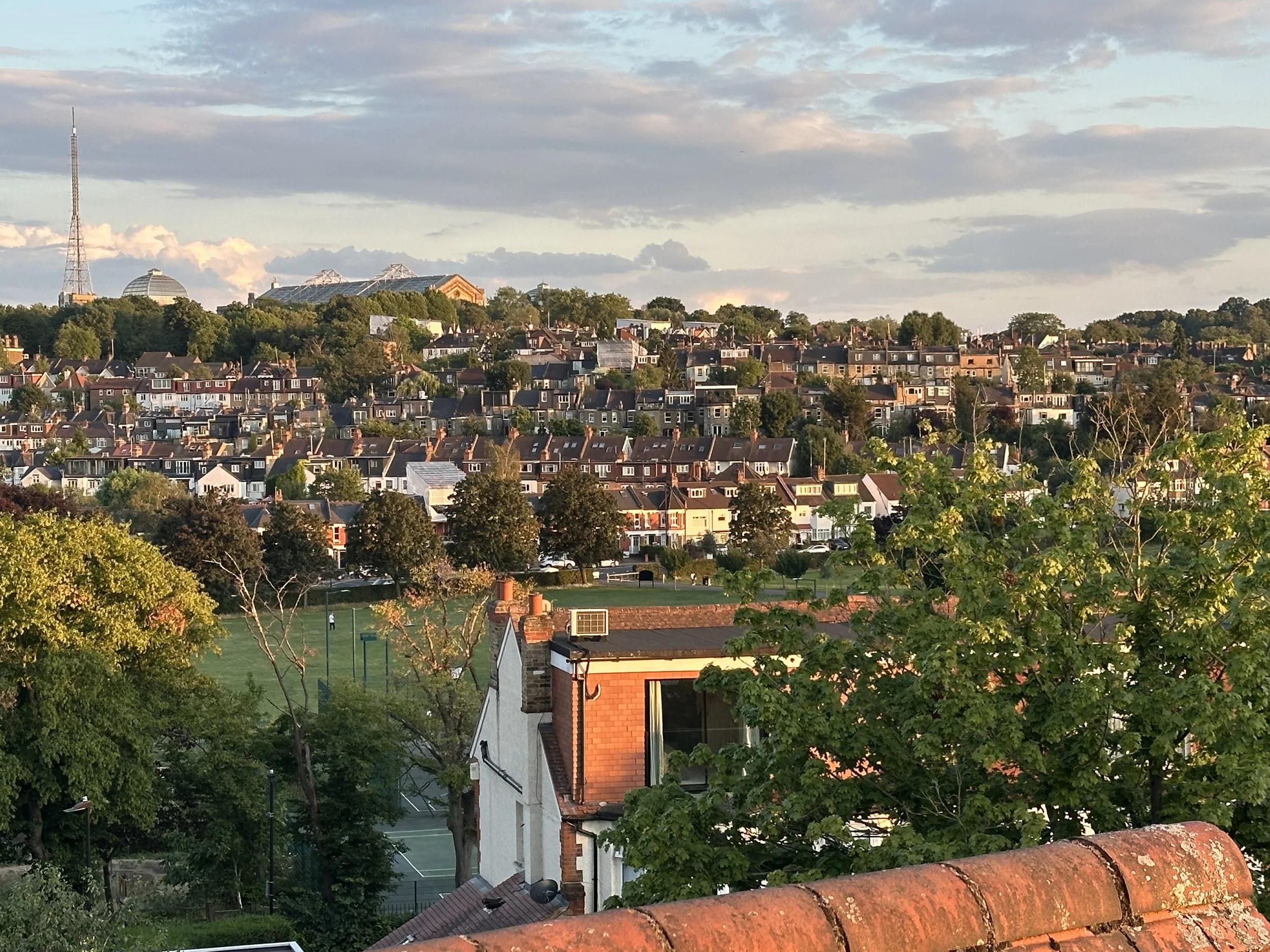
Lot of nice evening views our from our lodgings in Muswell Hill

In no particular order…

“Papa” coming to stay with us in London while working at Hadley Wood. Finally made it to Windsor Castle, and we also snuck away for dinner just the two of us one night to dine at the spot of The Kinks’ first live concert in Muswell Hill, complete with a room dedicated to them and local frontman Ray Davies.

Catching a game at Portman Road and exploring Ipswich before and after. My favorite overall EPL experience thus far. The stadium is intimate, packed, and constantly active in song, and the town has all the narrow winding streets and eclectic old architecture that I crave. It’s also amazing that this agrarian old town of around 100,000 people could field a team playing in one of the wealthiest and most popular professional sports leagues in the world. Promotion and relegation is cool.

Portman Road, home of Ipswich Town FC

Ipswich streets

Driving around the New York Metropolitan Area and soaking in the fall colors to moody tunes. I miss Real Fall.

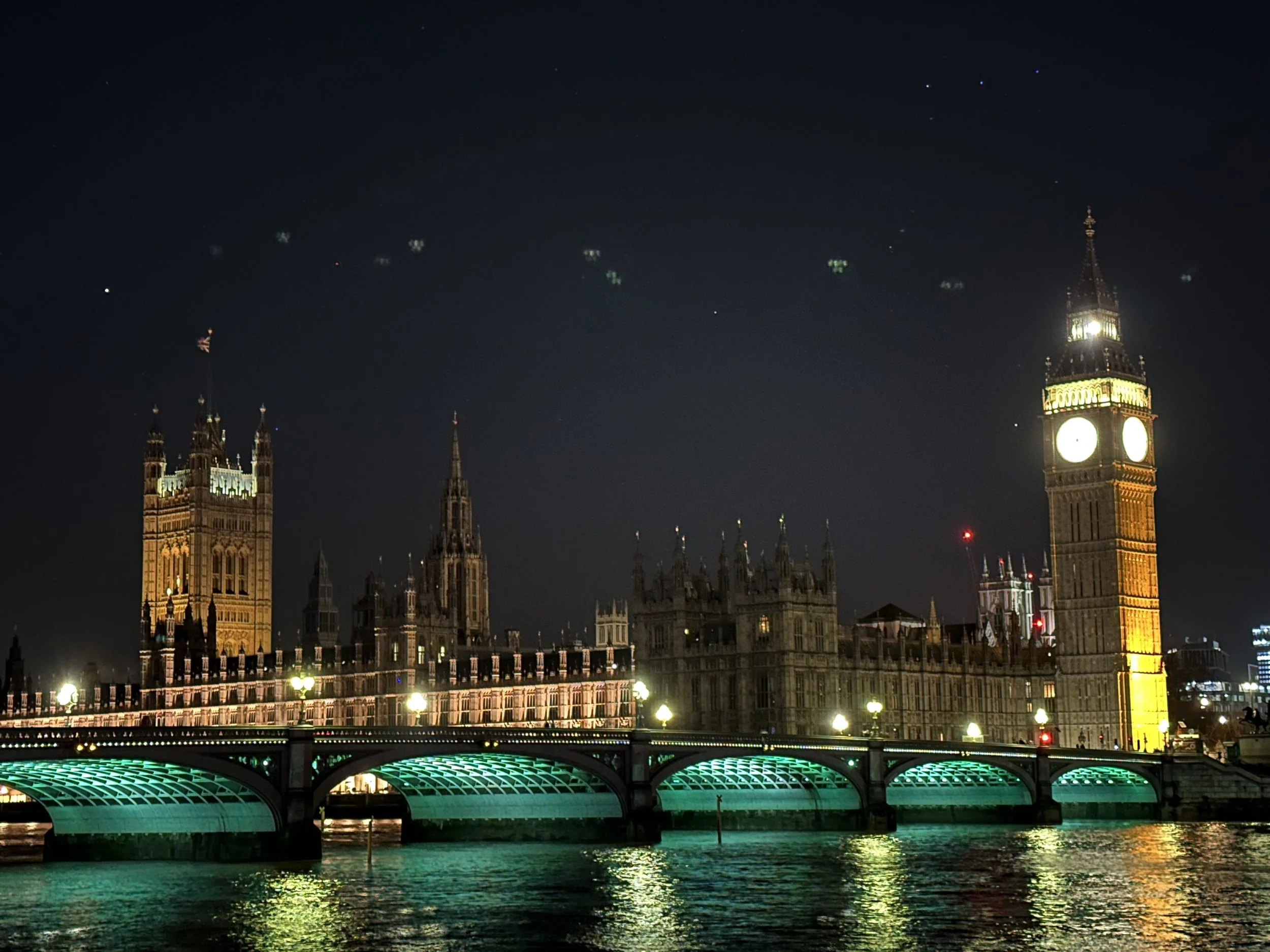
Solo wanders along the Thames in London, complete with dim sum and Korean BBQ. Did it once in the winter and once in the summer. Despite bleak cold, the one in the winter was more special, as there was nary a tourist out in the late cold hours.
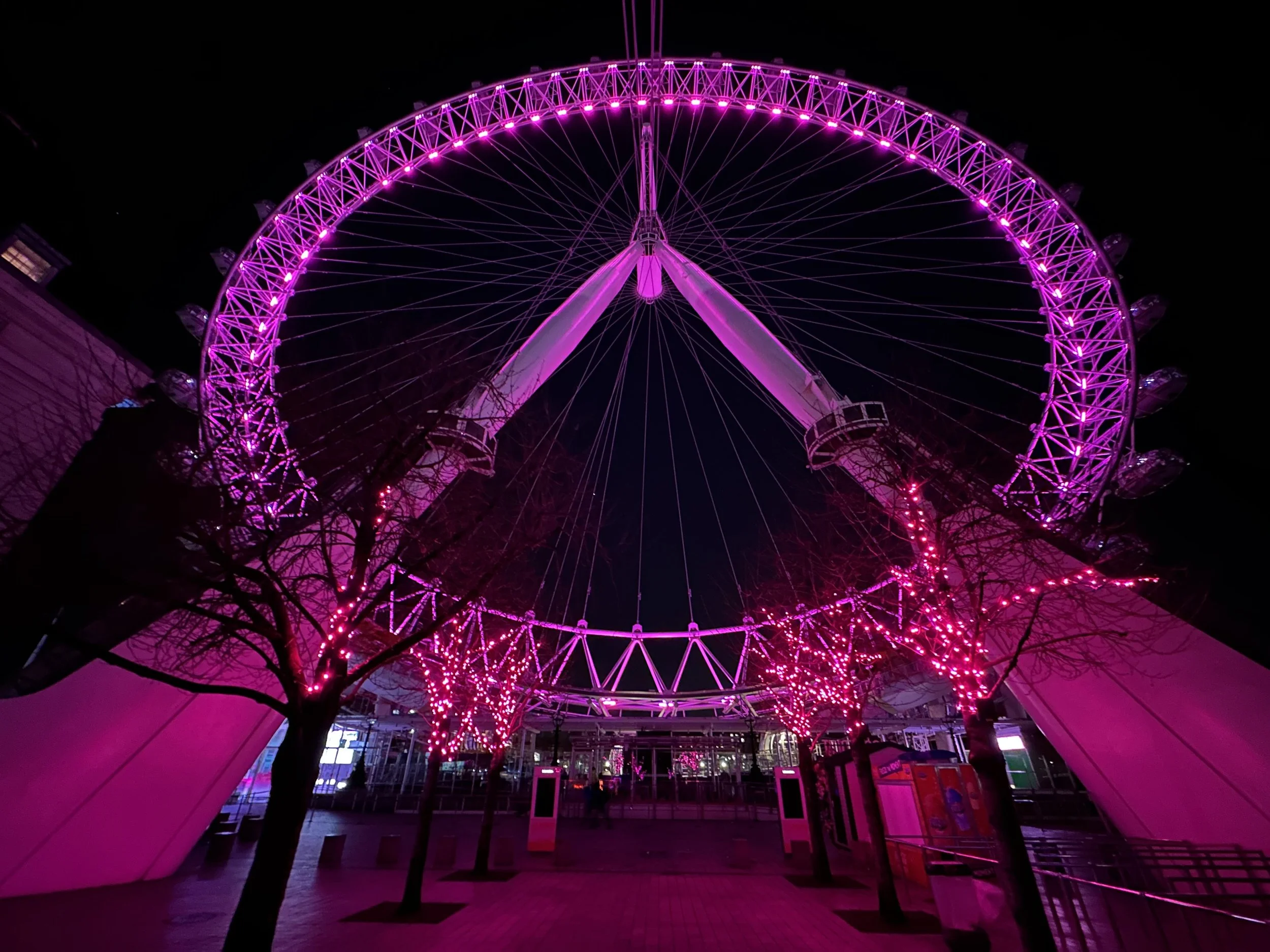
Kids first Red Wings game in San Jose. After a day at the beach, naturally. Cali life, amirite?

Stamford Bridge for “Monday Night Football” and a cross town Derby with West Ham. I’m not the biggest Chelsea fan by any means, but I’ve got to give props to their fans for their quick wits and songs flawlessly directed back at the visitors. Also, Stamford Bridge is a very cool and intimate venue for such a big club. Hope it stays that way, given what all the other big clubs have been doing with their stadia…
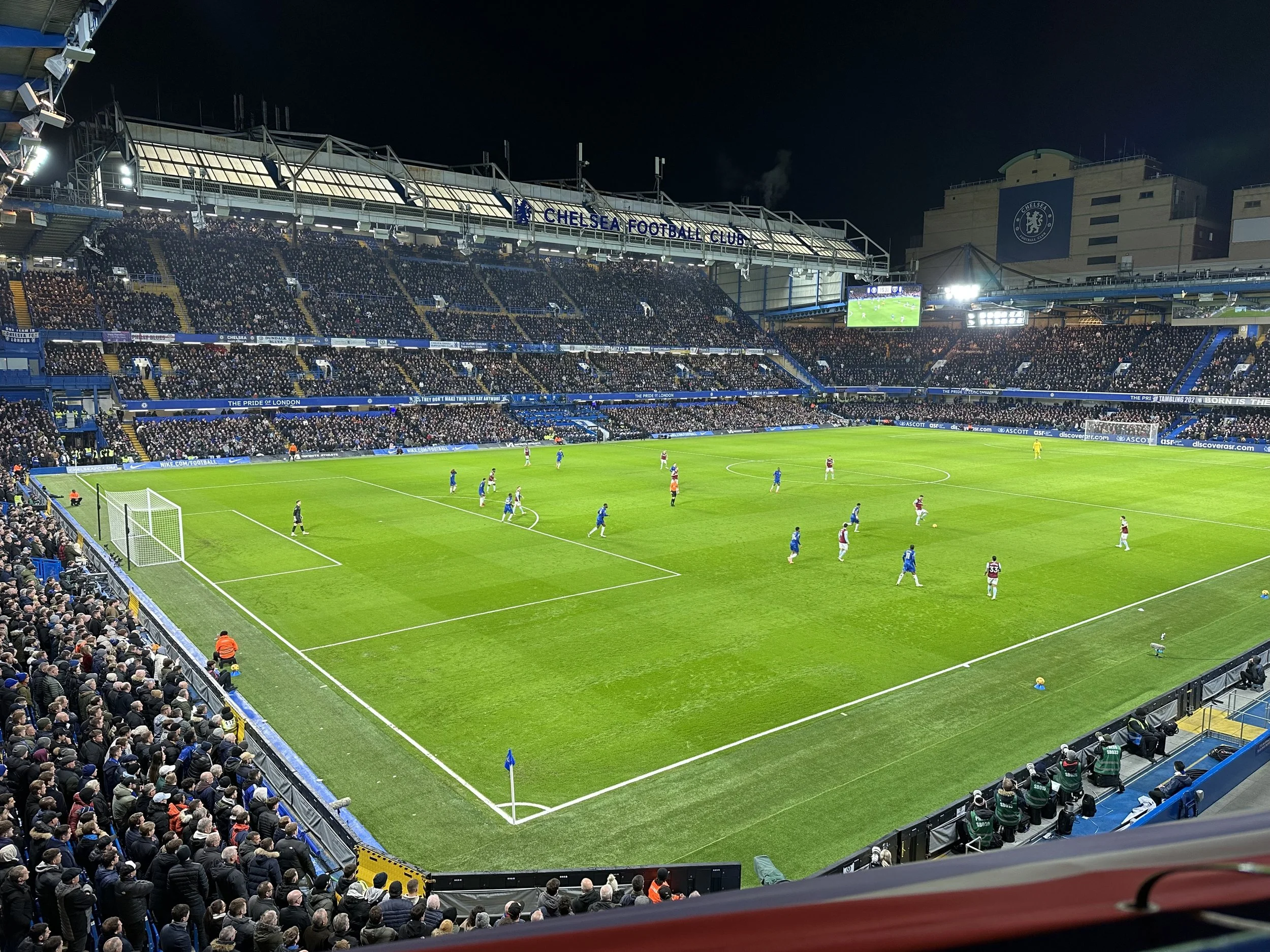
Few top end sporting clubs in the world where you can get a view of the pitch this close

Driving through rainbow squalls in and out of Lincolnshire cranking Veronica Falls. For being the flattest, plainest landscape in England, I sure remember a lot about this enjoyable drive and the evocative bits of architecture passed by.
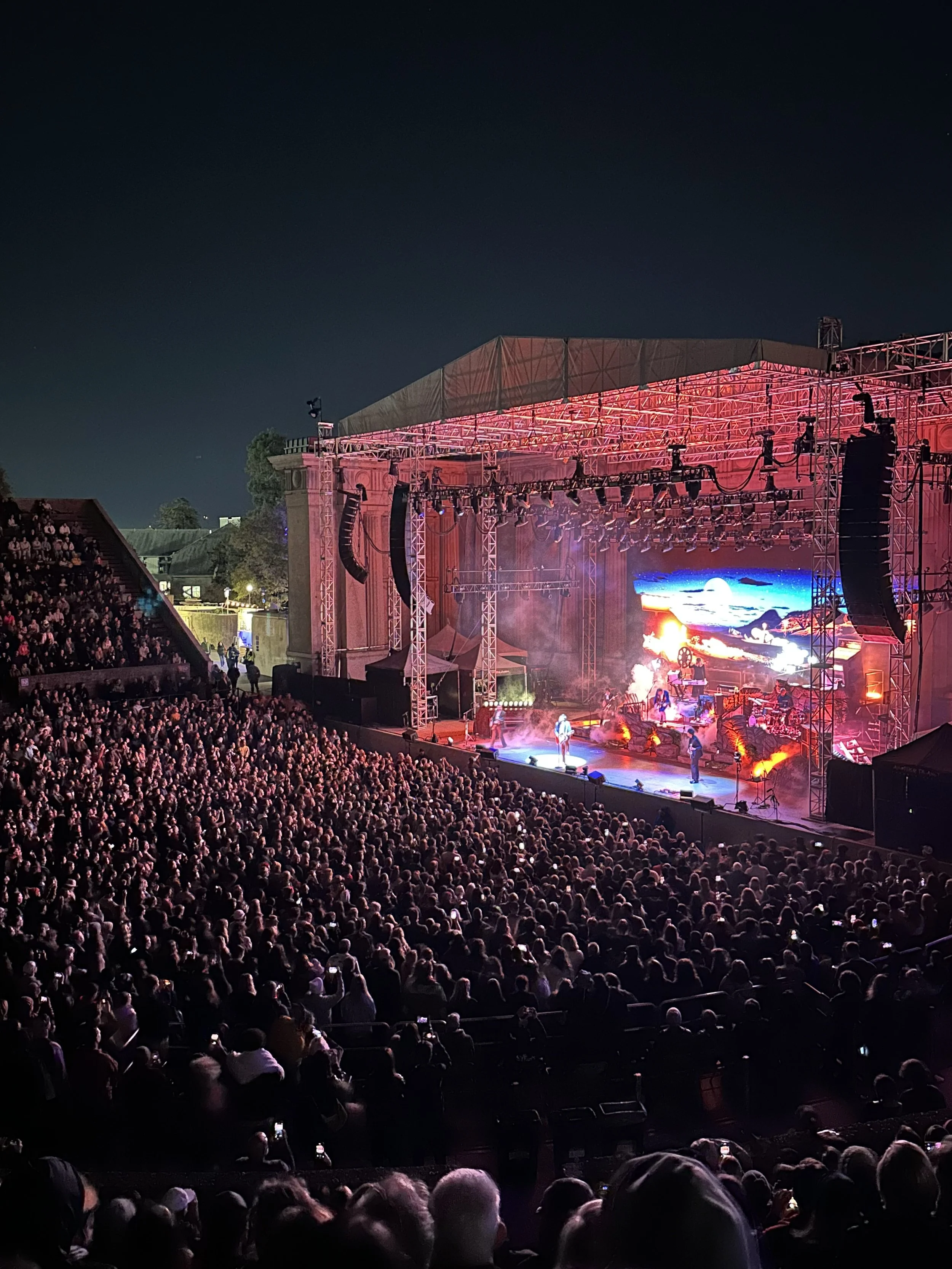
Cosmic Selection in Berkeley

Going to a rare concert with my bride and hearing our wedding song live—Lord Huron at The Greek Theatre. Part of the show was galactically themed for their latest album “The Cosmic Selector,” replete with mystical planets and shooting stars. At one point in the sky above the stage, we both saw a real shooting star, which took us a few moments of stunned questioning to confirm it was indeed real. Cosmic Selection, perhaps…

My kids with my cousins’ kids watching the fireworks on my Grandparents’ lake. It was like watching my own memories in real time.

Exploring Cambridge with the family. A town laden with eclectic old architecture and colorful fine details.
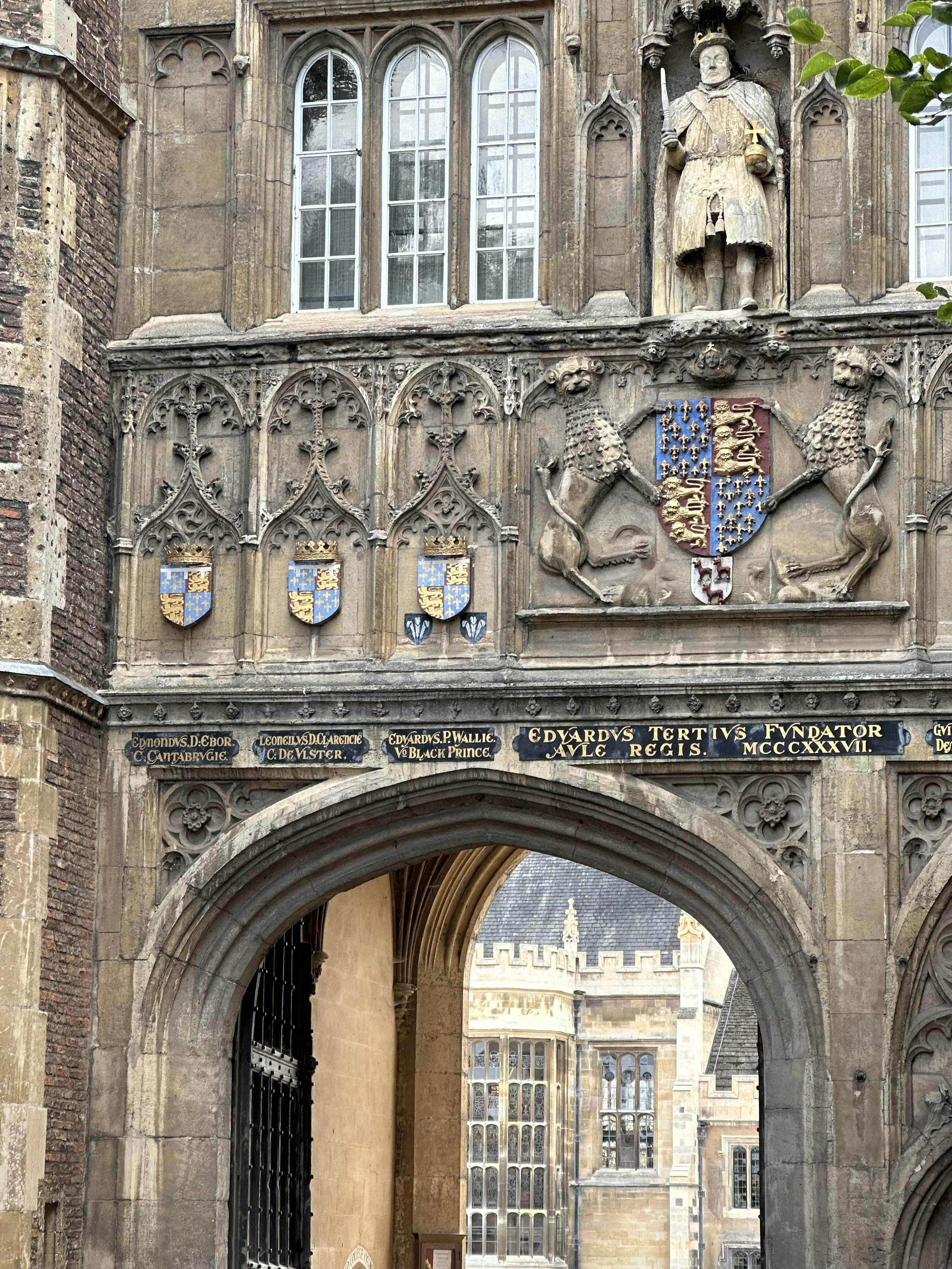
Cambridge and its world renown university—a collection of eclectic and colorful details.

Drives up and down U.S. 101 between Monterey and Paso Robles. That stretch of road is my happy place.

Having a leisurely walk around Horsham in Sussex before my afternoon round at Hankley Common. Courses were all full for the bank holiday, but no problem as that leaves time to explore old streets and architecture.

Popping into Villa Park for a Saturday match on the way west to Kington. It was a last minute decision, and I had to drive, so after finally getting parked I couldn’t quite make kickoff. However, this led to the sensation of hearing the crowd’s first chants and songs from just outside the stadium walls, which was an intense and chilling moment I’ll never forget. Seeing the colorful, ornate, gold-gilded facade of the old stand after the game was another highlight. They don’t make ‘em like that in our country! (nor theirs, anymore…)

The old original facade of one end at Villa Park

Villa Park actually feels like being in a park (because it is)


A word of thanks, and what to look forward to in 2026…

Thank you to all who helped on a project, let me join in on a project, welcomed me to your golf course, shared your time, teed it up with me, or entrusted me to begin a new design endeavor with you. The golf world is truly special and full of wonderful people.
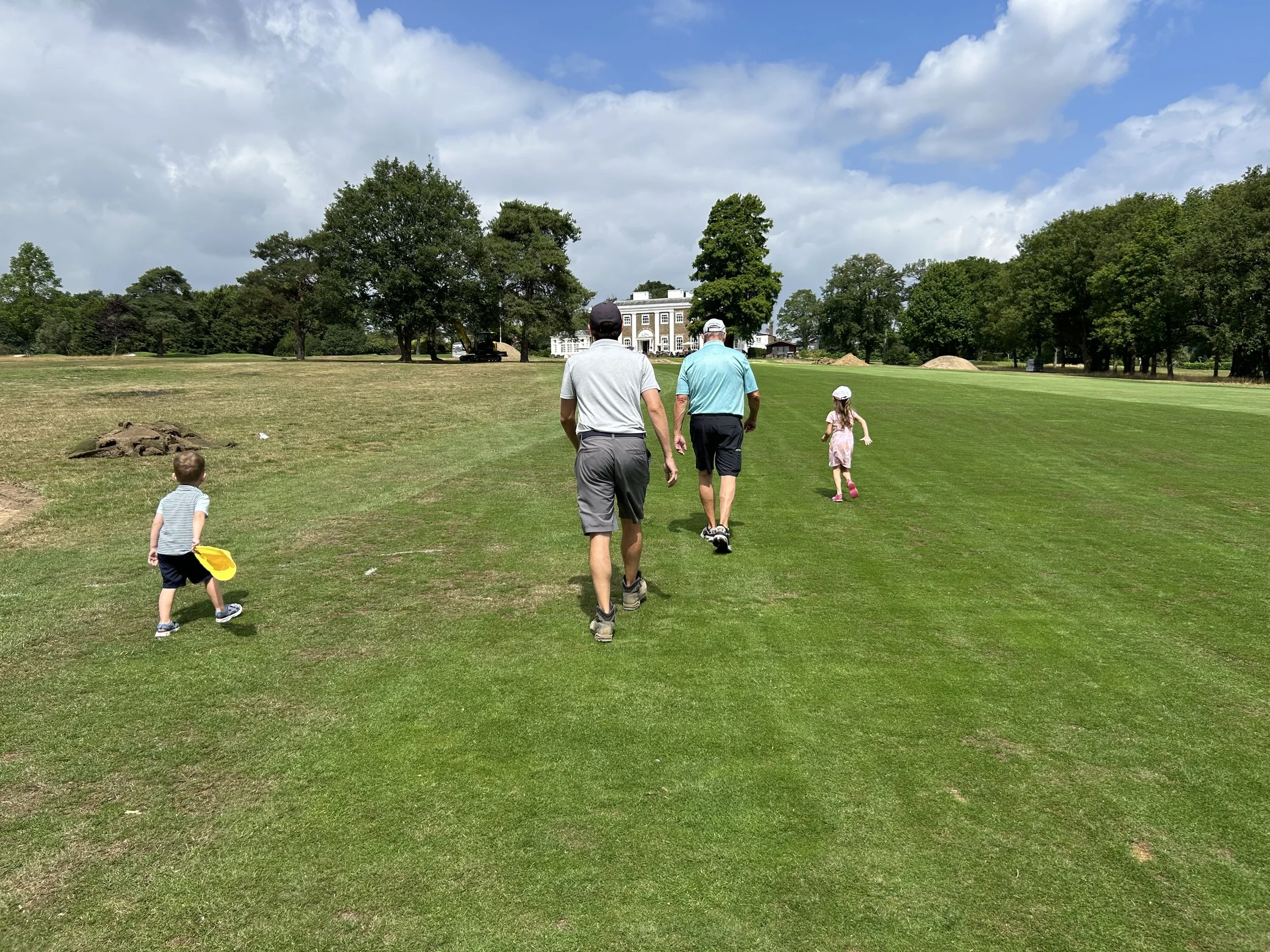
Onward from Hadley Wood toward 2026

Thanks again to the Mortons in Sacramento for continuing to work with me in finding the best ways to make Land Park and Haggin Oaks what they ought to be.

Thank you to shaper Lloyd Zastre and new superintendent Lonnie Dunn for your help executing a successful tee redesign project at Land Park.

Thank you to Gaylord and Trevor Schaap at Northwood for bringing me in to help out at one of the world’s great 9-holers, and thank you to Justin Schaap (as well as Trevor’s daily maintenance team!) for all your help on the tee project this fall .

Thank you to Santa Maria CC and Matt Murphy for bringing me in to look at your property and see what is possible there.

Thank you again to Clyde Johnson for letting me help realize your master plan at Hadley Wood. It was a lot of fun in a great place with great people. Thank you again to Peter Thompson for your constant help throughout. Thank you again to Warren Bolton and Profusion for keeping things moving along and keeping our work intact along the way. Thank you to Andy Appleby and the Finish Golf crew for your careful work in the difficult conditions during the winter phase. And thank you again to the Club, particularly GM David Jackson and Captain Paul Dackombe, for your wonderful support and welcome before, during, and after the project. It’s truly appreciated, and I can’t wait to get back someday soon.

And as always, thank you most of all to my family who deal with this unusual life and passion of mine, also sometimes dragging yourselves all the way across the world, as you did once again this year. It’s not easy, but it’s also a lot of fun. I appreciate every bit of it.

We are looking forward to what could and should be a great 2026, with more work on a Santa Maria vision, starting the first substantial phase of work at Land Park (the ‘Himalayas’ putting green), probably some more small projects at Northwood, and a more substantial return to the dozer/excavator seat helping out on Jay Blasi’s reimagining of nearby Sequoyah Country Club. We’re looking forward to all of it, as well as the other things that may soon come to reality.

Thanks everyone for reading (especially if you got through it all—I’ve got to somehow cut this down (or stop going to so many great places ;) )). I appreciate your shared interest in this great world we call golf. Please reach out with any thoughts or comments, and Happy New Year!

Cheers

-Brett
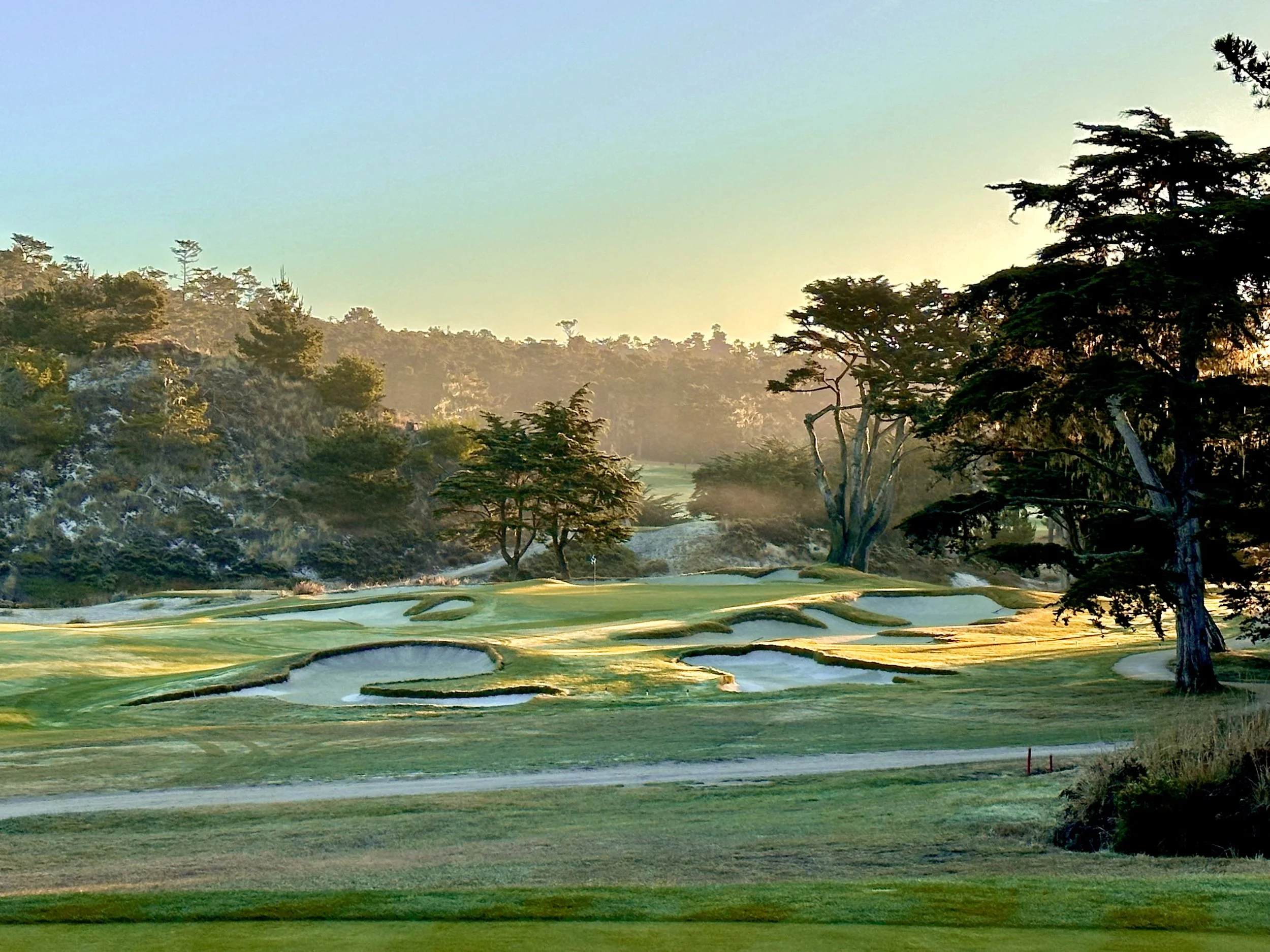

The World's Greatest Stretch of Bunkering by Brett Hochstein

The “Where” might not be a surprise, but the sequence within may be.

In recent years, I’ve been enamored of a type of bunkering based more on sculpture and shadow than sand. Picture the long and elegant grass-faced trenches of a Langford or Raynor, the slightly sharper and more varied versions commonly associated with Ross (too commonly, but that’s a different discussion), and, most of all, the eccentric, sometimes rugged pits and trenches of a Devereux Emmet or C.B. MacDonald. I’ll even stretch this to include the many old relic bunker features found across England, which are perfectly intact after over 100 years but just no longer have sand at their bases (some of which arguably may actually lose some character if sand were restored). Through , course walks, image searches, and actual rounds played, I’ve encountered and studied these bunkers and features with child-like enthusiasm.  There’s many things about them that I like, but what I think most captivates the soul is this: through texture, shape, and shadow, these pit-like bunkers have a way of telling you what they are without much showcasing the very element that defines them: sand.

On a recent course walk last fall, however, I couldn’t help but reach a conclusion that counters this personal grass-faced fascination of the moment: Cypress Point’s stretch of holes 2-6 is the greatest sequential collection of bunkering in the world. 

Most of you will know and readily understand that Cypress Point’s bunkering is very much NOT the style described above. It is instead classically (or perhaps even quintessentially) Alister MacKenzie. That is, the bunkering is sand-flashed, prominently visible, and artistically edged, with meandering capes, bays, nooks, and crannies that catch the eye as much as they do a Titleist.  The visual space the sand occupies over the landscape, as well as the detailed shapes and lines within that space, are these bunkers’ central Thing, a Thing that seeks to distract, deceive, and play upon both golf strategy and scenic beauty.

While the rest of the course—as well as MacKenzie-style bunkering on the whole—is brilliant, it is this stretch of holes 2 through 6 that most encapsulates each of those qualities above. These holes turn away from the ocean and head into the woods while only skirting along the central dunes of the property. It would thus make some sense that the Doctor would ramp up his architectural hand as a means of letting these holes keep up with the natural thrill rides to come later in the round.

The tee shot at the 2nd is longer and more harrowing the more left you go, but the reward is much greater.

Starting at the par five 2nd, you are faced with strategy, beauty, and visual tricks.  The tee shot is across a valley to a craggy, sandy ridge set on an angle from shorter right to deeper left.  An aggressive play over the longer carry left cuts off distance, but it also provides something else—a clear path and clear vision. Playing safely right and away from the cliff takes away a big number at the start, but a large fairway bunker set 400 yards down on the right half of the hole leaves you blind to what’s behind it while also forcing a carry directly over it, which gets more tenuous and long the more the tee shot is bailed right. For a longer hitter, getting home in two is much less in play from here—the land also hurting you with its right-to-left tilt—and getting on in three gets less likely with an increase in the things that can go wrong. The carry over the bunker is shorter the more left you go, but taking that route risks a pull running off into the deep rough and/or being forced to take on the large array of beautiful greenside bunkering along the left with your third. It is essential that you must take something on at the 2nd; the only question is when (and how often).

Above: the ideal view and angle from the left, and the semi-blind and difficult position from right-center. The green is totally blind from the right fairway edge. These two images are from the same distances and same levels of camera zoom.

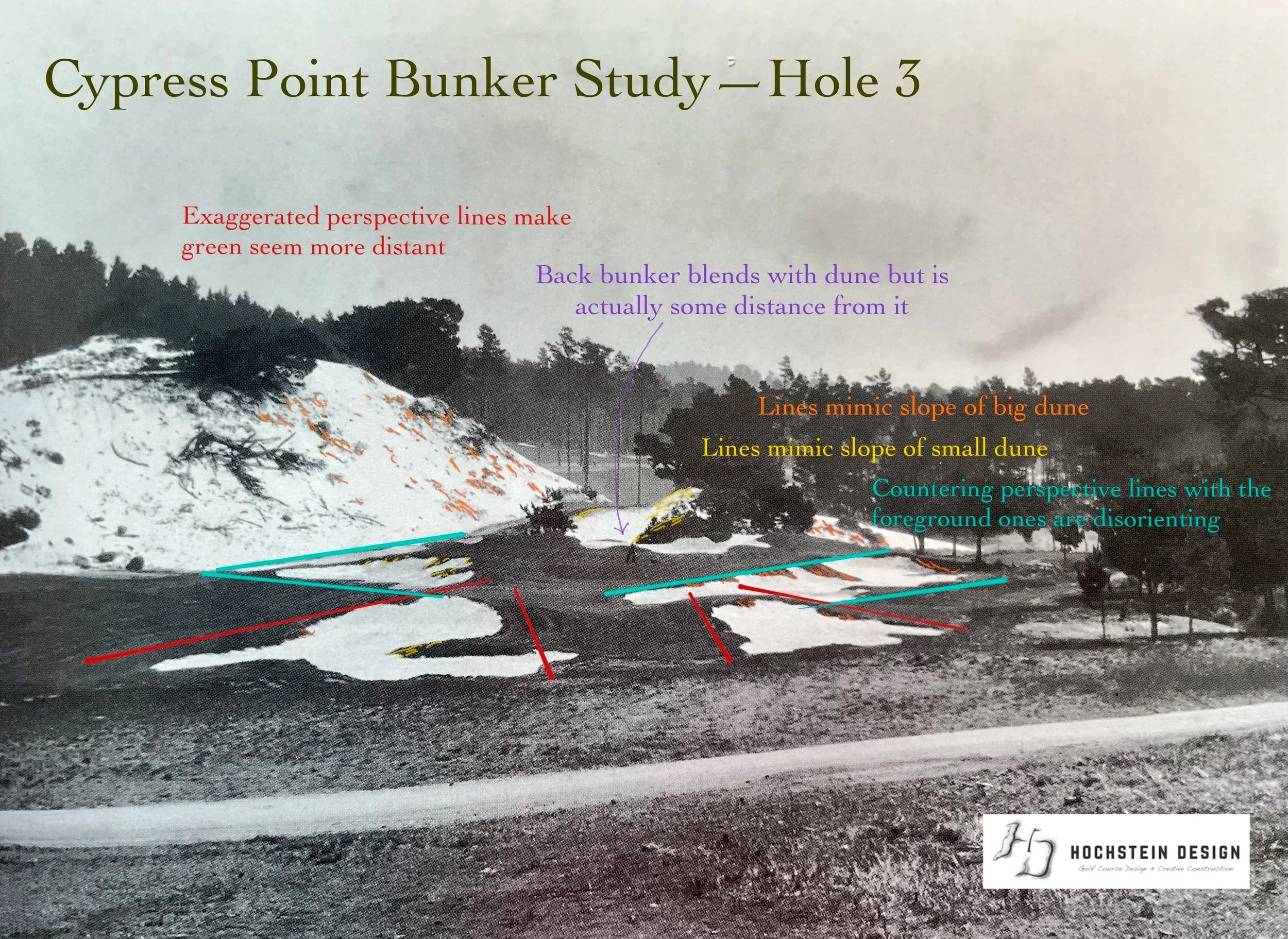
The 3rd hole, a par three, is less about strategy and more about beauty and visual deception.  The large fronting complex just on its own is one of the most beautiful bunker compositions in the world, but it also ties and visually leads into what is behind it—a prominent dune off which MacKenzie cleverly routed six holes.  Furthermore, the bunkers mess with depth perception. Some may lock in on the more foreground bunkers and think the green is shorter than it is. Others may more strongly look at the numerous layers and think the green is farther away than it is. Others yet will see the back bunker and think it is right next to the dune, also making the green seem farther away. Even in the age of range finders and yardage guides, it can cause some second guessing, and there’s not much more doomed to fail than a swing lacking confidence.

An analysis of the 3rd hole at Cypress Point, one of my favorite compositions in the world. Text is color-coded to match the sketch notes. Black and white source image courtesy of Geoff Shackelford’s incredible book Alister MacKenzie’s Cypress Point Club.

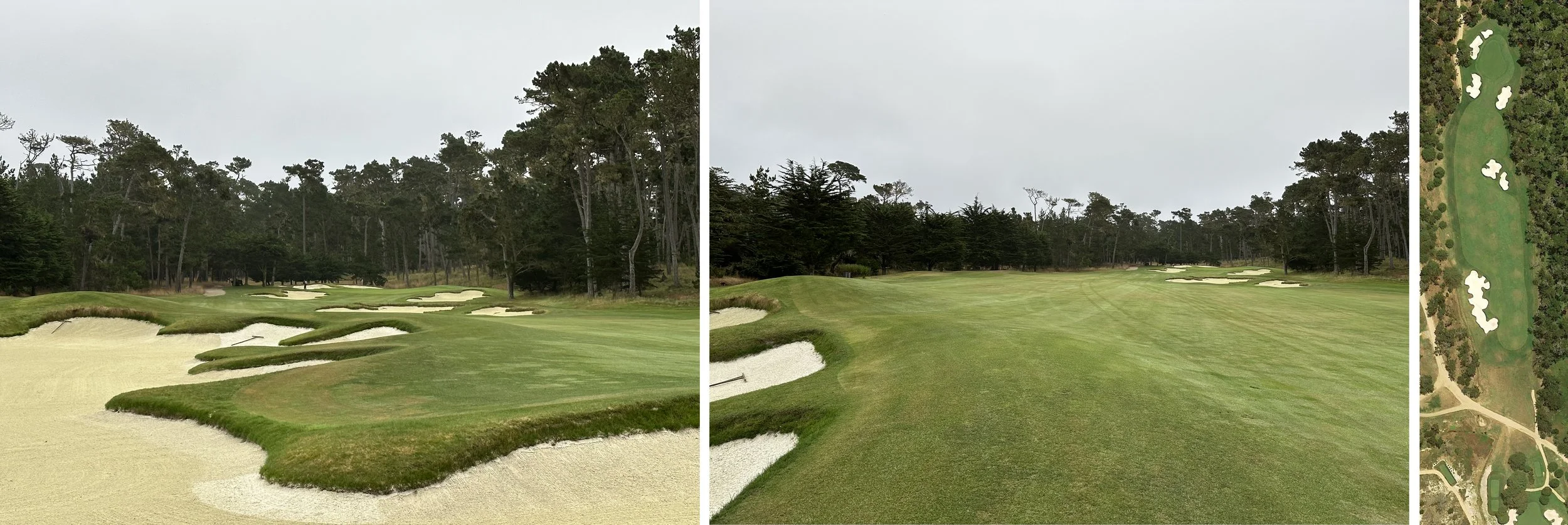
Hole 4 offers visual and strategic genius that I admit I did not fully take in until my second time walking around Cypress Point a few years ago. The tee lies low at the base of the aforementioned dune, and the hole plays subtly uphill and into the densest corner of the forest.  The lower elevation of this tee sets up the hole’s brilliance, a brilliance made by the bunkering. In the foreground sits a big bunker that, in classic MacKenzie fashion, looks like two due to a large broad flap of a finger dipping down below the horizon. Just behind this bunker lies another pair of bunkers and beyond that another bunker at the right greenside. All of these bunkers appear connected and present the golfer a large amount of visual discomfort as well as questions on where exactly to play.  

The view from the tee on 4 disorients and deceives the player’s eye

Not knowing how much room there is between these bunkers, if any, most golfers will likely play out to the right, which then presents another visually uncomfortable shot to a less-open green from that angle.  One could play more left, but a rise at the back of the first bunker obscures what might be fairway over there and makes it difficult to tell how far the carry might be.

The truth is, there is a ton of room between the first bunker and second set (about 75 yards, to be exact), as well as between that set and the right greenside bunker (~40 yards). Yet from the tee, they all appear chaotically connected, deceptively pulling the green towards the start of the fairway and, vice versa, the start of the fairway toward the green. Viewed from above, it’s a reasonably straightforward hole with some staggered bunkers here and there. Viewed from the ground, it’s a confusing and intimidating mess of sand.

The second image and aerial show just how much room there is, despite what looks like none in the first image.

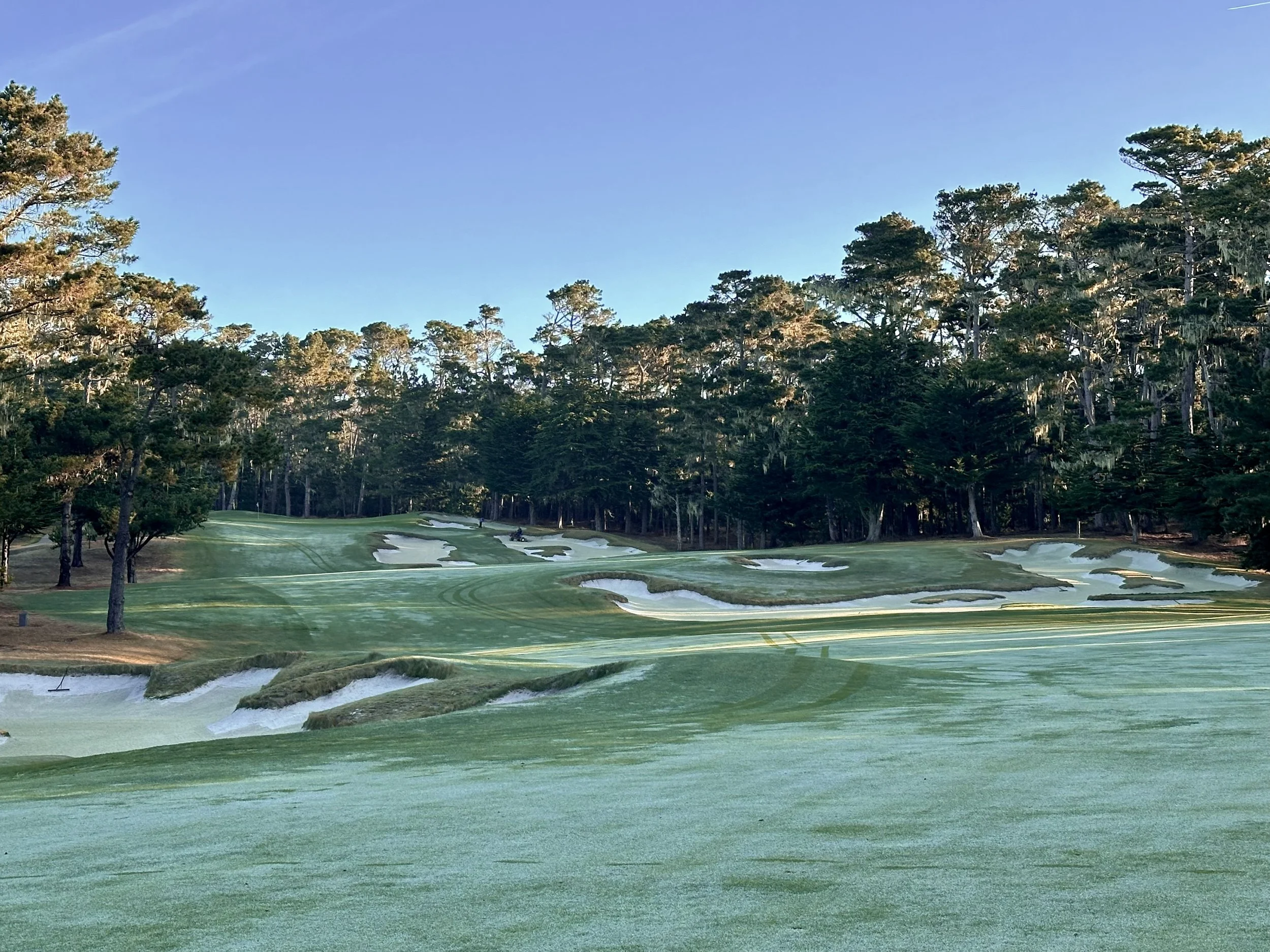
The height of this epically bunkered stretch is the 5th, a dogleg par five bending left and tumbling up and down through the woods. It happens also to be the only hole on the course with no relation to a dune formation or the Ocean, so again it makes sense that MacKenzie would ramp it up to the point that one could argue this is the best bunkered hole in the world.  At the tee, you can see only two things among the trees: a mess of bunkering in the left quarter of your frame, and a bunch of fairway right that seems to dive to the left directly into said mess.  A bold play toward the bunkers and carrying far enough can leave the potential for going at the green in two. A shorter tee shot and/or one played out to the right will be left with a discomforting conundrum for the second. Take one look and consider what you might do:

Doesn’t look like much room to hit anywhere, does it?

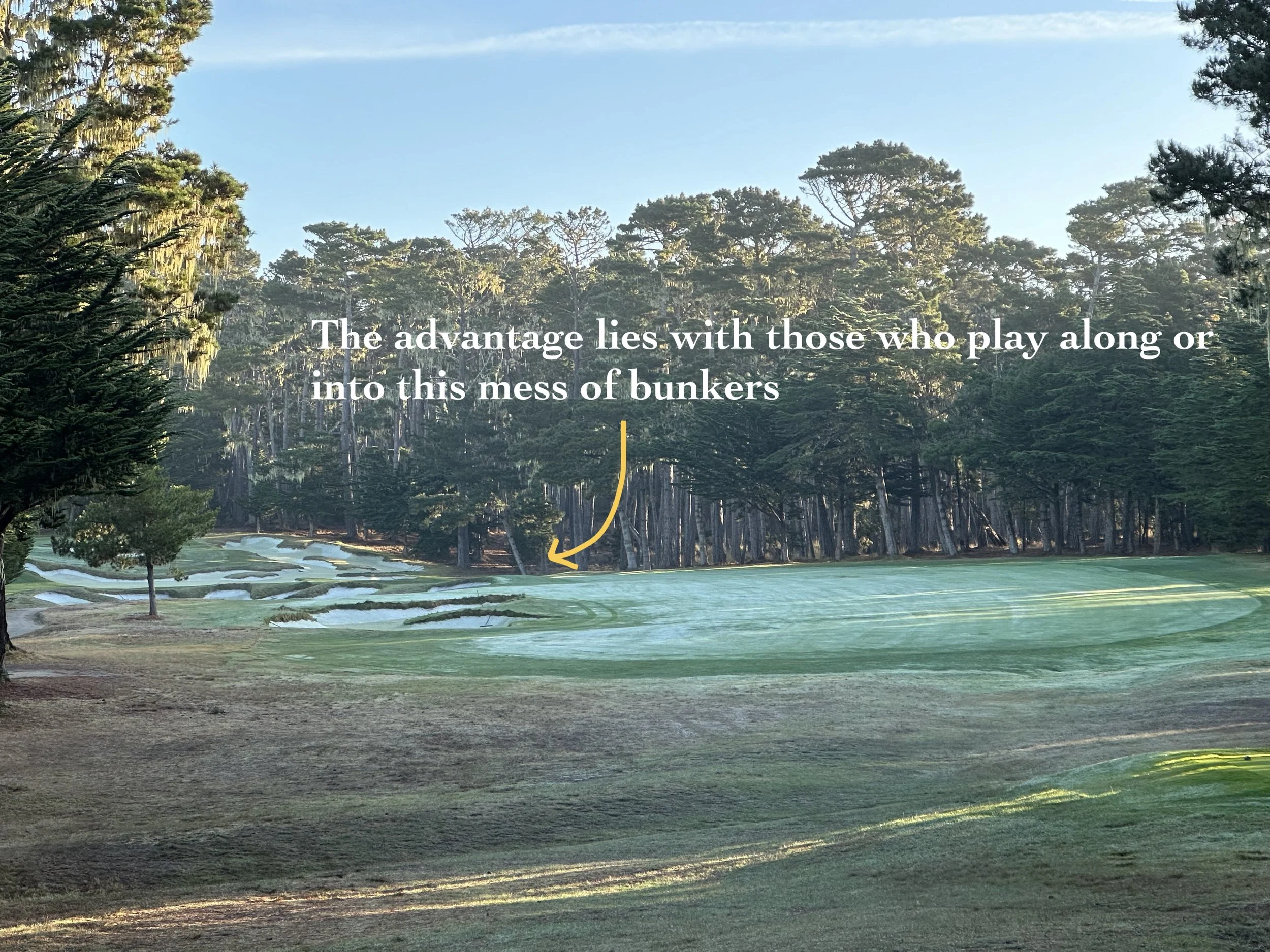
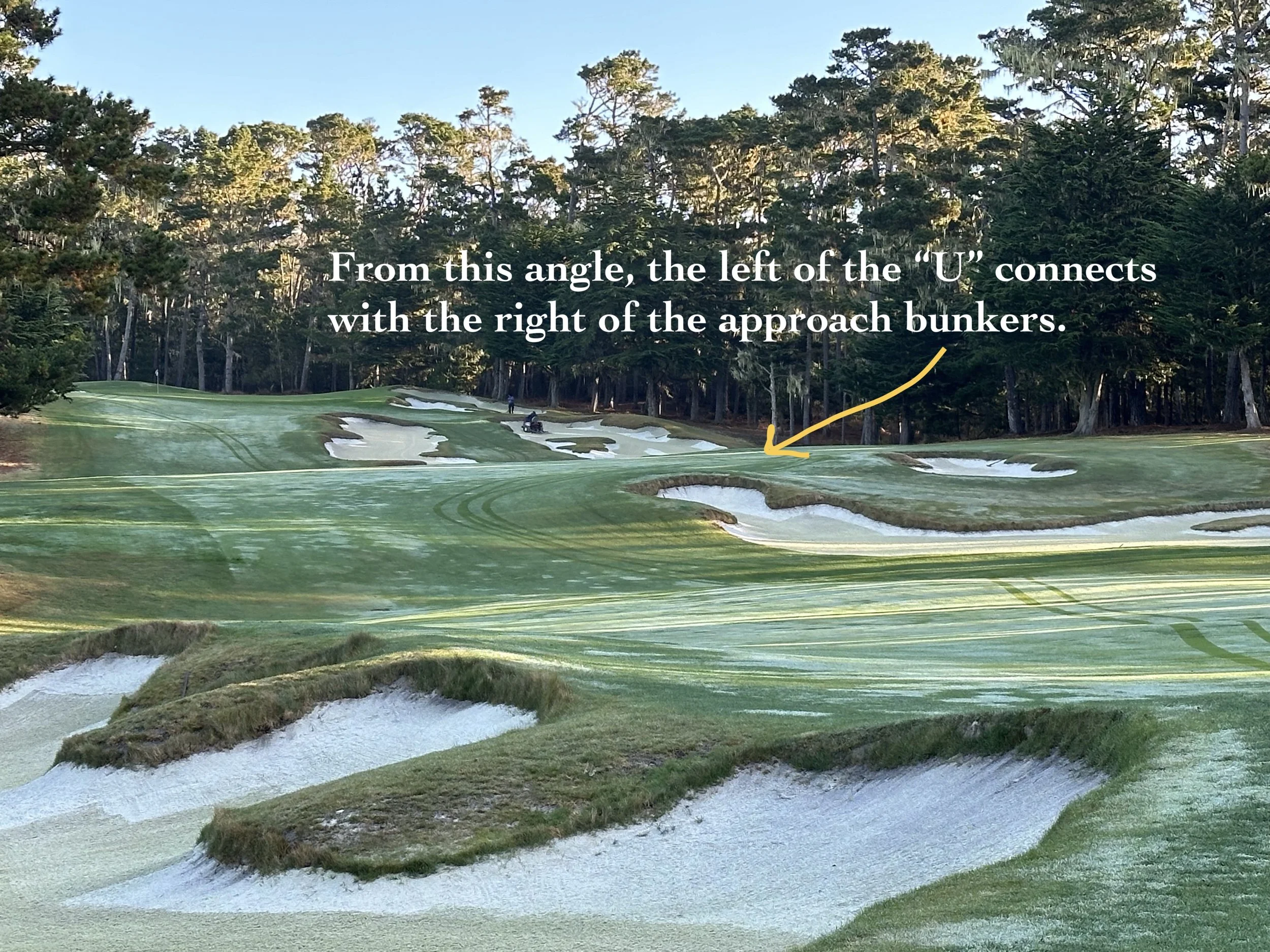
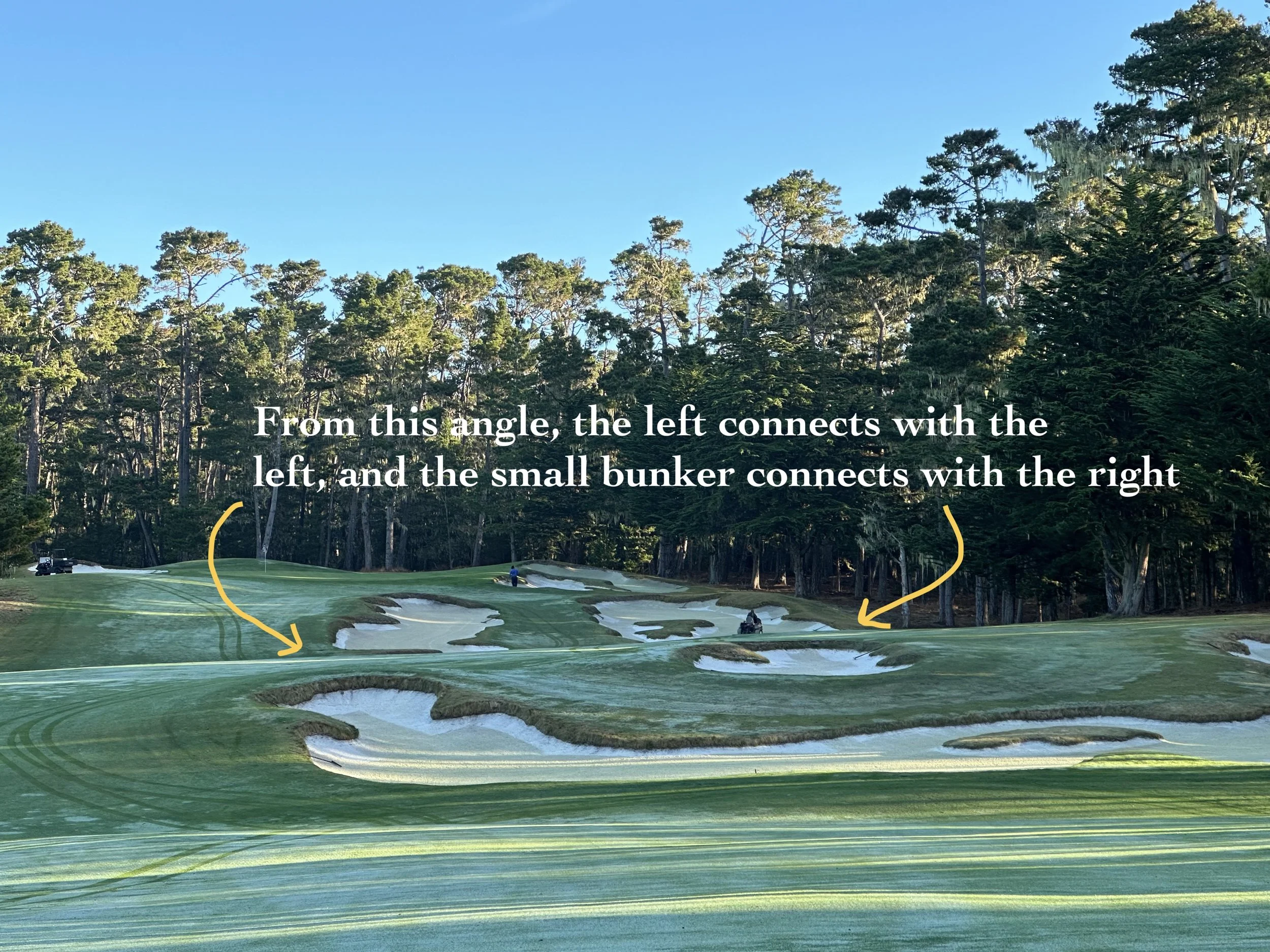
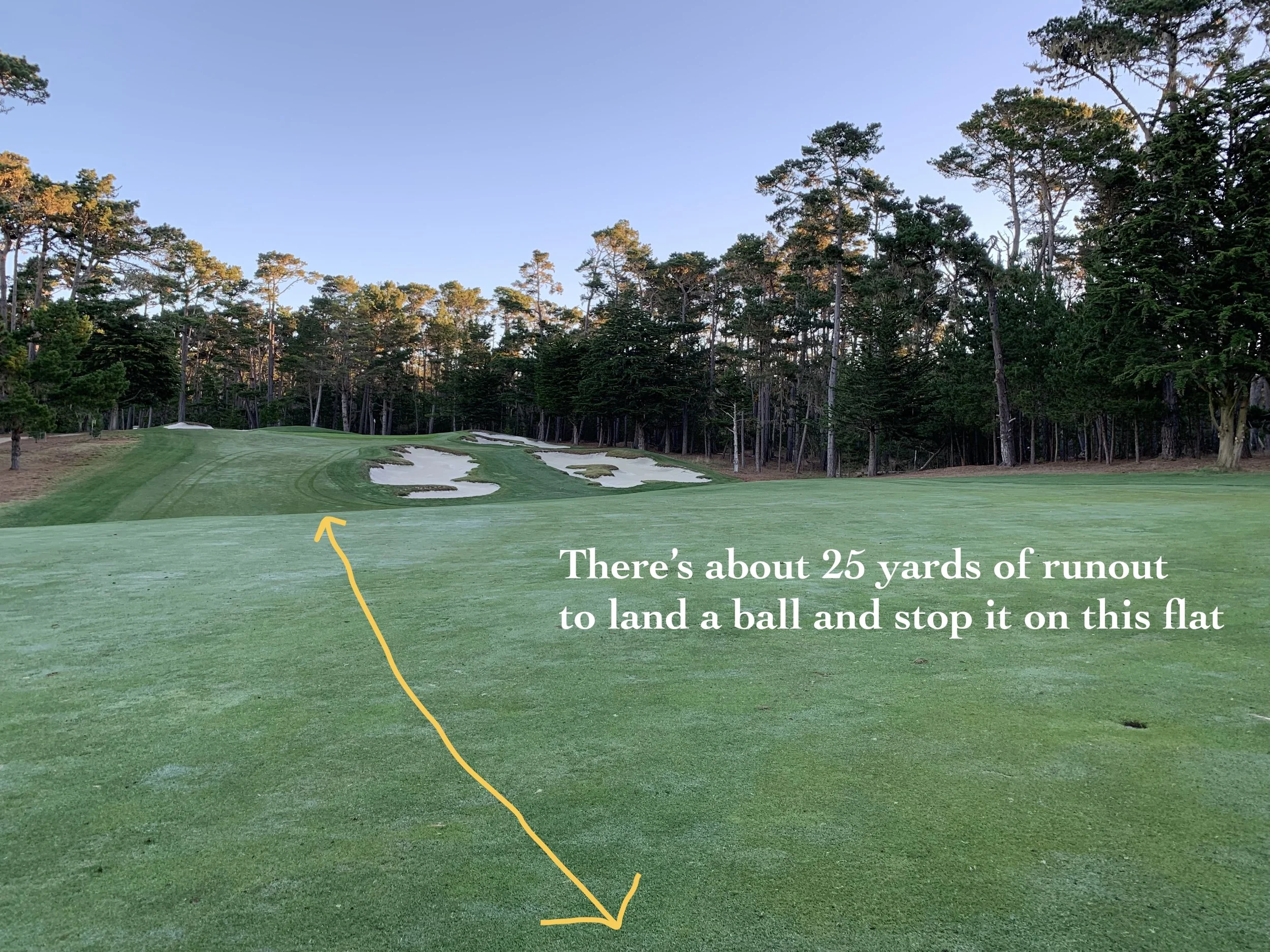
The bunkers chase up the large rippling hills in the fairway in such a way as to maximize their visual impact. They are also carefully positioned so that from certain angles, the set on the more distant ridge appears to be a continuation of that on the nearer ridge. It makes the player want to steer left, bringing the woods into play. Or, for those recognizing there is some space, the bunkers on the first ridge will likely push the player down into the bottom of the dip between ridges, which leaves an uncomfortable, blind uphill pitch into the green. In reality, there is plenty of room (~25-30 yards) to land a ball and hold it on the top of this ridge to get that flat lie and full shot.

In addition to the strategic and visual problems presented, I just love how unusual this overall composition is—the giant “U”-like bottom right bunker, the islands, the isolated middle bunker that reaches right into the larger one on the next ridge—it’s unconventional, even for MacKenzie.  Unconventional, but beautiful and brilliant.

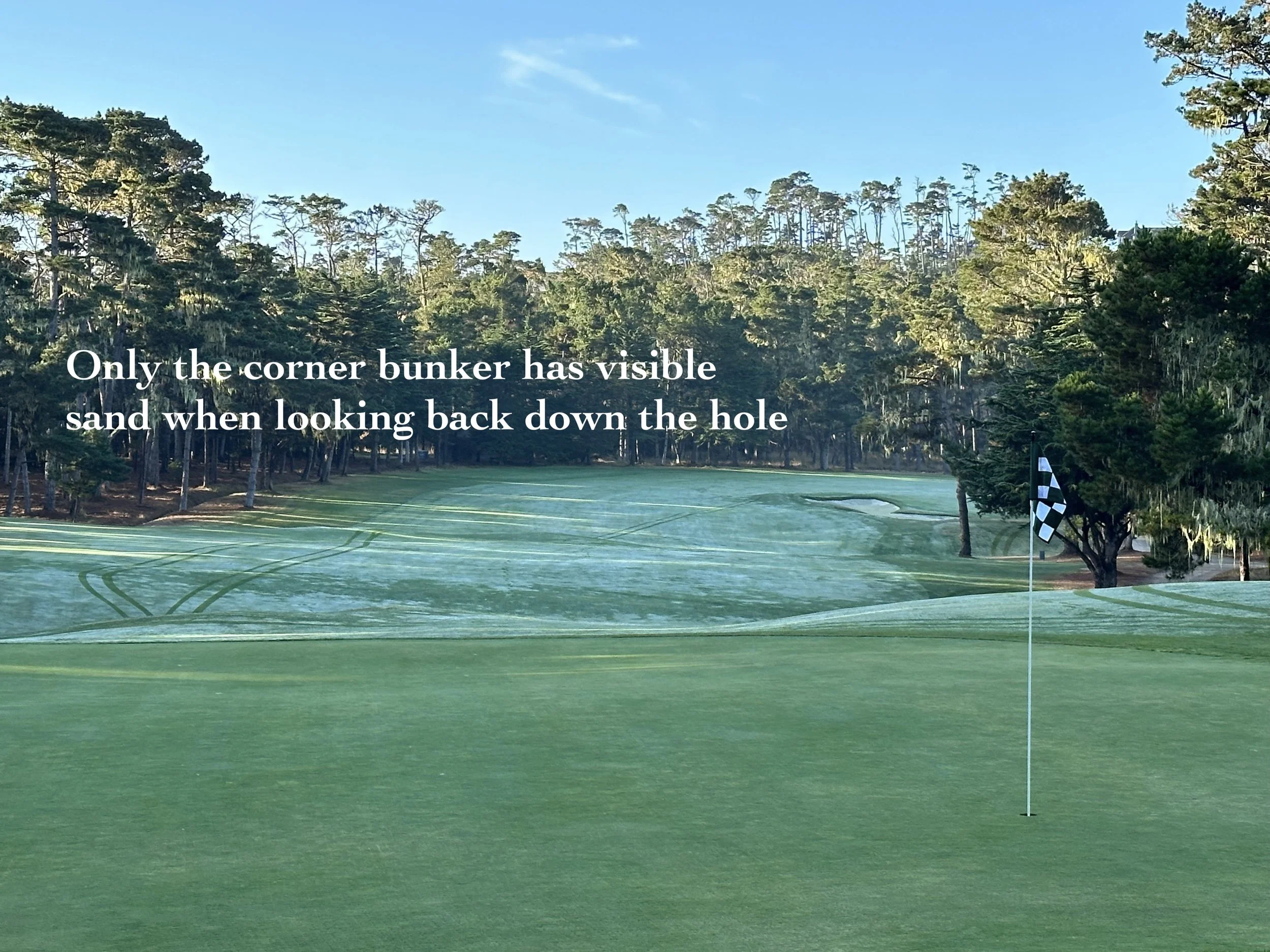
When you get to the end of the hole at the back of the green and you look behind you, almost none of the sand you just did battle with is visible. The MacKenzie maxim of one-directional camouflage—bunkers only visible from the angle of attack—is at its peak here.

The 6th caps this all-world 5-hole run with a counterintuitive strategic problem at its start and a stroke of beauty at its finish. On the tee shot, the bold right-side fairway bunkers at the crest of a hill reward a play over them instead of taking the direct attack down the line of instinct on the left, where trees and other bunkers will stymie the second shot. Instead, carrying the bunkers will give the rewards of vision and a clear path. Along with that, the boost given by the downhill speed slot behind them can give even a moderate length player a chance at getting to the green in two. It’s a magnificent view into the green also, which is benched right into the big central dune ridge, and the bunkering perfectly accentuates and plays into the natural sand of the dune. It’s a perfect introduction for what’s to come as well as a perfect capper to what you’ve just experienced.  

Above: (Left)—the tee shot at 6 is best played out right over the bunkers, (Middle)—the more direct line left leaves trees and bunkers in the way of the green, (Right)—the right line over the bunkers provides a clear shot and view to the green and the artistically blended dune bunkers backing it

There are a lot of other outstanding bunkering moments throughout the round—the dune bunker on 9, the camouflage of bunkers and dunes at 13, the wicked cluster around the wicked cypresses on 17—but there is nothing as complete and encapsulating of MacKenzie’s ideas as the 5-hole stretch of 2-6. There’s visual deception. There’s creative and naturally-blended form. There’s camouflage. There’s clever use of strategy. And maybe most of all, there’s the appearance of the holes being more difficult than they actually are, which either leads players to doubting themselves into poor shots or thrillingly pulling off what they feel is a great one. 

MacKenzie took the most subdued stretch of the property and—with bunkering—injected thrills, challenges, and beauty that could hold its own with the world’s most spectacular golfing ground in the dunes and on the cliffs. That on its own makes it the best. A deeper look only solidifies it.

Chasing Sepia: Bunker Restoration at Pasatiempo by Brett Hochstein

Hole 18 at Pasatiempo with its famous cascading front bunkers—taken some time in the early 1930s

As has been noted elsewhere, I was fortunate over the past two years to help out on Jim Urbina’s (further) restoration at Pasatiempo. I say “further” because he, alongside Tom Doak and various crew members from the Renaissance Golf team, already did a multi-year restoration back in the mid 2000s. The work done was really fantastic, and I can’t say enough about what the crew was able to accomplish, knowing both what they started with and what their sorts of limitations were.

With that pre-2000s version of the course, the routing and general shapes of most greens were still largely intact , but the aesthetic parts—bunkers, trees, etc.— were a long way off from MacKenzie’s time. Bunkers were missing or in different spots, and none were in a Mackenzie style at all following big renovation work by Robert Trent Jones over the years. Trees also overcrowded the corridors and blocked views, and critical features like the barranca short of 12 green were missing or completely different. Jim, Tom, and that crew had to start from scratch in many cases, trying to find common-link starting points from past pictures and aerials, and interpolate from that as best they can. They really did a lot of legwork in locating bunkers, measuring out their proportions, and bringing them mostly back to their MacKenzie form. They succeeded so well in doing this that I believe it to be a big part of the concern and uproar over this latest project when it was first announced. It was great work, and it really made a lot of what we did on this latest go-round that much easier.

They were also limited in what they could do though, for many reasons, and some of those limitations are what drove this latest project to happen. Greens were off limits, as were many tie-ins into them. Work zones were probably more restricted as well. Cart traffic drove some decisions. And of course, there is always the constraint of time and the rush to get holes back fully open for play. As such, there was a lot left on the table that those guys would have loved to get to and address. And that’s where many of the opportunities here in 2023 and 2024 were still waiting for us.

In this post, I don’t want to get too deep into the nitty gritty of the project work, nor do I want to get much into the greens. Those are discussions for a different time and place that should involve more people, especially Jim. What I want to do here instead is share some pictures comparing this recent project work, particularly the bunkers, to the 1929 and early 1930s sepia-toned photos from just after the course’s opening. Those photos effectively served as our “plans” for the project, especially for the stuff that’s easier to see like big contours and the bunkers. Wherever we could, our goal was to build things back as closely as possible as what could be seen from these photos, along with assistance from the 1931 aerials, one of which had great detail but only showed some of the front nine and another that showed the whole course but was grainier and washed-out.

Trying to build back to these photos is a fun and challenging exercise. It is also not at all as easy as it may seem. For one, the pictures are often grainy and hard to discern details. You also have to adapt to changes in the ground over time, some of which are more subtle and undocumented. This part can be the hardest, because what you are doing essentially is trying to match 2-D to 3-D, and when that 3-D has changed and shifted (in addition to just being difficult to discern in photos—this is why great bunkers get photographed way more than great greens), it becomes a rather challenging and dynamic puzzle trying to make the 2-D fit.

The starting point of this process for me is to find out where the original historic photograph was taken. Again, this can be quite challenging, especially if a lot has changed. The key is to try and find common fixed points—a mound that hasn’t moved, a green edge that seems about the right spot, a house, a road, a mountain, a water tower, a tree (which has surely grown!), a further distant green or bunker, or often times at Pasatiempo—fairway ground contours. You then have to carefully look at those fixed points and try to spatially line them up as if your eye is looking at a 2-D photo. For example, if the peak of a mound in the old photo is ~20% to the right of a distant building on the way to a still-existing tree stump, make sure you’ve got that ratio matched up. Ideally, you have at least two of these points of reference, because doing so can help to “triangulate” your position, not only getting your angle correct but also distance, which is key to make it all work. To help check that your “eye” is right, take some photos at different zooms, and then put them in an album alongside the historic photos. Then you can toggle back and forth and see if it looks like you got the spot right. This process can sometimes take a couple hours if your available information is lacking or just harder to see (such as contours), and it really takes some self-scrutinizing and double checking to ensure it is correct. Even then you might find that a spot wasn’t quite right at first and adjust it later, as I did for one of the photos on 10 after the left greenside mound on 16 was restored, which was one of my (admittedly flimsy but still best) fixed common points used for the shorter approach picture. This was fortunately no problem, as only half the bunkers on 10 had been completed, and those still lined up pretty well to the old picture from the new spot.

Sometimes cross-referencing aerial photos can help, as it did in the case of hole 3, and sometimes it’s pretty easy and obvious to find your spot, as in the case of one of 18’s photos, using the still-existing barranca landform of the forward tee to line things up. Sometimes the picture is taken in a nice and close spot as it was on 13 (allowing for lots of quick checks), and sometimes it’s 500 yards away and up 100 feet of elevation climb, as it was on 1 (allowing not for quick checks but great for getting your exercise in). The goal to start though is finding that spot, wherever it may be, and doing your best to match the current ground up to that.

True perfection—getting it exactly as it was 90+ years ago, down to the inch—with this process, however, much like a perfect score in golf, is more virtuous than attainable. There are too many subtle changes and mysteries and too many other big things that have changed that you need to tie into. There’s also modern standards and expectations that need to be held to—such as having actual bottomed-out floors, something MacKenzie’s bunkers didn’t always have (some on really steep banks would effectively just have sand slapped onto the slope with the bottom edge serving as the lowpoint, not somewhere in the middle as you see with pretty much every other bunker on the planet). Grass types, maintenance practices, and drainage are also factors, as are general changing conditions of the site, such as many more trees or way fewer trees. So, you can’t quite get it perfect, but that does not mean you should not try for it. Perfection should still serve as your goal; it’s the amount of time available and historical importance that dictate how close you may be able to get. At Pasatiempo, we had both, and I, like many on the project, took the goal of perfection as seriously as possible, spending extra hours in the evening to ponder adjustments and using a shovel to make edits down to the inch. This project and this place deserved nothing less.

The following images show the results of that effort for a few of the more notable holes that Hochstein Design was involved with (which was about 2/3rds of the project). These efforts, to be clear, were also greatly aided by support and extra-careful finish/drainage work by the Earth Sculptures team, irrigation investigation by the course maintenance team, and important consultation and decision-making with Jim Urbina himself and Justin Mandon, Pasatiempo’s MacKenzie-minded course superintendent involved with every single element of the project.

With so many great restorations having been completed in the past 10-15 years, I don’t know how many more opportunities and projects there will be out there like this one. It was a wonderful challenge, though, and I’d relish the opportunity of getting to be a part of another one.

Hole 2

Hole 2, one of the first holes we all worked on, with its lone historic photo taken from short left

The front bunker is one of the smoothest and roundest-edged bunkers from the original design. There seemed to be a slight stylistic difference in that respect between this end of the property and the opposite far end at 13, where the bunkering took on a more rugged and irregular nature, something more like what you would have found at Cypress Point. It is an interesting difference and something I’m trying to find information on (information that probably doesn’t exist, but curious nonetheless). As such, the mantra always remained, “put it back as you see it in the photographs,” and here that meant moving some noses around and shifting the high points to match the broader greenside contours behind (which, like most spots, were drastically lowered after removing sandsplash+topdressing). The low backside, which you can’t see here, is based more on the aerial photo, and may have even more “going on” than the high side, which makes it cool to view from up near the green or on 3 tees.

With the green building up so much over the years, the back bunker mound and landform really had to be built up to match again. The far left part of it was extended left and built up slightly, just to keep every ball from resting up against the lip. Which is important, because this bunker gets a lot of play, especially with the new greens as firm as they are.

Hole 3

For fun and validation, I photoshop-copied Homer Hayward from the old photo right onto his approximate spot in the modern-day photo.

Hole 3’s construction story could probably take as long to tell as it did working on it (that’s a lot of big bunkers!), but let’s keep it short. Using a combination of the aerials and the above black-and-white photo featuring Homer Hayward, we were able to figure out the general spots of bunkers based on the house that was built in the 1930s, a couple of subtle landforms, and placing straight perspective lines on the aerials and figuring out where certain lines crossed, which gave us the approximate spot that the photo was taken. These findings were then validated after discovering original MacKenzie bunker sand buried deep below the surface, both on the back right pair of bunkers (low right in these photos) and the big arc-ing back left bunker wrapping around the green (top middle and right in this photo). It was that sand found in the high bunker (along with another hard look at the photo) that led to the restoration of that part of the bunker much higher up the slope, as opposed to greenside as it had been before. A look at decades of aerials further confirmed this finding, as did the shape of the old “floor” after that sand was excavated out. An incredible hole with incredible bunkers, and definitely the most fun and fascinating bit of golf archeology I’ve thus far gotten to be a part of.

Lining up MacKenzie’s capes and bays gave an idea of where the photo was taken from.

Extending the house lines in the 1940 aerial helped indicate both bunker and green placement, giving solid evidence for greatly expanding the front.

Hole 10

Studying the foreground landforms on hole 10 at Pasatiempo revealed a need to extend the bunker scheme further over to the left, which also fits the scale of the space and landform better.

Given the amount of things going on here, the obstacles present, the pesky groundwater, the apparent need to stretch everything further back down the barranca, and the crazy amount of fill material needed to raise the barranca floor and restore the left part of the “half-pipe” up in the approach—the front bunkering on this hole makes a solid run as being our personal biggest overall accomplishment on the project. With six bunkers down in the barranca, all of them with their own character and all of them playing off one another, this required A LOT of walking back to the photo spots to see how things were looking. Speaking of which, these photos took me the longest to find the spots, and after finding them they made it apparent that a lot of work needed to happen. Like everything else though, everyone else could see it and was on board with the work needed to make it happen.

Kudos to Theisen Downing and Israel Esparza for their great work in the back bunker; I enjoyed looking at it with them and helping paint it out. That was a tough one to put back after gutting out the stumps and roots of the ancient oak that was unfortunately lost the previous year.

The closer up view on 10 confirmed the need to “flash” that little bit of the first backside bunker (bottom left on foreground side), which in my opinion, even though it’s a tiny amount of sand, brilliantly ties together the whole complex and the further up right side bunker.


Hole 13

Saving perhaps the best for last on the project with hole 13 being the last one we helped out on before departing for England.

What a complex. This set of beauties, along with the double-winged green, really “make” the hole on what otherwise might be the most subdued corner of the property. These bunkers mess with your eye well back in the fairway, making distance-judgement difficult (at least in the times when you relied on your eye for that) and teasing a go-for-it attempt up the little runway in the middle.

Even though it may not look it, there was a fair amount of material hauling here and shifting some of the main positioning of edges and lines, getting them to match more closely to the aerials as well as eliminating a cart access way in between the two big right bunkers. The previous work was so well done, especially considering there was nothing to start with, that it took a lot of scrutinizing the pictures to notice the need for those edits.

This was the last hole we got to work on, getting in to everything except the left greenside bunker, which Israel and his guys did some nice work on. What a treat to finish with though. They say something in golf about “that’s the shot that keeps you wanting to come back.” Well, these bunkers were that “shot” and left me wishing we had another nine tucked away somewhere to work on the next summer. Fun stuff.

Hole 16

The further back in the fairway view of 16 at the tail end of grow-in.

The closer up view of 16 offers the rare case where there were more trees in the historic version of the course.

Hole 16 was a real point of focus on the project, and how could it not be? It was Mackenzie’s proclaimed favorite par four, after all. I’ll leave a lot of the discussion, particularly the green, to Jim and Justin in Matt Ginella’s excellent documentary video series put together by his Firepit Productions team. I will make a few notes about the bunkers though, both of which benefitted greatly from the restored and re-fattened contours tying into the famed green above them.

On the right, the main points were shifting the fingers down closer to where they appeared on the photos, getting the curves in the lowside back, getting the finger and bays of the far right back in place, and trying to get the little “hook” back on the front left corner. With tight spacing and modern drainage (and stance) standards, no one was sure if we could get that back, but it was certainly worth a try, a try that we were ultimately successful with, thanks again to extra efforts and care by the Earth Sculptures crew. This was a bit of a strange one to translate from the old photos given apparent changes to the barranca (read: wash-aways) and the lack of trees on the right today, but I think it works well for the current space.

On the left is what I believe to be Israel and his crew’s finest work on the project. It’s my favorite bunker of that size on the course, and I think they (as well as the Renaissance guys before) did an awesome job really capturing its unique shape and flow, particularly the way it vanishes out to the left.


Hole 18

It was pretty easy to find this old spot for 18 given the existence of the front tee landform.

Last but not least: the 18th hole and its truly unique-for-its-day front bunkers spilling down into the canyon. I’ve long been fascinated with these bunkers, and I was absolutely thrilled when finding out last time around that Renaissance had brought them back. It was definitely a dream come true then to get back in there and freshen them up again, this time being able to properly tie them into the green with bigger landforms that had gone missing over the years. With as big and steep as these are, this was a rare case of needing to build the top half from above first, then tracking around down low to finish the rest from the bottom.

Another item of note was getting the spacing back on the back bunkers. Israel handled the left bunker and myself the right, which was built up more of the right side, tying in to a reclaimed raised landform to the right of the green. It was also a bit of a trial run at restoring a small “hook” bay of sand, which we’d want to put back on holes like 16. As usual, the drainage guys were able to find ways to drain it while keeping all the little MacKenzie details—no small feat!


As is typical of these posts, I ended up writing more than I set out to, but I hope it helps give some insights into the restoration process at this incredible masterpiece as well as of golf course construction in general. It’s easy to be critical of design and construction work (guilty as charged myself!), but there’s often good reasons for various decisions, both big and small. I’ve really only scratched the surface of such here; the amount of obstacles and constraints encountered is large and daily, especially when exacting accuracy is your goal.

Thanks for reading, and thanks again to everyone involved in this special project, most especially Jim Urbina for inviting me along for the ride and trusting me with the high-pressure, high-stakes work of restoring to Alister MacKenzie.

2024 in Review: The Year of MacKenzie by Brett Hochstein

Hole 13 at Pasatiempo, where Alister MacKenzie’s distinctive bunkering messes with the eye and defends a greedy second shot

While the highlight of the year for Hochstein Design was undoubtedly the completion and unveiling of the William Land GC Master Plan, there was a distinct theme and focus to the rest of the year—our work at Alister MacKenzie golf courses. Pasatiempo and its back nine restoration with Jim Urbina surely gets most of the attention, as it should, but we also worked at Hadley Wood near London (Clyde Johnson project)—MacKenzie’s only surviving course in the south of England—as well as continuing the development of our restoration master plan for Haggin Oaks in Sacramento, with all the research (on-course and off), reading, and podcast listening that such a process entails. At one time, it looked like we may also help out on two other projects linked to MacKenzie, though those never worked out for us to join in. It’s truly been a fun and immersive experience, more deeply understanding the work of the Doctor with each restored contour and article read. We hope that we’ve given the Work its proper due in our contributions at Pasatiempo and Hadley Wood, and we are seriously excited for what could be re-gained at Haggin Oaks. It has been a fun puzzle thus far to try and solve.

The following is a recap of our work throughout the year as well the sights, sounds, and people that made it special along the way. Hope you enjoy!

Design Highlights

The master plan drawing for Land Park, with a strong emphasis on its important and influential Park and City surroundings.

William Land Golf Course Master Plan

In March, our master plan for Sacramento’s “Land Park” was finalized with delivery of the plan renderings and books to Morton Golf, the caretakers of Sacramento’s public courses. In June, at the 100 Year Celebration at the golf course, this plan was revealed to the public. Needless to say, this was a wonderful moment to simultaneously be a part of William Land’s deep past and its distant future that we seek to enhance and protect through the elements of this plan.

The plan acts not as a direct restoration but rather a restoration to the pre-MacKenzie American Golden Age, inspired by various architects such as Walter Travis, Devereux Emmet, early Donald Ross, and A.W. Tillinghast. The gentler site, historic parkland setting, and early 1920s time period lend itself more to something of that character. We believe that with shrewd design moves we can transform this special 9-hole course into something truly fun, visually unique to California golf, and as charming as the Park and neighborhood in which it sits. Major infrastructure and agronomic fixes are a part of the plan as well, considering water usage and maintenance to set the course up to thrive for another 100 years.

Haggin Oaks (Alister MacKenzie Course) Master Plan

We continue our careful and deliberate development of this most important master plan. We plan to present a full concept, emphasizing restoration, for review at the start of 2025. Stay tuned in the coming months for updates and developments on this rare MacKenzie municipal site.

(Above: some of MacKenzie’s wildly creative greens concepts at Haggin Oaks)


Shaping Highlights

Hole 18 Pasatiempo with its famous and unique fronting bunkers spilling down into the canyon

Pasatiempo Santa Cruz, CA—Jim Urbina restoration/renovation

Last year was the front nine and all the pressure of how this process would really go. This year was the back nine and all the pressure of delivering upon one of the greatest nines in all of golf. We finished strong though in 2023 with the big, complicated moves on hole 3, and that carried right over into 2024 and jumping right into things on the 18th hole.

The back nine contains some of my favorite bunkers anywhere in golf. I’ve been enamored of the 18th in particular since first seeing some old pictures of it around twenty years ago. How many other bunkers in the world are more vertical than they are wide? Not many, if any. So to work in those, and the array in front of the 10th, and the wild deceptive set on 13, and the awesome barranca-side beast on 16…well, it doesn’t get much cooler than that.

Each had their sets of challenges and amounts of work, all of which were a lot more than one would think when making direct comparisons to the excellent restoration work completed the last time Jim Urbina and Tom Doak’s crew was here in the 2000s. Big soil fills, perpetually wet subsoil in spots, shifts in location, underground infrastructure (so much underground infrastructure…), and just the general demand to get as close as possible to the old pictures were just some of the challenges faced. That’s the worthy price to pay though in moving things more toward that original 1929 MacKenzie version of the course, and I’m grateful that everyone involved—from Jim and Justin to Earth Sculptures to the grounds staff—were fully on board to put in this extra work and do it right.

I already miss my time there, and I wish there was another nine to do to go back and spend another pleasant summer in Santa Cruz, obsessing over MacKenzie details all day and playing nine of his greatest holes in the evening. An excellent experience and one that not only greatly strengthened my understanding of MacKenzie but also my own abilities as a designer looking to follow in his footsteps.

Hole 16 Pasatiempo

Above: shaping out MacKenzie’s incredible bunkers at Pasatiempo

Hole 10 Pasatiempo, where some of the project’s biggest earthmoving happened


Hadley Wood Barnet, Hertfordshire, England—Clyde Johnson renovation

Muckin’ it up in the London Clay. These rare MacKenzie cross bunkers on Hadley Wood’s 3rd used to “cross” a bit less; the hole was actually a par four playing more from the left.

I had been wanting to spend time in Southern England and its wonderful, deep, and varied golf scene for a very long time. So when my friend Clyde Johnson messaged me about coming over to do some MacKenzie bunkers on his project there for a month or so, he didn’t have to sell it hard.

Hadley Wood is the only surviving MacKenzie course in the south of England, opened in 1922, which was late for him in that country but early in comparison to most of his well-known work across other parts of the globe. As such, it has elements and features that are not as extreme, bold, and quirky as his earlier work in the north such as at Alwoodley and Moortown, but it also doesn’t have the same flowing scale and smoothness of his later work in the Americas and Australia. I personally found this to be very fascinating and a large departure from the place I had just spent 3 months at—Pasatiempo—where greenside mounds and dropoffs are large and smooth. At Hadley, the greenside features are smaller, sharper, and more irregular. They feel more created in how they juxtapose the land, but they have serious character and charm as well. A lot of the same MacKenzie ideas are still present with those features affecting your ball upon landing; they are just presented differently. I really liked it and am eager to get up to see the rest of his earlier work across the country.

As far as the project goes, this was less of a true restoration like that at Pasatiempo. There are very few ground photos at Hadley, the earliest aerial is from after WWII, and the course has changed a number of times over the years, with an added nine, a nine taken away, and holes playing in different directions (though to the same (presumably) untouched MacKenzie greens). With that, Clyde has taken more of an interpretive approach, employing a MacKenzie look with the typical capes and bays and relying on various traits and tenets of the Doctor, such as trying to get distant bunkers to line up and overlap. It was a fun process as well as more liberating, not being tightly tied to detailed historic photos.

I am looking forward to returning next year for the last couple phases to do the back nine along with Clyde. Should be a lot of fun!

Hole 3 at Hadley Wood after the rubber “Blinder” liner install, edge revetting, and topsoil re-spread

Above: these little bunkers left of the green were simple circles before. Now they are set to change in appearance as one looks at them from different angles.

The 8th hole cross bunkers cut more into play and are also much more visible than before. The far right bunker of the “connected” cluster is actually 25 yards beyond the first pair, which is also meant to confuse if it’s two or three.

The refreshed bunkering on 7 was all about varying little noses/fingers while also opening up the approach-way on this brilliant fallaway green. That should get some real use, despite the hole only being ~135 yards.

The 4th hole at Hadley Wood, which used to play from the left in the early days. Getting these bunkers to be properly visible while still fitting the land was a challenge on this uphill hole. Special thanks to Chris Haspell for his work on the right bunker.


William Land GC Sacramento, CA

With the need to generate more funding as well as get the irrigation/water-sourcing issue more stabilized, we didn’t want to jump into too big of projects yet for the William Land Master Plan. It made sense though with existing funds to do some less risky yet high upside work, and we settled on the rebuilding of the 3rd hole tees. The 3rd is a par three nestled in the trees and close to the 5th green and park street behind. As such, the tees were not as big as they could be as well as suffering from the lumpy buildup that is typical of par three tees over time. They also weren’t tied into a recently built cart path as well as they could be. We sought to address all these issues, reshaping the tees to be as large as they could be (almost doubling them in usable size), leveling them off, installing drought-tolerant warm-season grass, and better tying them into the surrounds and new cart path. The early results of wear and recovery have been good, and we look forward to continuing to make these kinds of improvements as well as getting into the even bigger and more exciting stuff.

The new tees on hole 3 at Land Park are much larger, flowing, and tied in better.


Other Highlights from the Field

(In no particular order)

Kid visits at Pasatiempo and the freshly grassed 3rd tee at Land Park

Being a part of Pasatiempo’s Opening Day Match ceremonies and Firepit Production’s “Bonfire” a couple weeks later

Listening to The Kinks’ “Muswell Hillbillies” album on a Saturday afternoon at Hadley Wood after spending the morning with the family in Muswell Hill

Reshaping and rebuilding the 3rd hole tees at Land Park as spring fully comes alive in the Park

Finishing the last bunker on 13 (big one short left) at Pasatiempo in the moonlight. I never fully “saw” the final product until it was grassed months later. Outstanding work by Earth Sculptures to keep all the details in what is one of my favorite bunkers from the project.


Top New (to me) Courses Seen

Sunningdale Old, one of the most fascinating golf courses in existence, especially for those interested in golf architecture history

This was an absolutely loaded year for seeing new golf, which is not surprising now that I’ve finally gotten to explore England a bit. The “ranking” of these courses is a loose guide based upon both “feel” and objective analysis (St George’s Hill, for example is boosted by objective analysis, while Blackwell is dinged by “feel,” having played it just after the crazy Cotswold courses, which are in turn dinged on objective analysis as “feel” would have them all top 5), and mainly it is meant to help convey what I think is cool and good in golf. Debate all you want, but don’t take it too seriously! The one thing not debatable is that I liked all of these courses and loved almost all of them. It amazes me that a spiritual experience like Minchinhampton Old comes in at 14, a creative and beautiful engineering marvel in Ladera at 11, and my “surprise of the year” Pajaro Valley only 19. It just speaks to the quality and depth of the places I was fortunate enough to visit and learn from this year. Courses in the 20s this year may have been top 5 in other years. “Doak rating” is noted in [brackets].

1. Royal Worlington and Newmarket [9] Mildenhall, Bury St. Edmunds, Suffolk, England. Tom Dunn, with revisions by Harry Colt. I knew this remote 9-holer had a lot of hype among the golf geeks, and while I also had high expectations for it, I struggled to imagine it living up to the hype. Well, it did, and then some. I’ve never seen a course that gets so much out of every feature and every corner of the property, also doing it without anything ever becoming overwhelming or lost in the fray of “too much cool stuff.” “Economy of design moves” was the phrase that kept coming to my head. Everything, from the criss-crossing routing to the subtle contouring of the greens, matters in an impactful way I haven’t quite felt anywhere else. My host Jasper Miners and I figured we’d easily get two loops in on our self-allotted ~3 hours early Sunday morning before the “crowds” showed up, but we ate up the entire session just for that one loop, discussing features and trying different shots. That, like the golf course itself, was as “economical” of a study session as I’ve had anywhere.

Dunes dictate strategy at Royal St George’s

2. Royal St George’s [9] Sandwich, Kent, England. William Laidlaw Purves, with revisions by Alister MacKenzie. I happened to see St George’s the same day as “Mildenhall” above, and my description of it is what separates these two world-class courses. Whereas you felt every design move at the Sacred Nine, St George’s—with its endless linksland rumples both big and small—is information overload. This isn’t a bad thing—quite the opposite, especially if it were your home club. I had always had Sandwich (as it is also commonly known) as my second favorite of the Open Rota courses, well ahead of everything else (except for Portrush now, which seems it could hang with RSG) yet still behind St Andrews (because everything in the world is behind St Andrews). I was curious (and maybe even a bit nervous) how those thoughts would hold up, but they did. The course has some of the most interesting tee-to-green strategies in the way holes play off larger dune formations, and it also has probably the most consistently undulating and beautiful sets of green contours of any Open course (making me wonder just how much impact MacKenzie might have had upon them; seems like a fair bit). To experience both in person was important and validating.

3(t). Sunningdale (Old) [8] Sunningdale, Berkshire, England. Willie Park, Jr. I’ve been getting more into the early periods of the Golden Age, fascinated both with the genesis of ideas as well as the more crudely shaped features, which to me are full of charm and character and showcase a sort of timelapse of Man learning on the fly how to re-create and mimic nature. For anyone else into this history (and great golf), the courses at Sunningdale are absolute must-sees, particularly the Old and its turn-of-the-century Willie Park design. The course is laden with semi-geometric features—greens, bunkers, pits, and drainage berms—all often covered in heather and mosses, which add age, color, and texture to what are features already full of character and stories. This is not to mention also that the setting, especially in August with the blooming purple heather, is like experiencing a fairytale traipsing through the grand pine woods. There are a number of interesting angled cross bunker sets that are highly fascinating, and hopefully I get the chance at some point to actually play the course and get a better sense of how they impact strategy.

3(t). Sunningdale (New) [8] Sunningdale, Berkshire, England. Harry Colt. The “New” course is still over 100 years old, and it feels it right from the start. As soon as you get to the first green with the side-by-side par three 17th and 2nd just beyond, you can feel the boldness of Harry Colt’s feature shaping, which must have been borderline outrageous (in a good way) at the time. It was stunning even for me. I loved it. What I also loved were the parts of the routing that extended a bit out into open heather, which was a much more common landscape in those early days of London extending its reach westward but is sadly less common now. Most people struggle to separate the Old and New in terms of favorites or overall quality, and I am no different. They are both outstanding and essential to the study of golf course architecture—borderline Doak “9”s.

5. Royal Cinque Ports [8] Deal, Kent, England. Tom Dunn, with revisions by Sir Guy Campbell. I am a sucker for links golf, especially that on “flatter” ground that still contains lots of human-scale contour (think St Andrews Old Course). These are the places where so much can happen to the ball after it lands, especially in the firm and fast summer months and even more especially so downwind. That was very much the case over the front nine at “Deal,” as it is also known more locally. I got lucky in a little gap of play on a Monday bank holiday, that spacing of which allowed me to take my time and try out different shots, no place more so than the rollicking par five 3rd, with its bathtub green tucked behind a big rising ridge. This couple hour stretch was the most fun golf I’d play all year. Then the back nine hit with the wind coming back in the face, offering a completely different type of challenge and one still fun in its own way. There are some outstanding holes on that side too, with some of the best greens and approaches on the course. That’s really the defining hallmark of the course though—awesome, fun, and varied greens and approaches. And to have great golf, do you really need much more?

A halpipe green on the 12th at Deal offers various ways to get at the hole

6. St. George’s Hill [8] Weybridge, Surrey, England. Harry Colt. Clyde Johnson, who is now a consulting architect here along with Brian Schneider, described St. George’s Hill as “among Harry Colt’s finest.” That is true, and it is probably also among its grandest, especially in the large collection of holes below the castle-like red-brick clubhouse, from which all three nines start and finish. The land movement here is bigger than most courses in the area but also never feels overwhelming. The old heathland pine forest running along the holes is tall, simultaneously providing a sense of intimacy and grandeur for the holes. Colt’s bunkers bench neatly into hillsides and landforms, and the large green pads provide good variety and movement. I’m very curious to see what the team is able to do here, because while the course is already great, there are stylistic, strategic (read: corridor widening and green expansion), and agronomic upgrades/restorations that could be had to take this place into yet another level. One look at the cover of Robert Hunter’s The Links, featuring the amazing par three 8th hole, is all you need to see.

7. Cleeve Hill [7] Cheltanham, England. Old Tom Morris, Alister MacKenzie, and lots of unknown. No, you are not reading the rankings and Doak numbers incorrectly—I have this “7” above two “8”s below. That is because Cleeve is just a true, authentic, spiritual golf experience. The vistas for miles in all directions, the firm natural playing surfaces nibbled down by sheep, the dog-walkers and horseback riders sharing the land, ancient quarry pits providing character and strategy, and greens literally set into Iron Age fortifications—it hardly gets more magical than that. I had lofty expectations for this place, and it didn’t disappoint at all, even on the drab day where I first got a round across the whole course. And my first experience, just 6 holes with the family on a sunny afternoon, was the highlight of my year, watching the kids run all over chasing the sheep and balls I gave them to toss along the fairways.

8. Brambles [8] Middletown, CA. Bill Coore and Ben Crenshaw, with James Duncan. Speaking of sheep and doing things in an authentic, throwback way—Brambles is now open for play. I was lucky enough to play with lead architect of the C&C team and driver of the whole project, James Duncan, in the late fall before rain season started again and the new zoysia surfaces were at their slickest. James and the team set out to do something different from many of the current trends of modern design, really relying on holes that maximize the features of a simpler (yet beautifully pastoral) landscape and minimal design moves and rugged grass-face pits and walls for bunkers. It all works well and makes you feel as if playing some early, archaic version of rustic, rural California golf 120 years ago. Yet, it is just getting started, and I’m looking forward to seeing what kind of evolution and tinkering it takes on.

9. We-ko-pa (Saguaro) [8] Fort McDowell, AZ. Bill Coore and Ben Crenshaw. This was my first true experience with Arizona desert golf (my only other real desert golf would be Rustic Canyon, which some may argue is not), and I get the sense with how good and fitting this was that there isn’t anything much better than it. The holes use the landforms really well, blending right in to the beautiful and exotic desert vegetation. The views are also stunning, and the lack of surrounding development provides a real sense of peace. Also, the golf holes themselves provide all sorts of strategically sound and fun golf to play, as is the baseline standard for Coore and Crenshaw designs.

We-Ko-Pa is an amazing place to spend a winter’s morning

10. Huntercombe [7] Henley-on-Thames, Oxfordshire, England. Willie Park. I’ve long been interested in seeing this course, primarily for its rugged, bold, quirky early Golden Age features that look like miniature mountain ranges. As my tastes have evolved, that interest has only increased. So, on my very last day in England, I was able to get a walk around with their great Scottish greenskeeper, Grant, and talk all about how those features are maintained, what grows on them, and what kinds of projects they are up to. In observing some of the speedy foursomes play and how the ball was rocketing all over the ground and contoured greens, I was dying to play, but my flight at Heathrow called. This is the kind of place I really want to see again though, and maybe next time there’ll be time to experience this Willie Park masterpiece that way. The greens and holes look too fun not to make a return visit.

Huntercombe and its effective old features not quite like anywhere else.

11. Ladera [Inc.] Thermal, CA. Gil Hanse. I will be honest and say I didn’t realize just how much went into this creation—from the land movement to the engineering to the landscaping, no expense or effort was spared. It really was impressive to see, and the grand scale of many of the holes and mountainside setting overlooking the Coachella Valley is enough to make one feel a sensation of smallness when out there. That, and the likelihood of few others (if anyone) being out there. Play is very limited, and I felt lucky just to get the drive-around tour with their excellent and easygoing superintendent. That is also why my observations are incomplete, though. Some of the holes, strategies, and greens looked very fun and interesting, though, and I’d love the opportunity to explore them further at some point.

Cool green contours on the 13th at Woking

12. Woking [7] Woking, England. Tom Dunn, with revisions by John Low and Stuart Patton. The famous 3rd hole gets its rightful attention for helping spark the revolution known as the Golden Age of Golf Architecture, but this is a really solid golf course otherwise, particularly at the greens, which are extra good on the back nine, including the large tumbling 12th, the 13th with its twisting divider trench, the 15th with it’s “arbitration” ridge just left of the front right bunker, and the tilted 18th hard up against the pond. The tree work recently done on the front nine really enhances this true heathland landscape, and I will be interested to see if there is more done like that to the back.

13. Painswick [6??] Painswick, Gloucestershire, England. David Brown. This is, simply put, the craziest golf course I have ever played. And you won’t believe it, but at 4500 yards from the yellow markers, it is very challenging and demanding of all of your attention. The tight corridors, which for the most part are shared going both out and back in, and perilous falloffs and woodlands bordering them demand control and thought, not power. The 1st hole, a 220 yard par 4 (yes, par 4!) tempts one to go for the green, but the extreme straight uphill nature of the shot will likely leave that ball deep in a blind quarry fronting the green. This theme of sucker holes rewarding thoughtful iron play off the tee continues throughout the course, which works its way up the hill and into the remains of an iron age fortress that provide highly unusual contours and some great holes playing in amongst them. From up there are also some great views across the countryside and a chance to catch your breath along with the many hikers walking the trails throughout the course—another element altogether to be cautious about. There is no other course quite like Painswick, and you could never open one like it today. I am sure glad it exists, though, and for a certain subset of golf enthusiasts, I would put it up there with anything else in England on the “must-see” list, even if the masses won’t ever quite understand or appreciate it.

14. Minchinhampton (Old) [6] Stroud, Gloucestershire, England. R.B. Wilson, with likely much organic evolution. What I would do to have golf like this nearby me. The leadoff of my “Cotswold Commons” golf weekend, I could not stop catching myself from saying “look at that!” Immediately up the clubhouse driveway in the middle of the Common, I drove through a group of elegant white horses, unbound by any fencing. The first hole plays straight out into an unassuming field and finishes with a rugged little green set in a bowl. Cows are grazing everywhere, and distant views are ever-present. Firm conditions and tilted greens with ancient man-made features guarding them are what challenge you on the next stretch, then the greens get more dramatic and varied in the stretch from 8-11, the 11th a true punchbowl at the end of a long par 4 that must be an old stone quarry. The stretch of holes 13-15 play along and over ancient bulwark (fort wall) formations, and 16 and 17—a par three and drivable par four both playing over a large quarry—are possibly the best holes on the course. I can’t believe I have this—a truly spiritual golf experience memorable for a lifetime—all the way down here at 14th.

15. Talking Stick (O’odham) [6] Scottsdale, AZ. Bill Coore and Ben Crenshaw. I feel like the drab, muddy day on which I played this is unfairly affecting my thoughts of the course, but I think it also has something to do with the way it has been managed and presented over the years as more of a lush, tree-laden course instead of the open, fast-and-firm strategic masterclass it set out to be. I could see and sense some of that going on though, especially on the more noted border holes, and I could also see that this isn’t the minimalist design that others have claimed it to be either. Coore and Crenshaw had to do some serious earthmoving and engineering to make the surface drainage work as well as create features. The fact that people think they didn’t is the brilliant part and something to emulate.

16. Blackwell [7] Blackwell, Worcestershire, England. Tom Simpson. The “Cookie Jar” guys, Tom and Sam, famously belong here and talk its Tom Simpson design up to no end, almost to the point of it becoming a tongue-in-cheek “bit.” But, they are right to praise it—it’s very good, especially in the firm and fast summer conditions I got to experience it in, where the brilliant tilts and partial openings into the greens really come into play, and the wilder of the greens, like the 5th and 6th, demand all of your attention. The only reason I don’t put this higher is just because, outside of the clubhouse architecture and ancient plow furrows on the back nine, it feels a lot like the American Golden Age courses I’ve already seen so much of and thus overshadowed by the exciting new experiences had out on in the heathland, over the links, and on the common. This is great golf though and should be seen if you get the chance.

17. Lakeside [6] North Hollywood, Los Angeles, CA. Max Behr. Max Behr was all about freedom of play and utilizing natural features—particularly in less-than-obvious ways—to create strategy and what he famously called the “line of charm.” In an early morning walk around a Lakeside layout that is underrated in the LA area, this was apparent to me, his holes often straddling drop-offs along ancient tributary landforms leading into the LA River, whereupon an advantageous route into the green could be had. For various and unfortunate reasons, though, there are trees and/or rough often in these spots. Hopefully the club can continue to build upon the success of the recent Todd Eckenrode work and further restore these elements along with the greens sizes and contours, which appeared much larger with more ground movement in old photos and aerials.

18. Flempton [6] Flempton, Suffolk, England. J.H. Taylor. Another nine hole club just a few miles from “The Sacred Nine,” I had never heard of this course until recommended by Clyde Johnson a few days earlier. I’ve never been disappointed in Clyde’s recommendations (my recommendation is always listening to his recommendations). As I’ve both been trying to expand my design palette to earlier Golden Age features and am always up for fast and firm, irrigation-less fairways, this was an excellent stop in my “golf day of the year” that also included Mildenhall and Sandwich. J.H. Taylor’s “alpinisation” is ever-present throughout and mixed in with lots of rugged little bunkers; it must have involved a good bit of construction in its time. These features add a ton of character and spatial variety to a mostly subdued site, notwithstanding the punchbowl at the end of the short par four 7th hole. The semi-heathland nature of the ground makes for gold-toned fast and firm fairways, and dodging the many humps and bunkers jutting into them is the primary name of the game here. It’s a very cool course and definitely worthy of seeing, especially when in the neighborhood for Royal Worlington & Newmarket.

19. Pajaro Valley [6] Watsonville, CA. Floyd McFarland, with a second nine by Robert Muir Graves. This was my “pleasant surprise of the year,” as no one in the Bay Area ever talks about this course situated in Watsonville just south of the Santa Cruz corridor. I had always been intrigued by it though, as the land over there seemed like it could be interesting with no houses in or around it. I couldn’t believe just how good it was though, with holes and green sites just sitting on the ground and having a real throwback Golden Age feel. Which makes sense, as the original nine here was constructed back in the 1920s. Some of the greens, like the 5th, have serious tilt to them, and the 18th falls off to the right with a bunker perfectly guarding the bounce shot in from the left. Which, the ground and turf in many places is quite bouncy, lending itself to the ground game—another throwback. The setting is also amazing, with good land movement, mature cypress trees, and views out to a distant estuary below. Even the later Muir Graves holes, which are on that more scenic land overlooking the water, have some character and older feel to them. Go see it now, as there are plans by Forrest Richardson to make changes, and even if he employs a light touch, it may very well not feel and play quite the same.

20. North Foreland (Northcliffe) [6] Broadstairs, Kent, England. Tom Simpson. Eighteen Tom Simpson greens on a small tract of land with North Sea views and fast/firm conditions? Yes, please. This little par three course is a complement to a full course next to it, but it seems like it could be the main star of the show. The holes are a good mix of shots, some requiring carries over flashy bunkers and some more open and using contours to feed them. Wherever possible, I’d recommend the mid-iron pitch/punch shot. It’s more fun, which is what this spot is all about.

A field of fun at North Foreland

21. Hadley Wood [5] Barnet, Hertfordshire, England. Alister MacKenzie, with revisions by various unknowns. See above “Shaping” section for more, but this is a lovely MacKenzie on the side of London less known for golf. As mentioned, the features are very cool, and there are some great greens too, including fallaways at the 1st, 3rd, and 7th as well as a natural-looking two-tier green at the 12th. The broad setting down below its stately clubhouse dating way back before golf is really pleasant, and it should only get better with proper tree management and property restoration.

22. Papago [Inc.] Phoenix, AZ. Billy Bell, Jr, with revisions by Dave Zinkand. I got a quick walk around here late during the first evening of the GCSAA Conference, and it was enough to make me want to come back and play some day. It looks to be one of the better versions of design from its 1960s era, and the recent bunker and green work by Dave Zinkand seems to have elevated it further.

Some very neat and deceptive greens at Old Fold

23. Old Fold Manor [Inc.] Barnet, Hertfordshire, England. Harry Colt. This was another quick evening walk in the waning evening light at a course just down the road from Hadley, but I saw enough to make me want to go back for the whole thing. The greens had some very interesting and notable contour to them, including a punchbowl-dip on (what I am assuming is) the 2nd hole. Furthermore, and I don’t just know if this was the lighting playing tricks on me, but the greens seemed to fool the eye, the ball doing things different from what I expected. After all these years of playing, caddying, and building golf, it’s pretty hard to really confuse my eye like that. Between that, the really firm fairways, and the pleasant setting, I really want to get back and see it again.

24. Hawk’s Landing [4] Yucca Valley, CA. Cary Bickler. I read about this place in a Golfer’s Journal article and was interested enough to check it out after my Ladera tour. I thought it was pretty solid and fun enough to play, and the presence of Joshua trees just off property on the hillsides was pretty cool. Bonus points for being a 12 hole routing primarily made to serve the local community.

25. Gilroy [Inc.] Gilroy, CA. “Local farmers and businessmen”. I checked this out quickly on the way down to Monterey this fall, and it was worthy enough for the stop. The setting was cool and a bit more “old California” with golden oak hills surrounding it, and I found its way of getting “18” holes to be unusual: multiple tees on each hole, and 10 greens, with the 8th hole splitting at the beginning of the fairway and the 9th then being approach from two different directions following those greens. I wish the features and greens of the 1920s course were a little more quirky or “Golden Age,” though.


Other Highlights in Golf

Pure golf. Why has the game evolved away from this?

Bringing the family along for 6 holes at Cleeve Hill and watching them chase sheep and golf balls rolling along the firm fairways

Another educational early morning Cypress Point walk

…Coupled with the same at Valley Club a day later. I soaked in a lot about MacKenzie bunker-layering and feature shaping within 36 hours time.

Front nine twilight post-work rounds at Pasatiempo

First open-air strikes of my new Miuras out at Hadley Wood

Joining Garrett for a fun discussion on Land Park and public golf on The Fried Egg Golf Podcast.

A round at Soule Park on a stunning SoCal November morning

A Soule Park November morning. Doesn't stink.


Who I listened to…

Something of a rebound year for music, both on the excavator and at the drawing table

Albums

1. “Life in the Dark” —The Felice Brothers

2. “Faith Crisis Pt. 1” —Middle Kids

3. “Green Imagination” —The Sunshine Fix

4. “EP” —Lola Kirke

5. “Muswell Hillbillies” —The Kinks

6. “Strange Disciple” —Nation of Language

7. “Tigers Blood” —Waxahatchee

8. “The Window” —Ratboys

9. “Artifacts” —Beirut

10. “The Essex Green” —The Essex Green

11. “Yolk in the Fur” —Wild Pink

12. “To the Ghosts” —Cults

13. “The Kinks are the Village Green” —The Kinks

14. “Prelude to Ecstasy” —The Last Dinner Party

15. “100’s of 1000’s, Millions of Billions” —Blitzen Trapper

16. “Who is, This is” —Voodoo Glow Skulls

17. “La Sera” —La Sera

18. “The Lostines EP” —The Lostines

Other Bands and Songs

Esther Rose, Lilly Hiatt, Dehd, The Clean, “For Agent 13”—The Besnard Lakes, “Hadsel”—Beirut, “The Ship”—Still Corners, “Fugue of the Wino”—Iain Mann, “Ghosts”—Mapache, “Leaving Louisiana in the Broad Daylight”—Oak Ridge Boys, “One Time Villain”—Coco, “The Gloating Sun”—The Shins, “The Girls of Wild Strawberries”—Guided by Voices, “Dominoes”—Mary Timony


Other Highlights Not in Golf

1(t). Rose Bowl. Best single sports moment of my life (and a dream fulfilled to finally experience one of these in person).

1(t). National Championship. Best overall sports moment of my life.

1(t). Kids first game at the Big House. Most meaningful sports moment of my life.

4. Exploring the Cotswolds with the Family

5. Solo London day exploring and catching my first Premier League Match at Craven Cottage

6. The road less travelled going north from Ojai. California rules. I just can’t believe this state and its diversity of landscapes sometimes.

7. Family beach days in Santa Cruz/Capitola

8. Hochstein Family Reunion. Pure old fashion family fun back in Michigan with well over 100 other extended relatives from the Hochstein tree.

9. Bowling weekend in Michigan: Dad’s retirement party/selling of the bowling lanes and Induction to the Detroit Bowling Hall of Fame. Really going to miss that place and all those childhood memories there

10. Impromptu fall Yosemite weekend with the family. Again: California rules.

A word of thanks, and what to look forward to in 2025…

As always, it takes a lot of people to execute a golf project, and it takes a lot of surrounding support to get to do this in the first place. This will sound a lot like last year’s thank-you notes, but that’s just because of the multi-year nature of some of these projects and processes.

Hopefully start building some of this in 2025

Thank you again first to the Mortons in Sacramento for continuing to trust me in creating visions for two of your most special and historic golf courses. I am truly excited about both.

Thank you also again to Jim Urbina for letting me be a part of the special restoration work at Pasatiempo and greatly deepening my understanding of MacKenzie’s work. Thank you again to Justin Mandon at Pasatiempo for being the centerpiece of everything Pasatiempo and taking on immense risk to do what you believed was best for the course and MacKenzie’s design. Thank you again to Theisen Downing and Earth Sculptures for your help and support at Pasatiempo and your care to do things right and do them historically-minded.

Thank you to Muhammad Ali and his crew at Land Park for providing any and all support to build those tees (and best of luck with your new endeavors—your departure is a huge loss for us out there!).

Thank you to Clyde Johnson for finally giving me the excuse to get over to London and help out on a cool MacKenzie project at Hadley Wood. Thank you to Peter Thompson out there for being a highly-involved, helpful, and construction-minded greenkeeper. Thank you to Warren Bolton and Profusion for your support and ability to adapt to Clyde and I’s construction process, especially on a tight schedule. Thank you to Chris Haspell for coming in on short notice to help the shaping and move the project along. And thank you to the Club for your wonderful support and welcome before, during, and after the project. I look forward to a return again next month.

Thank you to all the general managers, secretaries, greenkeepers, superintendents, and golf enthusiasts who welcomed me to see and experience your courses. I learned something (and often much more) from every single one.

And as always, thank you most of all to my family who deal with this weird life and passion of mine, dragging yourselves all the way across the world sometimes as well, as you did this year. It’s not easy, but it’s also a lot of fun. I appreciate every bit of it.

We are looking forward to what could and should be a great 2025, with another master plan (Haggin Oaks) approved, hopefully some more signed up, and another moving forward with some real project work (Land Park). We also look forward to a return to Hadley Wood for a couple stints to help finish the project (and hopefully see a bunch more awesome English golf!). And, who knows whatever else might come up! Don’t hesitate to reach out about your golf course or project—we love to listen and chat possibilities. It’s an exciting time in golf course design, and we are fortunate to be a part of it. Thanks everyone for reading, and Happy New Year!

Cheers!

-Brett


2023 in Review: Exciting New Trends by Brett Hochstein

It probably seemed pretty quiet for Hochstein Design in 2023. Our social media sharing was very limited, and we didn’t really contribute much elsewhere in the way of articles or interviews. The truth is though, it was a particularly exciting year for us, and there are reasons for things being quieter. For one, our two main shaping projects—Jay Blasi’s renovation at Golden Gate Park and Jim Urbina’s (further) restoration of Pasatiempo—had, for various understandable reasons, tight orders not to share anything going on with the projects during construction. Secondly, we were busy behind the scenes prospecting for potential new clients as well as working on master plans for William Land Golf Course (Land Park) and the Alister MacKenzie Course at Haggin Oaks in Sacramento, and it is too soon to share anything about either (except that we are very excited about the potential at both courses!).

With word and imagery now getting out about Pasatiempo and Golden Gate Park, having conceptual approval for our plan at Land Park, and it being the end of the year, now seems like a good time to share a bit of what we have been up to lately and what is coming down the pipeline in 2024.


Design Highlights

William Land Golf Course Master Plan

The nine-hole William Land GC, or “Land Park” as it is more commonly known for the historic city park in which it sits, is the oldest course in Sacramento. The setting is urban, leafy, and as charming as the surrounding neighborhood of whimsical history homes. There’s really nothing else like it that I know of in California and feels much more like something you might find in the Northeast U.S. or at another urban nine-holer, Winter Park in Florida. The course itself though, coming up on its 100 year anniversary in 2024, simultaneous feels its age with major irrigation and drainage issues and also does not feel its age with regards to feature work at the greens and bunkers, which have been altered at various times over the years. Both of those “age-feelings” are the opposite of what you want; you’d prefer your infrastructure up to date and functioning and your golf course features to have the look and strategy of the Golden Age of Golf Design 100 years ago. And those are the big things we look to tackle with this Master Plan—fixing the infrastructure to start and looking at ways to introduce visual and strategic charm to the design that matches that of the Land Park neighborhood itself. Drawing inspiration from Walter Travis, Donald Ross, Devereux Emmet, and A.W. Tillinghast, we are looking to create a golf course that looks distinctly Golden Age but also like nothing else in the American West.

This golf course is special and what we love about golf—accessible, affordable, and inclusive to all skill levels. Furthermore, it blends seamlessly with the surrounding park, visually and functionally. It’s not uncommon for picnickers to lounge out in the roughs or for someone to be walking their dog along or sometimes across the fairway. The sense of community is stronger here than at most places, and for that we hope the moves we propose set up William Land GC to thrive for the next 100 years.

The final master plan should be complete by early February, and we plan to share our ideas with the local community at the 100 Year festivities over Memorial Day Weekend.


Haggin Oaks (Alister MacKenzie Course) Master Plan

MacKenzie courses are rare treasures. MacKenzie municipal courses are even rarer. To have one of them be one of my first solo commissions is beyond exciting. What’s also exciting is that—while the current course has evolved a long way from his original design—Mackenzie also left concepts that were as inspired as any of his other work. In what is his only known full set of greens sketches, the Doctor drew up greens with more variety and creative ideas than those at Pasatiempo, Augusta, or Crystal Downs. Could you build many of them today at those specs? Probably not, but neither were they likely built at those specs then either, which called for 6 foot rises and falls across short distances, bunkers eating deeply into greens, and “molar” fingers that reach out in ways you could neither putt around nor mow. Such features were drawn up at other courses like Pasatiempo but not exactly built that. At the core of theses drawings though are concepts and broad ideas that are really cool, strategic, varied, beautiful, and possible to achieve if finding the proper way to translate them to the real world of golf in the 2020s. That is a good starting point as we deeply explore the property’s past, develop a timeline of changes, analyze MacKenzie’s designs and movements of that later period of his career, and compare all of that to the modern day course and its needs and potential. We are taking our time with the process, which is what the property and any MacKenzie design deserves, and we hope to have more concrete direction to share by late 2024.

(Above: some of MacKenzie’s wildly creative greens concepts at Haggin Oaks)

Shaping Highlights

A lot of water views competed for “work spot of the year,” but popping down and back up in the bulldozer on the on this edge of the punchbowl 4th green at Golden Gate Park was the winner of that title.

Golden Gate Park San Francisco, CA—Jay Blasi renovation

This project was one of the quickest and most enthusiastically I had signed up for, basically committing to architect Jay Blasi on his first call to me about it the previous December. Not only was it the kind of project I was most fond of—public, affordable, and geared toward beginners and fun—it was also on a site that I knew was just loaded with potential. The Golden Gate Park Golf Course is a cleverly-routed Jack Fleming par-3 course sitting at the Western edge of the Park itself, in the shadows of the famous Dutch windmills and a par four’s length from Ocean Beach. When I had first played the course in December of 2018, the conditions were soft, muddy, and shaggy, and during the round I had forgotten about the nearby Pacific Ocean due to dense tree overgrowth. Even with that, I knew the potential of the course was enormous. My sense of the area’s history and geology led me to believe that this perfectly hilly site was actually capped-over sand dunes, and if you could just remove that layer of heavy soil and expose the sand, you could also create links conditions thanks to the cool microclimate, all while also making some dramatic visuals and eliminating the need to install any drainage. Then, if you could manage the tree overgrowth to highlight the whimsical specimen cypresses and re-capture the amazing ocean vistas—including those out to Land’s End and the Cliff House—you’d have something that’s not just an asset to the local community but also a course that people from around the world would want to see and play.

Thankfully, these are the moves that Jay Blasi, Dan Burke of the First Tee of San Francisco, and Josh Lewis (project manager and grow-in superintendent) all made. The early returns and reviews of the project seem to be a great success, and I am excited for the rest of the community and golf world to enjoy it as it fully opens a bit later this winter.

As far as the work goes, I didn’t get to shape as much as initially hoped due to heavy March rains squeezing me into my prior commitments to get down to Pasatiempo by April 20th. What I did work on though was a lot of fun, including the double green at the 1st and 4th, the Fern Gully-like 3rd hole, the 7th green and surrounds, odd areas here and there, and touching up all of the sandy areas this Fall with both excavator and shovel. The greens were some of the most fun I’ve ever gotten to work on, particularly the 7th, which I spent most of my time on and was the only location I had a chance to do any finish work with the sand pro and rake. My obsessive nature with that part of the work led me into working deep into Bay-to-Breakers Sunday, a cross-city race that serves mostly as a massive party. It was one of the few times I didn’t need music on my headphones, where a bunch of nearby hippie drummers’ rhythmic beats kept me hopping and bouncing along with every stroke of the rake. Between that and all the quiet sunsets over the Ocean in the Fall, I never minded the long or weird Sunday hours on this job. That’s how special this site and this project are and were.

Contours hand-raked to the beat of the hippie drums

Unintentionally this kind of ended up looking like a Cypress Point bunker. Perhaps the subconscious doing work after having walked it a few weeks prior?

Instant “age” and gratification are possible when working with sand and varied vegetative texture

Pasatiempo Santa Cruz, CA—Jim Urbina restoration/renovation

An opportunity to work at Pasatiempo is both exciting and special. It also comes with pressure and trepidation. When a place is as loved and revered as Pasatiempo is, especially after their highly-successful restoration efforts to Alister MacKenzie’s original design, done by Tom Doak and Jim Urbina between 2002-2007, you have to wonder about the upside vs. downside of tearing into such sacred ground. I certainly did myself, especially after learning about the plans to re-build the famous greens (the bunkers, on the other hand, were much more obvious to me with massive amounts of grass overgrowth and sand buildup in the past 10-15 years). The question immediately is, what is the process for that, and how do you preserve what is good and historic? In speaking very early on with both architect Jim Urbina and superintendent Justin Mandon, that process would utilize incredible caution, historic imagery, and the best in modern laser scanning and construction technology. It’s a process that has become reliable and used at many other high-end historic courses, such as Winged Foot and Oakland Hills, two other Golden Agers notable for their creative greens contours. Furthermore, a closer examination of the greens and their outside edges revealed pretty clearly some of the issues that Mandon had pointed out—agronomic challenges, “settling” spots leaving gimmicky hole-in-one pins, and the most obvious—incredible buildup on the outsides from both bunker sand splash and aggressive topdressing over the years in attempt to counter the aforementioned agronomic challenges, some of which also compromised outside hole locations. It’s not that anyone really wanted this project to happen, it’s more that the project needed to happen.

Precision was the name of the game at Pasatiempo

The process was very deliberate and a complete change of pace from the freedom of tossing around the open sand at Golden Gate Park. Every slope at Pasatiempo was measured, protective boards used any time a machine track would touch a green, old black and white photos heavily analyzed, and cuts made only fractions of an inch at a time. I probably spent most of my time tinkering with greenside bunkers, splitting that responsibility about 50/50 with Earth Sculptures (they went back and did all the fairway bunkers after the greens were completed). That bunker work was challenging for a number of reasons—sand splash, buried sand from many renovations ago, heavy clay soils, bedrock, and the overall pressure of trying to get them to look just like they did in the old photos. It was a challenge worth taking on though, and no spot more notable than on the 3rd, where we all spent over a month peeling back layers over the gigantic bunker scheme and discovering ways in which the hole could be further restored.

It was truly special to spend this time at one of the best designs and final residence of one of my foremost golf design heroes, Alister MacKenzie. I look forward to going back and helping on the outstanding back nine holes this Fall.

Hole 3 new bunkers from the perspective of an early-years photo


Other Highlights from the Field

(In no particular order)

The kids coming out to visit Daddy at work at Golden Gate Park

Walking around Land Park taking hole notes and having a moment to realize this was the Real Deal, not just hope/prep for a future job

Peaceful evening work at Pasatiempo after the rest of the crew goes home, especially when in view of the Monterey Bay or MacKenzie’s house

Doing finish work to the beat of hippie drummers during Bay to Breakers Sunday

Getting to see the UCR turfgrass research operation in action during their Field Day in September

The Blue Angels run practice multiple times one afternoon out at Golden Gate Park

Eating lunch on the beach 3 days in a row during Hot October at Golden Gate Park. As a former Midwestern kid, I still can’t believe I live in this place sometimes.


New Courses Seen

Listed in chronological order and lighter than most years. Should be a much bigger 2024, though!

More really cool stuff at Llanerch

Llanerch (Southern 9; already had seen northern 9) Havertown, PA. Alex Findlay, renovation by Brian Schneider. More highly-inspiring shaping and feature work by Schneider and Blake Conant here. I particularly like the way they tie it across multiple holes. A great example of a total course transformation without even touching the centers of the greens.

Carmel Valley Ranch Carmel Valley, CA. Pete Dye. Not very “Dye”-like over extreme terrain in parts, but the scenery is great and course very well looked-after with fun, firm conditions.

DeLaveaga Santa Cruz, CA. Bert Stamps. Add this to the pile of “Municipal Courses with Unreal Potential.” A lot of it could be realized just by thinning the dense eucalyptus forest blocking the 360 degree views from its lofty perch above Santa Cruz and the Monterey Bay.

Paris Hill Paris, ME. Architect unknown; course early Golden Age/Late Victorian. A great museum piece of what 1908 golf design looked like, with a few pretty interesting (if small) greens.

Wilson Lake Wilton, ME. Wayne Stiles. Super well-preserved Stiles design in a nice Western Maine setting. Well worth seeing if you are a fan of his.

Mountain View Grand GC Whitefield, NH. Unsure of architect; course undoubtedly early Golden Age. Only walked around a few holes with a stroller here, but the Banks-like 1st green and split-plateau 2nd green will both catch your eye from distance.

(Above from left to right: Paris Hill, Wilson Lake, Mountain View Grand)

Pacific Grove Pacific Grove, CA. H. Chandler Egan 1932 front nine and Jack Neville 1960 back nine. The back nine in the evening is as scenic as advertised, but the front nine was more interesting than I had thought, with occasional views over the neighborhood to the Monterey Bay itself.

Morro Bay Morro Bay, CA. Quintin Miller and E.W. Murphy. Very simple (for 1920s, especially) design on land with some of the most stunning views you will find anywhere (that could be even better with some tree management). This place was the surprise of the year for me.

Dairy Creek San Luis Obispo, CA. John Harbottle. Another course in SLO County with beautiful scenery, this course is especially peaceful in the evening. There are some flaws with the routing over tough slopes, but it’s a nice place to spend a round and one I hope survives its well-documented water challenges.

Pismo Beach Grover Beach, CA. Architect unknown; 1966 vintage. Between sitting right next to incredible sand dunes and reading that the course was built with “some of the best top soil money could buy,” it feels like this little par 3 course was SO close to being all-world. Still seems like it has some potential, but the current version looked flat and soggy enough that I spent my time wandering the adjacent dunes instead and wondering “what-if.”

Sandpiper Goleta, CA. Billy Bell, Jr. A setting best described as “surreal” not just because of the ocean views but because of the way its vast scale makes you feel small. The course and features are highly simplistic and representative of its era, and many are aged and in need of renovating. I’m VERY curious to see what happens if the Doak plans get the go-ahead.

Somehow, this setting flies under the radar.


Other Highlights in Golf

(Also in no particular order)

This Stairway to Heaven goes down

Testing out the new work at Golden Gate Park with Brian Zager, Mitch Leiber, and Grant Raffel (Image above)

Early morning Cypress Point walk

Back nine twilight post-work rounds at Pasatiempo

Playing the work at Lake Merced and appreciating the greens more than I realized (would bump my “Doak” rating of a 6 last year to a 7 because of it; I was on the fence between the two anyway)

Golf at Land Park in November adds another point in favor of it being California’s best month

November round at Land Park following a Master Plan concept review

Playing a few holes at Valley Club with Jim Benzian and Josh Pettit

Watching my 18 month old son mess around on the putting green at Golf Galaxy after months of him wandering around the house with a plastic club in hand and looking for a ball to hit


Who I listened to…

(Once again, no order to any of these)

Bands

Alvvays, The Beths, The Last Dinner Party (Songs of the year!), Nation of Language, Mitski, The New Pornographers, Generationals, The Besnard Lakes, Waxahatchee, Rilo Kiley

Some fun Songs on their own

“Eugene” —Crazy Joe and the Variable Speed Band (Ace Frehley). Hilarious tune, but also pretty darn musically cool too.

“Lazy Line Painter Jane” —Belle and Sebastian. Extra points for the pipe organ

“Eye on the Bat” —Palehound. I really like the mix of slow, drawn-out and sped-up, bunched vocals sung back to back to the same basic beat.

“Ivory Coast” —Pure Bathing Culture

“Black Earth, WI” —Ratboys

“November Rain”—Guns N’ Roses. For whatever reason, I never noticed how much this song rocks until now, both halves of it.

“The River” —Dennis Wilson

“Fiesta Cumbiabera” —Aniceto Molina. Shazaam’d this at Los Pericos while waiting for a lengua burrito and noticing I had been bopping along to the beat for over a minute

A word of thanks, and what to look forward to in 2024…

As always, it takes a lot of people to execute a golf project, and it takes a lot of surrounding support to get to do this in the first place.

Thank you to the Mortons in Sacramento for entrusting me to create a vision for two of your most special golf courses. Thank you to Jay Blasi for letting me play in the sand at Golden Gate Park. Thank you to Jim Urbina for the chance to help further restore MacKenzie. Thank you to Josh Lewis for your infinite wisdom on all variety of things and always making sure we had fuel at GGP (even if it meant hand-filling!). Thank you to Justin Mandon at Pasatiempo for caring as much as one should about such an historic and important project. Thank you to Earth Sculptures for your help and support at Pasatiempo and for taking a higher interest in historic imagery than any other contractor I’ve come across. Thank you to Armando for making my bunker shaping look good and working way harder than anyone your age should be. And as always, thank you most of all to my family who deal with this weird life and passion of mine, even if a bit less weird this year in getting to stay within California.

We are looking forward to what could and should be a great 2024, with master plans developed, more shaping at Pasatiempo and a few other interesting spots, some exciting course visits for real work inspiration, and hopefully adding a couple new clients. Can’t wait to share it all and work on making some fun golf.

Cheers!

-Brett

As the sun sets on Ocean Beach and 2023, we look forward to a great 2024

2022: In Photos by Brett Hochstein

Restoring MacKenzie at Lake Merced

Around this time, I usually do a long-winded year-in-review covering all sorts of topics both on and off the course.  This isn’t really that, nor can it be.  With two little kids and business picking up, that’s just too hard to do anymore. Still, as we head into a potentially exciting 2023, I wanted to share some of the highlights from the previous year 2022, especially work done and new courses seen, and what better way to do that than a bunch of photos. Scroll along for these highlights, the first of which is a career highlight, not just a year highlight. 

Projects

Lake Merced (Gil Hanse Renovation/Restoration to as much as Alister MacKenzie version as possible) – Daly City, CA

One of the great opportunities of my career, if not the greatest, has been to work on this special Gil Hanse project and help put back together some of MacKenzie’s incredible bunkering and edits to the original Willie Locke layout.  Ever since I moved out to the Bay Area 12 years ago and started to get to know the local golf architecture junkies, they had been talking and dreaming about what Lake Merced once was and had long lost. Most were skeptical a restoration was ever possible or would happen.  But thanks to Gil Hanse and the weight of his successful restoration work elsewhere, it happened. Somehow, I was also fortunate enough to help out the Cavemen with it, especially on the 13th (historic 17), 12th(historic 16), and 16th (brand new Hanse par 3 down in that same corner).  It was very fun both trying to meticulously match up the fine details to the many old photographs of the MacKenzie work but also to free-form on the new stuff and make an interpretation of his style that could hold up to the great “existing” stuff nearby. Very special to be a part of it all.

Hole 16 at Lake Merced is an all-new Gil Hanse addition to the course. These scab bunkers chasing up the hill were truly fun to build, even if working on a way-too-small open-cab excavator with 50 degree misty rain pummeling me all day.

The 12th (historic 16th), one of the greens with the most photographic evidence for it. MacKenzie added intricate flanking bunkers to the simple saucer Locke green.

Looking back over the 13th green and out to the 16th at Lake Merced. This was the first day I had ever seen the flagsticks in the greens.

8 Green at Lake Merced, with Olympic Club looming in the distance.

Machine shaping almost finished on the bunkers surrounding the 13th green at Lake Merced.


Teton Pines (Thad Layton/Arnold Palmer Design Co. Renovation) – Wilson, WY

This was phase 2 of the project we started last spring, this time doing the back nine.  The inward half of holes has a bit fewer of the big mountain vistas of the front, but the tradeoff is a more natural and intimate feel through the woods and streams.  Thad shaped out the three new greens while I stuck back on the bunkers, which, like last year, are some of my favorites I’ve gotten to do for their rugged faces and top lines meant to cast shadows and mimic the adjacent Teton Range. 

Mornings were special at Teton Pines. Shaping is almost complete here on the bunkers and short-grass expansion on the 16th hole.

The first bunker we worked on this year was maybe the largest (and most time consuming) on the course—the tee shot fairway bunker on the 14th.

Front right and back greenside bunkers on the 13th at Teton Pines. Hat tip to Thad Layton for starting the the front pair and splitting them in a way I had not envisioned but liked enough to roll with it and expand upon.

The back wrapping bunker on the 14th green almost finished.

The other candidate for largest bunker on the course is this beast on the 11th fairway.

A grassed version of last year’s work on the 5th hole

Greenside close-up of the 5th hole, where the green was also expanded in the front left corner just behind this bunker


The Tree Farm (Kye Goalby, Tom Doak, and Zac Blair New Build) – New Holland, SC

With Kye and his team closing in on the finish line for seeding, I was just here for a few weeks mostly doing whatever to help them get closer to achieving that goal.  A lot of that was dozer sweeping fairways and working greens tie-ins, but there was also some more fun stuff too like native chunking and touching up or adding to some of the really cool and funky old-school heathland-like features that they have introduced to this awesome rugged property.  Great place to hang out and work for a bit, and can’t wait to someday play what they’ve created.

Touching up and adding some lumpy irregularity to a crossing feature on the 11th hole at the Tree Farm. I loved these spoils-like heathland type features that Kye and crew interspersed throughout this rugged layout. Very creative stuff that also really fits the landscape.

Chunking in progress on the right side of the 4th green

Mound-making on the 8th hole. These should mess with a longer player playing too safely through the fairway


Cedarbrook (Jaeger Kovich 4-hole phase 1 Renovation) —

Similar to the Tree Farm, I was here to help out my friend Jaeger Kovich as he introduced a real Tillinghast flair to 4 of the back nine holes at this beautiful 1960s property that relocated from an original Tilly/Ross site nearby.  It was fun here to try and push out of my comfort zone, building humps in the middle of the 15th hole fairway bunker and making the landforms on the back of the 12th greenside bunker extra pointy.  Jaeger’s done some very cool stuff here while also making the greens more contoured yet also more playable.

I’ve built islands in dry-washes and arroyos, but this was my first time putting islands in a bunker. Hope Tilly would like it!

The inspiration for the bunker was taken from an old aerial showing a Tillinghast bunker as a sort of long, skinny, triangle with zig-zags and a slight curve. What I like most about it though is the funky “pointy-ness” of the landforms.

Mounds! Hopefully more to come as Jaeger moves through the phases of his work here


Best New Courses Seen

As always I sought out some new courses in my travels. There were no total knockouts this year (i.e. Doak scale 9s or 10s) but a very solid sampling of a high number of good courses, many of which were located in the Northeast and most of which were designed by Albert Tillinghast, whose work I had not seen nearly enough of in person to-date. My “Doak rating” is in [brackets] and only to be interpreted as a loose guide of what interests me in golf design, as is the general order of these. Feel free to debate me!

Varied texture and unusual elevated sand features are just some of the charms at Walter Travis’s Hollywood.

1.     Hollywood - Deal, NJ (Walter Travis, with restoration by Brian Schneider) [8]

2.     Palmetto - Aiken, SC (Thomas Hitchcock 4 holes, expanded to 18 by Herbert Leeds and James Mackrell, renovation by Alister MacKenzie and construction associate Wendell Miller) [8]

3.     Manufacturers’ - Fort Washington, PA (William Flynn) [8]

4.     Fenway - Scarsdale, NY (A.W. Tillinghast) [7]

5.     Hidden Creek - Egg Harbor Twp., NJ (Coore & Crenshaw (James Duncan Lead)) [7]

6.     Quaker Ridge - Scarsdale, NY (A.W. Tillinghast) [7]

7.     Ridgewood - Paramus, NJ (A.W. Tillinghast) [7]

8.     Lake Merced - Daly City, CA (Willie Locke, with revisions by Alister MacKenzie, near-restoration to that version by Gil Hanse) [6]

9.     Forsgate - Monroe Twp., NJ (Charles Banks) [6]

10.  Shooting Star - Wilson, WY (Tom Fazio) [7]

The Augusta-like greens at historic Palmetto create an enticing challenge that makes you want to get back out and try again after you (most likely) fail the first time.

The quarry at Manufacturers’ not only dominates social media, it dominates the view from all over this surprisingly big broad valley of a property. Flynn’s routing is brilliant as is the strategy he creates with minimal moves against the land.

The rollicking greens at Fenway give it the slight nod for me over the other Tilly courses I saw.

The bunkers and textured grass obviously make for a splendid landscape at Hidden Creek, but so too do the random berms and spoils piles scattered about the property, evoking thoughts of the London Heathland in the South Jersey woods.

The “Reef” hole is one of many outstanding one-shot holes at Quaker Ridge. The back nine here is outstanding.

A cool bunker arrangement at Ridgewood (West hole 2) sneakily extends well back down the fairway.

Super deep bunkers and template greens with many subtle tweaks and contours make Forsgate special and challenging.

There is no doubt that Shooting Star’s primary asset is the scenery as well as superior landscape creation, such as the man-made stream in this photograph.

Other courses that caught our interest for different reasons: 

Lulu - Glenside, PA (Donald Ross)

Aiken - Aiken, SC (John Inglis with major revisions by Jim McNair)

Philadelphia Cricket Club (Wissahickon Course) - Flourtown, PA (A.W. Tillinghast with renovations by Keith Foster)

Peninsula - San Mateo, CA (Donald Ross)

Yahnundasis - New Hartford, NY (Walter Travis)

Jumping Brook - Neptune, NJ (Willard Wilkinson with influence from A.W. Tillinghast)

Cedarbrook - Blue Bell, PA (Bill Mitchell)

Sandy Run - Oreland, PA (J. Franklin Meehan)

Links at Teton Peaks - Driggs, ID (David Druzisky)

Corica Park North (Front 9 only) - Alameda, CA (Rees Jones and Marc Logan)

La Rinconada - Los Gatos, CA (William Jefferson)

Montclair Pitch and Putt - Oakland, CA (Unknown)

Eccentric features, especially for Ross, at Lulu: a punchbowl green, an obscuring bunker ridge, and sharp alpinisation mounds between holes

Aiken is a real treat for the golfing public, especially during a droughty summer stretch that allows the fairways to run out.

Two different views over the “Great Hazard” show what a special golf landscape exists on the Wissahickon Course at Philly Cricket Club. It really takes you back in time.

Funky greenside mounding at Yahnundasis in Upstate New York.

The front nine at Corica Park’s North Course includes lots of ground undulations, tight firm conditions, and the occasional deep revetted bunker.

A true “dive-bar” type of little course, the Montclair pitch and putt is a great place to practice your long wedge game


Other Highlights of the Year

Some of which also loosely relate to golf

My son was born healthily during the middle of the Lake Merced project (thankfully waiting until after we wrapped up holes 12 and 13, though he sure threatened to come sooner!)

Was very fortunate this year to make a quick stopover in Michigan to watch the Wolverines down the Spartans in the Big House with my two favorite fellow fans, my dad and brother.

Having the family in Wyoming meant having my daughter often coming out to visit and get her hands dirty at the end of the day. She might just have a future working with Daddy!

I don’t care if this is mid-April—Jackson Hole is a truly special place.

The oaks of South Boundary Ave in Aiken, SC

Pit stop at Idaho’s Craters of the Moon National Monument & Preserve on my way back from Wyoming. What a wonderfully bizarre landscape.

Watching the 150th Open at St Andrews often felt surreal (especially as much of my viewing was out of the corner of my eye looking at my phone screen while shaping at the Tree Farm). The course, especially with its dry conditions, presents so many shot types and situations, and the aura and scene just looked unreal. If only Rory could’ve made a putt on the final day…

We finally got back to Cornell this year, which was also the first time with kids. Pretty special to go back to the place where our family dreams all started with that family now realized. Also, my daughter couldn’t seem to get enough of it, always running enthusiastically to the next thing. So fun.

On football Saturdays, many of the holes at The University of Michigan Course turn into something like the 1st/18th at St Andrews on a Sunday. Michigan Football and MacKenzie/Maxwell—what a combo!

This year’s LPGA Mediheal Championship allowed me the first chance to see any of my work on live TV. Here’s Celine Boutier playing out of the greenside bunker on the canyonside 14th hole at Saticoy.

One of the highlights of the year was my final day in Jackson Hole, where I watched the sun rise on the Wyoming side of Grand Teton and the sun set that same day on the Idaho side while playing golf at the Links at Teton Peaks.


#AnimalContent

Inspired by our friends at The Shotgun Start

Deer playing “King of the Mountain” on the Principal’s Nose bunker at Hollywood.

Wouldn't be the first day back to work at Teton Pines without an elk herd encounter right where you are to begin work

Kermit the Frog at The Tree Farm

This is cheating a bit since it wasn’t on a golf course, but seeing a badger in person in the daylight is rare enough to make an exception. Seen at the Wildlife Art Museum in Jackson, WY.

Part of the maintenance crew at Brambles

A lot more foxes on the back nine at Teton Pines; this is one of many sightings throughout the spring

A bald eagle flying high over—appropriately enough—Philadelphia at Cedarbrook

A golf hawk at Lake Merced (not THAT Golf Hawk)

Moose encounter on my walk into work at Teton Pines


And last but not least, #BucketShots

A beautiful fall morning wrapping up the back bunker on 12 at Cedarbrook

Building the upper tee on the par three 13th at Lake Merced required some (occasionally hilarious) ice plant stripping but also afforded incredible views

I’ll miss almost always having a view of Grand Teton from the excavator seat

Finishing off Josh McFadden’s left fairway cross bunker on the 8th at Lake Merced

Mini mountain making at Teton Pines

Chunking on the 4th at Tree Farm. Loved the views from up here!

Undoubtedly the biggest stumps I’ve pulled out to date, dug up along the Wissahickon at Cedarbrook

It was a true joy to get back and enjoy proper Fall color at Cedarbrook

8th hole greenside bunker in progress at Lake Merced, with a tiny peek of Lake Merced itself in the distance.

Totally normal May weather at Teton Pines


A Final Word…

Thank you to all who have made it down this far, and thank you as always to all those who surround me and support me to make this crazy life possible, especially my wife and kids. It’s not easy, and I appreciate it more than you can know.

What was probably the best part of 2022 doesn’t show up in these images, as it was more the behind-the-scenes type of groundwork to set up what should be a more exciting 2023. Stay tuned for some potentially exciting announcements from us soon!

Thanks for reading, and Happy New Year

-Brett
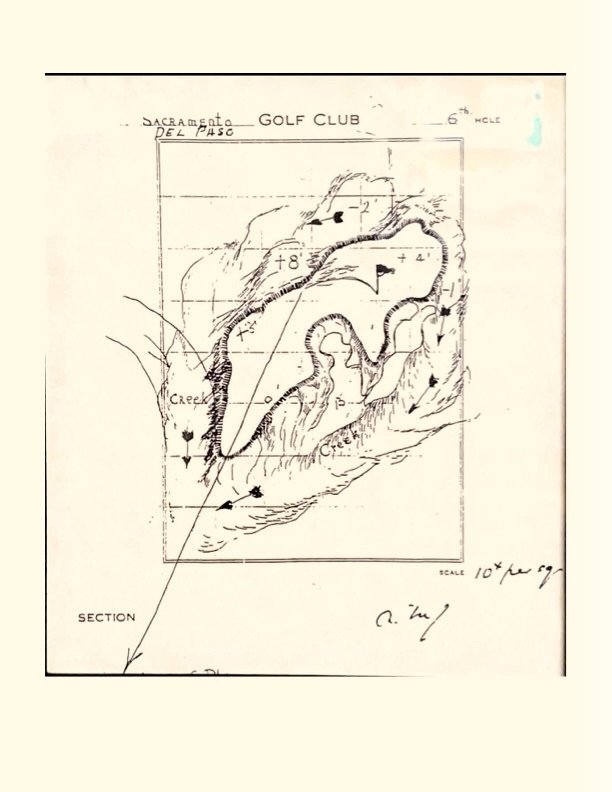
The Best Of: 2021 by Brett Hochstein

“It’s been a long, long time since I’d known the taste of freedom; And those clinging vines that had me bound, well I don’t need ‘em; I’d been like a captured eagle; You know, eagles are born to fly; Now that I have won my freedom, like an eagle, I am eager for the sky”

from the song “Light of a Clear Blue Morning” by Waxahatchee (Dolly Parton cover)


Up. Forward. Fresh. New. Free.

There was only one way to go, right?

2020 was dark. A low. A halting of habits, hobbies, routines, and commerce. This was certainly true for both myself and Hochstein Design, as I did the lowest amount of golf-related work since floundering about in 2008-09 as a new college graduate with nowhere to go in an industry frozen by the Great Recession.

As the longest year of our lives finally came to a close and 2021 appeared, some of those negative feelings and limitations on life undoubtedly still lingered. And that was to be expected. Changing a number on a calendar can’t just automatically cure all ills and change all fortunes. But the underlying trends at that time pointed toward hope and progress. So, improvement was also to be expected.

Slowly, it began to return. A work and golf-related trip to SoCal in February. Prospective client calls. Deposits to reserve future work dates. New and exciting shaping opportunities. Road-tripping with the family to Jackson Hole for a 2 month project. More shaping projects with new people. Playing golf in amazing, distant places. Completing my first little solo project. Getting hired for bigger and more exciting solo projects. Helping work on a local dream restoration opportunity.

To say this is an improvement upon last year’s almost non-existence is an understatement. It’s also a bit unfair though just to highlight these events and opportunities as a contrast to the non-events, or really, to call last year non-existent. Because while there may have been a dearth of jobs and income, that year certainly existed. The mental weight and anxiety of the unknown existed. The stress of increased responsibilities at home outside of my comfort zone existed. The lack of healthy emotional outlets existed. Huge personal loss existed. Declining mental health existed. I know I’m not alone in this, and you—the one reading this—probably have felt at least some of these things as well.

So, 2021 was not just about the return of work but more about all that comes with that—security, excitement, and a general feeling of self worth. Maybe most of all though, that return came with the opportunity to create—to create something beautiful, something fun, something humorous. There is nothing more satisfying and fulfilling to me than the creativity offered by this odd and wonderful career based on this odd and wonderful game we play. Building golf is a healthy mental outlet, one that I have discovered to be highly important to my overall wellbeing and one that I will not ever be taking for granted, not after losing it a year ago.

2020 and the early parts of this year just about broke me. But, as the cliches and platitudes go, it also made me stronger and that much more appreciative of what I have and what I get to do. I can honestly say this year is the most fun I’ve had in a very long time, both on the machine and off. Everything has been better, sweeter, brighter, clearer. From the feeling of once being trapped, I have now found new freedom and fulfillment. Like an eagle, I am eager for the sky.

The Work

This has been my favorite year of work, and in many ways it has also been the most successful. The types of projects I have gotten to work on have been diverse in all good ways—different locations (Wyoming, Florida, Minnesota, local CA), different people (Thad Layton, Ben Warren, Gil Hanse), and different geologies (gritty riverbed, glacial clay, my home East Bay clay, sand(!!!) ). It’s also come with long awaited solo work, including completing a small project out at Wente Vineyards and getting hired by a new and exciting client with some very cool historical ties. Highlights of this year’s work are listed below.

Favorite Features of the Field

Taking inspiration from the local features at Teton Pines. Photo courtesy of Thad Layton.

1.  Greens shaping, The Loop at Chaska - I love shaping greens and their surrounds more than anything else we do. The mental exercise of considering the myriad types of shots that can come into a green or the putts played upon them is both exciting and rewarding. Envisioning the ways in which the ball will bounce, roll, and change direction is nearly as thrilling as playing those actual shots. So, when Ben Warren asked me if I’d be interested in helping him build greens that would have only short grass and contours around them and be played at a non-lightning speed, bringing about a desire for more contours, it was easy to reply “definitely!” To add on top of that the course being for a great cause—accessible golf for those with disabilities—and this is not only one of the most fun stints where I’ve been involved but also one of the most rewarding.

2. Helping on a dream restoration at Lake Merced - Ever since first seeing the old pictures of Lake Merced, I’ve been daydreaming about the possibility of putting it back together. Thankfully, Gil Hanse has been tasked with this and has come up with a great plan to do so. Thankfully even more, Gil has let me come on to his team to help put it back together. It’s very exciting and rewarding work that we have just been getting started on right now.

3. Practice Green and Bunker, The Golf Course at Wente Vineyards - We worked alone on this design from start to finish—from an initial concept to shaping it with the excavator to finishing it off with a rake and shovel. Obviously, we had great help in doing so from superintendent Cody Price and his staff, but this was a very satisfying process and one we hope increases soon in the future.

Practice green at Wente

4. Mini-mountain bunkers, Teton Pines - Any time I start a new project, whether on my own or with another designer (Thad Layton of Arnold Palmer Design Co. in this case), I always like to identify the course’s primary asset and see if that is something to be enhanced or inspired by. At Teton Pines, that asset was of the latter variety. The Teton Mountain Range, in my opinion the coolest looking set of mountains on this continent, are visually present throughout most of the round and especially the front nine where we were working. Wanting to do something a bit stylistically different from recent projects, we decided to play off that mountain aesthetic, emphasizing sharp backing landforms with a lower but still jagged and broken sand line. Three dimensional detail and strong shadowing were more the emphasis. It was a lot of fun to create, and they might be my favorite set of bunkers built yet.

Above: Fun with forms at Teton Pines. Third picture (grassed) courtesy of Thad Layton.

5. Bunkers bleeding into natives, West Palm Golf Park - It had been awhile since working in sand. Six years, to be exact. So, getting back into it at a place with nothing but it was a thrill. Not only is sand easier to work with and better for fast/firm turf, it offers great creative opportunities and instances of instant gratification in making things look natural and 100 years old. It also makes it really easy to blend sand bunkers right into their sandy surrounds. Gil Hanse and the Cavemen happen to emphasize this sort of thing, and it was a ton of fun getting to play around with those transitions and blending.

Above: images of rough-shaped and growing-in bunkers at West Palm Golf Park

H.M. Tweaks and additions at Orinda CC—reworking parts of the 18th green and adding a new bunker on 16/17

Favorite Features off the Field

Part of a series that includes every section of the course, I drew this Old Course plan 11 years ago while studying over there.

1. Getting hired to consult on and lead future projects at the City of Sacramento’s City Courses. I can’t wait to get deeper into this opportunity, especially at Haggin Oaks, the ground upon which originally sat an Alister MacKenzie course with greens arguably wilder than those at Pasatiempo.

2. Being inspired by a round at Ballyneal and the return of The Open Championship and deciding to pen a links-inspired piece about the joy of golf’s puzzles for The Fried Egg.

3. Seeing an old plan-view sketch of mine of the Old Course printed in the first edition of The Links Diary

4. Continuing to set up and add to the new home office


Best Work “Experiences”

Ready for grass at Wente

1. Seeing grass immediately go down on solo work at Wente It’s always like going from black and white to color, and because I maxed out the finish work time all the way to the last minute, I was able to see this transformation literally as I was raking out the final tie-ins.

2. Raging out to punk rock while carving out some wild greens at The Loop at Chaska Something about the wetlands, oaks, and nearby Initech-like office building brought me back mentally to the early high school summer days in Oakland County, MI and led me to want to nostalgically rock out to the fast-paced riffs of 90s/early 00s punk rock while shoving big piles of clay and sipping coffee.

A beautiful winter’s day…in late April

3. Battling the snow at Teton Pines, also while raging out to punk rock. Ridgetop has an open cab dozer, so when I wanted to use it to quickly edit a bunker fill-in during a blustery and flurry-filled Saturday afternoon in May (yes, May), there was no choice but to throw on a hat, jacket, and gloves and crank up the volume. There were many more instances of the snow coming down hard while instead sheltered in the heated comfort of the excavator. For those, I “mellowed” out and reverted to early 90s grunge that was the staple of my childhood winters.

4. Pre/Post storm skies at West Palm Moody gray skies were a welcome change from the relentless California sun. Also the Florida sun, which is only a bit less relentless.

5. Wildlife. Moose, mule deer, bald eagles, and an entire herd of Elk at Teton Pines. A heron stealthily stalking fish right next to me at Chaska. A friendly snake in the dirt at Wente. Coyotes hunting the plentiful giant lime-green iguanas at West Palm Golf Park. Also coyotes at Lake Merced.

Plentiful wildlife at Teton Pines. The cover image of the eagle at the top of this article is also from The Pines.

The Golf

A spiritual experience for many reasons. Rock Creek in Montana.

Safe to say this was also a big rebound from the previous year. While travel was generally limited across all fronts last year, so too were the opportunities to see new golf that comes with travel both for work and otherwise. This year was more than a reversion to the mean, as shaping opportunities in new states afforded the opportunity to see even more golf, including some of those tough-to-get-to locations in the middle of the country. Minnesota had the most to see of all my stints, and the Twin Cities’ offerings impressed me more than I expected. The real highlights though came from some of those remote destinations as my car got as far as seeing the cold waters of Lake Superior, the long plains of Nebraska, and the mountain peaks of Big Sky Montana.

Best New-to-me Golf Courses Seen in 2021

Finally got around to this

Yearly Disclaimer: Note that this list is just a casual indicator of how good I feel a course is.  It is a combination of how I think it holds up for a range of players as well as how much I personally like it.  

The brackets [ ] indicate a "Doak Scale" rating.  It should be understood that I didn't spend the same amount of time on every place and that they were all first time visits.  These rankings and ratings are somewhat arbitrary and based on what I saw, understood, and felt about each course.  I also get admittedly swayed by firm conditions and links golf in particular; a true links course generally gets boosted by 1 or even 2 "Doak points" whenever I rate it.

Really, this should just be fun and give a general idea of what I like in a golf course.

1. Cypress Point - Pebble Beach, CA; Alister MacKenzie [10] I finally did it. Eleven years after moving to NorCal and figuring, “I will get out there (Cypress) eventually,” and that not happening for different reasons, it was time to force the issue and seek out a walkabout. After all, it felt like required study prep before working at Lake Merced. So, with much gratitude, I was able to make this happen. To be honest, I expected to be a little bit underwhelmed by Cypress. Before you start yelling at your screen, know that this thought was relative. The hype is just so high and the writing about it so voluminous, and I had seen parts of it from distance while ambling along 17 Mile Drive. But having partial glances of the course from the movement of a car or looking at a picture on Instagram is not at the same as being out there, cool air on the face and fresh dew on the shoes. No, that is a completely different experience entirely. The magic is real. No course combines such beautiful and distinct settings like Cypress, with the coastal cliffs over waters with every shade of blue, Cypress forest with the coolest trees known to mankind, and dunes with more color and textural variety than perhaps any other system in the world. Of course, MacKenzie finds a way with the routing to beautifully mingle back and forth between the dunes and forest, all while leaving the clifftop crescendo for the end. And it isn’t just the scenery nor what is surely the best version of all MacKenzie bunkering—the golf is also extremely compelling, strategic, and fun. On the front 9’s par fives, ball placement and trajectory over clever slopes and contours is critical to the player’s success, especially as Jeff Markow has the ryegrass fairways playing much firmer and faster than I had expected. The back-to-back short par fours at 8 and 9 demand careful play with soft touch. A simple appearing, wide-open fairway at 13 can lull you into complacency instead of trying to hug the scrub on the right for the better angle into the green. Narrower holes through Cypress tunnels like 14 and 18 require not just accuracy but distance control to get a shot at the green. Greens contours throughout the round sweep balls madly and caution approaches and recovery shots. And do I need to even say anything about 15, 16, and 17? Cypress Point is one of the best golf courses and most special experiences in the world. Next time, I hope to do it with clubs in hand.

The undulating, shallow green on the par 3 12th at Rock Creek.

2. Rock Creek Cattle Company - Deer Lodge, MT; Tom Doak [9]  Simply put, this was a spiritual experience. Following a very busy project at Teton Pines and not seeing much over the previous year and a half, I made the trek north from Wyoming to Montana to see a course that Tom Doak seems to talk about as much as any of his but is also perhaps more isolated golf-wise than anything else of its stature. It was an opportunity and reward that could not be passed up. It was also one that did not disappoint.

Delayed by a storm, I teed off late the first evening there, determined to get around to at least the 15th hole near the clubhouse before total darkness kicked in. The reward for doing so was this utterly beautiful and dramatic course in utterly beautiful and dramatic evening light all to myself. The sun came out, and its low angle helped cast shadows and illuminate all the amazing ground contours present, both (very) big and small. I chose to walk as I always do, even if risking getting stranded in the dark, and doing so made me get a better sense for what a brilliant routing this was, especially given the thousands of acres that were available for Doak’s choosing. There is a large amount of elevation change throughout the course, but its effect on the legs is not badly felt. A lot of the gain comes early in the first 6 holes, and because those are mostly uphill in a gradual sort of manner, you don’t really notice the climb as much, especially because so much comes while playing golf (during a hole) as opposed to not playing golf (between holes). Through the first 3 holes, which appear pretty open and flatter, you have gained 100 feet. Hole 4 then gains 100 alone. By the 6th green, you have gained a total of 300. And then, the rollercoaster begins with the 7th and it’s thrilling downhill tee shot to a massively wide fairway in the woods. 8 is a picturesque little par 3 playing over the Rock Creek, and then holes 9-13 play over a series of big plateaus and gullies on open high ground loaded with distant views before diving downhill on 14 and 15 toward a 3 hole finish low along Rock Creek. It’s beautifully sequenced.

There is a very real advantage to finding the left side of the fairway on hole 11. Many architects would just have the low be out-of-play trouble. Doak’s genius is instead making that fairway and adding a whole new dynamic to the hole.

To add to that genius routing, the holes themselves are both brilliant and fun. On the obviously visual side, widths are varied and bunkers staggered throughout, constantly asking you where to play shots both in length and angle. On the less obvious side, the contours also play big role in where you want to be and advantages that can be gained or lost from them. Some of these were big and obvious (such as avoiding the left drop-off on the 7th tee shot to keep from having a blind shot over a rocky hill, or staying left off the tee on 11 to avoid having a big uphill second shot), but it felt like there were a lot more out there that not even my trained eye could pick up from a first two go-rounds. That is great for a members course and adds an extra layer of depth to an experience that is no doubt spectacular on the surface and enjoyable even just from a single play.

It was back up on the 10th tee that first evening that I had my moment. I knew that to be the famous one that garnered Josh Smith’s oil painting for Volume 3 of The Confidential Guide, and I wisely ran up to it to the tee prematurely to be able to capture it in two different settings of the rapidly changing light. It really is an incredible spot up there, and to have that moment, in that context, in that space, was something I won’t ever forget. Those moments are what make golf truly special among all other games and what make several hundred mile detours worth it. I’d highly recommend making the effort.

3. Oakland Hills (South) - Bloomfield Twp., MI; Donald Ross, recently restored by Gil Hanse [9] I’ve said it before, but it was a long time dream of mine to someday restore Oakland Hills to the Donald Ross version. With that, I had always expected it would take the amount of time for me to make it big enough to do so for it to ever happen. With the success of many restorations though across the country and those done by Gil Hanse in particular, we didn’t have to wait that long, and it has become a dream I’m more than happy not to live myself, for just seeing it come to life the right way sooner is better. The work done is awesome. The brilliant glacial landscape has been fully revealed, and the appropriately large-scale Rossian “scooped out pit” bunkering has returned. Ross writes about them in Golf Has Never Failed Me, but I do not know of any other sites where he actually employed them, which made doing it at Oakland Hills that much more important. They are now back, along with new additions in that style, and it makes for not only a strong and distinguished look but also for more interesting golf for the regular playing members. Whereas the Jones version monotonously punished drives of a longer length, the Ross/Hanse bunkering is more varied and staggered, challenging different players at different times, including those who cannot reach greens in “regulation.” The course is now much more interesting, strategic, beautiful, and classic, and there can be no more debate once again about who is king in Southeast Michigan.

Ross’s simple but elegant “scooped-out pits” are back at Oakland Hills.

4. Seminole - Juno Beach, FL; Donald Ross, with revisions by Dick Wilson and others [8] I really didn’t get to see Seminole at its best since it was a dreary day at the tail of their offseason, which makes it hard to get a true feel for its regular aesthetic and, more importantly, how fearsome it regularly plays. Still though, it is obvious to see the brilliant routing by Ross that maximized the few natural features available, namely the two dune ridges at the west and coastal east boundaries of the property, the former of which is experienced on both the front and the back nines. The greens are obviously scary too even if not seeing them at full speeds. Their history and reputation is well earned, but I also found myself wondering they might have been like in Ross’s time just after the course was first built. The current set seems to be very difficult indeed, but the way to approach them defensively didn't seem obvious or at times possible. I’d have to spend some more time looking at them, especially at full speed, to make more proper judgment, which in itself is often a mark of a good set of greens.

5 (t). Dismal River (Red) - Mullen, NE; Tom Doak [8] I hadn’t seen the course since we sprayed the last bits of hydroseed in the fall of 2012. Nearly ten years after first breaking ground and my first days working for Tom Doak, I had some emotions both going into this and during it. There was excitement and warm nostalgia, but there was also a bit of trepidation based on things I had heard about the course and its care in recent years. Those worries did have a bit of truth to them, as the shaggy, soft presentation made for a playing experience far from the fast and firm one that was intended. What I found though while quietly traversing those hills alone in the twilight of day was a course even better than the one I had remembered helping build. That setting on the back nine down below the bluffs and near the Dismal River is unlike any other golf in the Sand Hills, having this sense of intimacy in one of the most vast stretches of land in this country. It was special to work here, but it is also special to play here.

5 (t). CapRock Ranch - Valentine, NE; Gil Hanse [8] In my drive back from Minnesota to California, I had to not only take advantage of the opportunity to get back to places like Dismal River but also see some new ones like CapRock. Valentine was one direction I had not ventured while working at Dismal, so it was a new experience to see a landscape that blended a bit more with those of the Dakotas to the north. And that is largely what CapRock is: a Sand Hills course with a craggier, pine-laden side to it. A majority of the course plays through more typical dunes land, but over a third of it plays up to, along, and over a rocky bluff overlooking the rocky, piney Snake River canyon. Gil Hanse’s routing beautifully manages to encounter this distinctive feature on both nines, including the dramatic 4-hole stretch to finish. What also stands out about the course are the greens, which have more contour than any others in the Nebraska Sand Hills (note I have not seen Prairie Club) but never seem to cross that line into feeling forced or gimmicky. They, along with the tightly mowed approaches, are still very young and firm too, which makes for a lot of fun approach shots and pitches.

7. White Bear Yacht Club - Dellwood, MN; William Watson, Donald Ross [8] An up and down thrill ride of a course through some of the choppiest glacial terrain that is so common in the upper Midwest and so great for interesting golf. With regards to its features the course isn’t really like any Ross or Watson course I have seen, and there is nothing wrong with that. Rather, it’s more just its own thing with elements of funk more common to the 1910s era in which it was built. Geometric bunkers, blind shots, and wildly pitched greens are charming and scattered all throughout the round. The first hole is a great example of things to come, with a big knob in the middle of the fairway that you try to drive to for a good look at the green, a comically deep (35 feet?) grass faced greenside bunker, and a green tucked behind a short grass knob. Game on!

White Bear Yacht Club’s wild land and funky features kick you right in the teeth to start here at the 1st. Note the tiny flag just behind the hump on the green to get a proper sense of the scale here. Don’t miss left!

8. Minikahda - Minneapolis, MN; Robert Foulis, redesigned by Donald Ross, with recent restoration work by Kyle Franz [7] Great land, great Ross restoration work by Kyle Franz, and a cool club location on a lake looking across to the Minneapolis skyline all swayed my opinions of this place. That, and Jeff Johnson’s perfectly manicured fast and firm bentgrass turf. On the front nine, the land and tight greenside bunkering are the stars of the show. Once you get to the back though, the greens start to take over, particularly the 11th and 13th with little internal wrinkles that break 3 ways within 10 feet. Crossing the street to play the 15th-17th isn’t as big an issue to me as that triangle of holes has a cool feel and have gotten really good with Franz’s working of them. Finishing 18 next to the old ornate clubhouse with views of the lake and skyline is very unusual and cool. I can’t think of anything else quite like it.

9. Ballyneal (Mulligan) - Holyoke, CO; Tom Doak [7] This is the trouble with rating and ranking par 3 courses, especially those attached to other courses, and especially when those other courses are outstanding. If I had to base it straight on how much fun I had and the types of shots I was able to try out, it would probably be top 5. The greens on the Mulligan are, both appropriately and surprisingly, bolder and wilder than those on the main course. It should come as no surprise then that they are a blast to hit shots into, but they might be even more fun when your tee shot doesn’t quite find your target and you have to find a way to negotiate something like a 15 foot tall tier in the middle of the green. The theme of “solving the puzzle” undoubtedly continues out on the Mulligan.

Solving the puzzle on The Mulligan—counterintuitively, the yellow line played left of the green from that angle is the better route to get close. Sometimes it’s more fun to miss the green!

10. Northland - Duluth, MN; Donald Ross [7] This place has always had my curiosity ever since Zach Varty first mentioned it while we were raking grass roots in the heat at Dismal River. Donald Ross on bluffs overlooking Lake Superior? Yes, please! And that is much what you get. The routing snakes its way up the hill and through the woods in a big sort of S-shaped out-and-back. Kyle Franz has slowly started to restore bunkering, and where he has, the effect is very strong and feels old. Combined with the leaner, firmer, scruffy presentation that is an absolute blast to play, the overall feeling is that of a throwback, which is perfect in my book. Our host and liaison for the Chaska project, Tim Anderson, is a good player with a low ball flight, and it was a joy to watch him judge the ground game on long approach shots. My only knock on the course is that the greens were a bit simple in nature, even if tilting in scary ways (also need to keep going with the bunker work). With all else going on, though, perhaps you don’t need much more than that.

11. Soule Park - Ojai, CA;  with recent renovation work by Gil Hanse and Jim Wagner [7] I had seen the pictures of the cosmetic improvements at Soule Park, namely the bunkers in the style of George Thomas and Billy Bell, but I didn’t realize just how much Wagner and Hanse had done here with regards to the strategy and interest of the course. Soule Park has a really interesting set of greens, and they are on a bigger scale than you might expect, especially for a local muni. This place and Rustic Canyon really make for quite the public duo at the northern bounds of the SoCal region.

12. Midland Hills - St. Paul, MN; Seth Raynor, with recent restoration work by Jim Urbina [6] Joe Hancock kept insisting that I get over to see Midland Hills and meet its history-minded superintendent Mike Manthey. I did get over to play a final, farewell-to-Minnesota round, but unfortunately didn’t get to meet Mike. Joe was right that the course was worth the trip, as the work that he and Jim Urbina did over there turned out really great. The property is pretty good too, and what I’m sure was a pretty heavy amount of tree clearing helped reveal it and give it an appropriate, classic pastoral feel. Highlights to me were the sweeping 2nd, the reveal over the hill on 3, the teasing 8th tee shot, the tumbling 10th and its angled green, and the unsuspecting Punchbowl 14th. I didn’t think the Redan hole quite worked as it should, but overall the course is very solid, well looked after and presented.

13. Victoria - Riverside, CA; Max Behr [6] While not at the top end of the list, this is on the top end of courses seen this year that I find myself most thinking about. There was a brilliant article posted earlier this year on The Fried Egg about “Big Golf” vs. “Small Golf” in which “Big Golf” is more grandly scaled, more highly constructed, more “thought-out” strategically, and more refined compared to “Small Golf,” which is smaller-scaled, more randomly strategic, and less refined. Most Scottish links courses fall into the “Small Golf” category; so too does Victoria. With few visual frills (outside of odd trees, man-made ponds, and landscape additions over the years) and an odd but largely simple piece of land, Victoria is super fun with sporty golf shots and strategic decisions—both obvious and subtle—throughout. It showed to me how, with careful routing moves and shrewd use of features (bunkers, barrancas, green shapes and tilts), a maximum effect can be had on the interest of the golf with minimal physical efforts in the design. Couple that with super fast dormant bermuda turf, and it feels just like battling against a quirky links back across the pond. It’s brilliant. A low-key, Behr-emphasized restoration would be perfect here.

14. Interlachen - Minneapolis, MN (back nine only); Donald Ross [6, but a 7 and ranking next to Minikahda if front 9 is as good as the back. I am admittedly unfairly judging the front from a long distance view.] Interlachen sits on some great glacial ground that reminds me of some of the great courses back in Detroit, including Ross’s outstanding Oakland Hills and Franklin Hills. I only got to see the back nine on this day, but what I did see was very good, including the opening and finishing holes. The 10th reminded me a lot of a slightly longer version of the awesome Volcano 13th at Franklin Hills but with a larger and more varied green. The 18th is a very cool funneling green that is sadly not as functional at modern green speeds. A newer version that is still fearsome could probably be had if very carefully done. I would only ever approach that task with an excavator, and I wouldn’t even think about touching the 10th in an attempt to lengthen it. In between these holes are a series of strong holes that play up, down, and through more good natural land. I’d love to get back and revisit this course at a slower pace to take more of it in.

15. Town & Country Club- St. Paul, MN;  [6]  If you want to take a trip back in time to see what golf was like even before the Golden Age, head out to Town & Country in the Twin Cities. Situated on a bluff over the Mississippi, the land is a series of high plateaus divided by deep, broad, ancient tributary troughs to the river—much different from the typical glacial land found over the rest of the region. The holes play through and along them with no major earthworks to alleviate the blindness or severity that is sometimes encountered. The greens have that very old sort of charm to them—squared and utilitarian but often contained a lot of tilt and some interesting random subtle interior contours. The bunkering is just starting to be restored to that same simple aesthetic by Jeff Mingay and will be great to see when complete. He has currently already done the 3rd with it’s horseshoe bunker ringing the green and the 9th, which is a funky little thing with the higher part of its landform on the approaching side instead of the back, done as a means to divert water around it from the cascading slope above. Town & Country also has my new favorite teeing grounds—a flat spot on short grass right in between the 6th and 12th greens—that is also a great example of very old golf.

Old school funk and charm at Town and Country

H.M. Royal Golf Club - Lake Elmo, MN Arnold Palmer Design Co. and Annika Sorenstam [6]; Tributary (Formerly Huntsman Springs) - Driggs, ID David Kidd [6 (back nine only)] Chaska Town Course - Chaska, MN Arthur Hills [6 (front nine only)]; Old Works - Anaconda, MT Jack Nicklaus [5]; Hazeltine National - Chaska, MN Robert Trent Jones, with revisions by Rees Jones [5]; Braemar - Edina, MN Richard Mandell [5] Teton Pines - Wilson, WY Arnold Palmer [5]; Richmond CC - Richmond, CA Pat Markovich [4]; Cinnabar Hills - San Jose, CA John Harbottle [4]; Palm Beach Par 3 - Palm Beach, FL Ray Floyd [4]

Best Playing/Walking Experiences

What a cool experience to revisit the scene of many rake strokes and sand-filled boots from my start with Doak 10 years ago. Dismal River (Red), hole 13.

Really, too many to list this year, but I listed them anyway. A perfect round of 20 it is…

1. Rock Creek sundown. See above “spiritual experience.”

2. Seeing Dismal again, sundown. A setting for golf even more special than I remembered, and seeing all the little things and micro contours I helped make with a sand pro all those years ago was very cool.

3. Cypress Point crack of dawn walk with Riley Johns. Perfect light and temperature with some of the biggest waves I’ve ever seen. The golf course itself was even more magical than that.

Magic

4. Ballyneal with turf interns Matt Rouches and Jax Hoefling. What is so fun about Ballyneal are not the shots taken during your actual round but trying those other ones out after and trying to figure out which big contour is the right one to play off of. There was no one behind myself and the two interns I played with, so we took our time trying out all sorts of crazy routes to get to the hole, some of which surprised us. What a joy.

5. Round with my dad and brother at UofM. It doesn’t get much better than playing with your family, especially on an old Alister MacKenzie/Perry Maxwell design. The greens were better and more interesting than I remembered and got me even more excited for the course’s potential. As always when there, our thoughts, eyes, and conversation would occasionally drift to that big old stadium across the street, and we all agreed we (nor anyone) knew anything about what the upcoming football season would be like. Little did we know, indeed…

6. Streamsong weekend with the Caveman crew. Nothing like a weekend break to play some inspiring golf. Still can’t believe Josh McFadden and I let our match slip away to 2-handicap Neil Cameron and Mid-Am champ Lukas Michel on the 18th hole of the Blue. But really, I can since it seems at this point an impossibility to keep myself from blocking the tee shot to the right on that hole. The tie would have left some bit of satisfaction, but of course Streamsong has a bye hole that Lukas managed to stick a 3 footer and close us out after I missed yet another 7 footer.

7. Pasatiempo with Riley Johns and Jim Urbina. Always fun to see Riley again, and cool to go around with someone who knows the course and its restoration so well in Jim Urbina.

Northland: Donald Ross with ridiculous views

8. Starting off Minnesota right with Ben Warren and Tim Anderson at Northland. Unusually warm temps for Duluth in the 90s added something extra to the experience of blufftop Lake Superior-view Donald Ross golf.

9. A “Pink Moment” at Soule Park with Micah Peuschel and Parker Anderson. I had never heard of this phrase for the period just after sundown in the Ojai Valley, but yeah, it applies. Those mountains turn pink. Great group to play with too on one of America’s great munis.

10. CapRock with superintendent Mike McCauley and assistant Brady Pike. Fun golf with a fun couple of young superintendents set to do great work there.

CapRock’s dramatic finish on the bluffs. The 18th is here with the 17th to the distant left. Also, squint hard to see the 16th flag on the right side distant horizon.

11. Slowly taking in the Oakland Hills restoration on an empty maintenance Monday. Always wonderful and more educational to take in all the improvements at a measured pace.

12. White Bear Yacht Club with Tom Helgeson. Cool enough playing the course as it is, but cooler yet playing it with someone who knows it and its history well.

Mouth-watering conditions and contours for links-lovers at Victoria

13. A linksy and sporty knock-about Victoria with David Ober. David is not only a skilled golfer, he is also one who does it with a lower ball flight and shorter distance. That made it a real joy to see him hit it around Victoria, which was playing almost like a summer UK links on this dry SoCal winter day.

14. Browned out Meadow Club. It’s incredibly difficult what Sean Tully has had to deal with for the drought and irrigation at Meadow Club, and they face some seriously tough questions going forward. That said though, the course was really fun to play in that state, the ball rolling forever and making for some memorably long tee shots but also bringing much more trouble into play. Maybe there is some sort of silver lining where the club can embrace a future with a more drought-tolerant turf regime and the course eventually plays something a bit more like this (which is a direction they have been moving anyway with topdressing and other firm-friendly practices).

15. Wrap up round in Minnesota at Midland Hills with Ben Warren, Jonathan Reisetter, and member/Raynor fan Ross Walkowiak. The dreary weather couldn't dim our spirits, and maybe it even lifted them a bit as we got the course to ourselves on a late Saturday afternoon.

16. Sundown walks at Minikahda, Town & Country, and Hazeltine. Pretty special to get to walk over these great pieces of ground in solitude at the most beautiful time of day.

17. Late night 9 at Teton Pines after the Valley had re-awakened from Spring. Complete with moose encounter. I had not been on the back nine before, but it was a nice change of pace from the open, pond-laden front. The trees and marshy vegetation made for a nice setting, and the golf was more interesting and solid than I had expected. And then there was a moose in the woods, which I had also not expected.

Finishing by faintest of light with the Cavemen. From left: Brad Gehl, Tanner Guyer, Josh McFadden, and Neil Cameron.

18. After work twilight on the Palm Beach Par 3. The golf could certainly be better, but its still pretty nice to wind down at a spot with the sun setting over the inter-coastal on one side and the Atlantic Ocean crashing at the other.

19. Seeing the evening sun hit the Tetons from the opposite angle at Tributary. Extra satisfying knowing I had finished up at Teton Pines earlier that day.

20. Striking some Miura blades at Carl’s Golfland in Michigan with my old friend Don Ambrose. “Uncle Donny Slams” is my old high school English teacher who is a big fan of course design, which is a part of the reason we’ve stayed in touch all these years later. This was probably the first time I’d been to Carl’s since high school too. Trying out his Miura blades though was a revelatory experience that I did not expect. I have not paid much attention to equipment design over the years, but I’ve started to, gravitating toward craftsmanship just as I do architecture. I’ve never been as giddy hitting range balls as I was his set of “samurai swords.” Just need to finally get around to getting fitted for a set now.

Best Conditions (AKA Champions of Firm and Fast)

Fine fescue fairways, in addition to the abandoned mine setting, are the other main attraction at Old Works.

This list isn’t about uniformity, color, or a common notion of perfection. It’s just about how the ball reacts and rolls (namely, bouncy and fast). SoCal gets a boost this year from the combination of drought and dormant winter Bermuda. Superintendent, if known, listed in italics.

1. Ballyneal (Mulligan and main course) Jared Kalina

2. Old Works

3. Victoria

4. Soule Park

5. Northland

H.M. Minikahda Jeff Johnson, Town & Country Bill Larsen, Midland Hills Mike Manthey, Chaska Town Course, Braemar, Oakland Hills Phil Cafare, CapRock (will be in the top 5 after a year or two of tightening the young fairways) Mike McCauley, Cypress Point Jeff Markow


The Everything Else

As I said before, this was also one of the most fun years I’ve had off the machine. Between long, peaceful drives across this great land, visits with family, watching my daughter grow up way too fast, the return of exploration, exciting family news, and the most fun college football season since 1997, it’s been a wonderful time.

Favorite Cities

Jackson, WY, like Santa Barbara the year before, is also “stupid beautiful.”

Lake Worth bright and blue

1. Jackson, WY

2. San Francisco/Daly City, CA

3. Twin Cities, MN

4. Lake Worth, FL

5. Home!


Best Commutes

I really only add this section this year to make note of…

This will lift your spirits every morning

1. Jackson Hole, WY …The most spectacular daily commute I’ve yet to have. Rounding the corner of West Gros Ventre Butte and seeing Grand Teton glowing in the early morning light over a broad field of horses and the occasional elk is a drive one can’t tire of, no matter what the thermometer says.

2. Lake Worth, FL Having just a ten minute drive to work is a real luxury, especially when you can take a not too busy road loaded with charming old Florida houses and palm trees glowing in the first light of day.

3. Bay Area, CA (“low” traffic version) It may not be the shortest time wise, but getting to go from your house to working on Alister MacKenzie features among sandy hills and Cypress trees (then getting to go back to your house and family after) is a pretty cool thing. Seeing the Bay in the first light of day along with the San Francisco skyline and Golden Gate Bridge are things that I do not take for granted, either.

4. Twin City suburbs, MN Much of the drive and Chaska itself made me nostalgic for where I grew up in Metro Detroit, where suburbia slowly bled out into pastoral fields, woods, and wetlands.

[large gap]

5. Bay Area, CA (“high” traffic version) Still, taking almost 2 hours to go somewhere that can be 30 minutes isn’t much fun, especially after a long day. I’ve somehow found a way to be more zen-like during these drives though, which has helped both energy and morale.

Favorite food by Place

Jackson: Elk Burger - Jackson Drug. HM to grilling elk steaks, bison ribeyes, and 21 day dry-aged local beef

Minnesota: Crusted Walleye - Hazeltine Clubhouse

Florida: Cuban crocquetas

MUSIC

Music was interesting this year. With the return of so many good things and new experiences, I thought there would be more strong standouts that I would latch onto as the mental playlist for 2021. Perhaps it’s the Spotify phenomenon, where it’s easy to let it curate a series of inter-related songs instead of forced repeat listens to whole albums, but I found myself listening to a lot of different stuff and enjoying it but not having it stick in ways it used to, especially when it came to albums. As such, a lot of the albums in the list weren’t as far apart to me in quality as they usually were, and none were an obvious number 1. It was more like one big “solid” group where 9 is almost as good as 1. Some certain songs tended to stand out though in more meaningful ways for different reasons.

Best Albums

1. Long Lost - Lord Huron

2. Today We’re The Greatest - Middle Kids

3. The Ghosts That Haunt Me - Crash Test Dummies

4. Saint Cloud +3 - Waxahatchee

5. Making a Door Less Open - Car Seat Headrest

6. Glowing in the Dark (Deluxe Edition) - Django Django

7. Absolute Loser - Fruit Bats

8. Loaded - The Velvet Underground

9. Crooked Rain, Crooked Rain: LA’s Desert Origins - Pavement

10. Warren Zevon - Warren Zevon

11. Shore - Fleet Foxes

12. Holy Smokes Future Jokes - Blitzen Trapper

13. V. - Wooden Shjips

14. Diamonds and Pearls* - Prince and the New Power Generation

15. Sun and Shade - Woods

H.M. Feel Flows - The Beach Boys; Pythons (Deluxe Edition)- Surfer Blood; Get a Grip* - Aerosmith; It’s a Shame About Ray - The Lemonheads; Revisiting every Punk-o-Rama Vol. 7 and earlier

Best Songs

1. “Light of a Clear Blue Morning” - Waxahatchee (Dolly Parton Cover) See opening remarks at top of article.

2. "Hug of Thunder" - Broken Social Scene. Almost skipped this song while driving south through the Central Valley but had this sense it was building toward something. Good sense, as it became one of my favorite songs of the last couple years.

3. “Desperadoes Under the Eaves” - Warren Zevon. The lyrics of despair in the first half compared to the sounds of hope in the second half were really on theme. Also just a damn good song.

4. “Long Lost” - Lord Huron

5. "Cellophane" - Middle Kids

6. “The Ghosts That Haunt Me” - Crash Test Dummies

7. "Requiem" - Blitzen Trapper

8. “Can’t Cool Me Down” - Car Seat Headrest

9. “Feel Flows—Track and Backing Vocals” (full track also, but this stripped down version really caught my attention in a haunting way) - The Beach Boys

10. The first 3 songs of Django Django’s album. I couldn't pick just one, especially when the first, “Spirals,” starts with an auditory version of a Fibonacci Sequence.

11. "Thunder" - Prince and the New Power Generation.* This rediscovery took me back to the backseat of my mom’s car driving to my Grandpa’s bowling center in western Wayne County.

12. “Can I Believe You” - Fleet Foxes

13. “The Obvious Child” - Paul Simon. Those drums…

14. “Good for You” - Porridge Radio and Lala Lala. Lala Lala seriously needs to make a new album.

15. “American Dream” - Crosby, Stills, Nash and Young. A cheesy but delightful late-version of CSNY

16. “Trouble Me” - 10,000 Maniacs

17. “This Whole World” - The Beach Boys

18. “Shane” - Fruit Bats

19. “Confetti to the Hurricane” - The Deer

20. “Pump It Up” - Endor. Don’t you know? Pump it up. You’ve got to pump it up.

H.M. “‘74-’75” - The Connells; “Winter Song” - Crash Test Dummies; “My Drug Buddy” - The Lemonheads; “Pass It On” - Billy Bragg; “On Fire” - Bigott; “Heavy Days” - Still Corners; “Money” - D/R Period (I finally started watching Breaking Bad while in Florida); “Anything Could Happen” - The Clean; “1880 or So” - Television; “We Are The Youth” - Jack River; “I Feel Alive” - TOPS; “From a Soon To Be Ghost Town” - Fruit Bats; “Superman’s Song” - Crash Test Dummies

*Song/album not new to me, but it meant a lot to the fabric of this year in revisiting it.

Non-Golf Experiences of the Year

Family time in Jackson Hole


1.  42-27.  Sports fandom, when stripped down, is a silly thing. Why allow the efforts and results of a separate group of people competing in a separate event of competition affect your own emotions? It’s a bit ridiculous. If there is another thing learned from COVID and 2020 though, it’s the reason why we love sports—community and togetherness. Without fans, the games were just not the same. Nowhere was that more true than in college football, where the crowds are the biggest, traditions run deepest, and gameday rituals and gatherings last from dawn until dusk. Programs also tend to reflect the character of their university and regional culture more than with any other sport, creating a stronger bond not just between athlete and fan but also with your fellow supporters. As Michigan fans, we are united in many ways, one of which leading into this season was a bit of an existential malaise of negativity that this Harbaugh thing would not work, and therefore, nothing might ever work. What saddened me more was that perhaps the “right” way of doing things—highlighted in John U. Bacon’s 2019 book Overtime as building character, being responsible for your actions, actually going to class, and generally being good citizens (actions which were also demonstrated on this years team with Blake Corum and JJ McCarthy recently giving back some of their NIL earnings in that form of athlete payment’s first year of existence)—was no longer tenable in 2021 if you also wanted to win games.

I did not attend the University of Michigan, but my love for it and its teams was passed down to me at a young age from my father, who did. More critically, it became a positive component of many childhood memories, watching games with my brother, friends, and dad on the big projector screen at our family’s bowling lanes bar immediately following our Saturday morning leagues. Keith Jackson would often be on the call, and the weight of the game and its moments always seemed palpable, both because of his majestic ability to convey its importance and the waxing and waning amount of casual bowlers who would pop in and out to see what was going on, especially in the 4th quarter. Ohio State games always felt big, and I remember moments such as running up and down the concourse when Marcus Ray’s interception sealed the upset in 1996, going nuts for Woodson’s big plays in 97, or not realizing I had the first 8 strikes in my last game of league en route to an almost-perfect 299 because I was too busy nervously running back into the bar to see if the Wolverines could get themselves out of their early 9-0 deficit in the 2000 version of The Game (they eventually did). As big as all that felt though and the fond memories fostered, I neither realized at the time how unusual it was for Michigan to win that much nor just how big the rivalry and how intense the opposing fanbase was. This was before the internet, before I started living out of state, and before Jim Tressel somehow made good on his ridiculous promise in 2001. There was very little in the way of interaction with the fans in the state to the south. As soon I started to get a grasp on what Ohio State fans really thought of Michigan and really being able to feel what the rivalry meant, it was too late to get to savor a win that would somehow be even bigger and more satisfying with that added layer of schadenfreude. As the years went on and the losses piled up—one win since 2003—that longed-for win became simultaneously more monumental, more desirable, and more distant. Certainly, in 2021, it would be waiting for at least another year and likely several beyond.

As this season approached, I didn’t know what to expect. No one did, as the team exposed nothing from spring and fall practices, 6 assistant coaches were swapped out for younger and less experienced guys, and the previous year’s disastrous 2-4 team provided little data as well as little hope. They could be anywhere from 4-8 to 10-2 by seasons end, more likely toward the bottom. I was just happy though that real football with actual fans would be back, and as I sat in my car to watch the season’s opening drive on my phone while awaiting a 12:50 tee time at Streamsong Black, I can admit to being a bit emotional as the camera first panned across a full stadium and the crowd boisterously chanted along to that famous Jack White guitar riff as the ball kicked off. A quick 7-0 score over the Western Michigan Broncos and hearing the noisy stadium was a pleasant start but also a sign of things to come. A much bigger sign. They’d win that game 47-14 after only being favored by 17, and they would win again the next week against Washington in an even wilder Maize-out environment, and they would keep on winning, seemingly gaining momentum and confidence all along the way. Eventually, this success started to become real, as did some faint—very faint—hopes of beating Ohio State. After so many years of heartbreak though, I would only believe it when I saw it.

And then, on that late November day, I saw it. All three and a half glorious hours of maximum effort and execution, being played out in the way that as an underdog fan you only dream or fantasize about, with snow flurries and possibly the most raucous Michigan Stadium crowd in history compounding the wonder. It was surreal, and I hung onto every play and every yard, like it was the biggest game of my life, because really, it sort of was, at least from a third-party perspective. I am familiar with recency bias, but I can confidently say that this win and moment was the biggest and most special in all my sports fandom. Bigger than any previous Michigan win—the 1998 national championship winning Rose Bowl included—or Red Wings Stanley Cup. It goes beyond those. This not only meant more because of the specific pain and suffering of this rivalry but also because of how it related to me personally. I saw this team grow stronger and stronger after simultaneously rebooting itself and re-establishing its core beliefs. They confidently danced to “Jump Around” in Madison en route to their first win there in 20 years. They came back late against on the road at night in Nebraska after blowing a late lead—the kind of win not found in the Harbaugh era. They did the same thing again at Penn State. All this new-found confidence, all this momentum, all this success—it felt a lot like what I had gone through myself over the previous year. I was nearly broken at the start of the year, but I changed routines, habits, and—more importantly—the beliefs in myself and what I could be. It was powerful and self perpetuating, just as it seemed to be with this Michigan team’s late-season crescendo.

Lingering beyond those thoughts though were some more that I just couldn’t stop going back to, both in the lead-up to the game and especially the day of. The contrast between this particular post-Thanksgiving Saturday with the previous year’s could not have been much more different. That previous year, I sat in the hospital room with my dad and brother on what would be my mom’s last day on this earth. Michigan was playing a meaningless game at that same time with a depleted roster in an empty Michigan Stadium against winless Penn State. My brother and I watched a series of plays on his phone before we got COVID clearance to go back up into the hospital room (there was a real possibility that we couldn’t all be together in there at once). I didn’t pay attention to it the rest of the way; maybe my dad and I would watch the recording later that night, if we were even to go home that night. That room was where I needed to be, mentally and physically. Outside the window of it, the sun shone brightly on a rare cloudless day in late November. It was a bit ironic, this sunshine on what would be such a dark day, but she did love her sunshine. She also loved snow though, or at least looking at it out the window. One year later, on that same post-Thanksgiving Saturday in Southeast Michigan, we would have that snow. Lots of snow. All I could think of as it fell throughout the game and hardest in the post game euphoria was that she must have had something to do with it—that her presence was there adding to the scene and the team’s good fortunes. It was only after in my post game phone call to my dad and brother, who were in the Stadium that day, that I found out my dad had brought her ashes with him. It would be the second time that day I let my guard down emotionally.

10 years of pain and frustration released, and a new attitude and approach manifested. Image by Kevin Hochstein.

Sports fandom is silly, but I am grateful for it. Grateful for its thrills, anxiety, agony, euphoria. Grateful for its anticipation and lead-up to big games. Grateful for the memories it creates or attaches itself to and reinforces. Grateful for the bonds it creates with longtime friends, family, and online strangers. Grateful for moments where all of that melds together as one like it did on November 27th, 2021.

2. Blue Balloons. While out working on the 16th hole at the West Palm Golf Park, I received a FaceTime call. On the other end was a crying child who for some reason decided to have a meltdown just as the phone was ringing. Above her though were a whole bunch of light blue balloons, and at that moment I realized that we would be having a boy that following winter. It was a very special moment (if made a bit humorous by his big sister) and one that made for a lot of appreciation and reflection for the rest of the day. It also guarantees what the number 1 spot will be in this category next year.

3. Standing on the bluffs at Teddy Roosevelt National Park in North Dakota, silent and solitary on a calm summer evening  I had never even heard about this national park until scanning over the map of my upcoming drive the night before in Montana. As it was, it looked interesting enough and worth a stop along my day and a half journey to reach Duluth for a Sunday afternoon tee time. I had hoped to get there a bit earlier than I did, but it worked out as nothing quite beats late day light on the prairie, especially when the wind is down. I had also hoped to be a bit quicker, but I couldn’t help but linger and drive to some of the more remote spots in the park. This place was so peaceful with its soft pinks, grays, and greens and the warm air summer air gently sitting still. The golden light filtered softly through steely clouds, and all that could be heard were crickets and birds as buffalo grazed the surrounding hills. All this was well worth a longer stay and later eventual bedtime, for this was the kind of liberating peace and freedom I could only dream about a year prior. I undoubtedly missed the family, sending them pictures and video of buffalo crossing the road and loading up on fun stuff in the gift shop, but this was selfishly a very nice moment.

Inner peace in a picture. Theodore Roosevelt National Park, Western North Dakota.

4. Family visit to Michigan For the first time in over a year, the whole family was able to visit my dad’s house in Michigan for some summer time fun. My daughter was re-united with her older cousin as well as getting to meet her new baby one, the days filled with plenty of swimming, boat rides on the lake, and farm fresh sweet corn. It was a really great time as she also got to meet a lot of our large extended family as we posthumously celebrated my mom’s life in a nice event at the bowling center. She still remembers a lot from that trip, talking about “pool,” “Papa’s house,” “boat ride,” “Kevbo” (my brother’s nickname), “Aunt Danielle,” and “bowling pins.” These little minds are never cease to amaze and entertain.

5. “Papa” in Jackson While working in Jackson Hole, my dad mentioned coming out to visit. It would be a great opportunity for him to see our daughter for the first time in over a year, a year in which a lot of basic developments occurred (walking, talking, growing hair, etc.) that he happened to miss. It would thus be great for him to spend time with this rapidly growing and changing little thing. He is also an avid outdoorsman and would love the scenery and keeping an eye out for big game. I am happy to know that he got to see everything he wanted except for a moose, and it was a very cool memory to veer off onto a dirt road and get right up next to huge herd of bison, his granddaughter standing at the end of the half open car window pointing out all the wild beasts among us, including those only a few feet away.

Prince’s guitar sitting up on his stage at Paisley Park

6. Paisley Park and Excelsior, MN I’ve long been a Prince fan and have maintained that he is the most talented musician who ever lived. The man could play any instrument and create any type of music, and he could do it all well. The person who was a bigger Prince fan than any I knew though was my mom. Working in Minnesota, specifically Chaska, which is not far from Paisley Park, meant I had to take advantage of the opportunity and visit. So I did one Saturday late afternoon after work. It was really cool taking a tour of Prince’s recording studio that he created and customized for himself and many who followed, but it was also a bit emotional and bittersweet, as I knew she really would have loved it.

Afterward, I headed up to (figuratively) purify myself in the waters of Lake Minnetonka and see what Excelsior was all about. I was amazed to find such a cool, historic, charming town right on this scenic lake bustling with good summer vibes. I must admit to being a bit envious, as none of our lakes like this in Southeast Michigan have such a town on them. Unfortunately I was shut out of an outdoor spot at the hugely popular Maynard’s, but I was able to catch the sunset in town and ended up picking up a Detroit-style pizza from Jet’s on the way home, a comforting sort of consolation for my mild jealousy.

7. Sundays with the Family in Grand Teton Just about every Sunday off day we had in Jackson Hole, we would go for a drive around Grand Teton National Park, which was a treat that wouldn’t get old. Grand Teton was probably my favorite spot on my drive West when moving to California, so it was very cool to be back and explore it even further. It was also special to share it with my little girl who at only a year and a half old had already shown a strong affinity for nature and animals. I think if we let her she would’ve walked the entire 150 yards through the sage brush to get up close to the moose that were standing out in one of the fields.

Colorful Art Deco Miami

8. Exploring South Beach Art Deco architecture is cool, and Miami’s version of it is extra cool. Bright and colorful, it embodies the vibes of the culture and the flora of the natural South Florida environment. There are also some interesting narrow, cafe-lined streets nearby like the Española Way, and the alley with the giant Betsy Orb that connects two different buildings and architectural styles. South Beach is a lot more than what you see on the beach.

9. The Open Road Getting on the open road was liberating. I was probably more excited to see the nothingness of central Nevada than just about anyone else would, both from that feeling of liberation as well as a genuine sense of curiosity. With instagram and the internet, there are very few places that have yet to be documented and pop up on your feed. Our family road trip to Wyoming was a memorable one, with stops in historic Winnemucca in Nevada and Park City in Utah. This was my first time in Utah, and the vast salt flats were as glorious as I could’ve hoped. After Jackson Hole though, I flew the family back and was then on my own to make it to Minnesota and back to California. As such, I did the aforementioned trip to Montana to see Rock Creek and then cut across North Dakota to cross off another state, leaving me with 7 still to see. There were many highlights also mentioned in the rest of this piece, but chasing a massive storm head in Montana as the sun went down was a different one, as was watching midnight light linger to the north in central North Dakota, walking the bleachers at the University of Wyoming’s football stadium (Welcome to Elevation 7220 Feet), and stopping to see Babe the Blue Ox in Brainerd for some cheesy, Coen Brothers-inspired Americana. The great open middle of this country just feels like home to me.

Above: America and Americana. Listed in order of appearance.

10 (t). Old Montana While driving around Montana, I became interested in the old, tired civilizations still present there. Deer Lodge was a small town lost in time but clearly had some money in it at one distant point. Old Works was fascinating in itself playing up against the old abandoned mining operation (the reason for the course’s existence is to provide a green barrier from the pollutants below). Seeing Butte on my first drive by encouraged me to make a detour to check it out on my way back, its hillside downtown of brick buildings and unique angled mineshafts luring my curiosity. Lastly, a bizarre, space-futuristic abandoned radio station caught my attention to the point where I literally doubled back to go pull over and take a picture of it. Montana is famous for its natural beauty, but its human past and architectural evidence are pretty interesting too.

10 (t). Exploring the poor interior of Florida and Lake Okeechobee as well as the uber-wealthy, Mediterranean Revival Worth Avenue in Palm Beach in the same day. Since being a little kid who loved looking at maps, I had always wondered about Lake Okeechobee. I assumed it to be populated, beautiful, and pleasant. Really though, it is a lost portion of Florida, much like the rest of the surrounding interior of the state. Following on the theme of forgotten Central Nevada though, this made it that much more attractive to me to go explore. Furthermore, the town nearest to the Palm Beach side was Pahokee, a small, hard-nosed community I had been familiar with for the number of Michigan football players it had produced, including Vincent Smith, who later returned to Pahokee help create citizen-grown gardens to help feed the community.

I found the whole area to be extremely quiet, especially in contrast to the busy Gold Coast, but possessing a haunting beauty unto its own. It is really unfortunate that the town and everything surrounding the Lake is physically isolated from it, due to a 20 foot berm surrounding it built by the Army Corps of Engineers as a large-scale flood control measure. Once you get up to the top of it though, what appears a glimmering body of water that stretches as far as the eye can see. It’s nickname of “Florida’s Inland Sea” is appropriate, for that is what it looks like.

Turning back to the coast, I still had time to explore some more, so I headed up to Palm Beach and head for its oldest and most elegant section along the water. Worth Avenue is a street world renown for its opulent shopping and art galleries, but that is hardly what attracted me to it. What I wanted to see was its collection of Mediterranean-Revival architecture, narrow alleyways reminiscent of old European towns, and lush tropical courtyards. I was not disappointed. Visually, it really did feel like a melding of Europe and Florida with human-scale density, fine texture, and exotic plants all over.

It was an interesting juxtaposition seeing such opposite ends of our American wealth-spectrum in the same afternoon, but perhaps what was most interesting was that I found both equally fascinating and enjoyable.

H.M. Finally catching a “green flash” on Newport Beach; Black Crowes concert in West Palm; First time fly fishing with excellent guide Thad Layton

A final note, and a look forward to 2022...

Are you still here? Congratulations ;) , and thank you if so.

This piece tends to close with some thanks and thoughts of continuing momentum and optimism into the following year. Well, this year is certainly no different, and it’s probably more meaningful than ever given the context and how it all shook out. I’m first thankful to both my immediate and extended family for their much needed support to work in this career and do all these things I love. I couldn’t have started this without them, and I couldn’t have continued on without them, especially after a year that was so bad in many ways.

I’m thankful for all the talented people I’ve gotten to work for and with—other designers, shapers, clients, contractors, superintendents, and maintenance staffs. Everyone plays an important role to the success of a project, and their help and expertise is much appreciated.

I’m also thankful for all the superintendents, members, and otherwise who had me out to see their golf courses this year. I am appreciative both of their hospitality as well as the opportunity it provides to learn something new. You cannot understand just how important that is for us in our development and application of ideas in future projects.

This was truly a year of great opportunity and momentum, and I can’t wait to keep it moving forward.

Thanks again for reading, best wishes to all of you, and Happy New Year!

-Brett

Our youngest design team member will be joined by her younger brother in 2022